Torija Castle
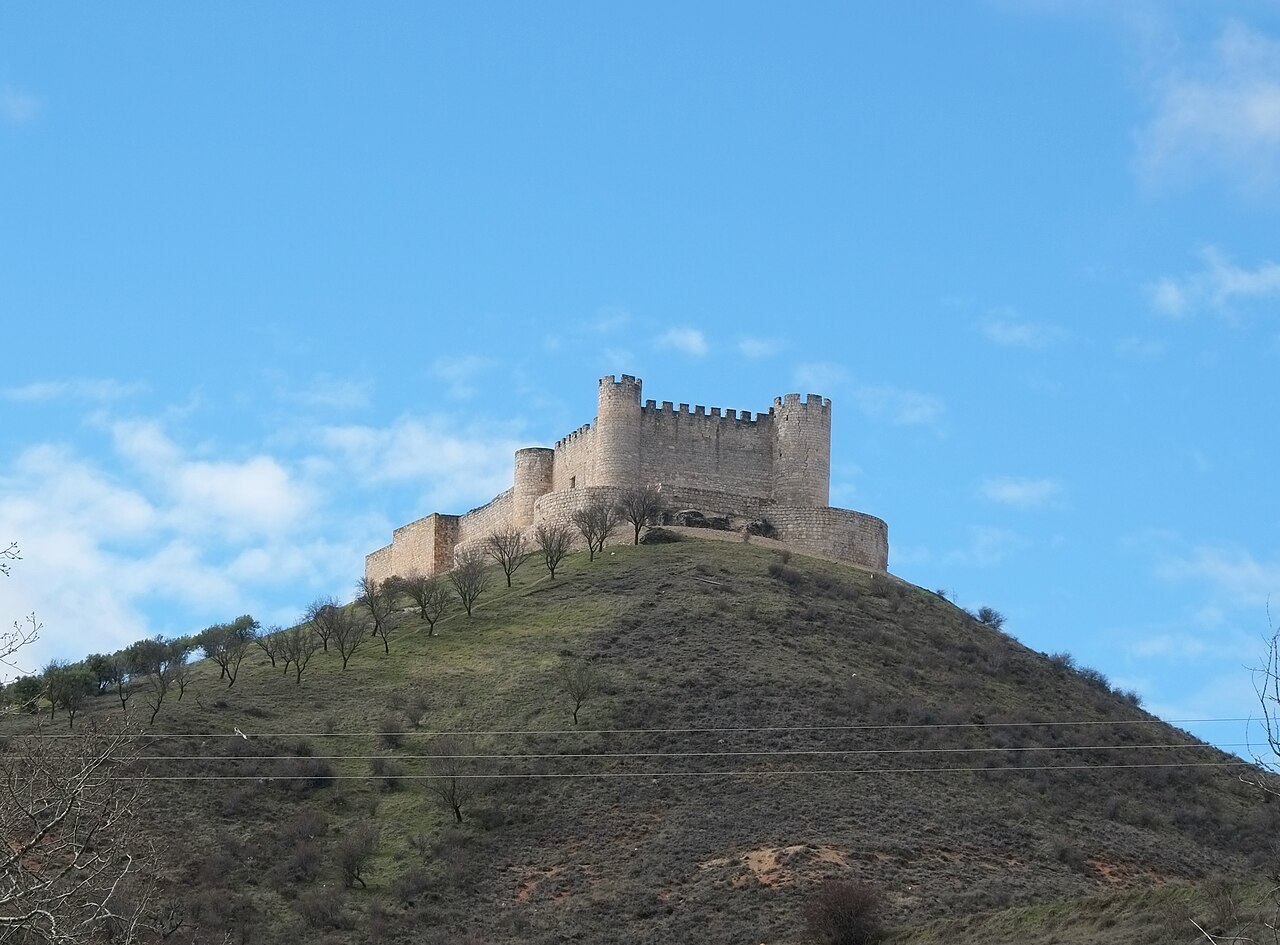
Torija Castle is a remarkable medieval fortress situated in the village of Torija in the province of Guadalajara, within the autonomous community of Castilla-La Mancha, Spain. This hill castle stands prominently overlooking the surrounding landscape and is easily visible from the N-II highway that connects Madrid to Barcelona. Its strategic location has made it an important military and communication point since ancient times.
The name "Torija" derives from the Latin word turricula, meaning "small tower," which reflects the site's long history as a fortified position. Archaeological evidence and historical records suggest that a fortification existed here since Roman times, serving to guard the vital route between the kingdoms of Aragon and Castile. This route, known as the "Puerta de la Alcarria," was a key passage through the region and shaped the castle's military significance.
Medieval origins and early history
The origins of Torija Castle are closely linked to the Knights Templar, a powerful military and religious order during the high medieval period. After the Reconquest of the area in 1085 by King Alfonso VI of Castile, the fortification was reportedly granted to the Templars. They are credited with strengthening the defenses and establishing a convent within the castle grounds, marking the beginning of its transformation into a formidable fortress.
In the 13th century, the castle came under the ownership of Don Alfonso Fernandez Coronel, a knight favored by King Alfonso XI of Castile. This period saw significant enhancements to the castle's structure, adapting it to the evolving military technologies and political landscape of medieval Spain.
The castle in the 14th and 15th centuries
The 14th century was a turbulent time for Torija Castle, reflecting the broader conflicts within Castile. During the civil war between King Pedro I, known as "the Cruel," and his half-brother Enrique de Trastamara, the castle changed hands as a reward for loyalty. Enrique, who eventually triumphed, granted the castle to the influential Mendoza family, who played a significant role in Castilian politics.
Under King Juan I, the castle briefly returned to the Coronel family before being donated to the De Guzmán family in the early 15th century. The castle's strategic importance was underscored in 1445 when it was seized by rebellious cousins of King Juan II of Castile. The castle was defended by Juan de Puelles, a captain serving the King of Navarre, during a series of sieges that ended in 1452 with an honorable surrender. Subsequently, the castle reverted to the Mendoza family, who retained it for centuries.
Architectural features and design
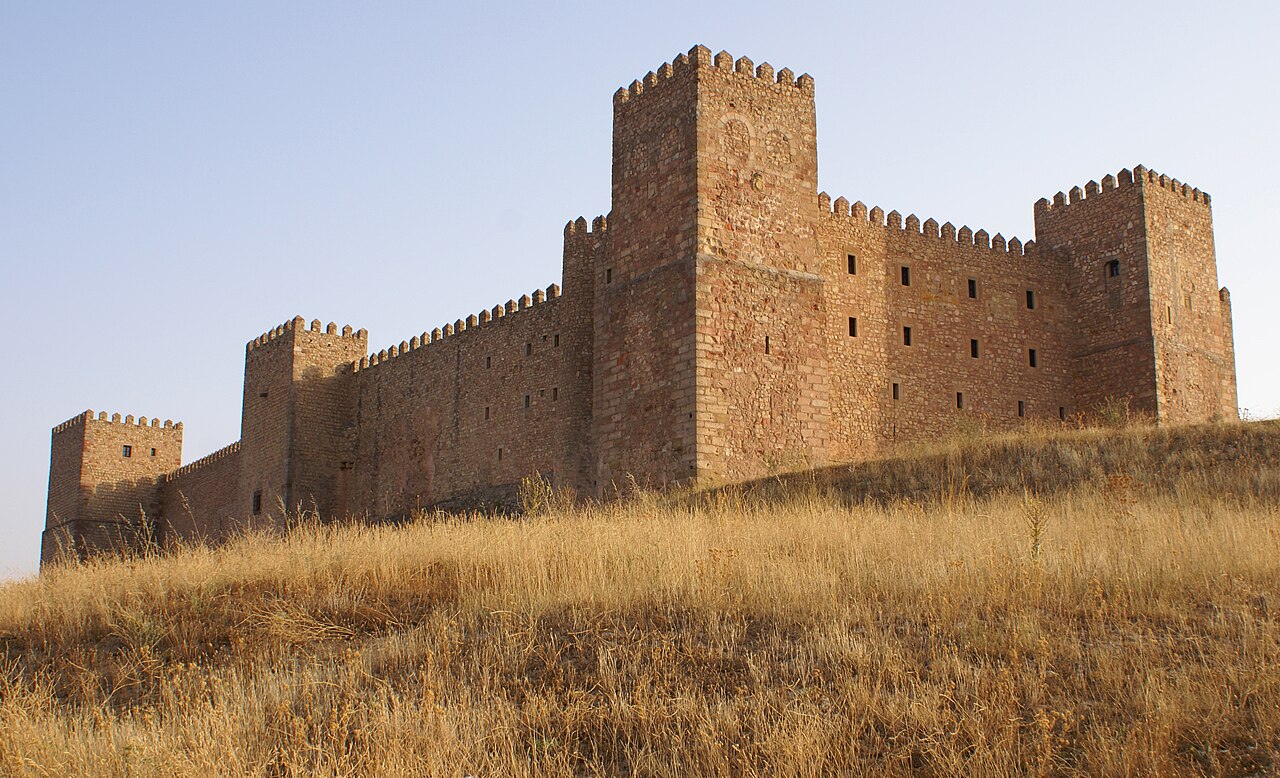
Torija Castle exhibits a distinctive ground plan uncommon among Spanish fortresses. The castle is primarily rectangular, constructed from locally sourced Alcarria limestone, known for its durability and characteristic pale color. Its design reflects the 15th-century Escuela de Valladolid architectural style, which favored square layouts with integrated central keeps.
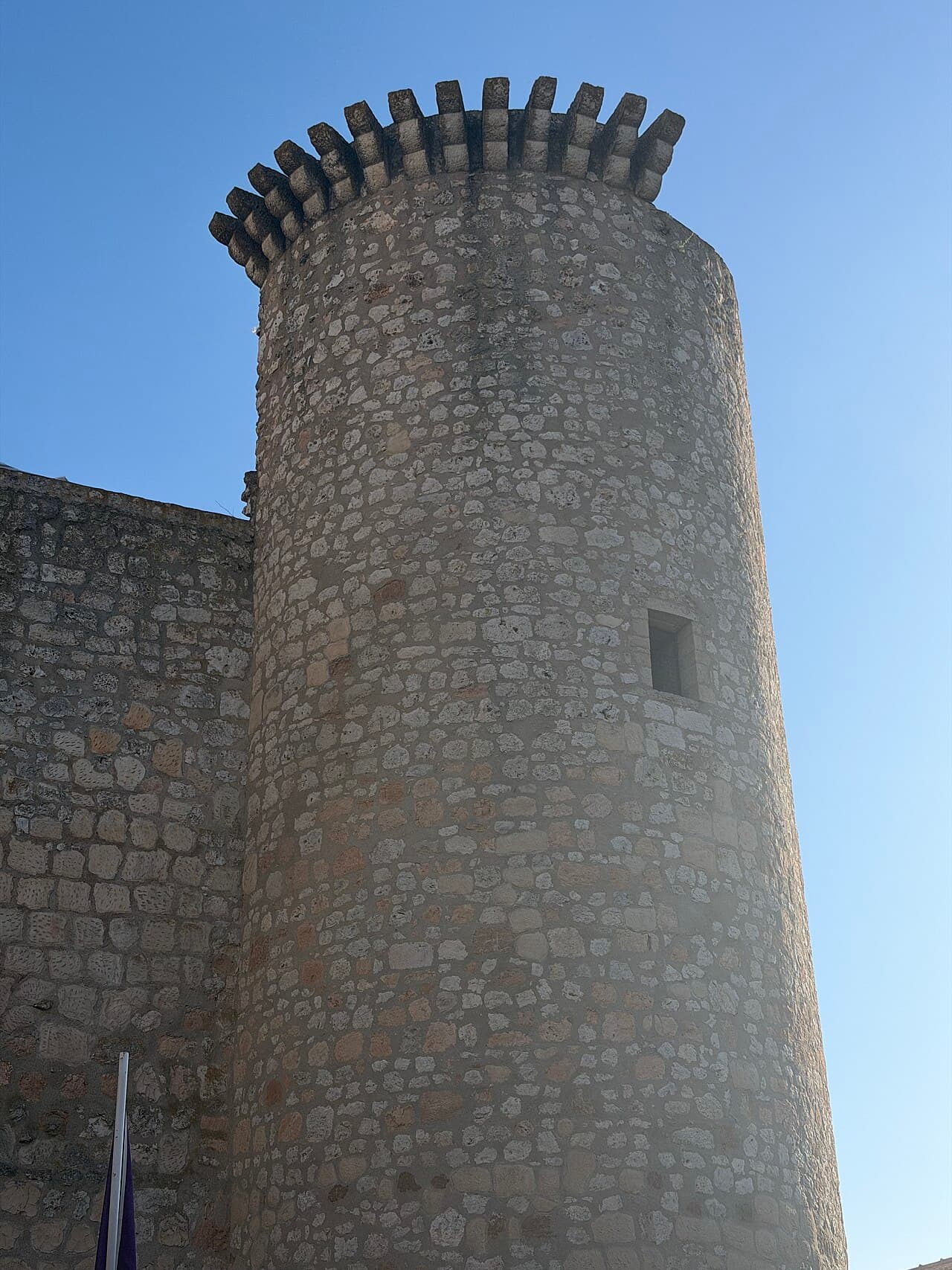
The fortress features three round towers and a prominent square keep, which is uniquely connected to the rest of the castle only by a narrow staircase. This separation allowed the keep to serve as a last refuge during sieges. The castle walls are relatively tall but not excessively thick, indicative of construction prior to the widespread use of artillery, which required thicker fortifications.
A well is centrally located within the courtyard, ensuring a water supply during prolonged sieges. The castle's defensive features include battlements and arrow slits designed for archers, emphasizing its role as a military stronghold. The architectural similarities with other northern Meseta castles, such as Torrelobatón and Villafuerte, highlight regional defensive strategies of the late medieval period.
Damage and restoration
The castle suffered significant damage during the Peninsular War (1808–1814), also known as the War of Independence against Napoleonic France. In 1810, the guerrilla leader Juan Martín, known as "El Empecinado," ordered the castle to be dynamited to prevent its use by French forces. This act left the fortress in ruins, and for many years it served as a quarry for local building materials.
Further damage occurred during the Spanish Civil War in the 20th century, underscoring the castle's continued military relevance. Restoration efforts began in the mid-20th century, with the Dirección General de Bellas Artes completing major repairs by 1962. Later conservation work by the Diputación de Guadalajara helped preserve the castle's structure and adapt it for modern use.
Modern use and cultural significance
Today, Torija Castle is well-preserved and serves as a cultural and tourist center. The castle houses the Centro de Interpretación Turística de la Provincia de Guadalajara (CITUG), which provides visitors with insights into the region's history and heritage. The keep has been converted into a museum dedicated to the book "Viaje a la Alcarria" by Nobel laureate Camilo José Cela, linking literary heritage with the castle's historical significance.
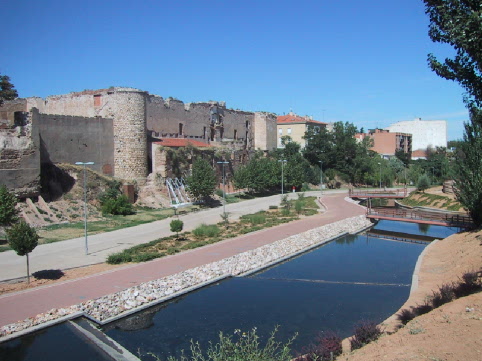
The castle's adaptation to contemporary cultural uses ensures its ongoing preservation and accessibility. Visitors can explore the castle's exterior architecture, including its towers and curtain walls, and learn about its role in medieval warfare and Spanish history. The castle's location and well-maintained condition make it a notable landmark in the Guadalajara province.
Visitor information
While the castle is open to the public, visitors should note that opening hours may vary, especially due to local customs such as siesta times. It is advisable to check current visiting hours before planning a visit to ensure access to the museum and interior spaces.
Historical context and legacy
Torija Castle exemplifies the military and architectural evolution of medieval Spain. Its origins with the Knights Templar and subsequent ownership by prominent noble families like the Mendoza and De Guzmán illustrate the castle's role in the complex political landscape of Castile. The castle's endurance through wars, sieges, and restoration reflects the broader historical currents that shaped the Iberian Peninsula.
The castle remains a symbol of the region's heritage, connecting visitors to centuries of history through its preserved walls and museum exhibits. Its strategic position guarding the ancient route between Aragon and Castile highlights its enduring importance in Spanish military history.
Frequently asked questions (FAQ)
- When was Torija Castle originally built?
- Torija Castle was originally constructed in the 13th century, with earlier fortifications on the site dating back to Roman times and the Knights Templar period in the 11th century.
- What architectural style characterizes Torija Castle?
- Torija Castle features the 15th-century Escuela de Valladolid style, with a rectangular layout, a central square keep, and three round towers built from Alcarria limestone.
- Is the castle open to visitors year-round?
- The castle is open to visitors, but opening hours may vary, especially due to local siesta times. It's recommended to check ahead before visiting.
- What can visitors see inside the castle?
- Inside the keep, there is a museum dedicated to Camilo José Cela's book "Viaje a la Alcarria," and the courtyard houses the Centro de Interpretación Turística de la Provincia de Guadalajara.
- What historical events affected Torija Castle?
- Torija Castle was involved in medieval civil wars, was damaged during the Peninsular War when it was dynamited to prevent French use, and suffered damage in the Spanish Civil War.
Photo gallery

Information
Sources & official resources
Verify the information above using these authoritative references.
Loading map...
Visitor reviews
No reviews yet. Been here? Write the first review and help other travelers!
Write the first reviewVisited this castle? Share your experience
Your review helps other travelers and adds first-hand knowledge to our encyclopedia.