Alcazar
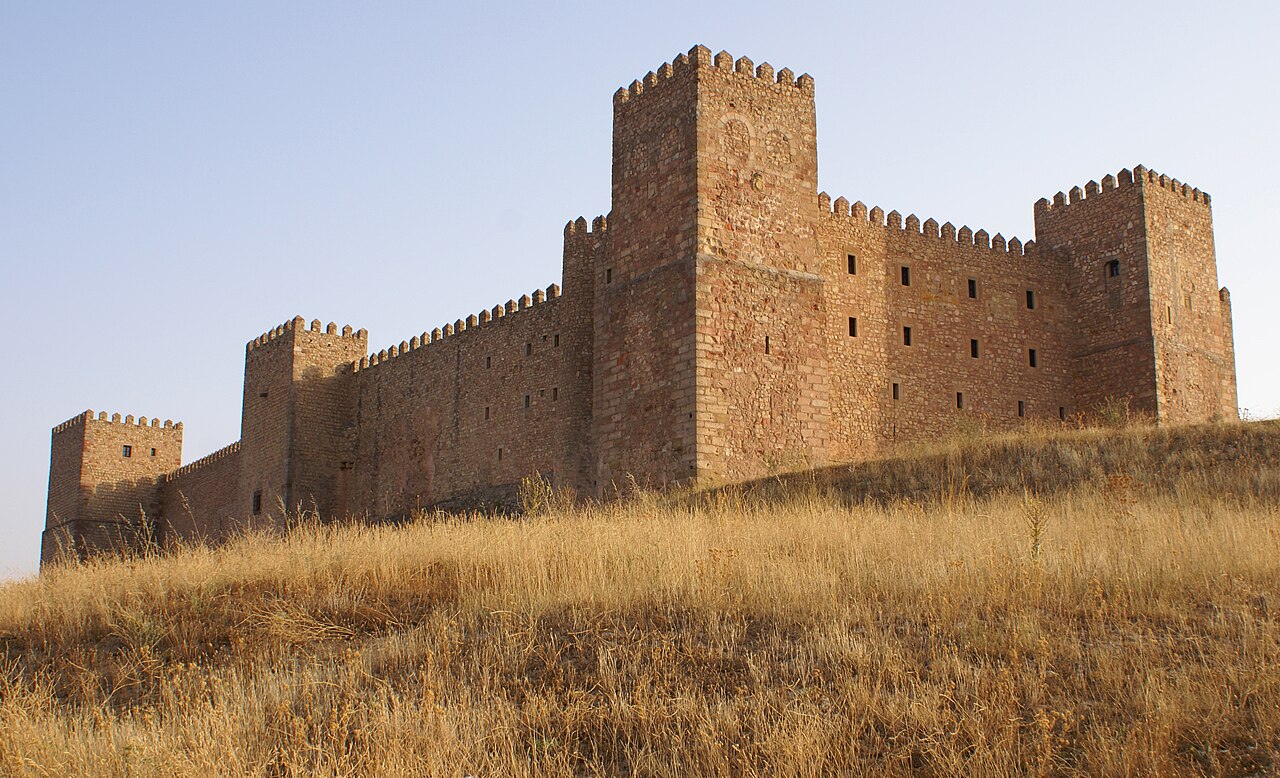
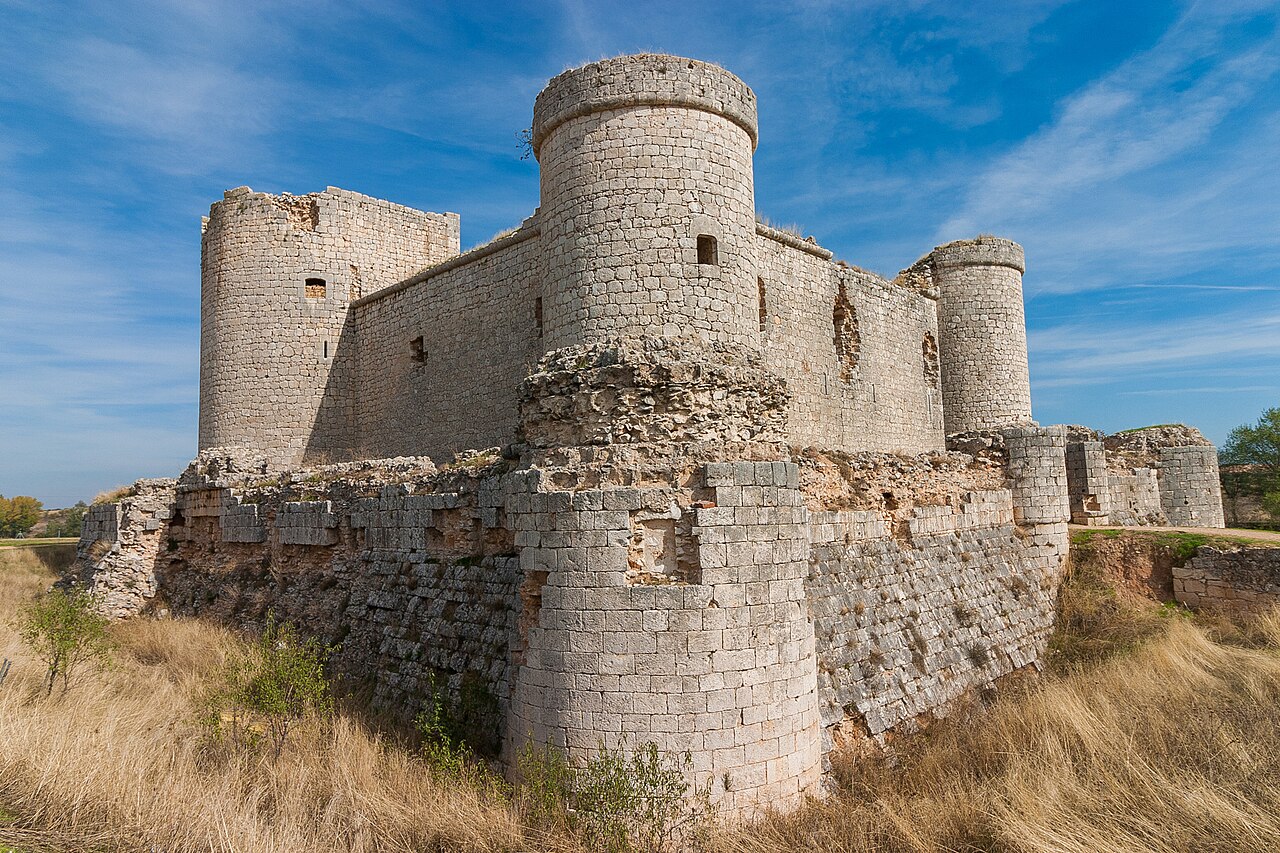
The Alcazar of Guadalajara stands as a prominent example of medieval military architecture in the region of Castilla-La Mancha, Spain. Perched strategically on a hill overlooking the surrounding landscape, this hill castle was constructed primarily for defense and control over the surrounding territory. Although today it remains in a state of ruins, the Alcazar's remnants reveal significant insights into the military engineering and architectural styles of the High Medieval period in Spain.
Historical background and significance
The Alcazar's origins trace back to the 12th century, a time marked by the Reconquista when Christian kingdoms sought to reclaim territory from Muslim rule. This fortress played a vital role in the defense of the region due to its commanding position and robust fortifications. Throughout its history, the Alcazar witnessed numerous conflicts and changes in ownership, reflecting the turbulent political and military landscape of medieval Spain.
The castle was part of a broader network of fortifications that secured the frontier zones between Christian and Muslim territories. Its strategic location allowed for surveillance of key routes and early warning against invasions. Over time, it also served as a residence for local lords and military commanders, blending military and domestic functions.
Architectural features and layout
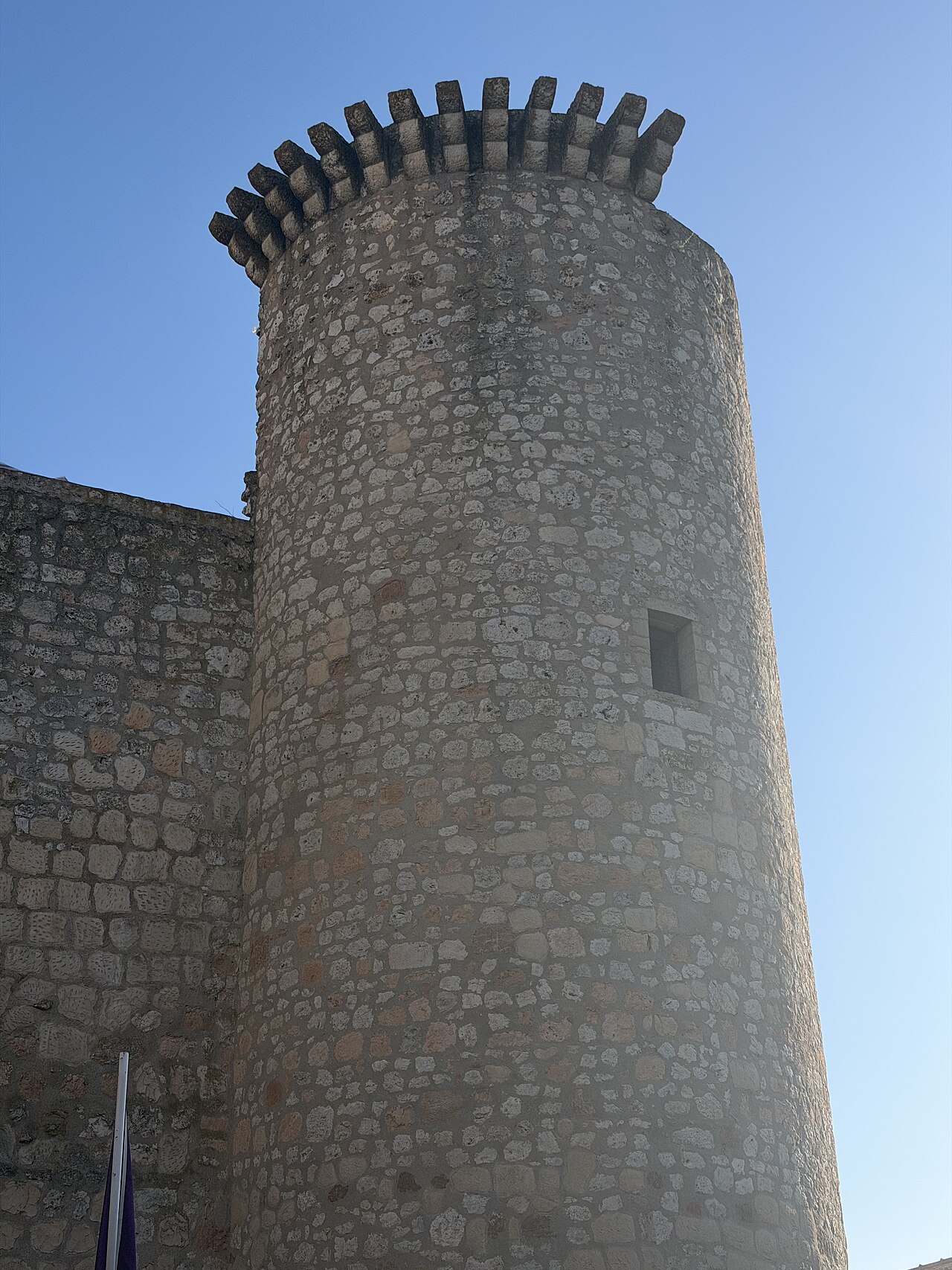
The Alcazar of Guadalajara was designed following typical hill castle principles, utilizing the natural elevation to enhance its defense capabilities. The castle's layout included a fortified keep or donjon, which served as the last line of defense and a stronghold for the garrison. Surrounding the keep were thick curtain walls reinforced with towers at intervals to provide flanking fire and observation points.
The entrance was likely protected by a gatehouse with defensive features such as a portcullis and murder holes, designed to repel attackers. The castle's walls enclosed a courtyard where various auxiliary buildings, including barracks, storerooms, and possibly a chapel, were situated. The use of local stone and masonry techniques reflects the construction practices of the High Medieval era in the Iberian Peninsula.
Defensive elements
The castle's position on a hilltop provided natural defense, but it was further strengthened by man-made features. The steep slopes around the castle limited access routes, funneling attackers into narrow approaches easily defended by the garrison. The battlements and arrow slits allowed defenders to engage enemies while remaining protected. Evidence of a moat or ditch may exist, enhancing the castle's fortifications by creating an additional barrier.
Cultural and heritage importance
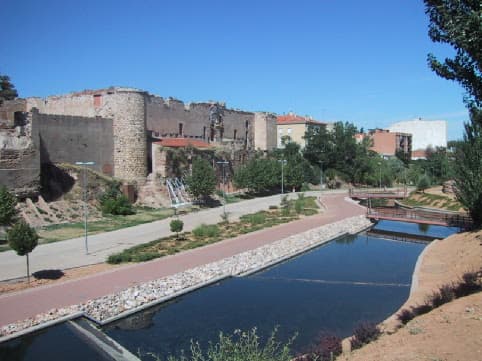
Today, the Alcazar of Guadalajara is recognized as a significant cultural landmark within Castilla-La Mancha. Although only ruins remain, the site attracts historians, archaeologists, and visitors interested in Spain's medieval past. The castle's ruins contribute to understanding the military strategies and architectural advancements of the period.
Efforts to preserve and study the Alcazar have highlighted its role in regional history and its connection to broader historical events such as the Reconquista. The site offers a tangible link to the medieval era and serves as a reminder of the complex history of territorial control in Spain.
Visiting the alcazar of guadalajara
Visitors to the Alcazar can explore the ruins and enjoy panoramic views of the surrounding landscape from the hilltop. While the castle is in a state of ruins, interpretive signage and guided tours may be available to provide historical context and architectural insights. The site is accessible from the city of Guadalajara, making it a convenient destination for those interested in medieval castles and Spanish heritage.
Frequently asked questions (FAQ)
- What is the Alcazar in Guadalajara, Spain?
- The Alcazar of Guadalajara is a historic castle known for its stunning Mudéjar architecture and rich history. Originally built in the 15th century, it served as a royal palace and has undergone various renovations, reflecting the architectural styles of different periods.
- When was the Alcazar built?
- Construction of the Alcazar began in the late 15th century, specifically in 1480, under the reign of the Catholic Monarchs. It was completed in the early 16th century, showcasing a blend of Gothic and Mudéjar influences that are characteristic of Spanish architecture of that era.
- Can I visit the Alcazar?
- Yes, visitors are welcome to explore the Alcazar and its beautiful grounds. The castle is open to the public, allowing guests to experience its historical significance and stunning architecture firsthand.
- What are the opening hours of the Alcazar?
- The Alcazar typically opens at 10 AM and closes at 6 PM from Tuesday to Sunday. However, it is advisable to check the official website for any seasonal changes in hours or special closures.
- Is there an admission fee for the Alcazar?
- Yes, there is an admission fee to enter the Alcazar. Ticket prices may vary for adults, seniors, and children, and discounts can be available for groups or during special events, so it's best to check ahead of your visit.
- When is the best time to visit the Alcazar?
- The best time to visit the Alcazar is during the spring and fall months when the weather is mild, making it comfortable for walking tours. Additionally, visiting during weekdays may help you avoid larger crowds and fully appreciate the site.
- What nearby attractions should I visit while in Guadalajara?
- While in Guadalajara, you can also visit the historic Church of San Gines and the Palacio del Infantado, both of which are rich in history and architecture. Additionally, the beautiful Parque de la Concordia is a great spot for a leisurely stroll after exploring the castle.
- Is the Alcazar accessible for visitors with disabilities?
- Yes, the Alcazar strives to be accessible to all visitors. There are ramps and facilities available to assist those with mobility challenges, making it easier for everyone to enjoy this historic site.
Photo gallery

Photo by No machine-readable author provided. Otranto assumed (based on copyright claims).•Public domain
Information
Website
Visit websiteSources & official resources
Verify the information above using these authoritative references.
Loading map...
Visitor reviews
No reviews yet. Been here? Write the first review and help other travelers!
Write the first reviewVisited this castle? Share your experience
Your review helps other travelers and adds first-hand knowledge to our encyclopedia.