Toompea Castle
Toompea Castle stands prominently on a steep limestone hill in the heart of Tallinn, Estonia. This castle is a symbol of centuries of power struggles and architectural evolution, reflecting the region's complex history from the early Middle Ages to modern times. Originally established as a wooden fortification by the ancient Estonian county of Rävala in the 10th or 11th century, it is among the earliest inhabited sites that later formed Tallinn. The castle's strategic hilltop location, approximately 50 meters above sea level, provided natural defense and commanding views over the surrounding landscape and the Baltic Sea.
The castle's history is closely intertwined with the Danish conquest in 1219, led by King Valdemar II. According to a cherished Danish legend, the Dannebrog (the Danish flag) miraculously fell from the sky during the Battle of Lyndanisse near the castle, inspiring a decisive victory over the Estonians. This event cemented the castle's importance as a Danish stronghold, known then as Castrum Danorum or Taani linn, the latter name influencing the modern name Tallinn. The castle was fortified with stone walls in the 13th and 14th centuries, marking its transition from wooden fortifications to a formidable medieval fortress.
Medieval construction and strategic importance
The initial stone castle featured a rectangular enclosure divided into two main parts: a southern foreburg serving as an outer ward and a northern section containing the governor’s residence and defensive towers. The castle was a key military and administrative center for the Danish crown and later for the Livonian Brothers of the Sword and the Teutonic Order, who acquired the castle in 1346. The Teutonic Knights added ecclesiastical buildings such as a chapel and a chapter house, emphasizing the castle’s dual military and religious functions.
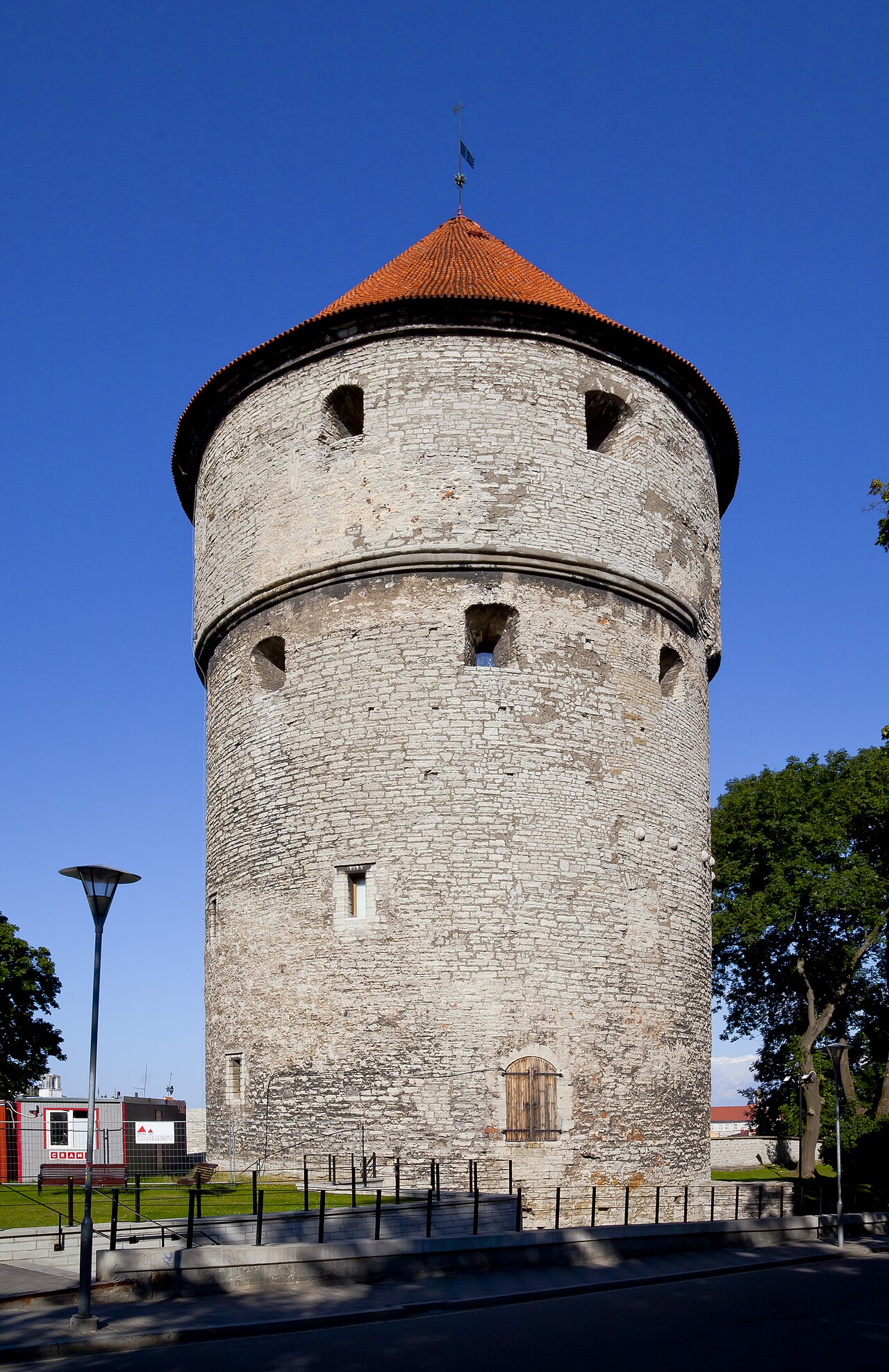
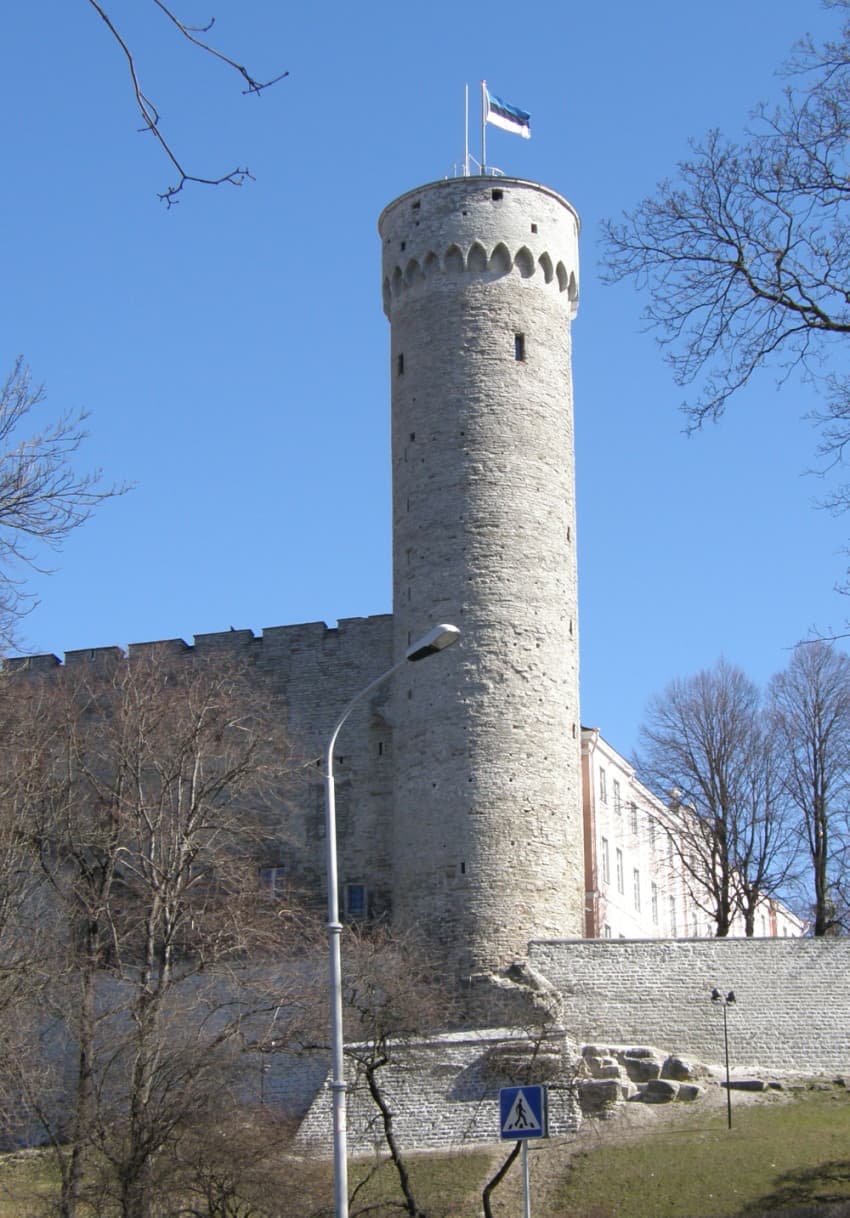
A defining architectural feature of Toompea Castle is the Long Hermann tower (Pikk Hermann), constructed in the late 14th century. This imposing 48-meter-high stone tower dominates the skyline and served both as a lookout and a powerful symbol of authority. The tower’s name derives from a medieval hero legend, linking the structure to local folklore and national identity. Other surviving corner towers include Landskrone and Pilsticker, which formed part of the castle’s defensive ring, although some towers like Stür den Kerl were demolished in later centuries due to structural decline.
Transformation under swedish and russian rule
During the Livonian War in the 16th century, control of Toompea Castle shifted to the Swedish crown in 1561. Under Swedish rule, the castle’s military role diminished, and it was repurposed as a ceremonial and administrative center. The construction of the State Hall in 1583–1589 along the western wall marked this transition. This hall hosted royal meetings, including notable encounters between King John III of Sweden and his son, Sigismund III of Poland, highlighting the castle’s political significance.
Following Estonia’s incorporation into the Russian Empire in 1710, the castle further evolved. Between 1767 and 1773, architect Johann Schultz led renovations that transformed the castle’s residential buildings into the Governor’s Palace. This reconstruction blended Baroque and Classicist architectural elements, reflecting the changing tastes and administrative needs of the era. The dilapidated Stür den Kerl tower was demolished during this period, underscoring the castle’s shift away from military defense.
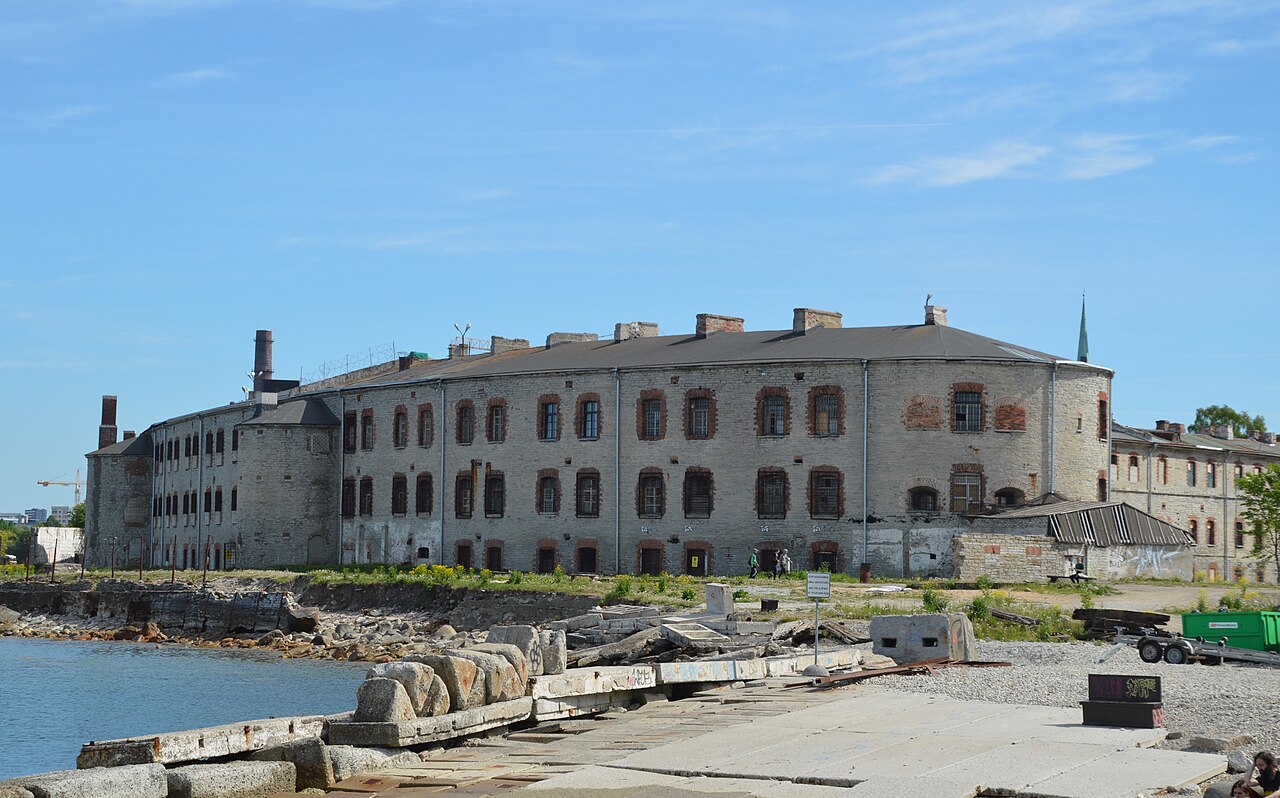
In 1843, the castle’s former convent house was converted into a prison by provincial architect Johann Schlebach, demonstrating the complex’s adaptive reuse over time. This prison was destroyed during the 1917 February Revolution, marking the end of an era for the castle’s penal functions.
Toompea castle as the seat of estonian parliament
Following Estonia’s declaration of independence in 1918, Toompea Castle became the symbolic and functional center of the new republic. Between 1920 and 1922, architects Eugen Habermann and Herbert Johanson designed and built the Riigikogu (Estonian Parliament) building within the castle courtyard. This building is architecturally unique, featuring a traditional exterior that blends with the historic surroundings and an interior showcasing rare expressionist style, making it one of the few parliamentary buildings worldwide with such a design.
In the 1930s, the castle complex expanded with the addition of a southern wing to house the Ministry of Internal Affairs. Designed initially by Konstantin Böhlau and August Tauk and later modified by Alar Kotli, this wing harmonizes stylistically with the 18th-century buildings, maintaining the architectural cohesion of the site. A three-story block was also added to the west side of the State Hall in 1935 to accommodate officials, reflecting the castle’s ongoing administrative role.
Architectural features and surviving structures
Today, Toompea Castle is a well-preserved example of a hill castle that showcases layers of architectural history from the late medieval period through the Baroque and Classicist styles to 20th-century expressionism. The castle’s thick stone walls, defensive towers, and internal divisions reveal medieval military engineering techniques.
The Long Hermann tower remains the tallest and most iconic structure, where the Estonian national flag is raised daily in a ceremonial tradition symbolizing national sovereignty. The surviving corner towers, including Landskrone and Pilsticker, provide insight into the castle’s defensive layout and medieval construction methods.
The Governor’s Palace and the State Hall exemplify the castle’s evolution from fortress to administrative seat, with their stylistic details reflecting the tastes and political changes of the Swedish and Russian periods. The Riigikogu building adds a modern layer of architectural significance, combining historical preservation with innovative design.
The castle grounds also feature the Governor’s Garden and a public park established during the Russian imperial era, providing landscaped settings that complement the historic architecture.
Cultural significance and public access
Toompea Castle is not only a historical monument but also a living symbol of Estonian statehood and resilience. It has witnessed numerous political changes, from Danish and Teutonic rule to Swedish and Russian administration, and finally to independent Estonia. The castle’s architectural layers tell a story of adaptation and continuity through centuries of shifting power.
Today, the castle is open to the public free of charge, with guided tours available to explore its rich history and architectural features. It forms part of Tallinn’s Old Town, a UNESCO World Heritage Site recognized for its exceptional preservation and medieval urban fabric. Visitors can experience the blend of medieval fortifications, baroque palaces, and modern parliamentary architecture in a single site, making Toompea Castle a unique destination for history and architecture enthusiasts alike.
Frequently asked questions (FAQ)
- How do I visit Toompea Castle?
- Toompea Castle is open daily from 10:00 to 18:00 with free admission. Guided tours are available to enhance your visit experience.
- What is the historical significance of Toompea Castle?
- Toompea Castle has been a strategic stronghold since the early medieval period and is the seat of the Estonian parliament, symbolizing Estonia's sovereignty.
- When was the Long Hermann tower built?
- The Long Hermann tower was constructed in the late 14th century and remains the tallest and most iconic structure of Toompea Castle.
- Can I see the Estonian flag at Toompea Castle?
- Yes, the Estonian national flag is ceremonially raised every morning atop the Long Hermann tower, symbolizing national independence.
- Is Toompea Castle part of a UNESCO World Heritage Site?
- Yes, Toompea Castle is located within Tallinn's Old Town, which is listed as a UNESCO World Heritage Site for its well-preserved medieval architecture.
Photo gallery

Information
Opening hours
10:00-18:00, daily
Ticket prices
Free
Current owner
Estonian government
Website
Visit websiteSources & official resources
Verify the information above using these authoritative references.
Loading map...
Visitor reviews
No reviews yet. Been here? Write the first review and help other travelers!
Write the first reviewVisited this castle? Share your experience
Your review helps other travelers and adds first-hand knowledge to our encyclopedia.