Kiek in de Kök
Kiek in de Kök is a prominent artillery tower located in Tallinn, Estonia, constructed in 1475 during the late medieval period. Its name, originating from Low German meaning 'Peek into the Kitchen', refers to the tower's strategic height and vantage point, which allowed its occupants to observe the kitchens of nearby houses. This unique characteristic highlights the tower's role not only as a defensive structure but also as a watchpoint within the city's fortifications.
Architectural design and defensive features
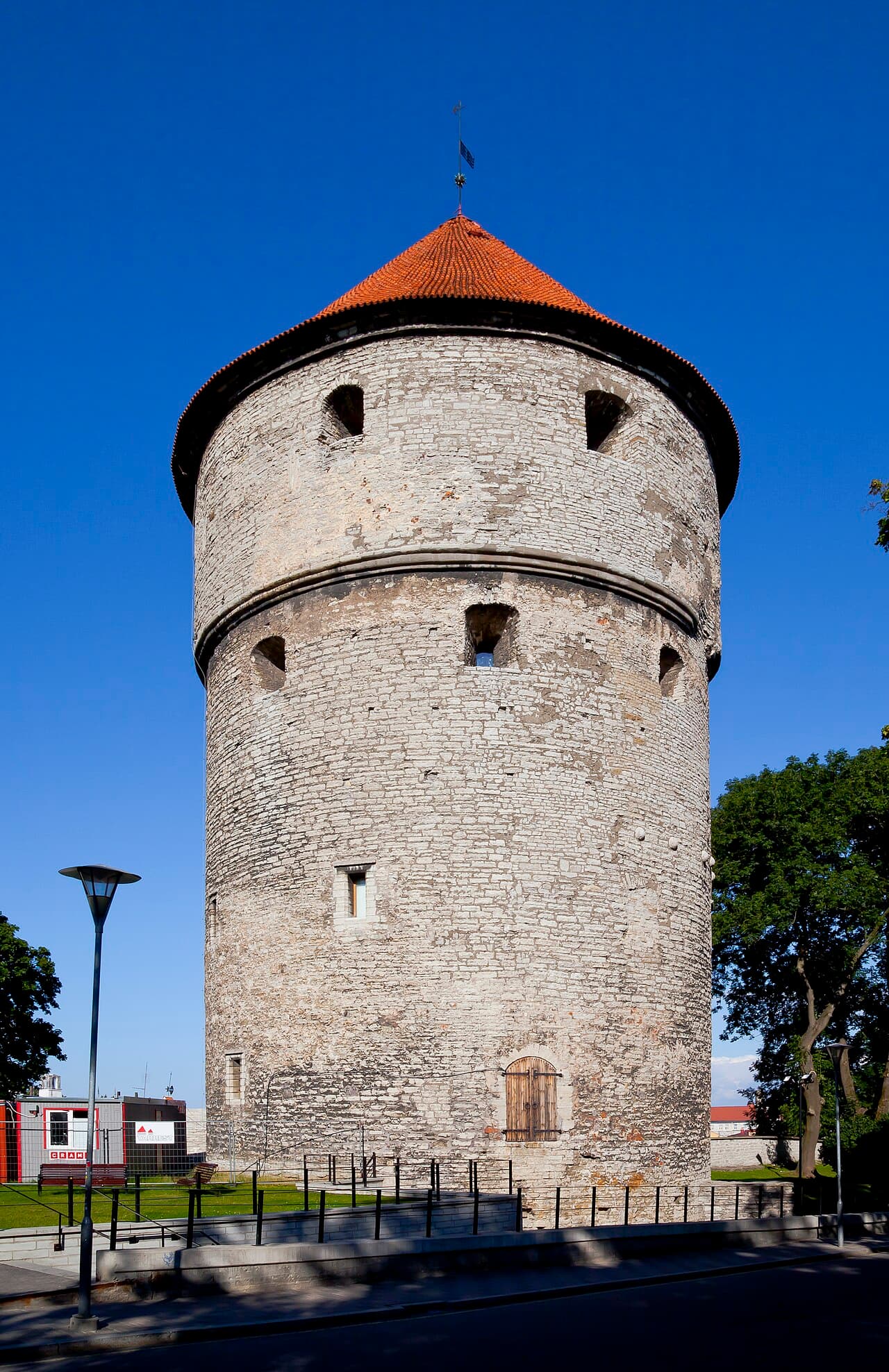
The tower stands at an impressive height of 38 meters (125 feet) and features remarkably thick walls measuring up to 4 meters (13 feet). These massive walls were designed to withstand artillery fire, reflecting the evolving military technology of the period. The tower's robust construction includes multiple levels, each serving different defensive and operational purposes.
Kiek in de Kök is classified as a hill castle, strategically positioned to oversee the surrounding terrain and the city below. The tower's design incorporates embrasures for cannons and other artillery, which were cutting-edge defensive features in the 15th century. Its thick walls and elevated position provided a formidable defense against attackers and enabled effective control over the city's approaches.
Historical context and military significance
Built during a time when Tallinn was a significant trading hub within the Hanseatic League, Kiek in de Kök was part of a comprehensive city defense system. The tower played a crucial role in protecting Tallinn from invasions and sieges, particularly during the turbulent periods of the 15th and 16th centuries. Its artillery capabilities were enhanced to counter the increasing use of gunpowder and cannon technology in warfare.
Notably, the tower still bears cannonballs embedded in its outer walls dating back to 1577. These marks serve as tangible evidence of the tower's active involvement in military engagements and its resilience against artillery assaults.
Interior and functional spaces
The interior of Kiek in de Kök was designed to support its defensive role while also accommodating the needs of its garrison. The multiple floors included storage rooms for weapons and ammunition, living quarters for soldiers, and observation platforms. The thick walls also contained narrow passages and embrasures that allowed defenders to fire upon attackers while remaining protected.
Over time, the tower's function evolved, and it was integrated into the broader fortification system of Tallinn, including connections to adjacent bastions and walls. This integration enhanced the overall defensive network of the city, making Kiek in de Kök a key component of Tallinn's medieval military architecture.
Preservation and cultural importance
Today, Kiek in de Kök stands as a well-preserved example of late medieval military architecture in Estonia. It is a popular tourist attraction, offering visitors insight into the defensive strategies of the period and the architectural innovations that accompanied the rise of artillery warfare.
The tower also houses exhibitions related to Tallinn's history and medieval fortifications, providing educational value and enhancing public appreciation of the city's heritage. Its imposing presence and historical significance make it a symbol of Tallinn's resilience and strategic importance in the Baltic region.
Visiting information and accessibility
Kiek in de Kök is accessible to the public, with guided tours available that explore its architectural features and historical context. Visitors can climb to the upper levels to enjoy panoramic views of Tallinn and its surroundings, experiencing firsthand the strategic vantage point that gave the tower its name.
The site is maintained as part of Tallinn's cultural heritage and is often included in walking tours of the old city, highlighting its role within the medieval fortification system. Its location within the historic center makes it convenient for tourists exploring other landmarks in Tallinn.
Frequently asked questions (FAQ)
- How do I get to Kiek in de Kök?
- Kiek in de Kök is conveniently located in the heart of Tallinn's Old Town. You can reach it easily by walking from the city center, or by taking public transportation, such as trams or buses that stop nearby.
- What is the historical significance of Kiek in de Kök?
- Kiek in de Kök, which translates to "Peek into the Kitchen," is a 15th-century fortress tower that played a crucial role in Tallinn's defense system. It is part of the city's fortifications and offers insights into medieval military architecture and the history of the region.
- When was Kiek in de Kök built?
- Kiek in de Kök was constructed between 1475 and 1481, making it one of the oldest structures in Tallinn. Its construction was part of a broader effort to strengthen the city's defenses against potential invasions.
- Can I visit Kiek in de Kök year-round?
- Yes, Kiek in de Kök is open to visitors year-round, although hours may vary by season. It’s advisable to check the official website for the most current opening hours and any seasonal changes.
- Why is Kiek in de Kök an important attraction?
- Kiek in de Kök is not only an iconic symbol of Tallinn's medieval heritage, but it also houses a museum that provides a fascinating glimpse into the city's history. Visitors can explore its exhibits, enjoy panoramic views from the top, and learn about the unique architectural features of the tower.
- Is it possible to access all areas of Kiek in de Kök?
- While Kiek in de Kök is accessible to many visitors, certain areas may have restrictions due to safety or preservation concerns. However, the main exhibition areas and viewing platforms are generally accessible to the public.
- What are the ticket prices for Kiek in de Kök?
- Ticket prices for Kiek in de Kök are quite reasonable, with discounts available for children, students, and seniors. It's best to check the official website for the latest pricing and any available packages for combined visits to nearby attractions.
- What is the best time to visit Kiek in de Kök?
- The best time to visit Kiek in de Kök is during the spring and early autumn when the weather is pleasant, and the crowds are manageable. Visiting during weekdays can also help you avoid larger tourist groups, allowing for a more enjoyable experience.
- Are there any nearby attractions to Kiek in de Kök?
- Yes, Kiek in de Kök is surrounded by several other historical sites, including the Bastion Tunnels, the Alexander Nevsky Cathedral, and Toompea Hill. These attractions can easily be visited in the same day, making it a perfect spot for a historical tour of Tallinn.
Photo gallery

Information
Loading map...
Visitor reviews
No reviews yet. Been here? Write the first review and help other travelers!
Write the first reviewVisited this castle? Share your experience
Your review helps other travelers and adds first-hand knowledge to our encyclopedia.