Toolse Castle
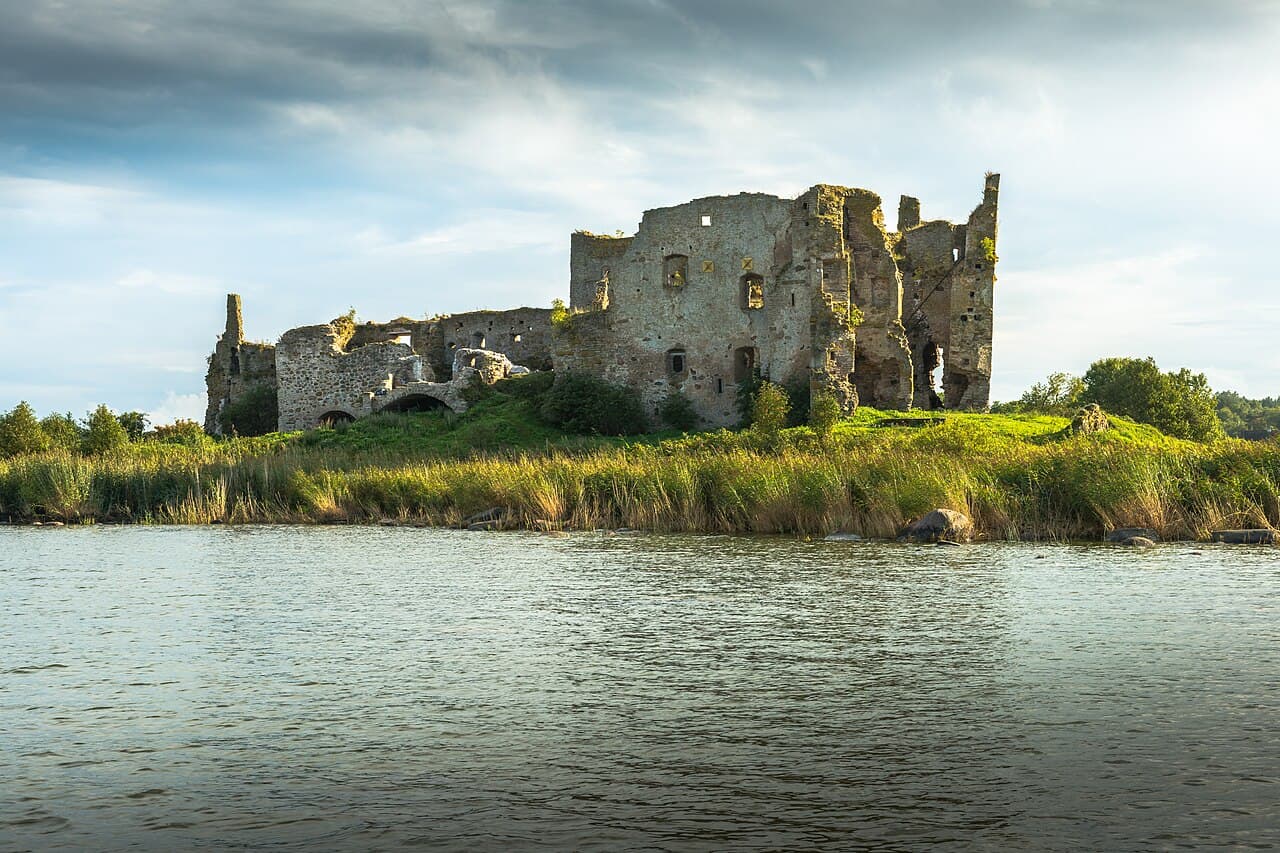
Toolse Castle stands as a remarkable example of a late-medieval hill castle constructed by the Livonian Order in 1471. Located near the town of Kunda, Estonia, this fortress was strategically built to protect the important harbor of Toolse and its surrounding village from frequent pirate raids in the Gulf of Finland. Its position on a hill provided commanding views over the sea and land approaches, making it a critical defensive outpost during a turbulent period marked by regional conflicts and shifting powers.
The castle's origins trace back to a manorial stronghold likely owned by the noble Wrangel family in the late 14th or early 15th century. However, the significant expansion into a formidable fortress occurred under the leadership of Johann Wolthus von Herse, the Livonian Order commander who independently initiated construction in 1471. Originally named Vredeborch (also spelled Fredeborch or Fredeborg), this fortress was intended to secure the harbor and serve as a military and administrative center. Despite von Herse's deposition shortly after, the castle remained a vital stronghold, renamed Tolsburg by his successor Berent von der Borch.
Historical significance and military role
Throughout its history, Toolse Castle played a pivotal role in the defense of northern Estonia. During the Livonian War (1558–1583), it changed hands multiple times, reflecting the intense struggle for control between Russia, Sweden, and the Livonian Order. In 1558, Russian forces captured the fortress, holding it until the Treaty of Teusina in 1595 returned it to Swedish control. The capture of Toolse by the French mercenary Pontus de la Gardie in 1581 for Sweden marked a significant military achievement during this period.
The castle's military importance declined after the Great Northern War (1700–1721), during which it was destroyed and subsequently abandoned. Since then, Toolse Castle has remained in a state of ruin, symbolizing the region's complex medieval past and the evolution of military architecture in response to emerging warfare technologies.
Architectural evolution and features
Initial construction and residential tower
The original structure centered on a tall, three-story living tower situated behind the western façade. This tower formed the heart of the castle's residential and administrative functions, accessible through a foot gate secured by a portcullis. The design reflects typical late-medieval defensive architecture aimed at controlling access and providing a secure residence for the local commander, the vogt.
Defensive expansions and artillery adaptations
Over approximately two centuries, Toolse Castle underwent at least five major construction phases, adapting to the changing demands of military technology. Mid-15th-century expansions transformed the fortress into a bastion capable of withstanding early firearms. The addition of an outer courtyard with a broad eastern gate and an inner courtyard accessed through a pointed arch gate enhanced layered defense.
Significant defensive features included rooms with firing slits and a secondary portcullis on the northern side, designed to repel attackers. The construction of a large square gate tower on the eastern side protected the northwestern corner. Furthermore, a round artillery tower with an open platform and battlements was added, highlighting the castle's adaptation to artillery warfare. Two projecting dansker towers on the northern wall provided additional protection and drainage functions.
Outer fortifications and ring wall
The final construction phase enclosed the castle in a ring-walled forecourt featuring a gate tower on the eastern wing. This created a fortified camp, or laagerkastell, with walls approximately 14 meters tall and 2 meters thick, demonstrating the castle's formidable defensive capabilities.
Preservation and current state
Today, Toolse Castle exists as a well-preserved ruin, with conservation efforts stabilizing key structures such as the gate tower's southern and northern facades. Repairs to the courtyard gates and structural reinforcements, including tie rods in the western residential tower and waterproofing of vaulted cellar ceilings, have helped maintain the site's integrity.
Near the ruins, remnants of medieval wave breakers along the shore of Toolse Bay serve as a tangible connection to the castle's original role in protecting the harbor. These features, combined with the castle's extensive ruins, offer visitors insight into the military architecture and historical landscape of medieval Estonia.
Cultural heritage and visitor experience
Toolse Castle is a significant cultural monument reflecting the complex history of the Baltic region during the late medieval period. Its ruins attract historians, architects, and tourists interested in medieval fortifications and the Livonian Order's legacy. The site offers a compelling narrative of military strategy, architectural innovation, and regional power struggles that shaped northern Estonia's history.
Visitors can explore the castle's layered courtyards, towers, and defensive walls while imagining the strategic importance this fortress held over centuries. The combination of architectural remains and natural coastal scenery creates an evocative atmosphere, making Toolse Castle a key destination for those seeking to understand Estonia's medieval past.
Frequently asked questions (FAQ)
- What is the historical significance of Toolse Castle?
- Toolse Castle, located in Kunda, Estonia, was built in the 14th century and served as a defensive structure for the region. It played a crucial role in the medieval conflicts between the Teutonic Knights and local Estonian tribes, reflecting the turbulent history of the area.
- When was Toolse Castle built?
- Toolse Castle was constructed in the 14th century, with its foundation dating back to 1380. Over the centuries, it has undergone several renovations, preserving its historical features while adapting to modern needs.
- Can I visit Toolse Castle?
- Yes, Toolse Castle is open to visitors who wish to explore its rich history and stunning architecture. Visitors can enjoy guided tours that provide insights into the castle's past and its significance in Estonian history.
- What are the opening hours of Toolse Castle?
- Toolse Castle is typically open to the public from May to September, with varying opening hours depending on the season. It is recommended to check the official website or contact the castle administration for the most current hours before your visit.
- Is it possible to access Toolse Castle with limited mobility?
- Toolse Castle has made efforts to improve accessibility for visitors with limited mobility, though certain areas may still pose challenges due to the castle's historical structure. It is advisable to contact the site in advance to inquire about specific accommodations available for your visit.
- What is the best time to visit Toolse Castle?
- The best time to visit Toolse Castle is during the summer months, from June to August, when the weather is pleasant and the castle hosts various events. This season also offers the most extended opening hours and guided tour options.
- What are the ticket prices for Toolse Castle?
- Ticket prices for Toolse Castle vary depending on age and group size, with discounts often available for students and seniors. Visitors should check the official website for the latest pricing information and any special offers that may apply.
- Are there any nearby attractions to visit after Toolse Castle?
- Yes, after visiting Toolse Castle, you can explore the charming town of Kunda and its beautiful coastal areas. Additionally, nearby attractions include the Kunda Museum and several scenic hiking trails that showcase Estonia's natural beauty.
Photo gallery

Information
Website
Visit websiteSources & official resources
Verify the information above using these authoritative references.
Loading map...
Visitor reviews
No reviews yet. Been here? Write the first review and help other travelers!
Write the first reviewVisited this castle? Share your experience
Your review helps other travelers and adds first-hand knowledge to our encyclopedia.