Tomioka Castle
Tomioka Castle (富岡城, Tomioka-jō) is a significant historic hill castle located in Tomioka, Reihoku Town, Amakusa District, Kumamoto Prefecture, Japan. It was constructed in the 17th century, during the early Edo period, a time when Japan was undergoing political consolidation and peace under the Tokugawa shogunate. The castle served as the stronghold of Terasawa Katataka, a prominent daimyō of the region, who is notably remembered for his role in suppressing the Shimabara Rebellion (1637-1638), a major uprising of mostly Christian peasants and ronin against the shogunate's oppressive policies.
Historical context and significance
The Shimabara Rebellion was one of the largest peasant uprisings in Japan's history, and Tomioka Castle was a strategic military base for the Tokugawa forces during the conflict. Terasawa Katataka, as the castle's lord, was instrumental in organizing the defense and coordination of troops to quell the rebellion. The castle's location in Kumamoto Prefecture placed it near the rebellion's epicenter, making it a critical point of control for the shogunate.
Architectural features and layout
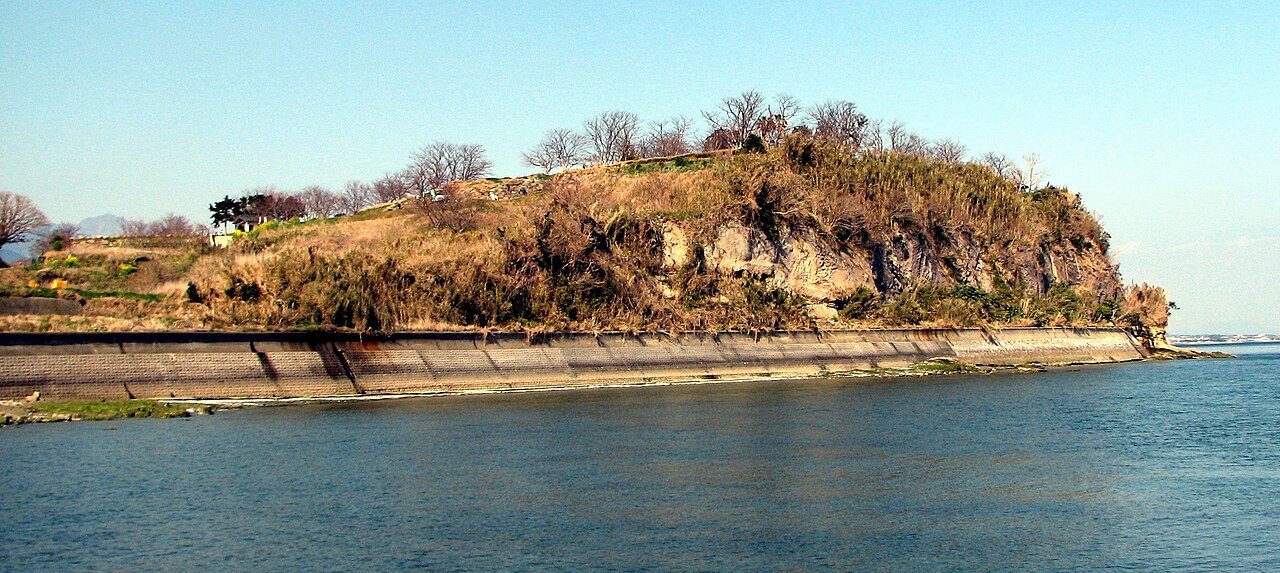
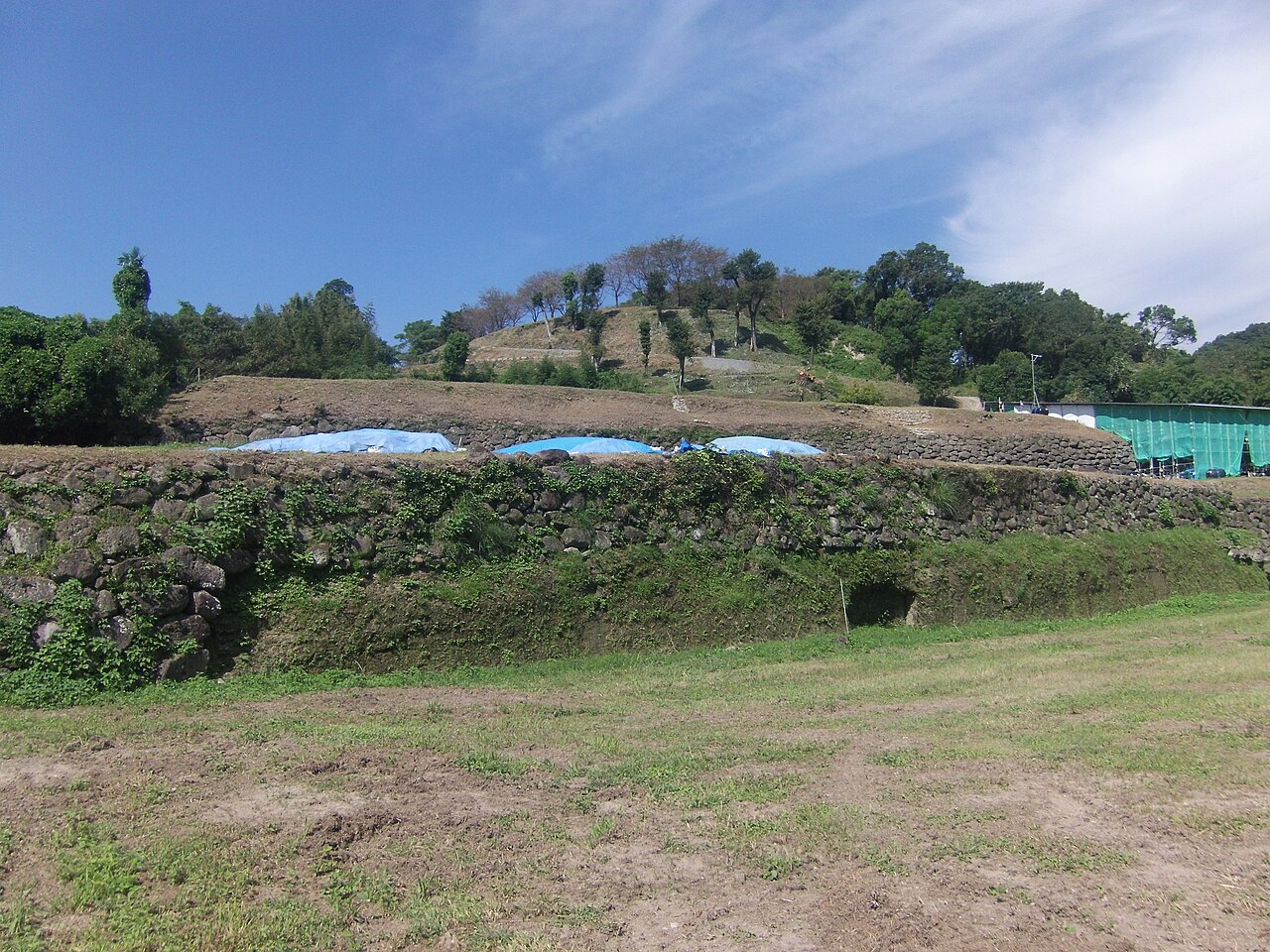
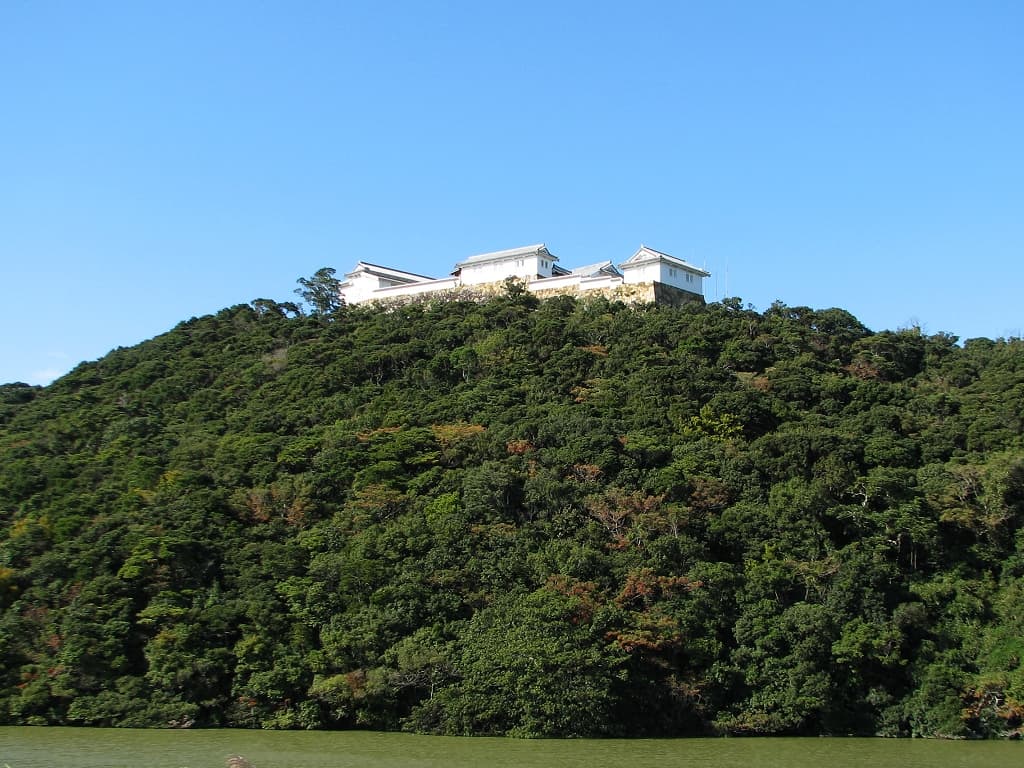
Tomioka Castle is classified as a hill castle (yamashiro), built on elevated terrain to take advantage of natural defenses. This strategic placement allowed for better surveillance of the surrounding area and enhanced defensive capabilities against attackers. The castle's design reflects typical Japanese castle architecture of the early Edo period, featuring stone walls, earthen ramparts, and wooden structures.
Defensive structures
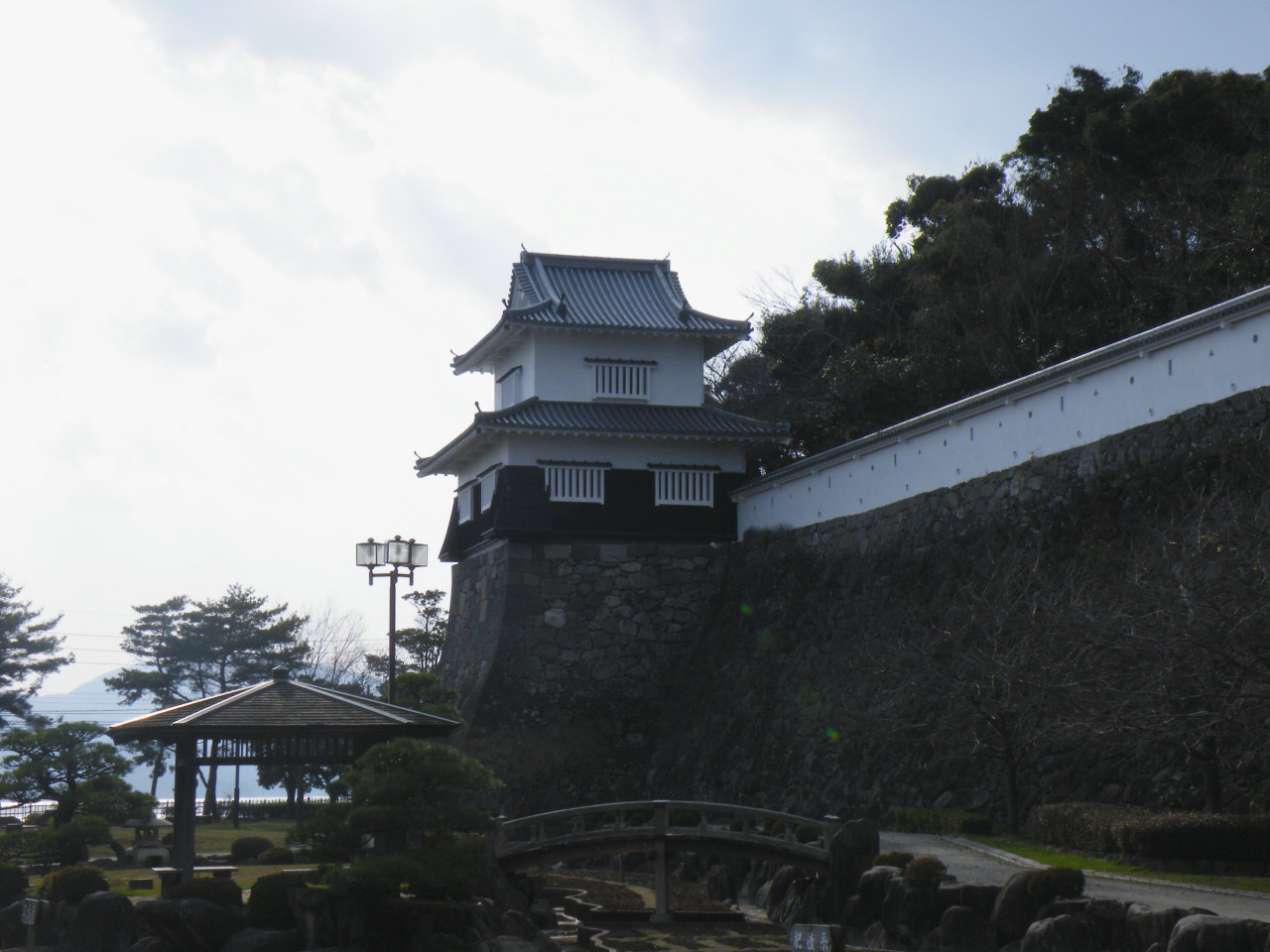
The castle's fortifications included moats and watchtowers positioned to oversee key approaches. The use of natural topography was maximized to create steep slopes difficult for enemies to scale. The inner baileys housed the lord's residence and administrative buildings, while outer baileys provided space for retainers and soldiers.
Architectural style
While the existing metadata lists the period as Renaissance, this is not applicable to Japanese castles. Tomioka Castle was built in the early Edo period, which corresponds to the early modern period in Japan, characterized by the development of distinct Japanese castle architecture rather than European Renaissance styles. The castle's style is therefore best described as traditional Japanese castle architecture of the 17th century, rather than a European architectural style.
Role during the Shimabara Rebellion
During the Shimabara Rebellion, Tomioka Castle was a pivotal military headquarters. Terasawa Katataka commanded forces from the castle to suppress the uprising, which was fueled by religious persecution and economic hardship. The castle's defenses allowed it to withstand potential attacks and serve as a rallying point for Tokugawa loyalists.
Later history and preservation
After the rebellion, Tomioka Castle continued to function as a regional administrative center. However, like many Japanese castles, it faced decline during the Meiji Restoration when feudal domains were abolished and many castles were dismantled or repurposed. Today, Tomioka Castle is recognized as an important cultural heritage site in Kumamoto Prefecture.
The castle remains partially preserved, with some stone walls and earthworks still visible. Efforts have been made to maintain the site, but much of the original wooden structures have not survived. Visitors to the site can explore the castle grounds and appreciate the strategic location and historic significance of the fortress.
Visiting Tomioka Castle
Tomioka Castle is accessible to the public and offers a glimpse into 17th-century Japanese military architecture. The surrounding area provides scenic views of the Kumamoto landscape and insight into the region's feudal past. Informational plaques and guided tours help visitors understand the castle's role in Japanese history.
Nearby attractions
The castle is situated in a region rich with historical sites related to the Shimabara Rebellion and the Edo period. Visitors often combine a trip to Tomioka Castle with visits to nearby castles, temples, and museums dedicated to the era.
Frequently asked questions (FAQ)
- When was Tomioka Castle built?
- Tomioka Castle was built in the 17th century during the early Edo period in Japan.
- What role did Tomioka Castle play in the Shimabara Rebellion?
- The castle served as a strategic military base for Terasawa Katataka and Tokugawa forces to suppress the Shimabara Rebellion in 1637-1638.
- Can visitors explore Tomioka Castle today?
- Yes, visitors can explore the partially preserved castle grounds, including stone walls and earthworks, and learn about its history through informational displays.
- What type of castle is Tomioka Castle?
- Tomioka Castle is a hill castle, built on elevated terrain to maximize natural defenses.
- Is Tomioka Castle associated with any notable historical figures?
- Yes, Terasawa Katataka, a daimyō who played a key role in suppressing the Shimabara Rebellion, was the castle's lord.
Photo gallery

Information
Loading map...
Visitor reviews
No reviews yet. Been here? Write the first review and help other travelers!
Write the first reviewVisited this castle? Share your experience
Your review helps other travelers and adds first-hand knowledge to our encyclopedia.