Kushima Castle
Kushima Castle (玖島城, Kushima-jō), also referred to as Ōmura Castle (大村城, Ōmura-jō), is a significant Japanese hill castle located in Ōmura, Nagasaki Prefecture, Japan. Constructed in the 16th century, during the Sengoku period, this castle played an important role in the regional power struggles and the defense of the Ōmura domain.
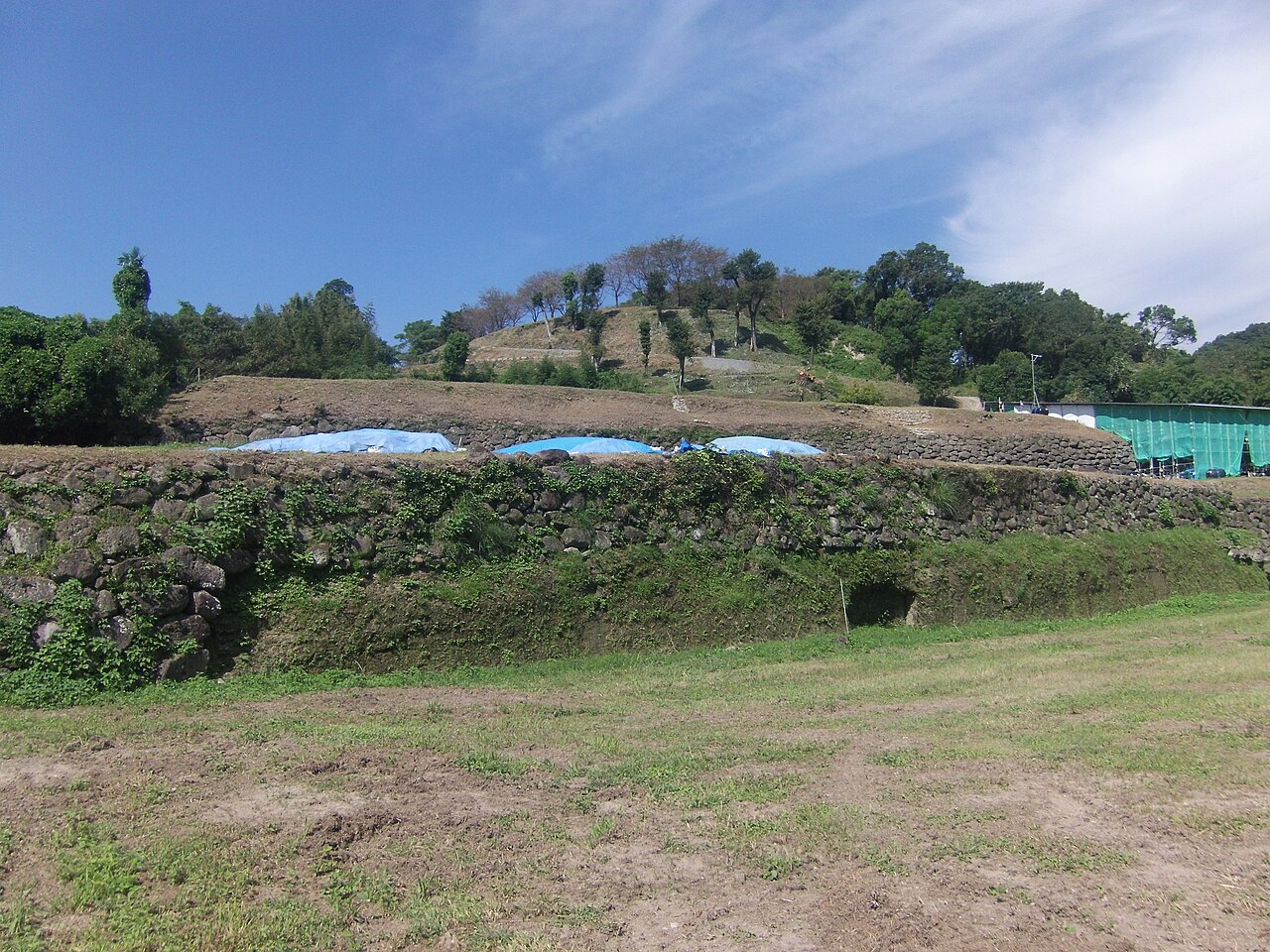
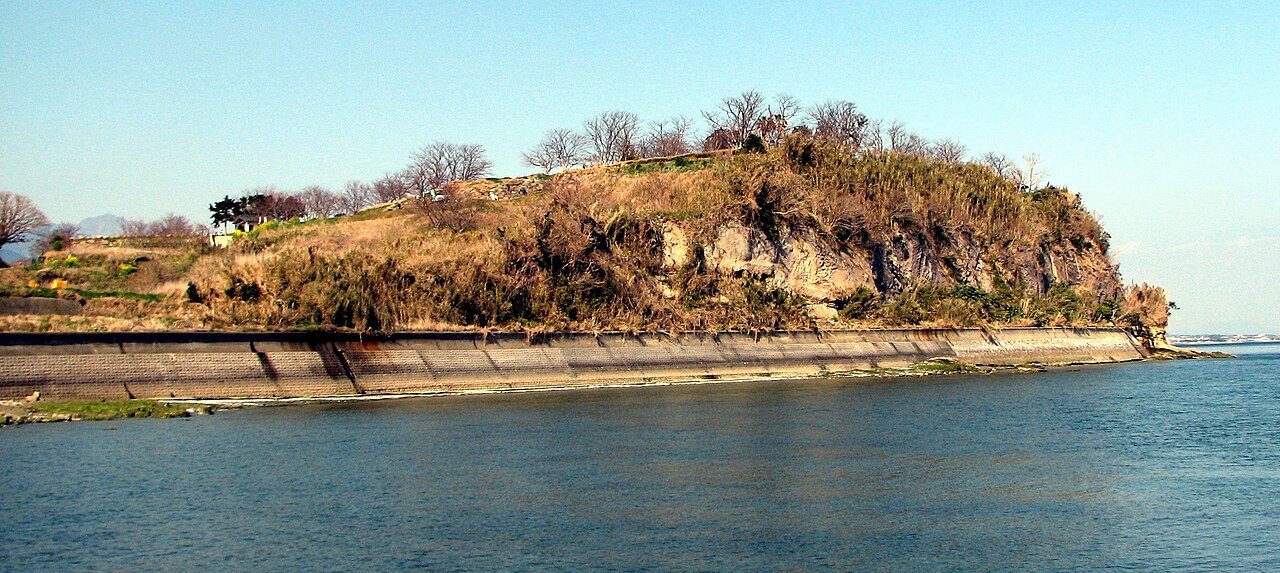
The castle is situated on a modest hill, which provided natural defensive advantages typical of hill castles in Japan. Its strategic location allowed control over surrounding lands and important trade routes, contributing to its military and administrative significance. The castle's design reflects the transitional architectural styles of late medieval Japan, incorporating both traditional fortification elements and adaptations to the evolving warfare tactics of the period.
Historical background and significance
Built amid the turbulent Sengoku era, Kushima Castle was originally established by the Ōmura clan, a powerful samurai family that governed the region. The castle served as the clan's main stronghold and administrative center. The Ōmura clan was notable for its early adoption of Christianity in Japan, which influenced the cultural and religious landscape of the area surrounding the castle.
Throughout its history, Kushima Castle witnessed several conflicts and power shifts, including involvement in the regional battles that shaped Kyushu's political landscape. The castle's control was crucial for maintaining dominance over the Nagasaki area and for protecting the clan's interests against rival factions.
Architectural features and layout
Defensive structures
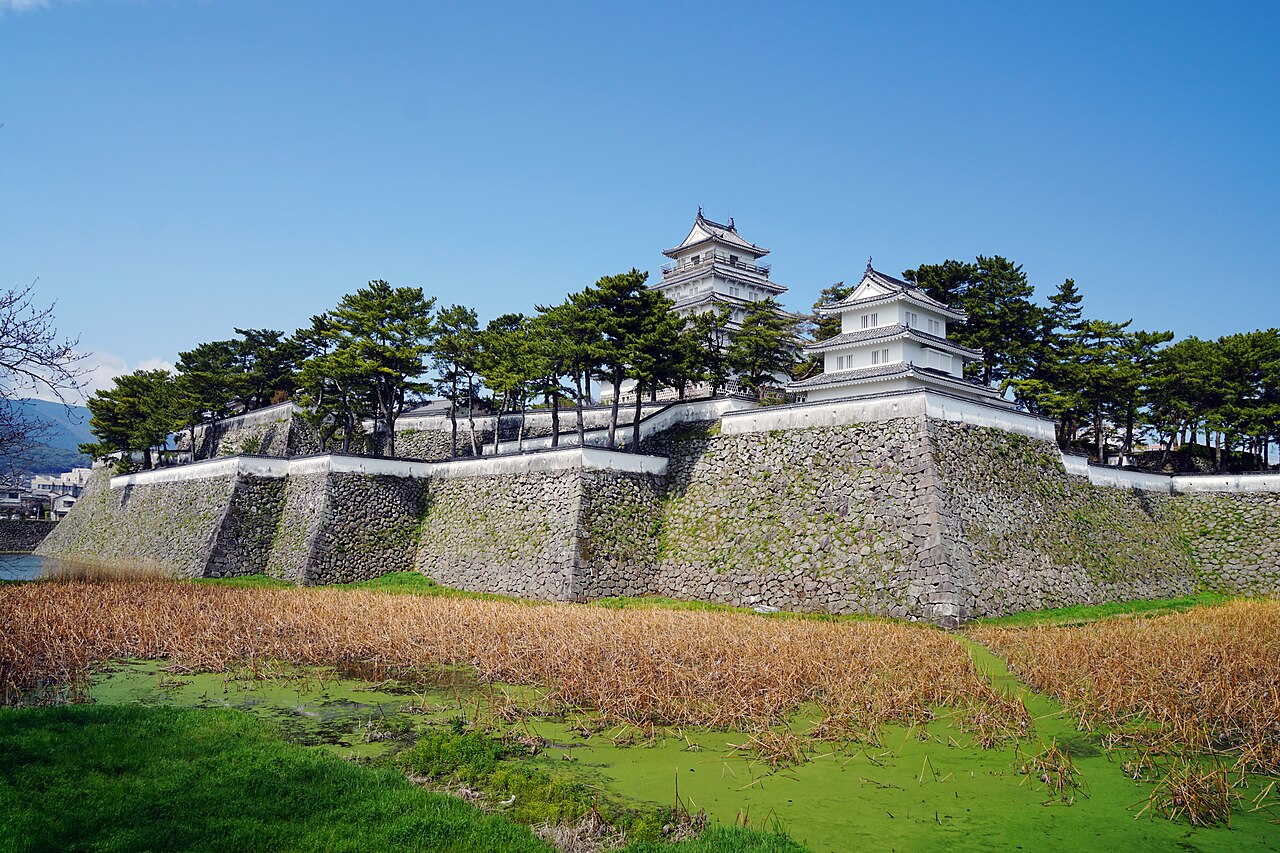
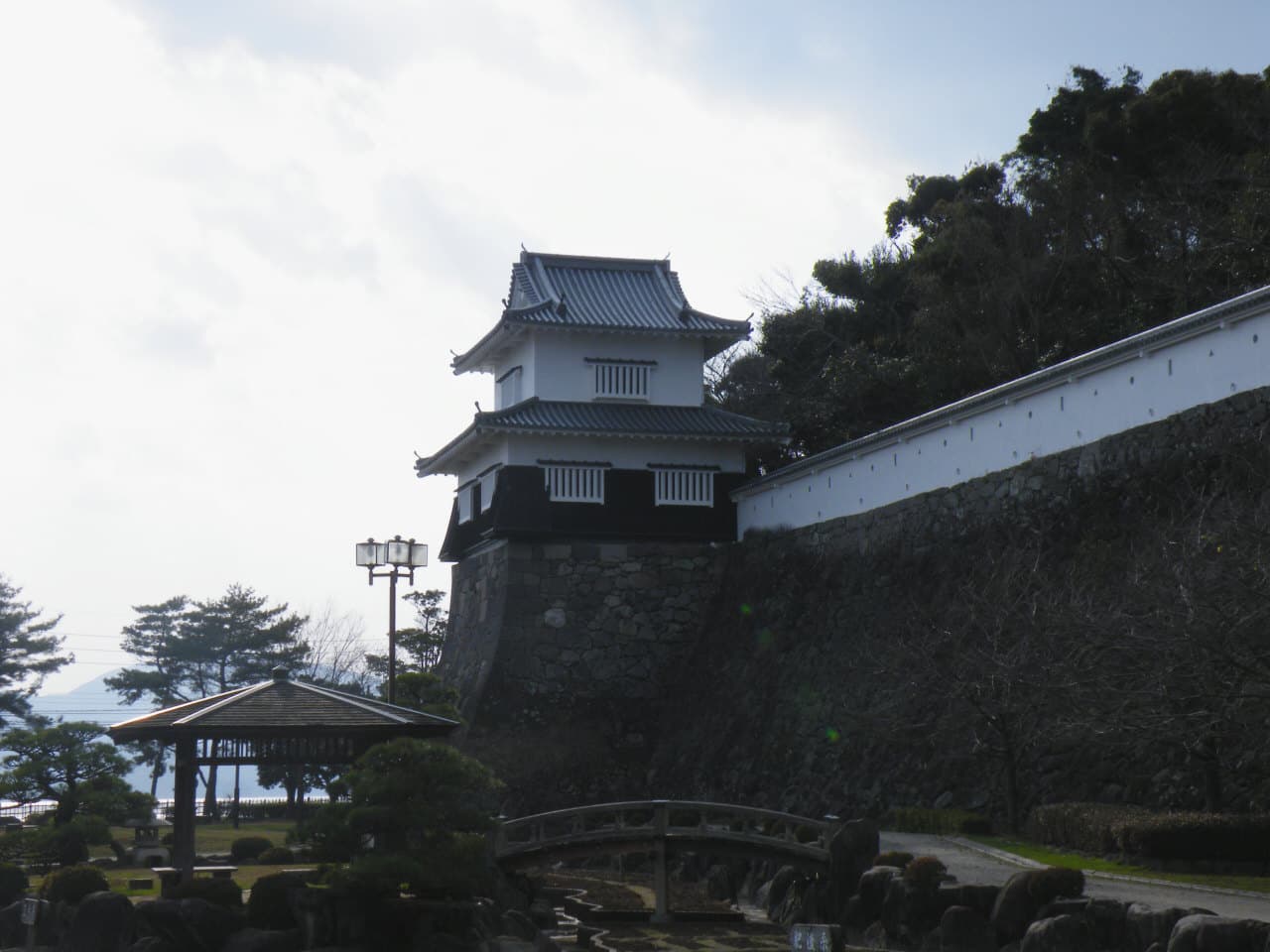
Kushima Castle's fortifications include traditional stone walls and earthen ramparts, designed to resist siege warfare. The castle's main keep (tenshu) was likely constructed with wooden frameworks atop stone bases, a common feature in Japanese castles of the era. Defensive gates and moats further enhanced its security, although the moats were often adapted to the natural topography rather than being extensive water-filled ditches.
Castle grounds and buildings
The castle complex included various functional buildings such as residential quarters for the lord and retainers, storehouses for arms and supplies, and administrative offices. The layout was organized to facilitate both defense and governance, with courtyards and pathways designed to control movement within the castle grounds.
Cultural and heritage importance
Today, Kushima Castle is recognized for its historical value as a representative example of a 16th-century Japanese hill castle. Although much of the original structure has not survived intact, the site remains an important cultural heritage location. Archaeological efforts and preservation initiatives have helped protect the castle ruins, allowing visitors to appreciate its historical context and architectural remnants.
The castle also serves as a reminder of the Ōmura clan's role in Japanese history, particularly their early Christian influence and regional governance during a formative period in Japan's feudal era.
Visiting kushima castle
Visitors to Kushima Castle can explore the castle grounds and enjoy panoramic views of the surrounding Nagasaki countryside. Informational signage and guided tours provide insights into the castle's history, architecture, and the Ōmura clan's legacy. The site is accessible year-round, offering a valuable experience for those interested in Japanese history and castle architecture.
Frequently asked questions (FAQ)
- How do I get to Kushima Castle?
- Kushima Castle is located in Ōmura, Japan, and can be easily accessed by public transportation. Visitors can take a train to Ōmura Station and then use local bus services or taxis to reach the castle.
- What is the historical significance of Kushima Castle?
- Kushima Castle was built in the early 17th century and served as a strategic military stronghold during the Edo period. Its historical importance lies in its role in regional power dynamics and its connection to the samurai class in Japan.
- When was Kushima Castle built?
- Kushima Castle was constructed in 1601 under the rule of the Matsura clan. The castle has undergone various renovations and restorations over the years, preserving its historical architecture.
- Can I take guided tours of Kushima Castle?
- Yes, guided tours are available at Kushima Castle, providing visitors with in-depth information about its history and architecture. These tours typically include access to key areas of the castle and are led by knowledgeable local guides.
- Why is the architecture of Kushima Castle unique?
- The architecture of Kushima Castle is notable for its blend of traditional Japanese castle design with influences from Western fortification styles. This unique combination showcases the adaptation of Japanese architecture during the Edo period.
- Is it possible to visit Kushima Castle year-round?
- Yes, Kushima Castle is open to visitors year-round, although certain facilities may have limited access during winter months. It’s advisable to check the castle's official website for any seasonal changes to hours or accessibility.
- What are the opening hours for Kushima Castle?
- Kushima Castle is generally open from 9 AM to 5 PM, but hours may vary depending on the season or special events. It's recommended to verify the current opening hours before your visit.
- What are the ticket prices for visiting Kushima Castle?
- Admission to Kushima Castle is usually quite affordable, with ticket prices typically around 500 yen for adults and discounts available for students and seniors. Special rates may apply for group visits, so it's best to inquire in advance.
- What is the best time to visit Kushima Castle?
- The best time to visit Kushima Castle is during the spring months of March to May when cherry blossoms bloom, creating a picturesque setting. Autumn, from September to November, also offers stunning foliage and pleasant weather.
- Are there any nearby attractions to Kushima Castle?
- Yes, nearby attractions include the Ōmura Park and the Matsura Historical Museum, both of which offer additional insights into the region's history and culture. Visitors can also enjoy scenic views along the coastline and various hiking trails in the area.
Photo gallery

Information
Loading map...
Visitor reviews
No reviews yet. Been here? Write the first review and help other travelers!
Write the first reviewVisited this castle? Share your experience
Your review helps other travelers and adds first-hand knowledge to our encyclopedia.