Hinoe Castle
Hinoe Castle (日野江城, Hinoe-jō) stands as a significant archaeological site representing the turbulent Sengoku period of Japanese history. Located in the Kita-Arima neighbourhood of Minamishimabara city in Nagasaki Prefecture, this castle's ruins offer valuable insight into medieval Japanese fortifications and regional power struggles. Its designation as a National Historic Site of Japan in 1972 underscores its cultural and historical importance.
Constructed in the 13th century, Hinoe Castle was originally built during the high medieval period, a time marked by the rise of feudal lords and frequent military conflicts. The castle's strategic location in Kyushu, an island known for its active role in the Sengoku era, made it a crucial stronghold for local samurai clans. Although now in a state of ruins, the remnants of its defensive structures reveal the typical architectural features of Japanese castles of that era.
Historical context and significance
Hinoe Castle played a vital role during the Sengoku period (mid-15th to early 17th century), a time of near-constant warfare among competing daimyo (feudal lords) seeking to expand their territories. The castle was controlled by the Arima clan, a powerful family influential in the region. The Arima were notable for their early adoption of Christianity after contact with Portuguese missionaries, which influenced the cultural and political landscape around Hinoe Castle.
The castle's location near the coast of Nagasaki Prefecture also positioned it as a key point for trade and defense against foreign incursions. Its destruction and eventual decline were tied to the shifting power dynamics of the late Sengoku and early Edo periods, as the Tokugawa shogunate centralized authority and many regional castles lost military relevance.
Architectural features and layout
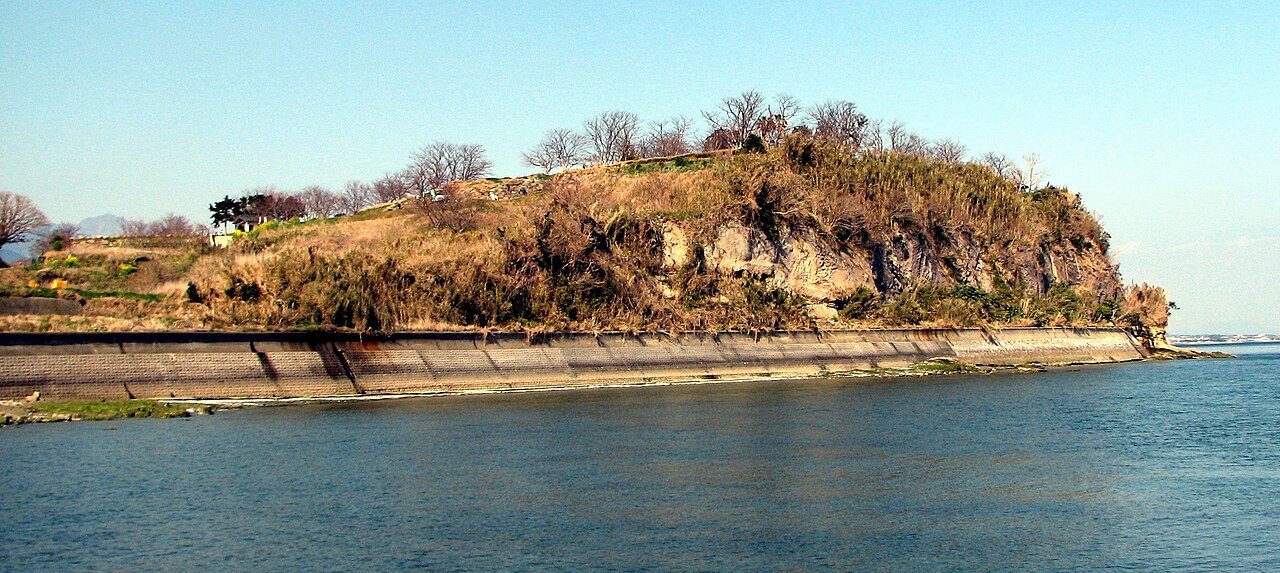
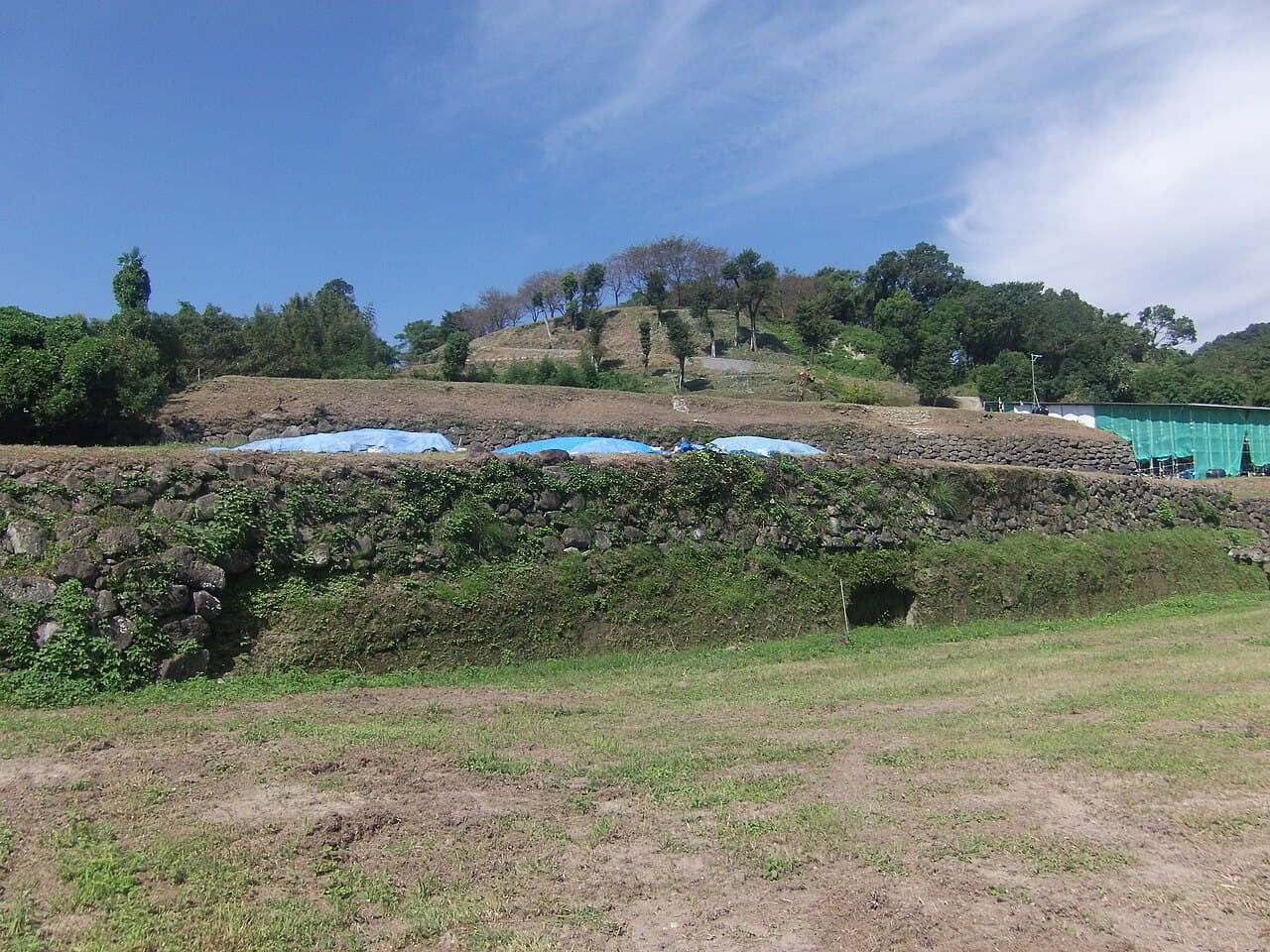
Although much of Hinoe Castle lies in ruins today, archaeological excavations have uncovered foundational stone walls, earthworks, and traces of moats that once fortified the site. The castle was built primarily with stone bases supporting wooden structures, a common design in Japanese castles to resist siege and natural disasters.
The castle's layout likely included multiple baileys (courtyards) separated by defensive walls, with a main keep (tenshu) that served as the command center. The presence of stone ramparts and terraced levels suggests a design adapted to the hilly terrain, maximizing natural defenses. Defensive features such as narrow gates and watchtowers would have been integral to the castle's fortifications.
Defensive structures
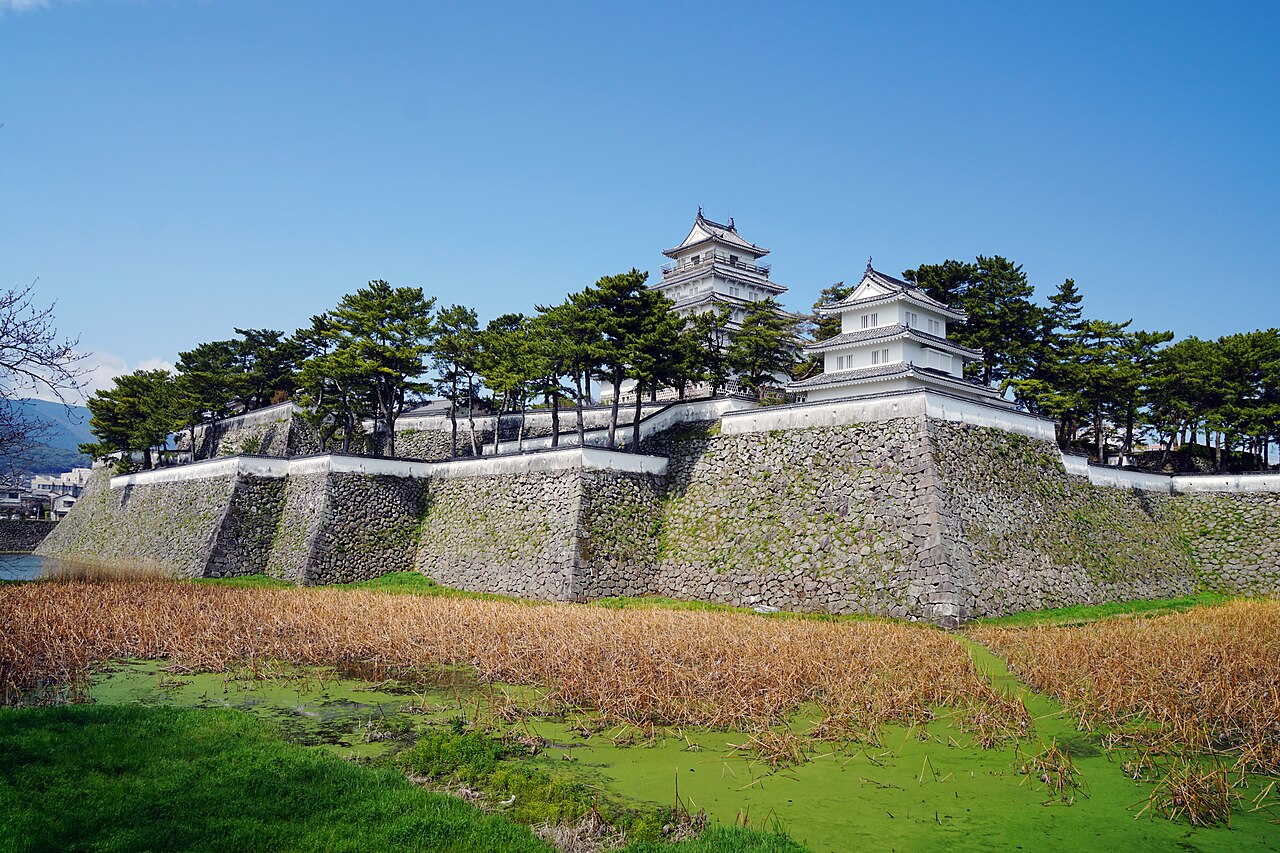
Excavations have revealed remnants of stone walls and moats that surrounded the castle, designed to impede enemy advances. The walls were constructed using the traditional Japanese technique of fitting irregular stones tightly without mortar, known as nozurazumi. This method provided both strength and flexibility against earthquakes.
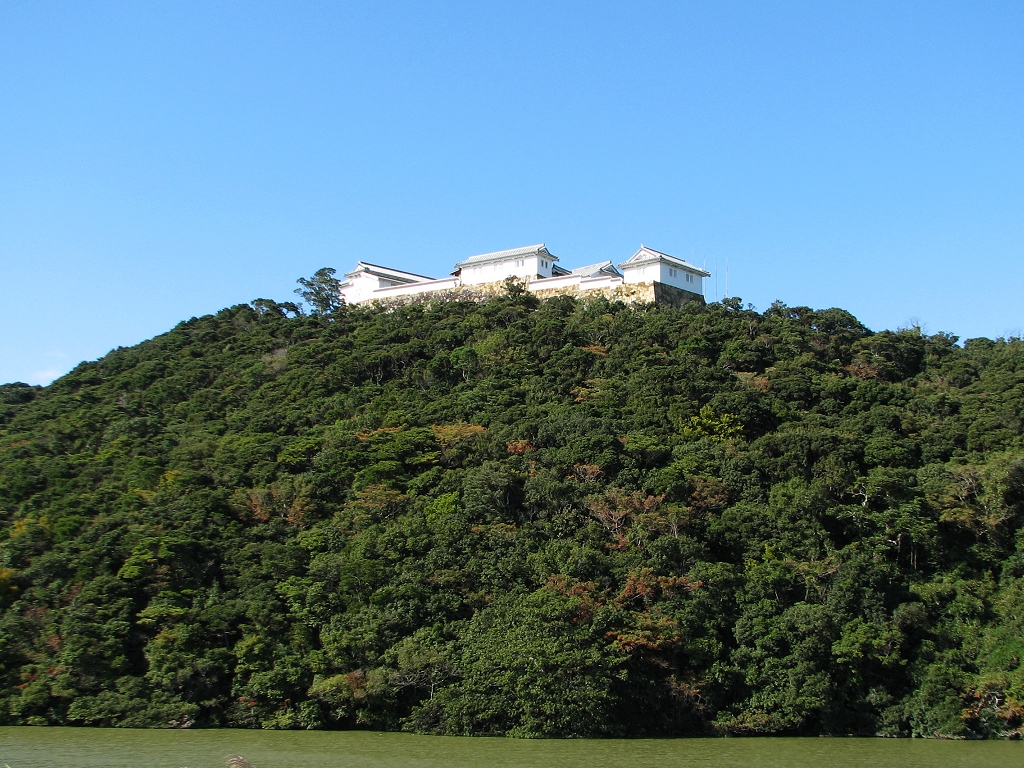
The castle's elevated position allowed defenders to monitor approaching forces and control access routes. The use of natural terrain features, combined with man-made fortifications, exemplifies the strategic military architecture of the period.
Archaeological discoveries and preservation
Since its designation as a National Historic Site, archaeological excavations at Hinoe Castle have provided valuable information about Sengoku period castle construction and the lifestyle of its inhabitants. Artifacts such as ceramics, weapons, and everyday items have been uncovered, offering a glimpse into the social and military aspects of the castle's history.
Preservation efforts focus on maintaining the ruins and providing educational resources for visitors. Interpretive signage and guided tours help contextualize the site within Japan's feudal past. Despite the castle's ruined state, it remains an important cultural landmark reflecting the complex history of Nagasaki Prefecture and Kyushu.
Visiting Hinoe Castle today
Visitors to Hinoe Castle can explore the ruins and surrounding landscape, which evoke the atmosphere of medieval Japan. The site is accessible from Minamishimabara city and offers a quiet setting for those interested in Japanese history and archaeology.
While there are no extensive reconstructed buildings, the stone foundations and earthworks provide a tangible connection to the past. The castle's location in Nagasaki Prefecture also allows visitors to combine their trip with other historical sites and cultural attractions in the region.
Frequently asked questions (FAQ)
- What is the historical significance of Hinoe Castle?
- Hinoe Castle was a key stronghold during Japan's Sengoku period, controlled by the Arima clan, and played a role in regional defense and trade in Nagasaki Prefecture.
- Can I visit the ruins of Hinoe Castle today?
- Yes, visitors can explore the ruins and surrounding grounds of Hinoe Castle, located in Minamishimabara city, Nagasaki Prefecture. The site offers insight into medieval Japanese castle architecture.
- When was Hinoe Castle built?
- Hinoe Castle was constructed in the 13th century during Japan's high medieval period, reflecting typical Sengoku era fortification styles.
- What architectural features are visible at Hinoe Castle?
- Visitors can see remnants of stone walls, moats, and earthworks that showcase the castle's defensive design adapted to the hilly terrain.
- Why is Hinoe Castle designated a National Historic Site?
- Its designation recognizes the castle's cultural and historical importance as a well-preserved example of Sengoku period fortifications and its association with the Arima clan.
Photo gallery

Information
Current owner
Municipality
Loading map...
Visitor reviews
No reviews yet. Been here? Write the first review and help other travelers!
Write the first reviewVisited this castle? Share your experience
Your review helps other travelers and adds first-hand knowledge to our encyclopedia.