Toddington Castle
Toddington Castle stands as a significant example of early Norman military architecture in England, located in the village of Toddington. Built originally as a motte-and-bailey castle during the Norman consolidation of power following the 1066 conquest, it exemplifies the typical defensive strategy of the period, utilizing an artificial earth mound to gain a height advantage over the surrounding landscape. This castle's origins date back to before the 13th century, reflecting the widespread Norman practice of constructing timber fortifications that could be rapidly erected to establish control over newly acquired territories.
The initial construction of Toddington Castle featured a timber keep atop a substantial earthen motte, surrounded by a defensive moat. This design was characteristic of early Norman castles, serving both military and administrative functions within the feudal system. Over time, the castle underwent a transition from timber to stone construction, indicating an evolution toward permanence and enhanced defense. Although no stone structures remain visible today, historical documentation confirms this phase of rebuilding, reflecting the castle's sustained strategic relevance during the medieval period.
Historical context and ownership
The castle was held by Sir Paulinus Pegure, also known as Paul Pever, under a lease from Roger Bigod, 2nd Earl of Norfolk, a prominent Anglo-Norman noble. This connection situates Toddington Castle firmly within the feudal hierarchy of medieval England, highlighting its role as a manorial stronghold and administrative center. The castle's history is intertwined with the broader political and social developments of the Norman and later medieval periods, serving as a symbol of lordly authority and territorial control.
Architectural features and earthworks
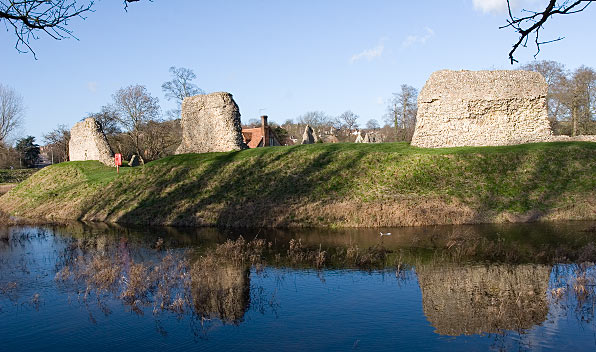
The most prominent surviving feature of Toddington Castle is its artificial motte, which rises approximately 18 feet above the base of the surrounding moat. The flat summit of the motte measures roughly 92 feet in diameter, providing a substantial platform that once supported the castle's keep and ancillary buildings. The motte is encircled by a clearly defined moat, which would have acted as a formidable obstacle to attackers and enhanced the defensibility of the site.
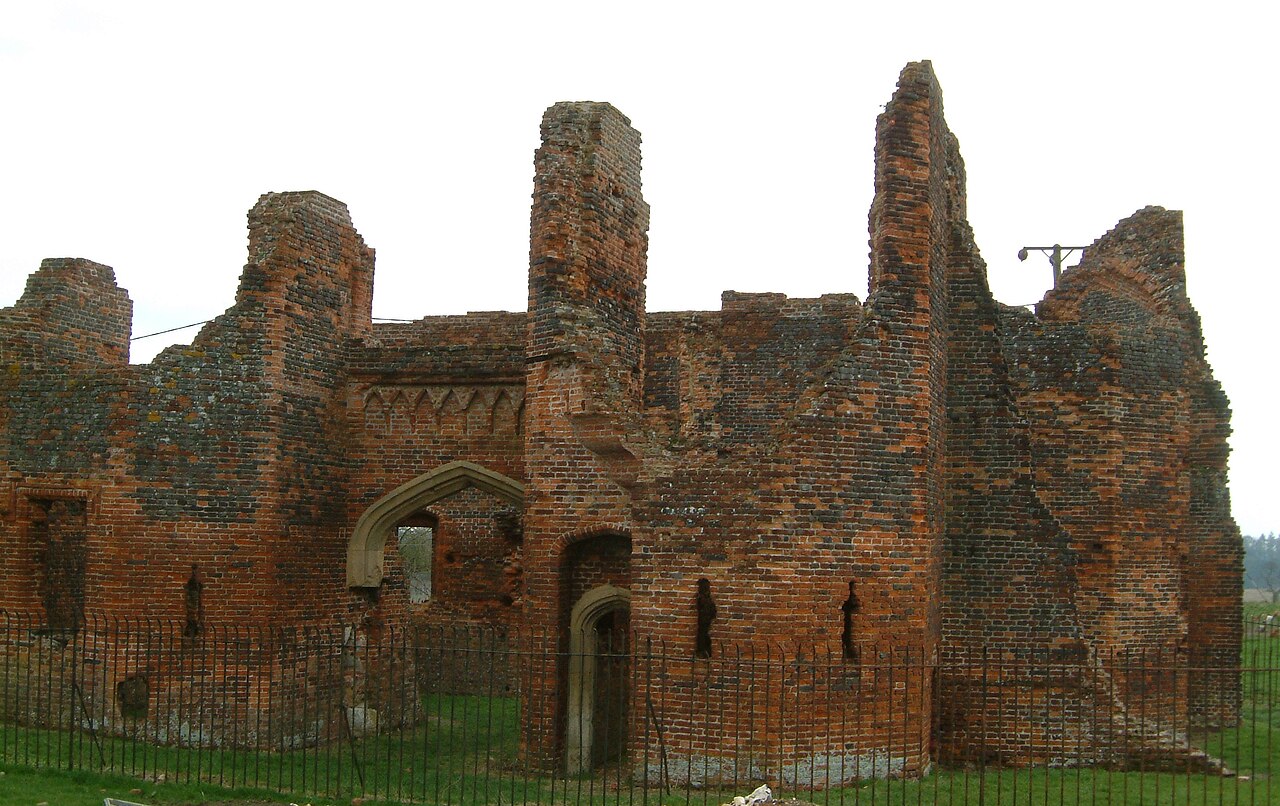
The castle's original timber structures have long since disappeared, and while stone rebuilding occurred, no visible remains survive. The earthen mound itself reflects the Norman technique of using raised platforms to elevate defensive buildings, maximizing visibility and protection. The moat and earthworks remain well-preserved, offering valuable insight into the castle's original layout and defensive strategy.
Later adaptations and cultural significance
By the 16th century, the castle's military function had ceased, and the motte was repurposed as a rabbit warren, a common practice in England where former fortifications were adapted for agricultural use. This change reflects the transformation of medieval castles from defensive structures into economic and social assets within the local landscape.
The site, also known historically as Conger Hill, carries a rich cultural legacy beyond its architectural remains. The name "Conger Hill" may derive from an ancient Celtic British term, suggesting the site's significance predates the Norman period. Local tradition links the motte to community festivities, notably a Shrove Tuesday custom where children listened for the sound of pancakes frying, a practice that faded in the 1970s but was revived in 2012. This tradition underscores the enduring place of Toddington Castle in local heritage and collective memory.
Preservation and modern status
Toddington Castle is classified as a Scheduled Monument, recognizing its importance as a medieval archaeological site and ensuring its protection under UK heritage laws. The well-preserved earthworks provide a tangible connection to England's Norman past and offer opportunities for education and public engagement with medieval history.
Despite the absence of standing stone structures, the site's motte and moat remain prominent landscape features, illustrating the typical Norman approach to castle construction. The preservation of these earthworks allows visitors and scholars alike to appreciate the strategic and architectural ingenuity of early medieval fortifications.
Visiting Toddington Castle
Today, Toddington Castle's earthworks can be explored by visitors interested in medieval history and Norman architecture. The site offers a peaceful rural setting where the impressive scale of the motte and surrounding moat can be appreciated. Interpretative materials and local historical societies contribute to understanding the castle's significance and its role within the broader narrative of England's feudal past.
Frequently asked questions (FAQ)
- What is the historical significance of Toddington Castle?
- Toddington Castle is a Norman motte-and-bailey castle dating back to before the 13th century, illustrating early Norman military architecture and feudal lordship in England.
- Can visitors see any original structures at Toddington Castle?
- No original timber or stone structures remain visible today; the primary feature is the well-preserved earthwork motte and surrounding moat.
- Why is the castle also known as Conger Hill?
- The name Conger Hill likely derives from an older Celtic British term, indicating the site's significance before Norman construction and its role in local cultural traditions.
- Is Toddington Castle protected as a heritage site?
- Yes, Toddington Castle is a Scheduled Monument, ensuring legal protection and preservation of its medieval earthworks.
- Are there any local traditions associated with Toddington Castle?
- Yes, a Shrove Tuesday pancake-frying custom linked to Conger Hill was historically observed and revived in 2012, reflecting the castle's place in local culture.
Information
Website
Visit websiteSources & official resources
Verify the information above using these authoritative references.
Loading map...
Visitor reviews
No reviews yet. Been here? Write the first review and help other travelers!
Write the first reviewVisited this castle? Share your experience
Your review helps other travelers and adds first-hand knowledge to our encyclopedia.