Cainhoe Castle
Cainhoe Castle stands as a significant example of a Norman motte and bailey fortress located in the village of Clophill, Bedfordshire, England. Established shortly after the Norman Conquest of 1066 by the Norman knight Nigel d’Aubigny, the castle played a crucial role in consolidating Norman control over the region. Its strategic position at 56 meters above sea level on relatively flat terrain allowed it to oversee the surrounding lands effectively, serving both military and administrative functions.
The Norman origins and early history
Built during the High Medieval period, Cainhoe Castle exemplifies the typical motte and bailey design favored by the Normans for rapid construction and effective defense. The castle featured a prominent raised motte—an artificial earth mound—surrounded by three baileys, which were enclosed courtyards used for residential, administrative, and defensive purposes. These baileys would have been protected by palisades and ditches, with wooden or possibly stone buildings within.
The castle served as the administrative center of the Barony of Cainhoe, held by the d’Aubigny family, who were prominent Norman nobles. The d’Aubignys were known for their participation in the Crusades, reflecting the martial and religious commitments of Norman aristocracy during the 11th and 12th centuries. Cainhoe Castle remained under their ownership until 1272, after which it passed to other notable families including the de Lacy, Norton, and Grey families, the latter being Earls of Kent.
Decline and abandonment after the Black Death
The castle was continuously occupied until the mid-14th century. However, the arrival of the Black Death in 1348 had a catastrophic impact on the local population. The plague caused the death of Cainhoe’s entire village population, leading to the abandonment of the castle and its surrounding settlement. By 1374, historical records indicate that Cainhoe Castle had fallen into ruin and was no longer used for residential or military purposes.
Architectural features and site layout
Cainhoe Castle’s motte and bailey architecture was typical of Norman military engineering. The central motte, still visible today as a raised earthwork, would have supported a wooden or stone keep that served as the last line of defense and the lord’s residence. Surrounding the motte were three baileys, each enclosed by earthworks and ditches, which contained various buildings such as barracks, stables, workshops, and administrative offices.
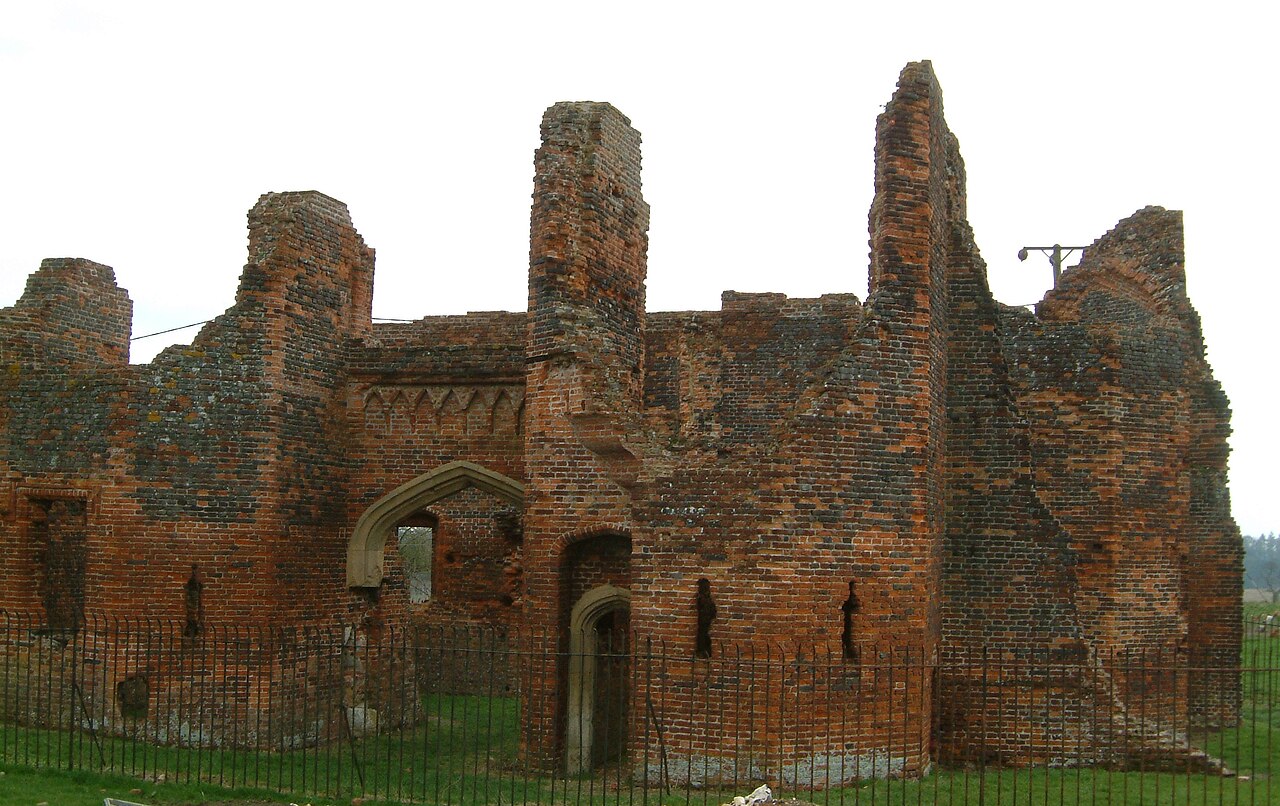
While no above-ground structures survive, the earthworks clearly delineate the castle’s original layout. The three baileys indicate a complex defensive arrangement, allowing for multiple layers of protection. The site’s flat terrain made the motte especially important for providing a commanding view of the area, compensating for the lack of natural elevation.
Archaeological investigations and preservation
During the 20th century, particularly in 1973, 1985, and 1986, archaeologists conducted excavations at Cainhoe Castle. These investigations helped to document the earthworks, confirm the castle’s structural design, and map the boundaries of the baileys. The findings have contributed to a better understanding of Norman military architecture and medieval settlement patterns in Bedfordshire.
Today, Cainhoe Castle is protected as a Scheduled Monument, ensuring the preservation of its earthworks and historical footprint. The site remains an important heritage asset that offers insights into Norman fortification techniques and the social history of the region during the medieval period.
Significance in medieval England
Cainhoe Castle exemplifies the rapid expansion of Norman fortifications following the conquest of England. Its design reflects the strategic military thinking of the Normans, combining defensible earthworks with administrative functions. The castle’s history is intertwined with notable noble families, including the d’Aubignys, who played a role in the Crusades, highlighting the interconnected nature of medieval European politics and warfare.
The abandonment of Cainhoe Castle following the Black Death is also a poignant reminder of the profound impact the plague had on rural communities and feudal structures in England. The castle’s decline illustrates the vulnerability of medieval settlements to demographic catastrophes and the shifting patterns of habitation and power in the late Middle Ages.
Frequently asked questions (FAQ)
- When was Cainhoe Castle built and by whom?
- Cainhoe Castle was built shortly after the Norman Conquest of 1066 by the Norman knight Nigel d’Aubigny as a motte and bailey fortress.
- What is the architectural style of Cainhoe Castle?
- Cainhoe Castle features a typical Norman motte and bailey design, characterized by a raised earthwork motte and enclosed baileys for defense and administration.
- Why was Cainhoe Castle abandoned?
- The castle was abandoned after the Black Death in 1348 devastated the local population, leading to the desertion of both the castle and the surrounding village.
- Are there any visible remains of Cainhoe Castle today?
- Today, only the earthworks remain visible, including the raised motte and outlines of the three baileys, with no surviving above-ground structures.
- Is Cainhoe Castle protected or preserved?
- Cainhoe Castle is a Scheduled Monument, protected to preserve its earthworks and archaeological significance for future generations.
Information
Website
Visit websiteSources & official resources
Verify the information above using these authoritative references.
Loading map...
Visitor reviews
No reviews yet. Been here? Write the first review and help other travelers!
Write the first reviewVisited this castle? Share your experience
Your review helps other travelers and adds first-hand knowledge to our encyclopedia.