Toba Castle
Toba Castle (鳥羽城, Toba-jō) is a historic Japanese castle located in Toba city, within Mie Prefecture, Japan. Its origins trace back to the 16th century, during Japan's Sengoku period, a time marked by constant military conflict and territorial disputes. The castle is famously nicknamed the Floating Castle of Toba (鳥羽の浮城, Toba-no-uki-jō) due to its unique location and design that gave it the appearance of floating on water. It is also known as the Two-color Castle (二色城, Nishoku-jō), a name derived from the distinctive painting of its walls—the seaward side painted black and the landward side painted white.
Historical significance and role in the Edo period
During the Edo period (1603–1868), Toba Castle served as the administrative center of the Toba Domain, a feudal domain within Shima Province governed under the Tokugawa shogunate. The castle was the residence of the ruling daimyo and the seat of local government, overseeing the domain's political, economic, and military affairs. Its strategic coastal position allowed control over maritime routes and contributed to regional stability.
Architectural features and layout
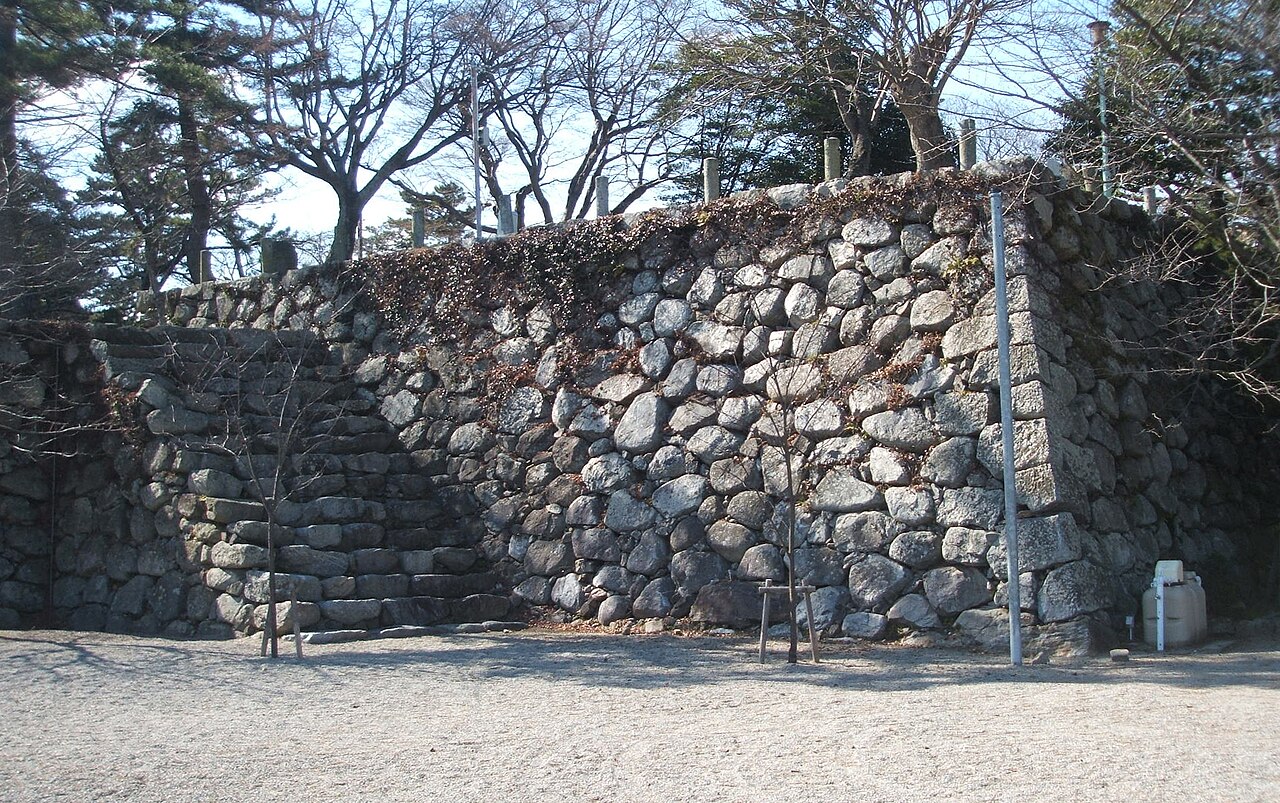
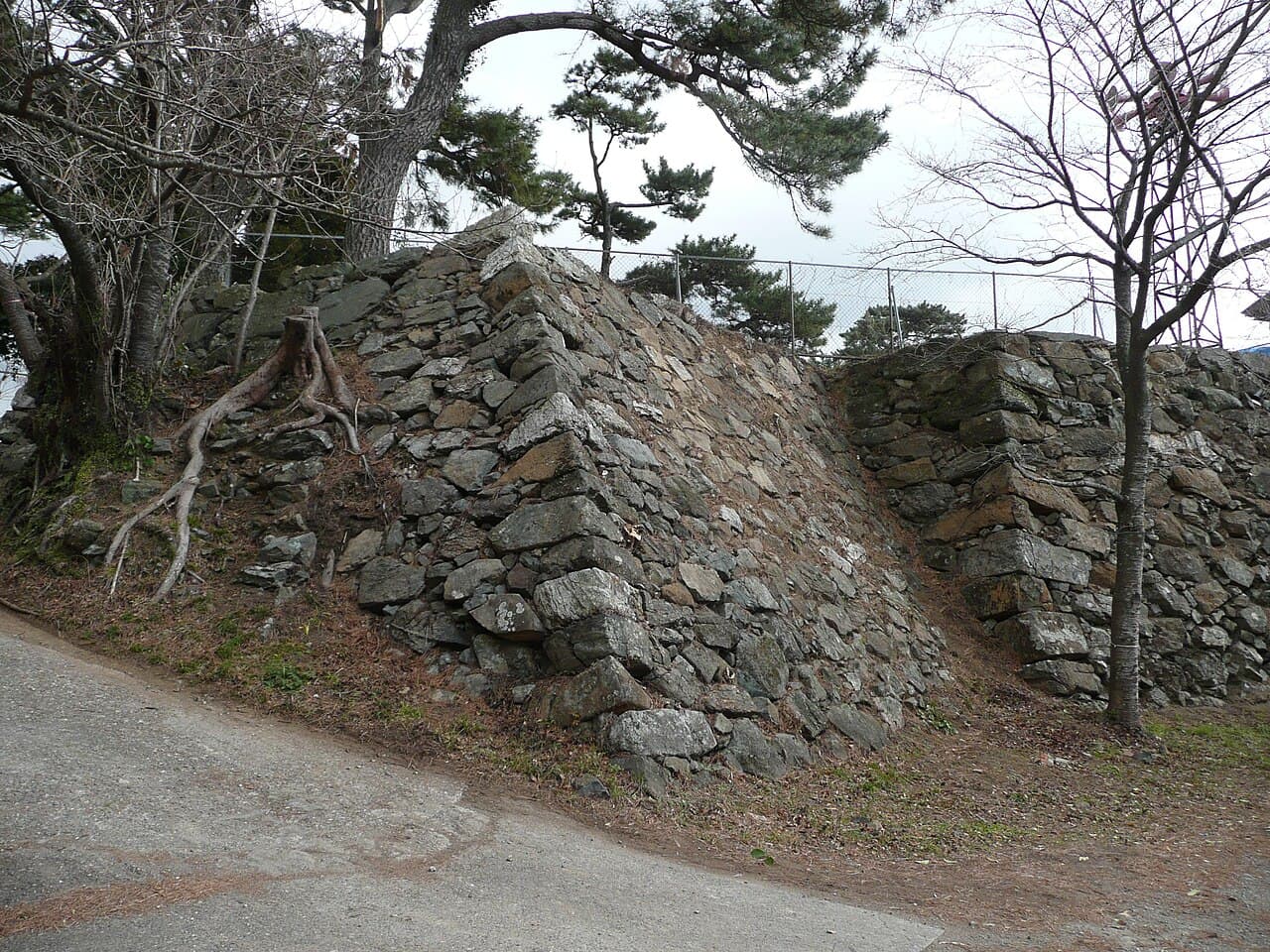
Toba Castle was a water castle (mizuki), constructed with extensive use of moats and seawater, which enhanced its defensive capabilities. The castle's location on the coast allowed it to utilize natural water defenses, making it difficult to assault by land or sea. The castle complex included multiple baileys surrounded by stone walls and moats filled with seawater, with the main keep positioned to oversee both the landward and seaward approaches.
Unique color scheme and design
The castle's distinctive two-tone color scheme was both symbolic and practical. The seaward walls were painted black, which helped blend the castle into the dark waters during nighttime, while the landward walls were painted white, making the castle visually prominent against the landscape. This dual coloring contributed to its nickname and is a rare example of such aesthetic consideration in Japanese castle design.
Defensive structures
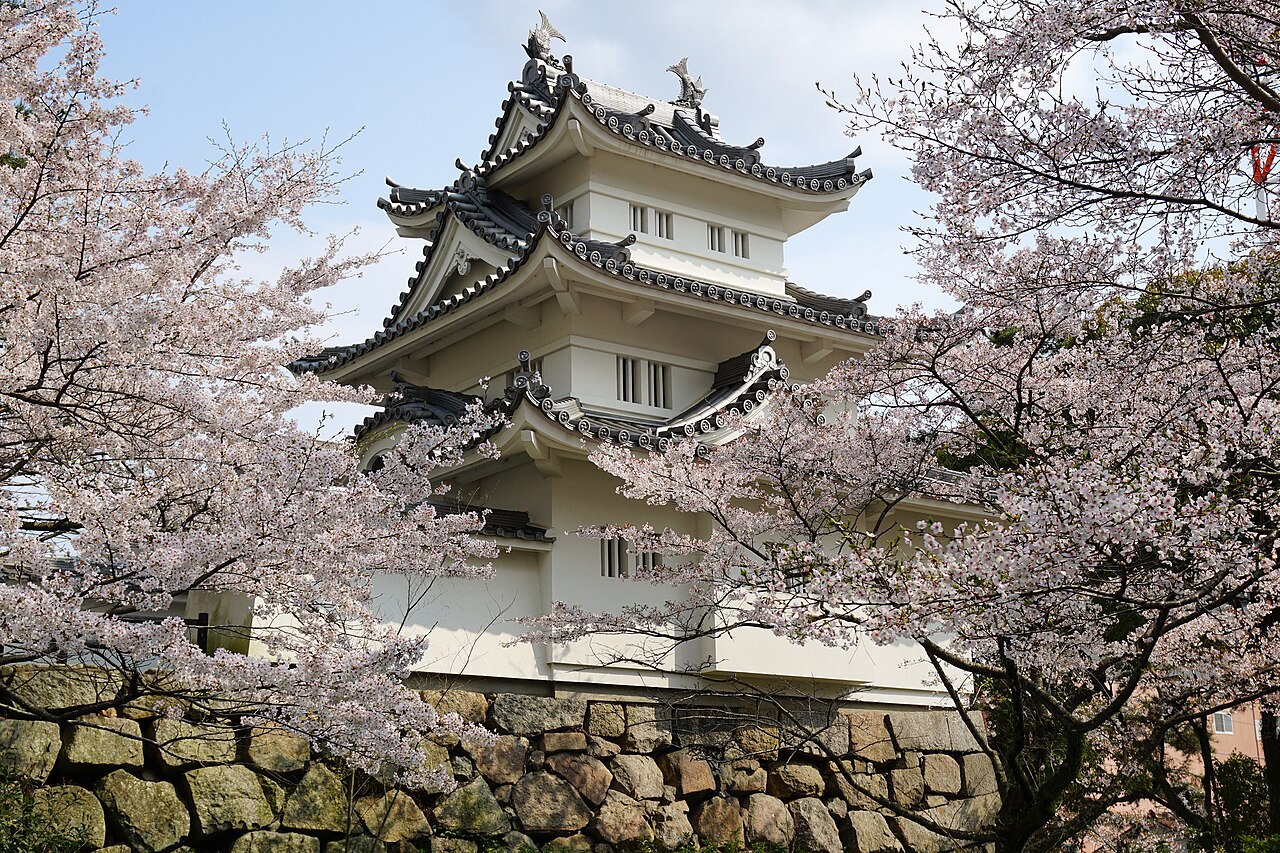
The castle featured multiple stone walls, gates, and battlements designed to repel attackers. Its moats were connected directly to the sea, allowing fresh seawater to flow through and preventing stagnation. The layout included narrow corridors and strategically placed watchtowers to maximize surveillance and defense.
Decline and current state
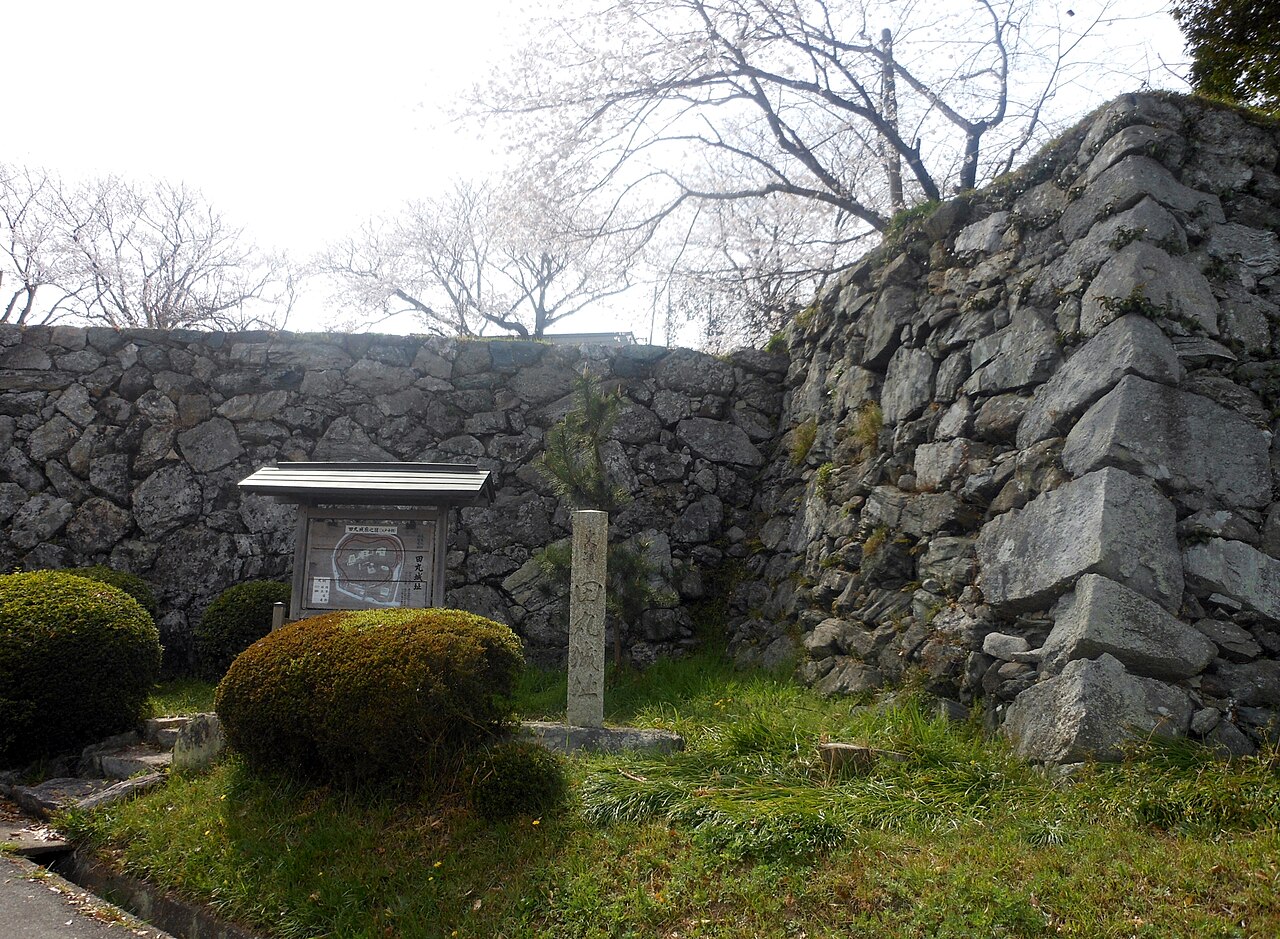
Following the Meiji Restoration in the late 19th century, many Japanese castles were dismantled or fell into ruin as feudal domains were abolished. Toba Castle was largely demolished, and today it remains as archaeological ruins. The site preserves remnants of its stone walls and moats, offering valuable insight into Japanese castle construction and feudal history.
In 1965, the castle site was designated a Mie Prefectural Historic Site, recognizing its cultural and historical importance. Archaeological excavations and preservation efforts have been undertaken to protect the ruins and educate visitors about the castle's past.
Visiting Toba Castle today
While the castle no longer stands in its original form, the ruins are accessible to the public and provide a scenic location for visitors interested in Japanese history and architecture. The site offers views of the surrounding city and sea, connecting visitors with the castle's maritime heritage. Informational plaques and guided tours help explain the castle's significance and features.
Nearby attractions
The castle's location in Toba city places it near other notable sites such as the Toba Aquarium and Ago Bay, enhancing its appeal to tourists exploring the region.
Legacy of Toba Castle
Toba Castle remains an important symbol of Japan's feudal era and maritime defense strategies. Its distinctive design and historical role continue to attract scholars and visitors alike, contributing to the understanding of regional governance during the Edo period and the architectural evolution of coastal castles in Japan.
Frequently asked questions (FAQ)
- What is the historical significance of Toba Castle?
- Toba Castle, built in the early 17th century, played a crucial role during the Edo period as a fortification and a symbol of power in the region. It was strategically located to oversee maritime routes, reflecting the importance of trade and defense in Japan's history.
- When was Toba Castle built?
- Toba Castle was constructed in 1610 by the Matsudaira clan and completed in 1615. Although the original structure has been lost over time, the site remains a significant historical landmark in Toba.
- What are the opening hours for Toba Castle?
- Toba Castle is open to visitors daily from 9:00 AM to 5:00 PM. However, it's advisable to check for any seasonal changes or special events that may affect these hours.
- Can I access Toba Castle by public transportation?
- Yes, Toba Castle is accessible via public transportation. Visitors can take a train to Toba Station and then a short bus ride or a scenic walk to reach the castle.
- Is it possible to explore the interior of Toba Castle?
- While the original castle structure no longer stands, visitors can explore the castle grounds and enjoy the scenic views from the hilltop. Interpretative displays provide insights into the castle's history and significance.
- What is the best time to visit Toba Castle?
- The best time to visit Toba Castle is during spring (March to May) when cherry blossoms bloom, and autumn (September to November) for the stunning fall foliage. These seasons enhance the beauty of the surroundings and offer a picturesque backdrop for photography.
- Are there any nearby attractions to Toba Castle?
- Yes, nearby attractions include the Toba Aquarium and Mikimoto Pearl Island, both offering unique experiences related to marine life and pearl cultivation. These sites make for a well-rounded visit to the Toba area.
- What are the ticket prices for Toba Castle?
- Admission to Toba Castle is generally affordable, with ticket prices around 500 yen for adults and discounted rates for children and seniors. Check their official website for any updates or special promotions.

Information
Loading map...
Visitor reviews
No reviews yet. Been here? Write the first review and help other travelers!
Write the first reviewVisited this castle? Share your experience
Your review helps other travelers and adds first-hand knowledge to our encyclopedia.