Tintagel Dark Age Settlement
Tintagel Dark Age settlement, located on the rugged coast of Cornwall in England, offers a fascinating glimpse into early medieval Britain. While the nearby Tintagel Castle ruins largely date from the 13th century, the site itself was a significant center of activity during the Dark Ages, specifically from the 5th to 7th centuries AD. This period saw Tintagel as a fortified settlement and a vibrant community, playing a crucial role in the region historically known as Dumnonia.
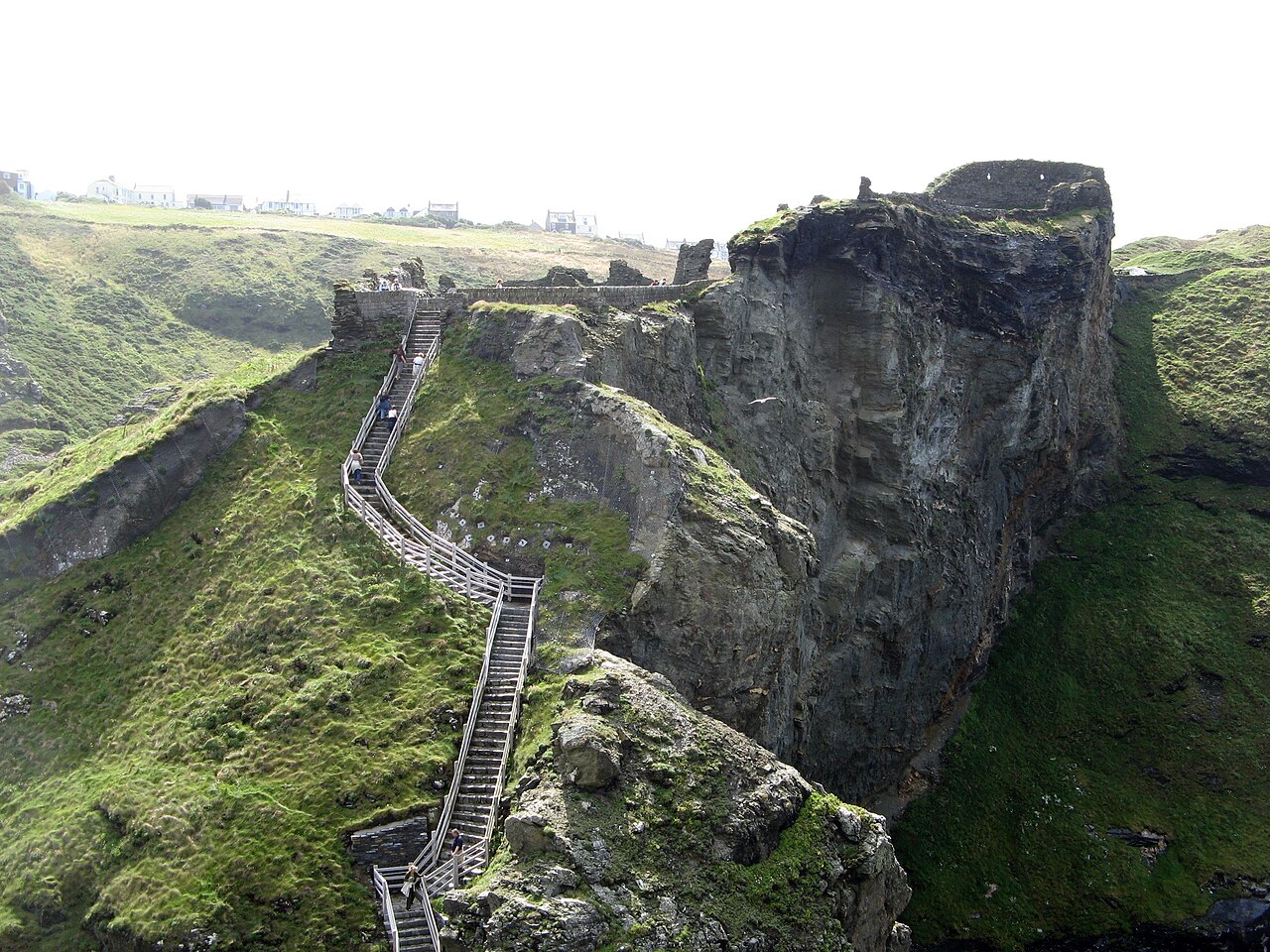
The settlement’s strategic position on a rocky promontory, connected to the mainland by a narrow footbridge, provided natural defenses that made it a formidable stronghold. Archaeological excavations have revealed evidence of extensive occupation, including the remains of buildings, fortifications, and artifacts that point to a complex social and economic structure. Far from being a mere military outpost, Tintagel was a bustling hub with significant trade connections, particularly with the Mediterranean world.
Early medieval context and historical significance
The period following the Roman withdrawal from Britain around the early 5th century was marked by political fragmentation and the rise of local kingdoms. Tintagel emerged as a key site within the kingdom of Dumnonia, which covered much of modern-day Cornwall and Devon. The settlement’s prominence during this time is underscored by the scale and quality of archaeological finds, including imported Mediterranean pottery and glassware.
The presence of such luxury items indicates that Tintagel was not isolated but actively engaged in long-distance trade. It is believed that the community exported tin, a valuable resource abundant in Cornwall, to Mediterranean markets. This trade would have brought wealth and status to Tintagel, supporting a thriving local industry and a socially complex settlement.
Archaeological discoveries and site layout
Excavations at Tintagel have uncovered a range of structural remains that provide insight into the settlement’s layout and daily life. These include stone foundations of buildings, defensive walls, and evidence of industrial activity such as metalworking. The architecture reflects a blend of local building traditions and influences from wider Britain and beyond.
The site’s defensive features, including the natural isolation of the promontory and man-made fortifications, highlight its importance as a stronghold. The narrow footbridge connecting Tintagel to the mainland would have been a critical point of access, easily defensible against attackers.
Trade and cultural connections
One of the most remarkable aspects of Tintagel is the extensive evidence of trade with the Mediterranean. Archaeologists have found fragments of fine Mediterranean pottery and glassware, the largest concentration of such imports in Western Britain. These artifacts suggest that Tintagel’s inhabitants had access to luxury goods and were part of a wider network of exchange across Europe and the Mediterranean basin.
This trade network would have been supported by the export of tin, an essential metal for making bronze and later for other uses. Cornwall’s tin mines were among the most important in Europe during the early medieval period, and Tintagel’s role as a trading port helped link this resource to distant markets.
Legendary associations and cultural heritage
Tintagel is famously linked to the legendary figure of King Arthur. Medieval stories and later romantic literature have identified the site as Arthur’s birthplace, adding a layer of myth and cultural significance to its historical importance. While there is no definitive archaeological evidence to confirm this legend, the association has contributed to Tintagel’s enduring fascination and its status as a symbol of British heritage.
The blending of historical fact and legend has made Tintagel a popular destination for visitors interested in both archaeology and Arthurian lore. The site’s dramatic coastal setting and evocative ruins continue to inspire imagination and scholarly inquiry alike.
Preservation and public access
Today, Tintagel Dark Age settlement is managed as an important archaeological site. The remains are partially preserved, with ongoing efforts to protect and interpret the site for visitors. Access to the settlement involves crossing the iconic narrow footbridge, which adds to the experience of visiting this evocative location.
The site is open to the public, with informational displays and guided tours available to enhance understanding of its historical and cultural context. Tintagel remains a key destination for those interested in early medieval history, archaeology, and the enduring legends of Britain.
Frequently asked questions (FAQ)
- How do I get to Tintagel Dark Age Settlement?
- Tintagel Dark Age Settlement is located in Tintagel, Cornwall, accessible by car, bus, or train. The nearest train station is Bodmin Parkway, from where you can take a bus or taxi to Tintagel. There are also designated parking areas nearby for those traveling by car.
- What is the historical significance of Tintagel Dark Age Settlement?
- Tintagel Dark Age Settlement is renowned for its association with the legendary King Arthur and is believed to be the site of a significant early medieval settlement. Archaeological findings suggest it was a major trading hub in the 5th and 6th centuries. The castle ruins, along with the stunning coastal views, provide insight into the region's rich history.
- When was Tintagel Dark Age Settlement built?
- The settlement dates back to the late 4th century and was most prominent during the Dark Ages. It continued to thrive until the 7th century, showcasing the area's importance during this period. The ruins you see today reflect centuries of history and development.
- Can I visit Tintagel Dark Age Settlement year-round?
- Yes, Tintagel Dark Age Settlement is open to visitors throughout the year, though specific areas may have seasonal restrictions. It's advisable to check the official website for any updates on accessibility or closures due to weather conditions. Planning your visit in advance ensures you have the best experience.
- Why is Tintagel Dark Age Settlement a popular tourist destination?
- Tintagel Dark Age Settlement is popular due to its captivating history and stunning coastal scenery. Visitors are drawn to the legends of King Arthur and the beautiful landscapes that surround the site. The combination of history, mythology, and breathtaking views makes it a must-visit location in Cornwall.
- Is it possible to access the ruins if I have mobility issues?
- While the site strives to be accessible, the rugged terrain and uneven paths can pose challenges for visitors with mobility issues. There are some areas that may be difficult to navigate, but there are accessible routes and facilities available. It is recommended to contact the site in advance for detailed accessibility information.
- What are the opening hours for Tintagel Dark Age Settlement?
- Tintagel Dark Age Settlement typically opens at 10:00 AM and closes at 5:00 PM, with extended hours during the peak summer months. However, these hours can vary depending on the season and special events. It’s best to check the official website for the most accurate and current hours before your visit.
- Are there ticket prices for visiting Tintagel Dark Age Settlement?
- Yes, there is an admission fee to visit Tintagel Dark Age Settlement, which helps with the maintenance and preservation of the site. Ticket prices can vary, with discounts available for children, seniors, and families. Check the official website for the latest pricing information and any special offers.
- What are some nearby attractions to visit after Tintagel?
- After exploring Tintagel Dark Age Settlement, visitors can enjoy nearby attractions such as Tintagel Castle, the picturesque Tintagel village, and the scenic South West Coast Path. Other notable sites include Merlin's Cave and the beautiful beaches of North Cornwall. Each offers unique experiences that complement your visit to the settlement.
Information
Website
Visit websiteSources & official resources
Verify the information above using these authoritative references.
Loading map...
Visitor reviews
No reviews yet. Been here? Write the first review and help other travelers!
Write the first reviewVisited this castle? Share your experience
Your review helps other travelers and adds first-hand knowledge to our encyclopedia.