Kachaghakaberd
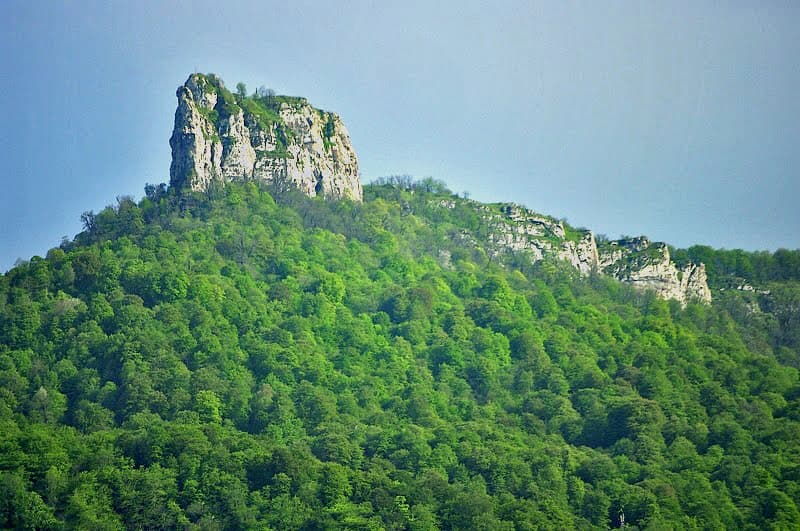
Kachaghakaberd is a prominent mountain-top fortress situated in the Khojaly District of Azerbaijan, nestled between the villages of Kolatak and Khndzristan. This fortress is notable for its strategic location on a steep rocky outcrop, which provided natural defenses and commanding views of the surrounding landscape. Constructed in the 9th century, Kachaghakaberd is classified as a bastioned fortress, reflecting its architectural emphasis on fortifications designed to withstand sieges and attacks during the early medieval period.
Historical context and significance
The fortress was built during a turbulent era marked by frequent conflicts and territorial disputes in the South Caucasus region. Its construction in the early medieval period aligns with the need for fortified strongholds to protect local populations and assert control over key routes and territories. Kachaghakaberd served as a defensive bastion for the surrounding communities, leveraging its elevated position to monitor enemy movements and provide refuge during invasions.
Throughout its history, the fortress has witnessed various cultural and political influences due to its location near contested borders. It played a role in regional defense strategies and may have been involved in local conflicts during the medieval era. The fortress's endurance over centuries highlights its robust construction and strategic importance.
Architectural features and design
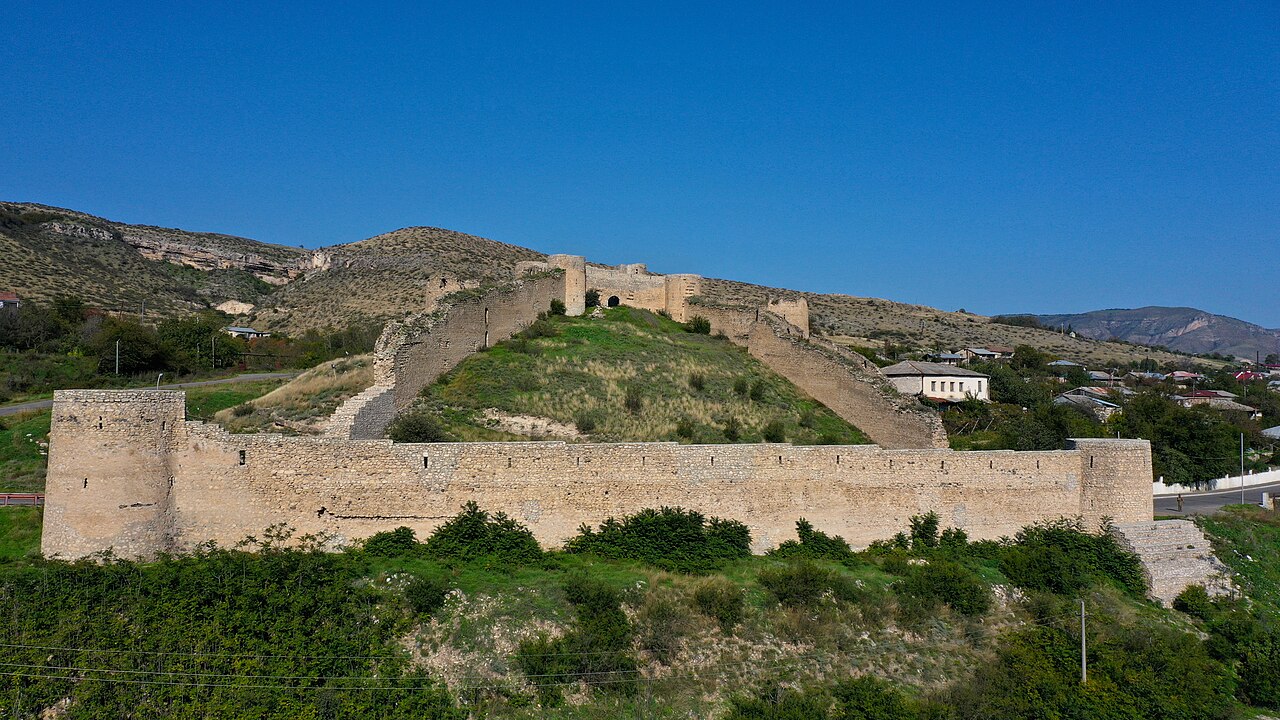
Kachaghakaberd exemplifies the characteristics of a bastioned fortress adapted to a mountainous terrain. The fortress is built atop a high rocky plateau, which naturally limits access and enhances defense. The walls are constructed from local stone, carefully fitted to follow the contours of the rock, integrating the fortress seamlessly into its environment.
The design includes thick defensive walls with bastions—projecting structures that allowed defenders to cover adjacent walls with crossfire, a significant advancement in fortification techniques of the period. These bastions provided vantage points for archers and later for artillery placements, increasing the fortress's defensive capabilities.
Access to the fortress is controlled through narrow, winding paths that would have been easy to defend against attackers. The fortress likely contained essential internal structures such as living quarters, storage rooms, and possibly a cistern to collect and store water, critical for withstanding sieges.
The Janapar Trail and access routes
The modern-day Janapar Trail, a long-distance hiking route through the Caucasus, passes close to Kachaghakaberd. A short side trail from the Janapar Trail leads to the summit of the fortress, allowing visitors to explore the site and appreciate its commanding views. The trail itself follows ancient routes that would have been significant for trade and military movements in the past.
Current condition and preservation
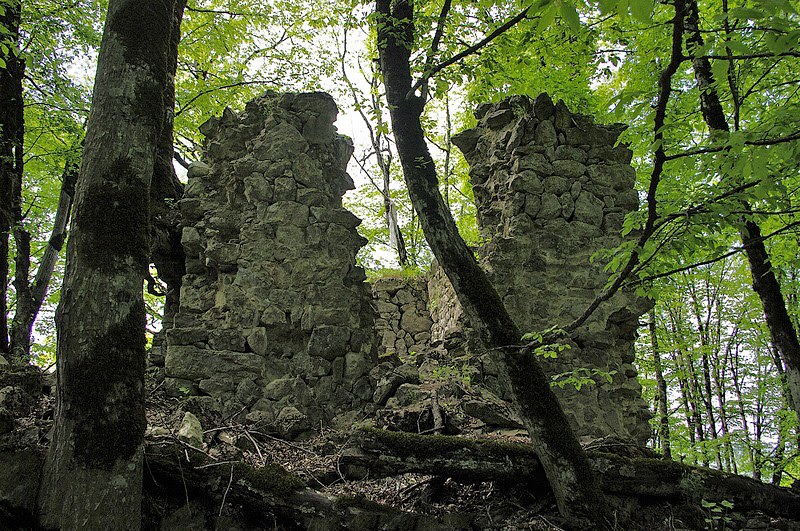
Kachaghakaberd remains in a partially preserved state. While some sections of the walls and bastions have survived the ravages of time, other parts have deteriorated due to natural erosion and lack of continuous maintenance. The fortress's remote location has helped protect it from extensive modern development but also poses challenges for preservation efforts.
Visitors to the site can observe the impressive stone masonry and the fortress's integration with the rocky landscape. Efforts to maintain and study the fortress contribute to understanding the region's medieval military architecture and history.
Significance for cultural heritage and tourism
Kachaghakaberd is an important cultural landmark in Azerbaijan, representing the region's medieval defensive architecture and historical conflicts. Its location in the scenic mountainous terrain attracts hikers and history enthusiasts alike. The proximity to the Janapar Trail enhances its accessibility for tourists interested in combining nature and heritage exploration.
As a symbol of early medieval fortification techniques adapted to mountainous environments, Kachaghakaberd offers valuable insights into the military strategies and architectural innovations of the time. It contributes to the broader understanding of the South Caucasus's complex history and cultural landscape.
Frequently asked questions (FAQ)
- How do I get to Kachaghakaberd fortress?
- Kachaghakaberd fortress is accessible via a short side trail from the Janapar Trail, a well-known hiking route in the region. Visitors typically reach the nearby villages of Kolatak or Khndzristan before hiking to the fortress summit.
- What is the historical significance of Kachaghakaberd?
- Built in the 9th century, Kachaghakaberd served as a strategic bastioned fortress during the early medieval period, protecting local communities and controlling key routes in the South Caucasus.
- Can I visit Kachaghakaberd year-round?
- While there are no official visiting hours, the best time to visit Kachaghakaberd is during the warmer months when the hiking trails are accessible and weather conditions are favorable.
- What architectural features define Kachaghakaberd?
- The fortress is characterized by thick defensive walls with bastions adapted to the mountainous terrain, narrow access paths, and stone masonry integrated with the rocky outcrop it sits upon.
- Is Kachaghakaberd suitable for casual tourists?
- Visiting Kachaghakaberd requires a moderate hike and some experience with mountainous terrain. It is best suited for visitors comfortable with hiking and exploring partially preserved medieval ruins.
Photo gallery

Information
Loading map...
Visitor reviews
No reviews yet. Been here? Write the first review and help other travelers!
Write the first reviewVisited this castle? Share your experience
Your review helps other travelers and adds first-hand knowledge to our encyclopedia.