Ramkot Fort
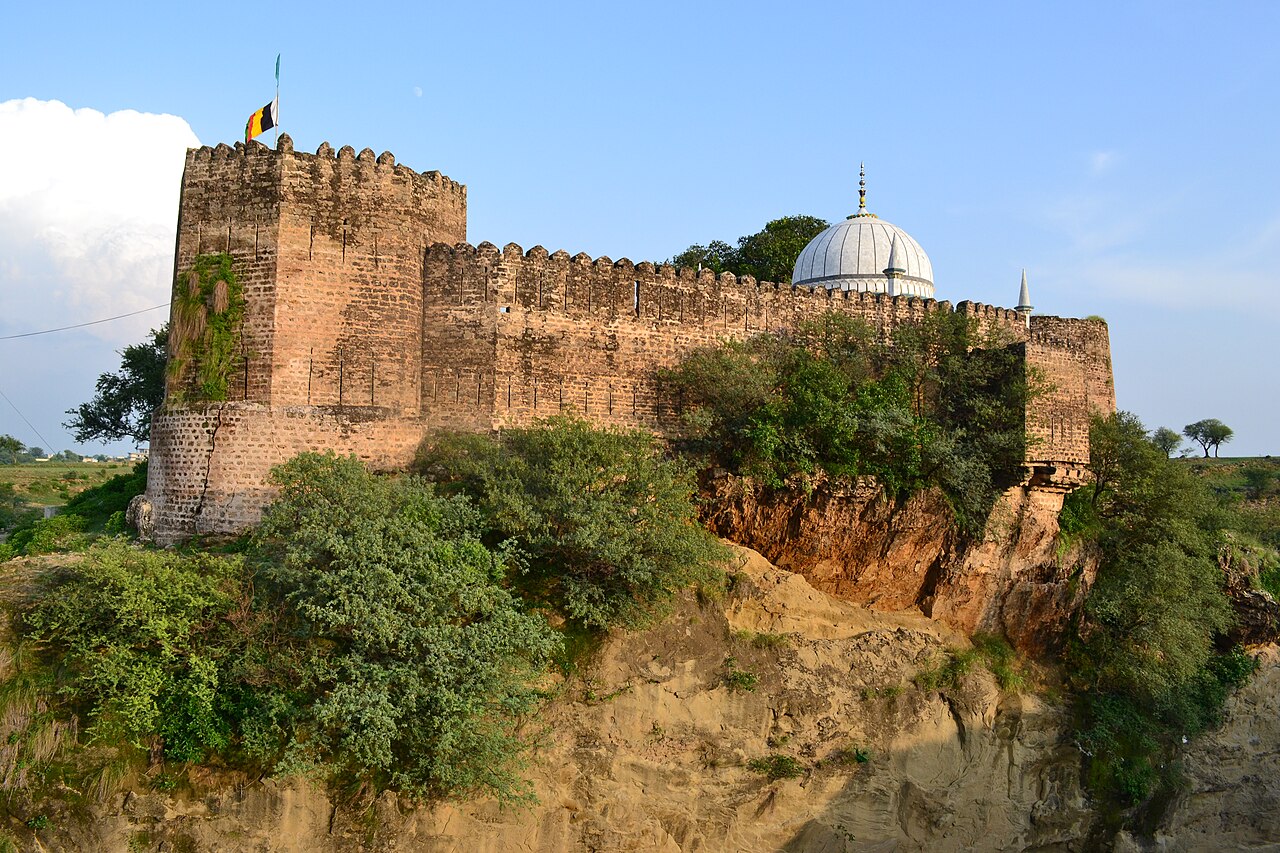
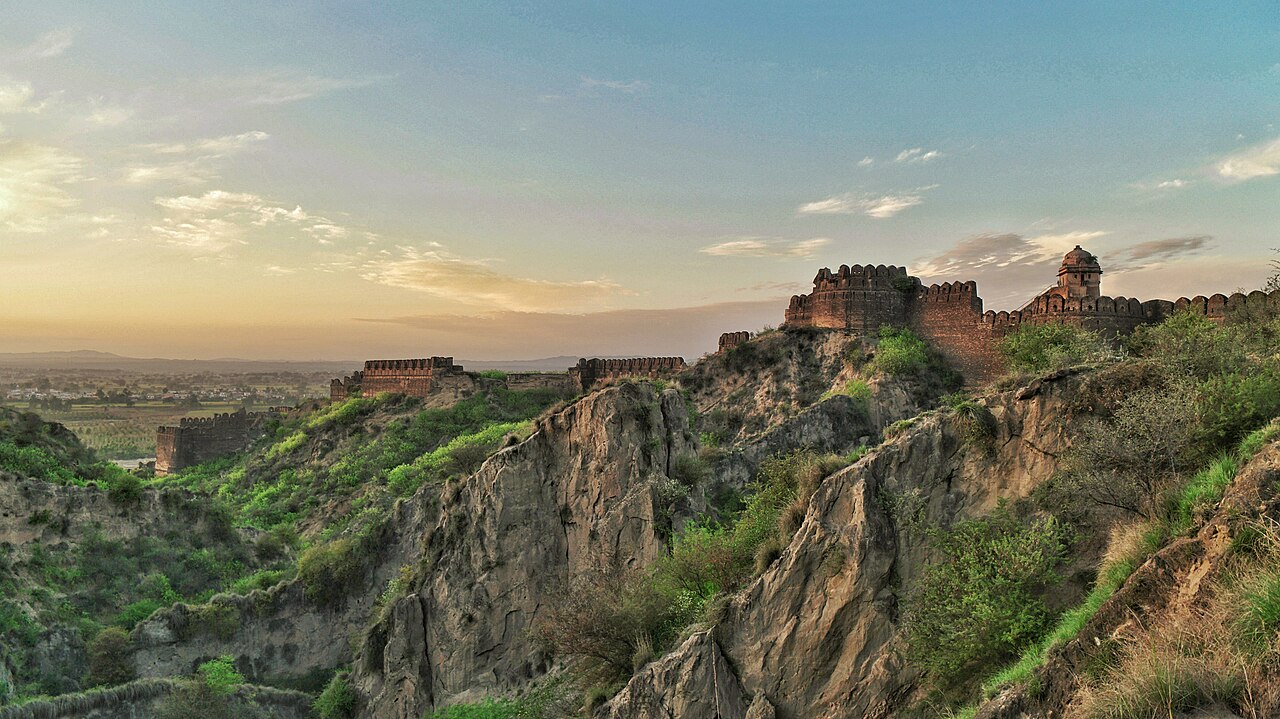
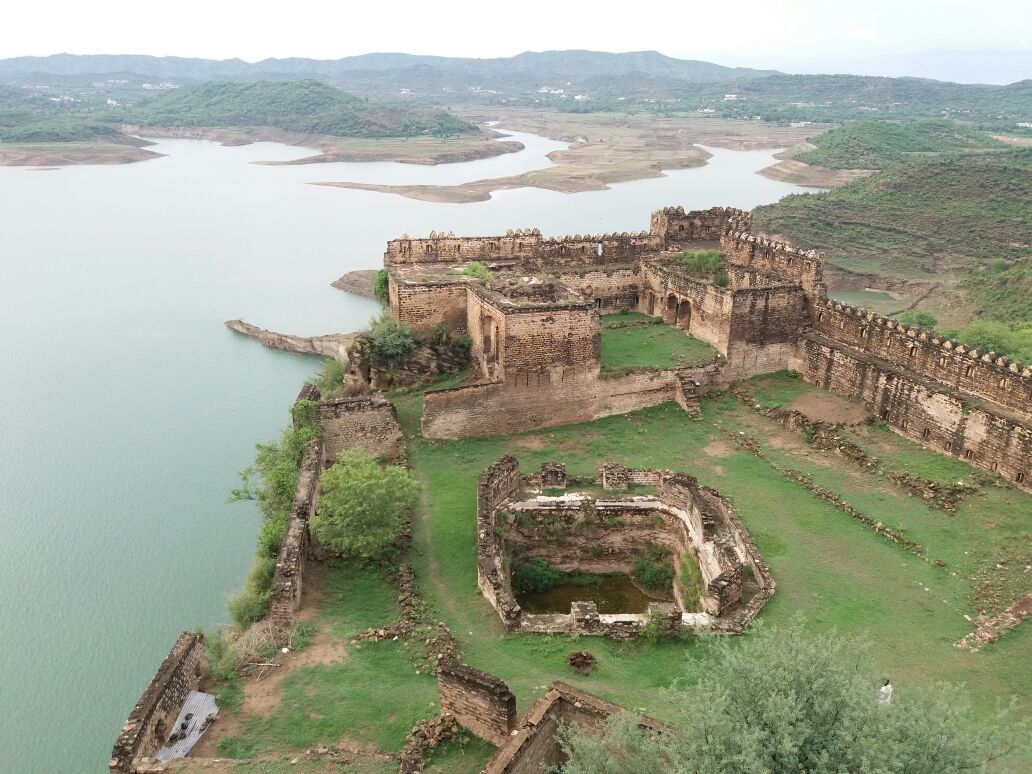
Ramkot Fort (Urdu: قلعہ رام کوٹ, romanized: Qila Ram Kot) is a prominent medieval bastioned fortress located near Mirpur in Azad Kashmir, Pakistan. Perched atop a steep rocky hill, the fort commands a strategic vantage point overlooking the Mangla Dam and the surrounding landscape. This elevated position provided significant defensive advantages, making Ramkot Fort a key military stronghold in the region during its time.
Historical background and construction
The origins of Ramkot Fort date back to the early medieval period, with construction believed to have begun around the 5th century. The fort's establishment was likely motivated by the need to control vital trade routes and protect the local population from invasions. Its location near the confluence of the Jhelum River and the hilly terrain made it an ideal defensive site.
Throughout its history, the fort has witnessed various rulers and dynasties, including local chieftains and regional powers who sought to maintain control over this strategic area. The fort's architecture reflects adaptations made over centuries to improve its defensive capabilities, including the addition of bastions and fortified walls.
Architectural features and defensive design
The bastioned fortress layout
Ramkot Fort is classified as a bastioned fortress, a style characterized by projecting bastions at the corners and along the walls to allow defensive fire in multiple directions. This design was crucial for repelling attackers and minimizing blind spots around the fort's perimeter.
Main gate and access routes
The fort is accessible via three main routes originating from the towns of Dina, Dadyal, and Mirpur. Visitors must ascend approximately 440 stone stairs carved into the hillside to reach the main gate. The gate itself is built on a sloped rock foundation, enhancing its defensive strength by making direct assaults more difficult.
Walls, bastions, and internal structures
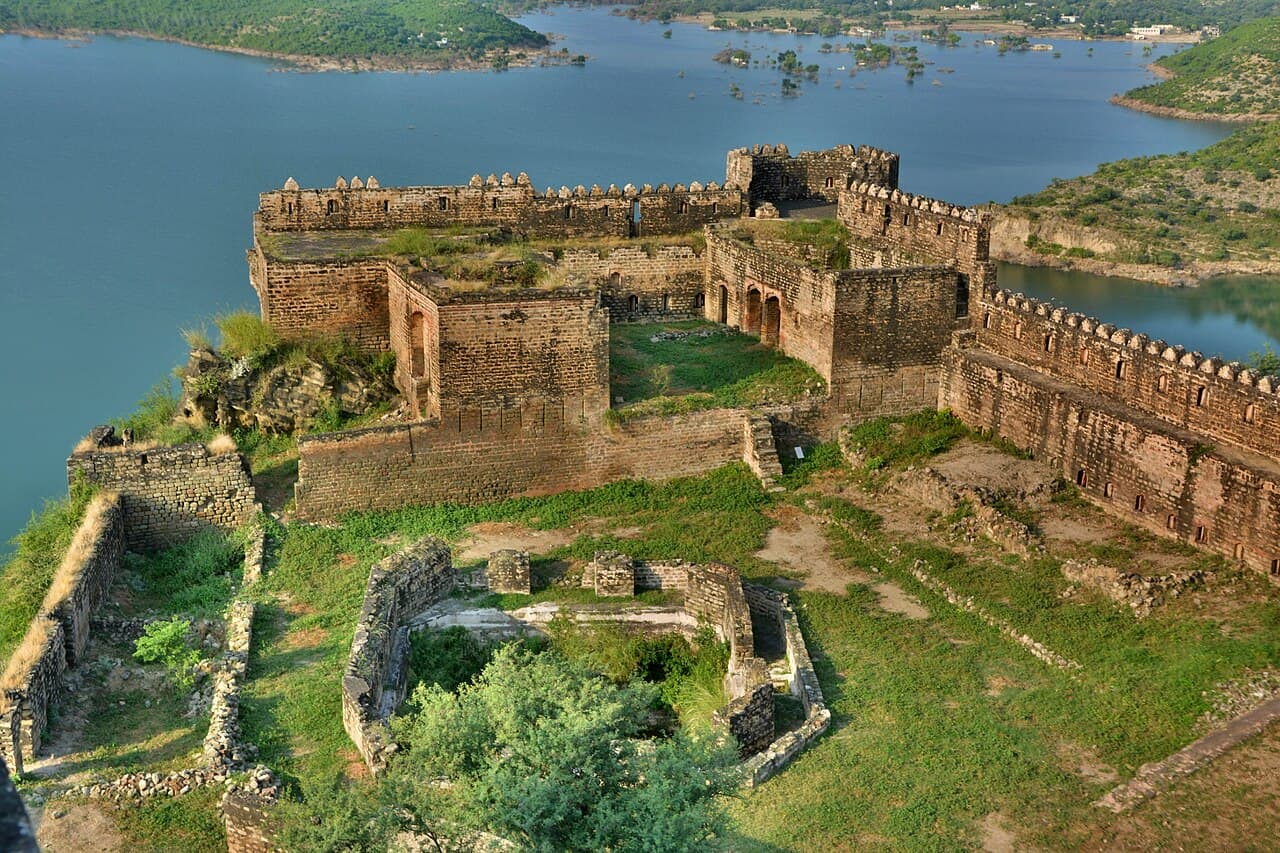
The fort’s walls are constructed from local stone and exhibit thick, robust masonry designed to withstand sieges and artillery attacks. The bastions protrude outward, allowing defenders to cover the curtain walls with crossfire. Inside the fort, remnants of barracks, , and watchtowers suggest a well-organized military installation.
Geographical significance and surroundings
Situated in the Mirpur District, Ramkot Fort overlooks the Jhelum River valley and the vast reservoir created by the Mangla Dam. The fort’s hilltop position provided not only military advantages but also control over riverine trade and communication routes in the region.
The surrounding terrain is rugged and hilly, which historically limited access and provided natural protection against invading forces. The fort's commanding views allowed early warning of approaching enemies and facilitated communication with nearby settlements.
Current condition and accessibility
Today, Ramkot Fort is in a partially preserved state, with significant portions of its walls and bastions still standing. While some areas have deteriorated due to natural weathering and lack of extensive restoration, the fort remains an important cultural and historical landmark.
Visitors can explore the site via the established stairways, experiencing the fort's defensive architecture firsthand. Its location and structure attract tourists interested in medieval military architecture and the history of Azad Kashmir.
Ramkot Fort in cultural heritage
The fort holds a place in the local heritage as a symbol of resilience and strategic importance. It represents the military ingenuity of early medieval builders in the region and offers insights into the historical conflicts and governance of Azad Kashmir.
Efforts to preserve and promote Ramkot Fort contribute to the understanding of Pakistan's diverse historical landscape and architectural traditions.
Frequently asked questions (FAQ)
- How do I reach Ramkot Fort?
- Ramkot Fort is accessible via three main routes from Dina, Dadyal, and Mirpur. Visitors typically climb about 440 stairs carved into the hillside to reach the main gate.
- What is the historical significance of Ramkot Fort?
- Ramkot Fort dates back to the 5th century and served as a strategic military stronghold controlling trade routes and protecting the region during the early medieval period.
- Can I explore the interior of Ramkot Fort?
- Yes, visitors can explore the fort's partially preserved walls, bastions, and internal structures such as barracks and watchtowers, gaining insight into medieval military architecture.
- When is the best time to visit Ramkot Fort?
- The best time to visit Ramkot Fort is during the cooler months from October to March, when the weather is pleasant for climbing and exploring the hilltop site.
- Is there an entrance fee to visit Ramkot Fort?
- Currently, there is no official entrance fee for visiting Ramkot Fort, making it accessible to tourists and history enthusiasts alike.
Photo gallery

Information
Loading map...
Visitor reviews
No reviews yet. Been here? Write the first review and help other travelers!
Write the first reviewVisited this castle? Share your experience
Your review helps other travelers and adds first-hand knowledge to our encyclopedia.