Threave Castle
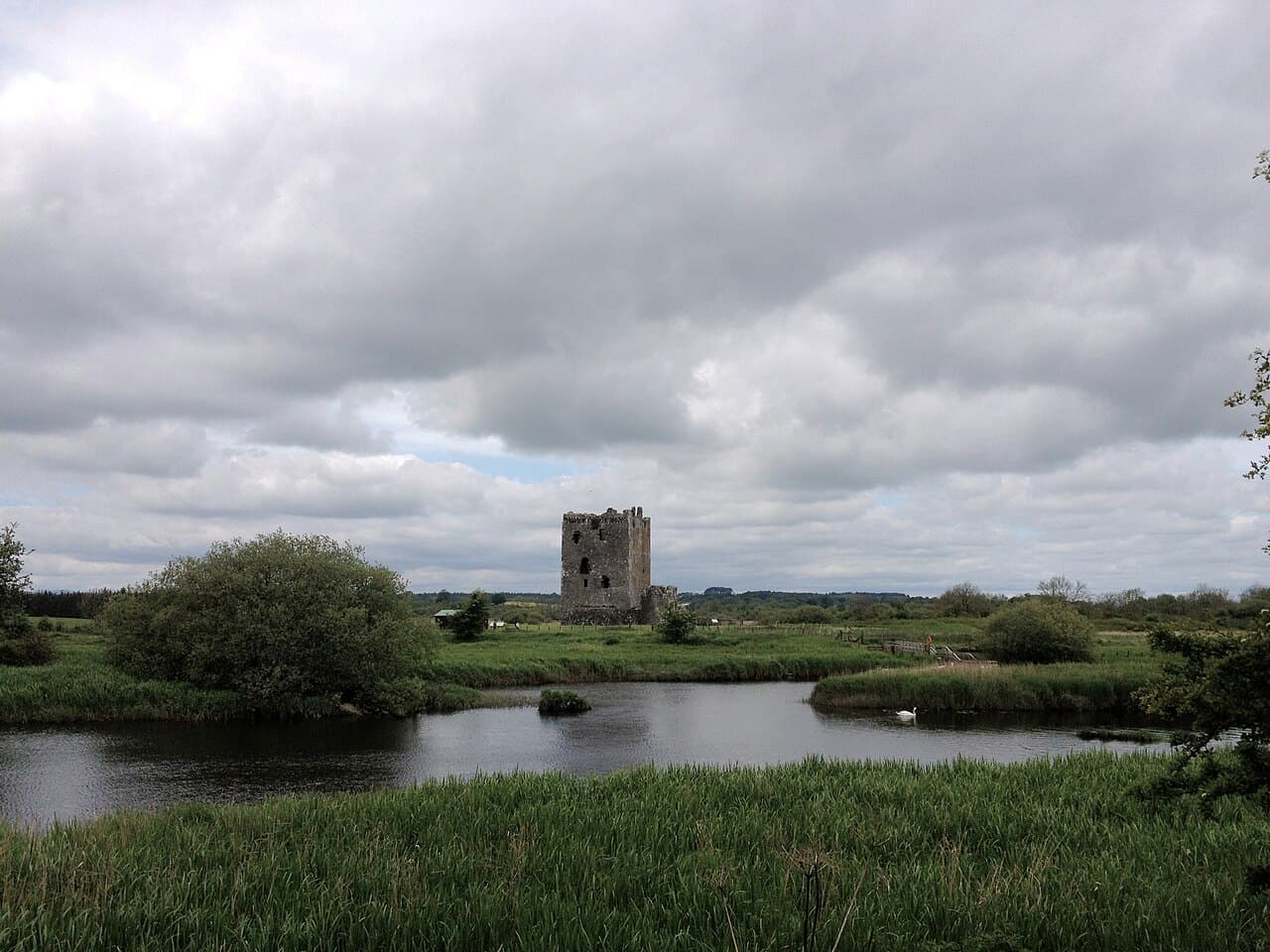
Threave Castle stands as a formidable late medieval fortress located on an island in the River Dee, near Castle Douglas in the historic county of Kirkcudbrightshire, within the region of Dumfries and Galloway, Scotland. Constructed in the 1370s by Archibald the Grim, the 3rd Earl of Douglas and Lord of Galloway, it served as the principal stronghold of the Black Douglas family, one of the most influential noble dynasties of medieval Scotland. This castle was a symbol of power and prestige, as well as a strategic military bastion controlling access along the river and surrounding lands.
Threave Castle's location on a river island was a deliberate defensive choice, utilizing natural water barriers and marshy terrain to enhance protection. The island itself was originally smaller than today’s eight-hectare expanse, but its position allowed control over river traffic and provided a secure refuge. The castle's architecture reflects the evolving needs of medieval warfare, particularly the transition to gunpowder artillery in the 15th century.
Historical context and ownership
The castle was built during the late medieval period as a seat for the Black Douglases, whose power peaked in the 14th and 15th centuries. Archibald the Grim, a key figure in Scottish history, established the castle to consolidate his family's dominance in southwest Scotland. His son, Archibald Douglas, the 4th Earl of Douglas, married Princess Margaret, daughter of King Robert III of Scotland. After the death of the 4th Earl in 1424, Princess Margaret governed the lordship of Galloway from Threave for over two decades, underscoring the castle's role as a political center.
In the mid-15th century, William Douglas, the 8th Earl of Douglas, enhanced the castle's defenses by constructing an artillery house to accommodate emerging gunpowder weapons. This addition marked Threave as a pioneering site in adapting to new military technologies. However, the increasing autonomy and power of the Black Douglases alarmed the Scottish crown. Following the killing of the 8th Earl by King James II in 1452 and a subsequent rebellion by the 9th Earl, the castle was besieged in 1455 by royal forces. After a prolonged siege exceeding two months, Threave surrendered, signaling the end of Black Douglas dominance.
Post-siege, Threave became a royal castle, managed by appointed keepers. In 1526, the hereditary custodianship was granted to the Lords Maxwell. The castle briefly fell under English control during the Rough Wooing in the 1540s but was soon reclaimed by Scottish forces. During the Bishops’ Wars in 1640, a royalist garrison defended the castle against a Covenanter siege lasting thirteen weeks. The castle was eventually surrendered and deliberately partially dismantled to prevent further military use.
Architectural features and fortifications
The keep and interior layout
The heart of Threave Castle is its imposing five-story rectangular tower house or keep, measuring approximately 18 by 12 meters and rising to 21 meters in height. Constructed in the 14th century, the keep features nearly two-meter-thick stone walls, designed to withstand prolonged attacks. The main entrance is elevated on the east side at the first-floor level, accessible originally via a wooden stair tower and a movable bridge, enhancing security against direct assault.
Inside, the entrance leads to a reception hall and kitchen area, with vaulted cellars below housing storage rooms, a well, and a prison chamber. A spiral staircase embedded within the thick walls connects all floors, ascending to the great hall and private chambers used by the lord and his family. Upper rooms include larger windows oriented north and west, providing light and ventilation while minimizing exposure to enemy fire.
The top floor served as quarters for servants or soldiers during sieges, featuring nine windows offering extensive views of the surrounding landscape. Defensive elements include openings for a bretèche (a timber gallery) on three sides and a machicolation above the main entrance, allowing defenders to drop projectiles on attackers.
The artillery house and curtain walls
Surrounding the keep on the east, south, and west sides is the artillery house, an L-shaped curtain wall constructed around 1447 by the 8th Earl of Douglas. This structure was an innovative response to the growing use of gunpowder weapons, featuring three round towers equipped with distinctive gun ports arranged on two levels. The lower gun ports resemble dumb-bells, while the upper ones are shaped like inverted keys, designed for early breech-loading firearms approximately 80 millimeters in caliber mounted on wooden supports.
The curtain wall is up to six meters high and about 1.5 meters thick, with a sloping or battered face to better resist artillery fire. It is topped with battlemented parapets typical of medieval fortifications and incorporates traditional arrow slits for archers. A central gatehouse, approximately eight meters tall, controlled access through this wall and was equipped with a drawbridge, two inner doors, and a raised firing platform.
The curtain wall is separated from the keep by a narrow 4.4-meter-wide gap, with no direct internal access documented between the two. The southeast tower of the artillery house remains largely intact, while the other two towers suffered heavy damage during the 1640 siege and eventually collapsed.
Moats, ditches, and ancillary defenses
The castle was originally protected by a deep rock-cut ditch around the walls, which was flooded to create a defensive moat. On the river side, a gated harbour allowed secure boat access to the island. Additional riverside fortifications included a wall curving toward the northwest corner of the keep. To the north, natural marshy terrain and an earthen embankment provided further defense. Prior to the 1640 siege, the Maxwell garrison constructed extra earthworks north of the keep to enhance protection.
The island also contained various supporting buildings such as workshops and storerooms, although some smaller structures were demolished in the 15th century to clear fields of fire for the artillery defenses. Today, visitors can explore the largely intact tower house and the remains of the artillery house, preserved as part of a historic site managed by Historic Environment Scotland.
Cultural significance and modern preservation
Threave Castle holds a prominent place in Scottish history as a symbol of the power struggles between noble families and the crown during the late medieval period. It illustrates the transition in castle architecture from traditional stone keeps to more complex artillery fortifications in response to gunpowder weaponry. The castle's association with notable figures such as Archibald the Grim, Princess Margaret, and the Black Douglases enriches its historical narrative.
Archaeological excavations in the 1970s uncovered earlier occupation layers and artifacts, including a lead seal belonging to Princess Margaret, confirming the castle's role as a residence and administrative center. Since 1913, Threave Castle has been under state care and is designated a scheduled monument. It is open to the public, offering a unique glimpse into Scotland's medieval past and the evolution of castle fortifications.
Visitors today can appreciate the castle's impressive stonework, defensive innovations, and scenic river island setting. The site provides educational opportunities on medieval military architecture, Scottish noble history, and the impact of political conflicts on regional strongholds. Threave Castle remains a vital cultural heritage site, preserved for future generations to study and enjoy.
Frequently asked questions (FAQ)
- How do I get to Threave Castle?
- Threave Castle is located near Castle Douglas in the United Kingdom. You can reach the castle by car, and there is parking available nearby. Public transport options include buses that run from Castle Douglas to the castle area, followed by a short walk.
- What is the historical significance of Threave Castle?
- Threave Castle, built in the late 14th century, served as a stronghold for the Lords of Galloway. It played a crucial role during the Wars of Independence and is notable for its impressive defensive architecture. The castle is a symbol of Scottish heritage and reflects the turbulent history of the region.
- When was Threave Castle built?
- Threave Castle was constructed in the late 14th century, around 1370, by the influential Lord of Galloway, Archibald the Grim. Its strategic location on an island in the River Dee made it an ideal fortress during the medieval period. The castle's construction showcases the architectural style of its time.
- Can I visit Threave Castle throughout the year?
- Yes, Threave Castle is open to visitors year-round, although opening hours may vary by season. It is advisable to check the official website for the latest information on visiting times and any seasonal closures. Guided tours are often available, enhancing your experience of the castle's history.
- Why is the architecture of Threave Castle notable?
- Threave Castle features a unique design typical of late medieval Scottish castles, including a large round tower and thick stone walls. Its island location adds to its defensive capabilities and aesthetic appeal. The castle's architecture reflects the social and military needs of its time.
- Is it possible to access Threave Castle with mobility aids?
- Access to Threave Castle can be challenging due to its location on an island that requires a short boat trip and some uneven terrain. While efforts are made to accommodate visitors with mobility issues, it is recommended to check in advance regarding specific accessibility options and assistance available.
- What is the best time to visit Threave Castle?
- The best time to visit Threave Castle is during the late spring and summer months when the weather is generally milder and the gardens are in full bloom. Additionally, the longer daylight hours allow for a more enjoyable exploration of the site. However, visiting in the autumn can also provide a beautiful backdrop with changing foliage.
- Are there any nearby attractions to visit along with Threave Castle?
- Yes, nearby attractions include the beautiful Threave Gardens, which showcase a variety of plants and floral displays. The town of Castle Douglas itself offers charming shops and eateries. Additionally, the Galloway Forest Park is not far, providing stunning natural landscapes and outdoor activities.
- What are the ticket prices for visiting Threave Castle?
- Ticket prices for Threave Castle are typically reasonable, with concessions available for children, students, and seniors. Family tickets may also be offered at a discounted rate. It's best to check the official website for the most current pricing and any special offers.
- What are the opening hours for Threave Castle?
- Threave Castle's opening hours vary seasonally, with longer hours during the summer months. Generally, the castle opens around 10 AM and closes in the late afternoon. Always verify the hours on the official website before planning your visit to ensure you have the most up-to-date information.
Photo gallery

Information
Website
Visit websiteSources & official resources
Verify the information above using these authoritative references.
Loading map...
Visitor reviews
No reviews yet. Been here? Write the first review and help other travelers!
Write the first reviewVisited this castle? Share your experience
Your review helps other travelers and adds first-hand knowledge to our encyclopedia.