Thirlestane Castle
Thirlestane Castle stands as a remarkable example of Scottish castle architecture, located near the town of Lauder in the scenic Berwickshire region of the Scottish Borders. This hill castle has been the ancestral home of the Maitland family since 1587, embodying over four centuries of architectural development and historical significance. Originally established as a medieval fortification, the castle evolved through major expansions and stylistic transformations, reflecting the changing tastes and needs of its noble owners.
The castle's strategic position atop Castle Hill overlooks the Lauderdale valley and the Leader Water, commanding views that were essential for defense and control of the southern approach to Edinburgh. Its earliest known origins trace back to a fortified site predating the 13th century, which served as a military stronghold in a region frequently contested during the turbulent medieval period.
In the mid-16th century, during the Rough Wooing—a series of conflicts between England and Scotland—Thirlestane gained renewed military importance. In 1548, the English constructed a hastily built artillery fort on the site, designed by Thomas Pettit, Surveyor of Calais, and completed in just four weeks under Sir Robert Bowes. This fortification was commanded by Hugh Willoughby but was dismantled by local Scottish villagers two years later, who removed the artillery to nearby Hume Castle, reinstating Scottish control.
Medieval origins and maitland acquisition
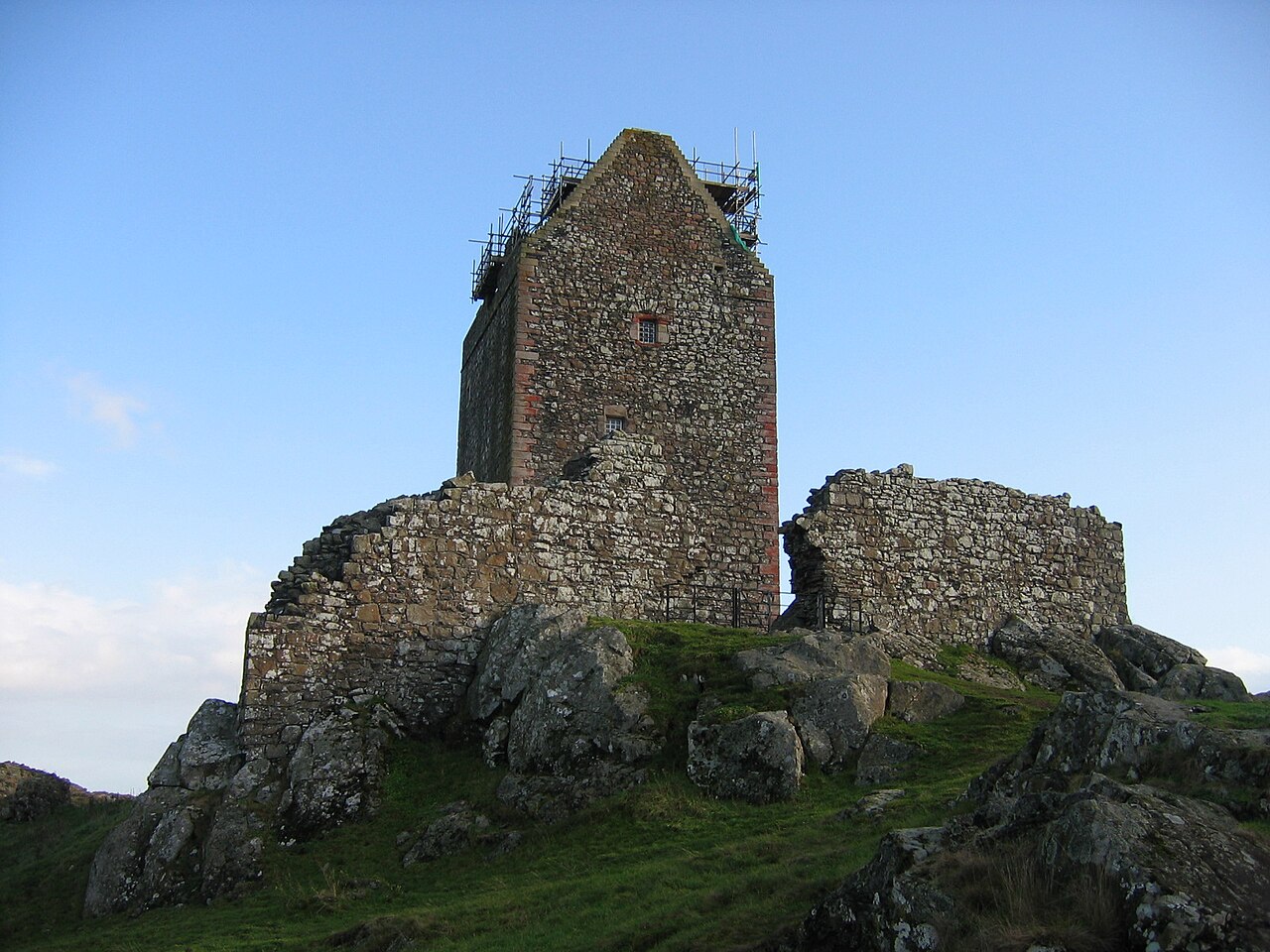
The estate originally belonged to the Lauder family in the early 1500s. Following a tragic sequence of events involving local feuds, the property was reclaimed by the Lauders and eventually sold in 1587 to Sir John Maitland. Sir John constructed a substantial square tower keep atop the earlier foundations, marking the transition of Thirlestane from a purely defensive site to a noble residence. This keep replaced the family's former seat at Old Thirlestane Castle, a nearby peel tower.
Sir John Maitland's prominence rose with his appointment as Lord Chancellor of Scotland in 1590, and he was ennobled as Lord Maitland of Thirlestane. The castle hosted King James VI on several occasions during the 1590s, including notable celebrations such as weddings, emphasizing its importance as a political and social center.
17th-century transformation under the duke of lauderdale
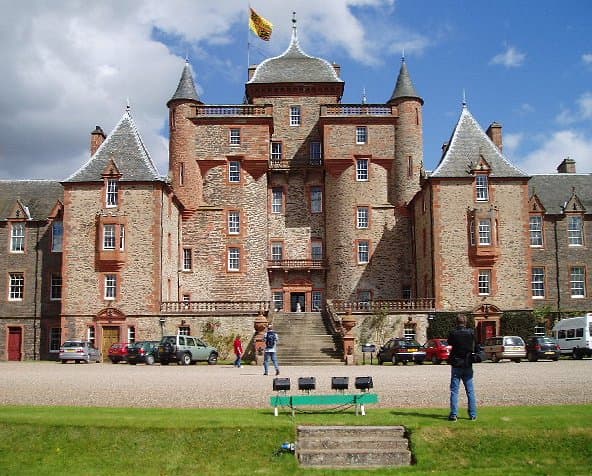
The most significant architectural transformation occurred between 1670 and 1676 under John Maitland, Duke of Lauderdale, a key Scottish statesman and Secretary of State for Scotland after the Restoration of Charles II. He commissioned the renowned architect Sir William Bruce to remodel Thirlestane Castle extensively.
Bruce's design introduced twin towers at the front corners of the medieval keep, enhancing both the castle's defensive capabilities and its imposing visual presence. A grand external staircase was added, elevating the entrance and symbolizing the castle's shift from fortress to stately home. The interiors were lavishly decorated with intricate plaster ceilings crafted by the English artist George Dunsterfield, showcasing the high craftsmanship and artistic tastes of the period.
Architectural features and interior design
The castle's interiors from this period include state rooms with elaborate stucco work, wood paneling, and period furnishings that reflect the 17th-century Scottish baroque style. The fusion of the medieval keep's robust structure with the elegant additions by Bruce created a unique architectural ensemble that blends strength and refinement.
19th-century expansions and modernization
In the 19th century, Thirlestane Castle underwent further significant enlargement to accommodate the evolving lifestyle of its residents. Architects David Bryce and William Burn were responsible for these additions, which included new wings arranged around a courtyard, forming a distinctive T-shaped footprint.
These expansions incorporated modern domestic facilities such as kitchens, laundries, pantries, and servants' quarters, reflecting the practical needs of a large country estate during the Victorian era. The architectural style of these additions combined elements of the Scottish Baronial revival with functional design, ensuring the castle remained both grand and livable.
20th-century history and preservation efforts
During World War II, Thirlestane Castle served a humanitarian role by housing St. Hilary's girls' school, evacuated from Edinburgh for safety. The school utilized the main rooms and dormitories, while the Maitland family occupied the north wing, demonstrating the castle's adaptability.
Post-war years saw the castle fall into disrepair until Captain Gerald Maitland-Carew inherited it in 1972. His stewardship, along with the establishment of a charitable trust in 1984, facilitated extensive restoration efforts supported by heritage organizations. These efforts preserved the castle's fabric and ensured its survival as a cultural landmark.
Collections and public access
Today, Thirlestane Castle is open to the public, offering visitors access to its rich collections of paintings, fine furniture, porcelain, and a notable historic toy collection. These artifacts provide insight into the domestic life and artistic interests of the Maitland family across centuries.
Architectural remains and archaeological significance
The castle's structure is a palimpsest of its long history, combining medieval foundations with later architectural layers. The remnants of the 1548 English artillery fort remain visible in parts of the walls and foundations, offering a rare glimpse into mid-16th-century military engineering in Scotland.
Sir John Maitland's 1587 tower forms the core of the castle, surrounded by the 17th-century additions by Sir William Bruce and the 19th-century wings by Bryce and Burn. The castle's layout, with its central keep and surrounding wings, illustrates the evolution from fortress to stately home.
Nearby archaeological sites, including the remains of the old Lauder church and the historic Lauder Bridge within the estate grounds, add layers of cultural and historical context to the castle's setting.
Landscape and setting
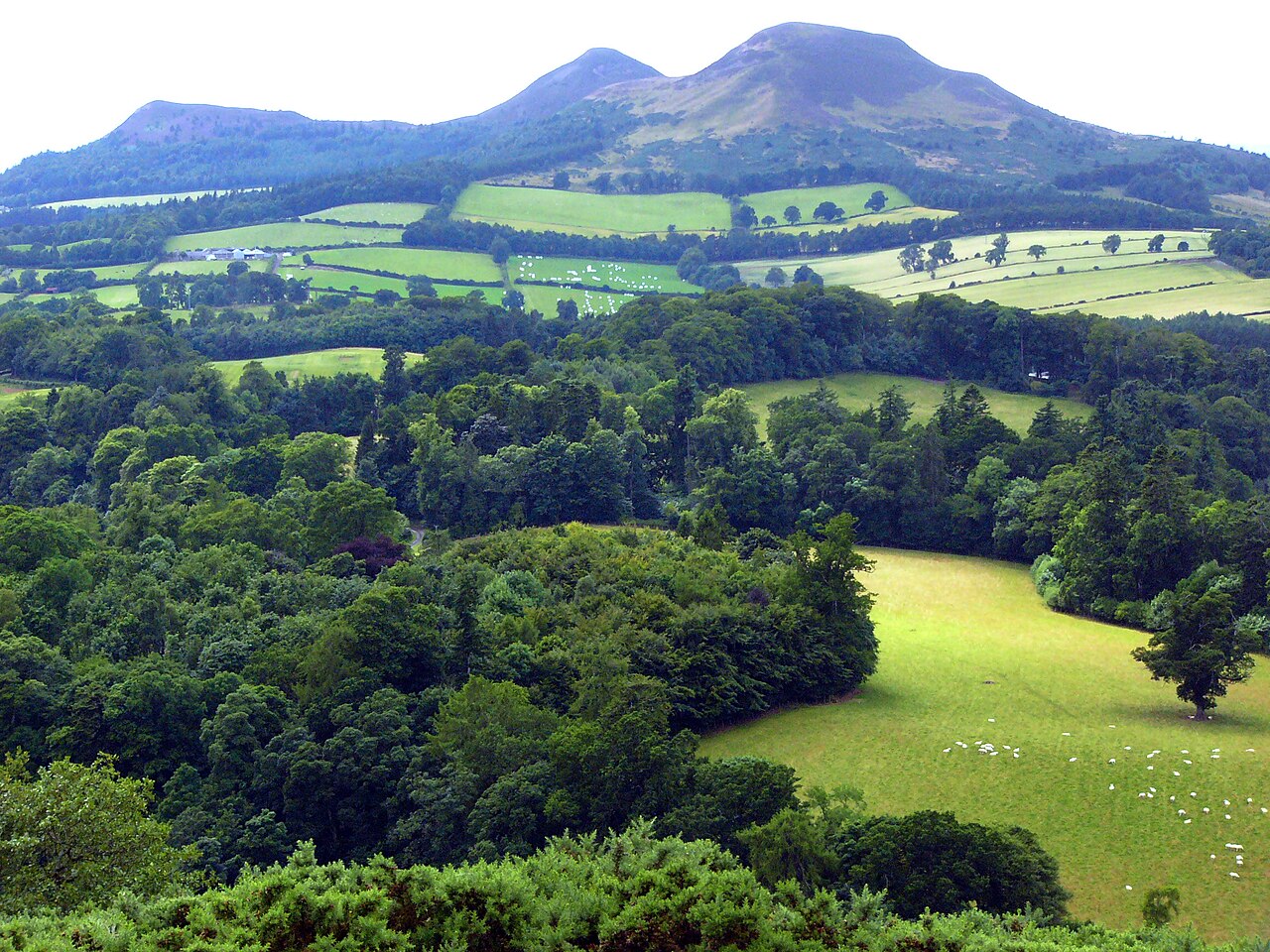
Thirlestane Castle's elevated position on Castle Hill provides commanding views over the Lauderdale valley and surrounding countryside. This strategic location was essential for its original defensive role and now enhances its appeal as a historic tourist destination.
Future developments and tourism
In 2021, plans were approved to develop holiday lodges within the castle grounds, aiming to enhance its appeal as a heritage tourism destination. These developments seek to balance modern visitor amenities with the preservation of the castle's historic character.
Visitors today can explore the castle's rich architectural heritage, its extensive collections, and the beautiful surrounding landscape, making Thirlestane Castle a significant cultural and historical landmark in the Scottish Borders.
Frequently asked questions (FAQ)
- What is Thirlestane Castle known for?
- Thirlestane Castle is renowned for its stunning architecture and rich history, serving as the ancestral home of the Earls of Lauderdale. The castle features impressive interiors filled with art and historical artifacts, making it a significant landmark in Scottish heritage.
- When was Thirlestane Castle built?
- Thirlestane Castle was initially constructed in the late 16th century, with extensive modifications and expansions occurring over the centuries. The castle showcases a blend of architectural styles reflecting its long history and the changes in tastes over time.
- What are the opening hours for Thirlestane Castle?
- Thirlestane Castle typically opens to visitors from April to October, with specific hours varying by season. It is advisable to check the official website for the most current opening times and any special events that may affect accessibility.
- Can I visit Thirlestane Castle with children?
- Yes, Thirlestane Castle welcomes families and children, providing a fascinating experience for visitors of all ages. The castle grounds are spacious, and there are often family-friendly activities available during the visiting season.
- Is it possible to tour the interiors of Thirlestane Castle?
- Yes, guided tours of the castle interiors are available, offering insights into its history and architecture. These tours are informative and allow visitors to explore various rooms adorned with historical furnishings and artworks.
- What is the best time to visit Thirlestane Castle?
- The best time to visit Thirlestane Castle is during the summer months, from June to August, when the weather is typically pleasant and the gardens are in full bloom. Additionally, many events and activities are hosted during this peak season, enhancing the visitor experience.
- How much do tickets to Thirlestane Castle cost?
- Ticket prices for Thirlestane Castle vary depending on the type of visit, such as general admission or guided tours. Discounts may be available for children, seniors, and families, so it's a good idea to check the official website for the latest pricing information.
- Are there nearby attractions to explore around Thirlestane Castle?
- Yes, there are several attractions near Thirlestane Castle, including the picturesque town of Lauder and the scenic Scottish Borders. Visitors can enjoy walking trails, historical sites, and local shops, making it a perfect day trip destination.
- How do I get to Thirlestane Castle?
- Thirlestane Castle is easily accessible by car, located just off the A68 road in Lauder. There are also public transport options available, including buses that connect to nearby towns and cities, making it convenient for visitors.
Photo gallery

Information
Website
Visit websiteSources & official resources
Verify the information above using these authoritative references.
Loading map...
Visitor reviews
No reviews yet. Been here? Write the first review and help other travelers!
Write the first reviewVisited this castle? Share your experience
Your review helps other travelers and adds first-hand knowledge to our encyclopedia.