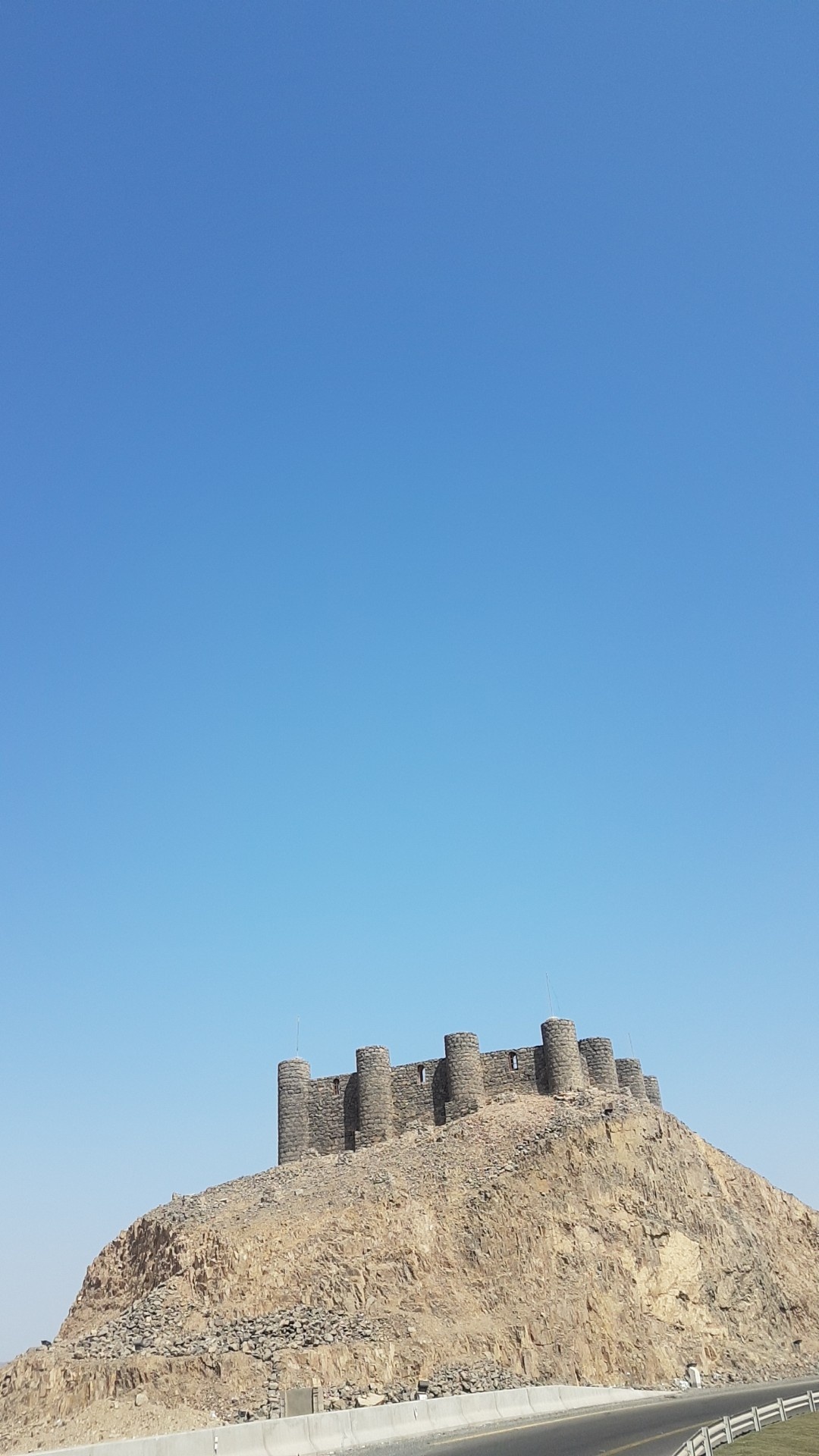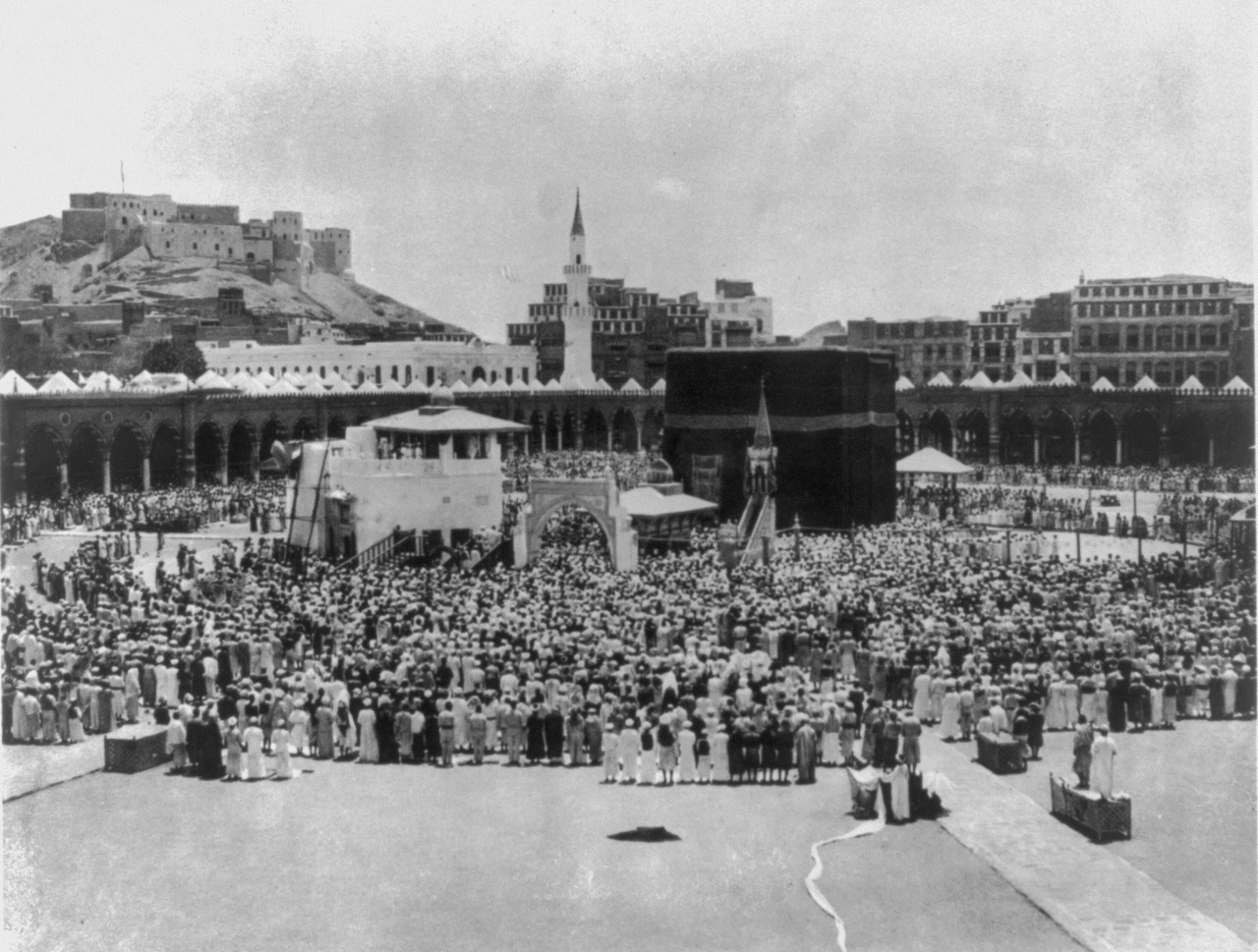
The Qishla of Jeddah (Turkish: Cidde Redif Kışlası) is a notable historical military structure located in Jeddah, Saudi Arabia. Constructed in 1525 during the 16th century, it served as a strategic Ottoman army barracks. The term Qishla itself means "barracks" in Turkish, reflecting the building's primary military function.
Historical context and significance
The Qishla of Jeddah was established as part of the Ottoman Empire's efforts to fortify its Red Sea territories and protect the important port city of Jeddah. This city was a critical gateway for pilgrims traveling to Mecca and a key commercial hub. The castle's construction in the early 16th century coincided with the Ottoman expansion into the Arabian Peninsula, marking a period of military and administrative consolidation.
Serving as a military barracks, the Qishla housed Ottoman soldiers responsible for maintaining order and defending the city against external threats, including Portuguese naval incursions and local uprisings. Its presence underscored the Ottoman commitment to securing their maritime and territorial interests in the region.
Architectural features and layout
The Qishla was designed primarily as a military fortress with functional architecture typical of Ottoman military installations of the period. While detailed architectural plans are scarce due to the current ruinous state and urban development over the site, historical records indicate that the structure included fortified walls, watchtowers, and internal courtyards to accommodate troops and supplies.
The castle's location in Jeddah was strategically chosen to oversee the surrounding landscape and the coastline, enabling surveillance of approaching ships and potential invaders. The fortifications likely included battlements and embrasures for artillery, reflecting the military technology of the Renaissance period.
Current condition and preservation status
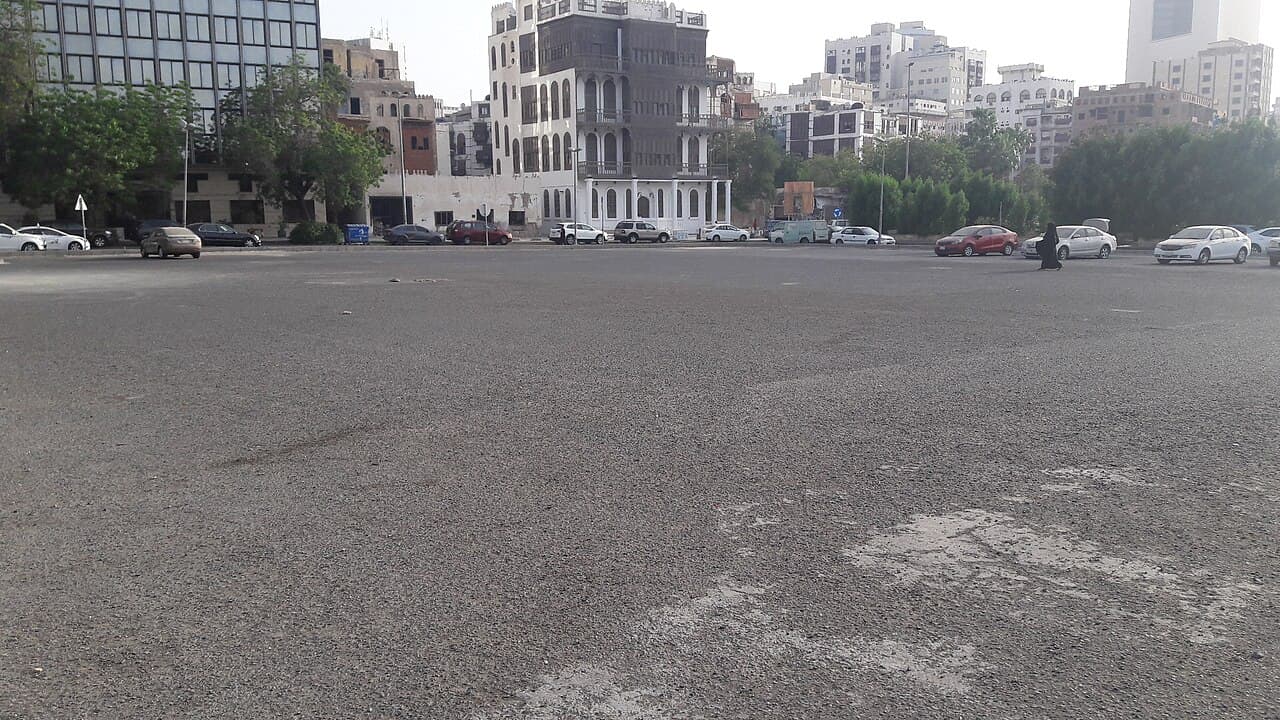
Today, the Qishla of Jeddah remains in a state of ruins. The original structure has largely been lost beneath modern developments, notably beneath the Jeddah branch of the Ministry of Defense. This urban encroachment has limited archaeological exploration and public access to the site.
Despite its ruinous condition, the Qishla holds cultural and historical importance as a symbol of the Ottoman military presence in the Arabian Peninsula. Efforts to document and preserve what remains are crucial to understanding the region's Ottoman heritage.
The qishla in the context of ottoman military architecture
The Qishla of Jeddah is part of a broader network of Ottoman military barracks and fortifications built across the empire's frontiers. These structures were designed to house troops and serve as bases for military operations, often featuring robust defensive elements adapted to local conditions.
Ottoman qishlas typically combined functional simplicity with strategic design, focusing on durability and defense. The Qishla of Jeddah exemplifies this approach, reflecting the empire's need to maintain control over vital trade routes and religious pilgrimage paths.
Historical legacy and cultural importance
While much of the physical structure of the Qishla has been lost, its legacy endures in the historical narrative of Jeddah and the broader Red Sea region. It represents a period when the Ottoman Empire exerted military and administrative influence over the Arabian Peninsula, shaping the region's political and cultural landscape.
The site also provides insight into the military strategies employed by the Ottomans to protect key coastal cities and maintain their empire's stability. As such, the Qishla of Jeddah remains a subject of interest for historians, archaeologists, and those studying Ottoman military architecture.
Frequently asked questions (FAQ)
- What is the historical significance of the Qishla of Jeddah?
- The Qishla of Jeddah was built in 1525 as an Ottoman military barracks to protect the strategic port city of Jeddah, a key gateway for pilgrims and trade.
- Can visitors access the ruins of the Qishla of Jeddah?
- The Qishla is currently located beneath the Jeddah branch of the Ministry of Defense, limiting public access and archaeological exploration.
- What architectural features characterized the Qishla of Jeddah?
- The Qishla featured fortified walls, watchtowers, and internal courtyards typical of Ottoman military barracks designed for defense and troop accommodation.
- Why was the Qishla of Jeddah built in its specific location?
- Its location in Jeddah allowed for strategic surveillance of the coastline and protection against naval threats, securing an important Red Sea port.
- How does the Qishla of Jeddah relate to other Ottoman military structures?
- It is part of a network of Ottoman qishlas across the empire, designed to house troops and secure frontier regions with durable fortifications.
Photo gallery

Information
Current owner
Ministry of Defense, Saudi Arabia
Loading map...
Visitor reviews
No reviews yet. Been here? Write the first review and help other travelers!
Write the first reviewVisited this castle? Share your experience
Your review helps other travelers and adds first-hand knowledge to our encyclopedia.