The Newark Castle Remains
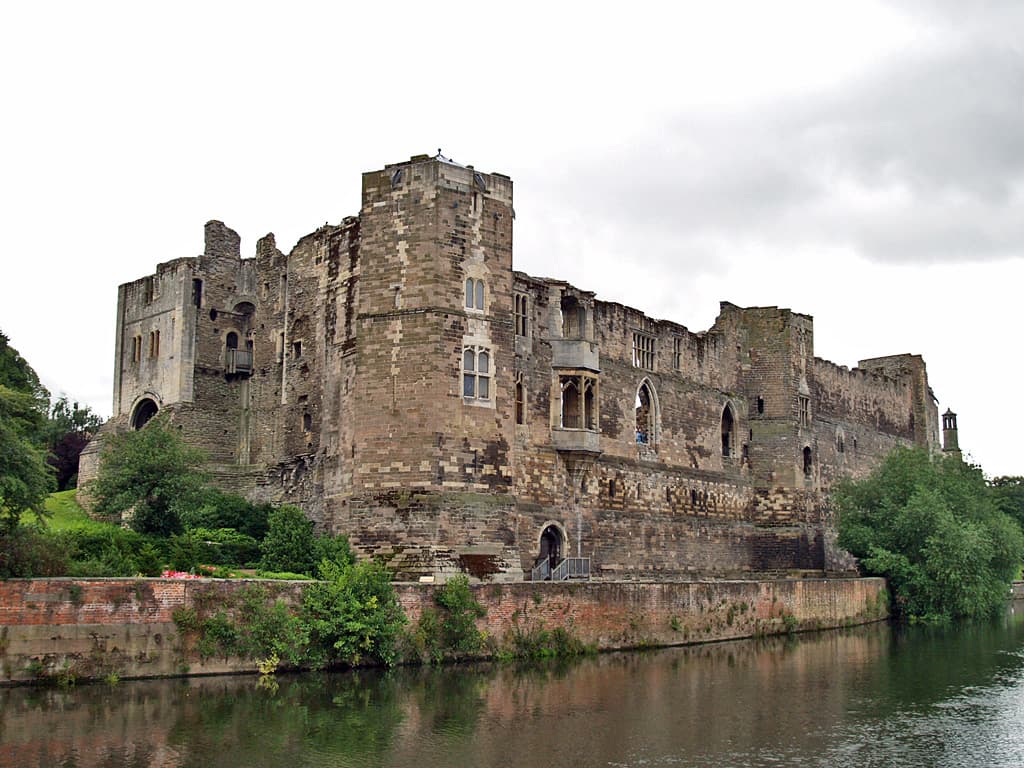
Newark Castle remains stand as a poignant reminder of England's turbulent medieval and early modern history. Located in Newark-on-Trent, these ruins are a significant heritage site that encapsulate key moments from the reign of King John to the English Civil War. Though largely destroyed, the surviving structures offer a glimpse into the castle's past prominence and strategic importance.
Viewed from the west bank of the River Trent or the nearby bridge, the castle appears as a fine example of a 12th-century fortress. However, a closer inspection reveals that only a single curtain wall and a gatehouse remain intact, with the rest of the complex reduced to ruins. This partial preservation reflects the castle's violent history, especially its destruction during the English Civil War.
Historical significance and royal connections
The castle’s history is deeply intertwined with notable events and figures in English history. Most famously, it was the place of death of King John, the monarch associated with the Magna Carta. In 1216, King John died of dysentery within the castle walls, specifically in the tower adjacent to the gatehouse, which still stands today. This connection to a pivotal figure in English constitutional history adds considerable historical weight to the site.
Beyond King John's death, Newark Castle played a key role during the English Civil War in the 17th century. The castle was a Royalist stronghold and endured one of the most significant sieges of the conflict. In 1648, it was besieged and ultimately ruined by Oliver Cromwell's troops, marking the end of its military importance and leading to its current ruined state.
Architectural features and surviving structures
Originally constructed in the 12th century, Newark Castle was built as a hill castle with robust defensive features typical of the period. The remaining curtain wall and gatehouse exemplify medieval military architecture, designed to protect the castle’s inner bailey and control access.
The surviving tower where King John died is a significant architectural and historical feature. This tower, positioned next to the gatehouse, provides insight into the castle’s layout and the residential quarters of medieval royalty. Visitors can explore this tower and learn about King John's reign and death through an informative display housed within.
Castle layout and fortifications
The castle’s original layout would have included multiple defensive walls, towers, and possibly a moat, typical of high medieval fortifications. The strategic location overlooking the River Trent allowed control over river traffic and nearby land routes, enhancing its military and economic importance.
The castle in the english civil war
Newark Castle’s role in the English Civil War was pivotal. As a Royalist bastion, it was one of the last strongholds to fall to Parliamentary forces. The siege of 1648 was intense and destructive, leading to the deliberate slighting (partial demolition) of the castle to prevent its further military use.
Today, the ruins form part of the Civil War Trail, a guided walking route around Newark-on-Trent that highlights key sites from this critical period. The castle remains serve as a tangible connection to the conflict and its impact on the region.
Visiting information and cultural heritage
Visitors to Newark Castle can explore the ruins and the surviving tower, with displays that provide historical context about King John, the castle's medieval significance, and its destruction during the Civil War. The site is accessible from the town center and offers scenic views of the River Trent.
As a protected heritage site, Newark Castle remains are an important cultural and educational resource, attracting history enthusiasts and tourists interested in medieval architecture and English history. The castle’s dramatic history and evocative ruins continue to inspire and educate visitors about England’s rich past.
Frequently asked questions (FAQ)
- What is the historical significance of The Newark Castle Remains?
- The Newark Castle Remains are a prominent feature of Newark-on-Trent's rich history, dating back to the late 12th century. Originally built as a royal fortress, it played a crucial role during the English Civil War and has witnessed significant historical events, making it an important site for understanding the region's past.
- When was The Newark Castle Remains built?
- The Newark Castle was constructed in the late 12th century, around 1180. Over the centuries, it underwent various modifications and expansions, reflecting the changing architectural styles and the needs of its inhabitants.
- What are the opening hours for The Newark Castle Remains?
- The Newark Castle Remains are open to visitors year-round, typically from 10 AM to 5 PM. However, it's advisable to check the official website for any seasonal variations or special closures before planning your visit.
- Can I access The Newark Castle Remains with a wheelchair?
- Yes, The Newark Castle Remains are accessible for visitors with mobility impairments. The site has made efforts to accommodate all guests, ensuring pathways and viewing areas are suitable for wheelchair access.
- Is there an admission fee to visit The Newark Castle Remains?
- No, entry to The Newark Castle Remains is free for all visitors. This allows everyone to explore the historical site without the concern of ticket prices, making it an accessible attraction for families and history enthusiasts alike.
- When is the best time to visit The Newark Castle Remains?
- The best time to visit The Newark Castle Remains is during the spring and early autumn months when the weather is mild and pleasant. These seasons also see fewer crowds, providing a more enjoyable experience as you explore the historic site.
- What nearby attractions can I visit after The Newark Castle Remains?
- After visiting The Newark Castle Remains, you can explore the Newark Museum, the National Civil War Centre, and the beautiful Riverside Park. Each of these attractions offers further insight into the local history and natural beauty of Newark-on-Trent.
Photo gallery

Information
Website
Visit websiteSources & official resources
Verify the information above using these authoritative references.
Loading map...
Visitor reviews
No reviews yet. Been here? Write the first review and help other travelers!
Write the first reviewVisited this castle? Share your experience
Your review helps other travelers and adds first-hand knowledge to our encyclopedia.