Prison Chapel at Lincoln Castle
The prison chapel at Lincoln Castle stands as a compelling monument to the Victorian penal system and its unique approach to prisoner isolation. Located within the historic Lincoln Castle complex in Lincoln, England, this chapel was an integral part of the prison designed around the separate system of penal justice. This system enforced strict solitary confinement, where inmates were prevented from any contact with one another from the moment they entered until their release.
The separate system and prison design
The prison's architecture was specifically tailored to support this system. Each cell was designed for solitary confinement, with food delivered through a hatch in the door to avoid any interaction. When prisoners were allowed outside their cells for exercise, they were required to wear full hoods that concealed their identity and prevented them from seeing or being seen by others.
The prison chapel was the only place where inmates could remove their hoods, but even here, strict measures ensured isolation. The chapel featured high doors between pews that closed behind each prisoner, creating isolated compartments. The steep, theater-like seating arrangement ensured that inmates could only see the chaplain conducting the service, maintaining the principle of separation even during worship.
Architectural features of the chapel
The chapel's design is a rare example of Victorian prison architecture explicitly built to enforce psychological isolation. Its isolated pews with high partitions and the overall layout reflect the penal philosophy of the era, emphasizing solitude as a means of rehabilitation. This architectural approach was unusual and highlights the extremes of Victorian penal reform efforts.
Historical context and significance
The separate system was implemented in response to concerns about the moral and psychological effects of prisoner interaction. However, the system was controversial and faced criticism for its harshness. At Lincoln, overcrowding and public pressure from prison reformers led to the system's relatively short lifespan. Despite this, the chapel remains a powerful reminder of the inhumanity of Victorian penal practices.
Visiting the prison chapel today
Today, visitors to Lincoln Castle can access the prison chapel as part of the castle museum experience. Visitors are allowed to sit in the isolated pews, gaining a unique perspective on the conditions prisoners endured. The chapel serves as both a historical exhibit and a poignant symbol of the evolution of penal philosophy in England.
Lucy Tower and Lincoln Castle's broader history
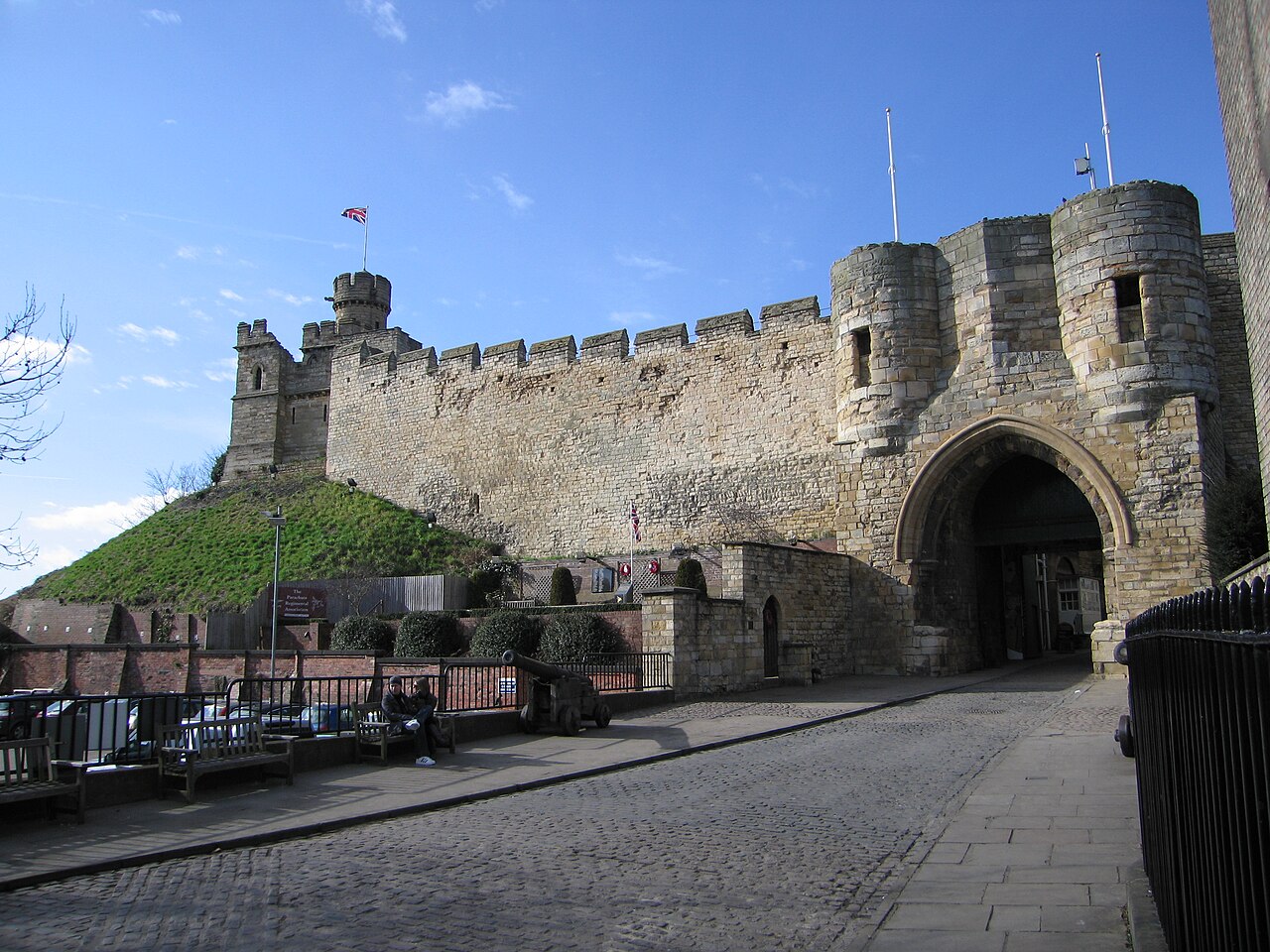
Within the same castle complex, the Lucy Tower offers a contrasting historical narrative. This 12th-century keep is situated atop the motte of Lincoln Castle and provides panoramic views of the city. Originally constructed shortly after the Norman Conquest of 1066, the castle was a key military stronghold designed to secure Norman control over the region.
Military significance of Lucy Tower
Lucy Tower played a pivotal role during the turbulent period known as "The Anarchy" in the mid-12th century. During the First Battle of Lincoln in 1141, forces loyal to Empress Matilda besieged the castle. The tower likely served as a vantage point for the garrison, contributing to the successful defense of the castle during this significant conflict.
Transition to Victorian penal use
By the 19th century, the motte surrounding Lucy Tower was repurposed as part of a prison complex. The tower grounds became a burial site for executed prisoners, marked by simple headstones that remain visible today. This transformation from a military fortress to a site associated with Victorian penal practices adds a layer of somber historical depth to the location.
Architectural and cultural legacy
Lincoln Castle, with its combination of medieval military architecture and Victorian prison facilities, encapsulates centuries of English history. The prison chapel's unique design and the enduring presence of Lucy Tower offer visitors a multifaceted experience that spans from Norman conquest and medieval warfare to the harsh realities of Victorian justice.
As a well-preserved historical site, Lincoln Castle continues to educate and engage the public, highlighting the evolution of justice, punishment, and architectural innovation over nearly a millennium.
Frequently asked questions (FAQ)
- How do I get to Lincoln Castle?
- Lincoln Castle is easily accessible by public transport, with frequent bus and train services connecting it to major cities. If you're driving, there are several car parks nearby, and the castle is a short walk from the city center.
- What is the historical significance of the Prison Chapel at Lincoln Castle?
- The Prison Chapel is an integral part of Lincoln Castle's rich history, dating back to the 19th century. It served as a place of worship for prisoners and is a rare example of a Victorian chapel within a prison setting.
- When was Lincoln Castle built?
- Lincoln Castle was originally built in 1068 by William the Conqueror, making it over 950 years old. The castle has undergone various modifications and restorations throughout its long history, reflecting different architectural styles.
- Can I take photographs inside the Prison Chapel?
- Yes, visitors are welcome to take photographs inside the Prison Chapel, but please be respectful of the space and other visitors. Flash photography may be restricted to preserve the atmosphere and integrity of the site.
- Why is Lincoln Castle popular among tourists?
- Lincoln Castle attracts visitors due to its fascinating history, stunning architecture, and its role in England's judicial past. The castle offers unique experiences, including guided tours, exhibitions, and panoramic views of Lincoln from the castle walls.
- Is it possible to access the Prison Chapel for those with mobility issues?
- Yes, Lincoln Castle is committed to being accessible to all visitors. There are ramps and designated paths to help those with mobility issues access the Prison Chapel and other areas of the castle.
- What are the opening hours of Lincoln Castle?
- Lincoln Castle typically opens daily from 10 AM to 5 PM, but hours may vary during the holiday season. It is recommended to check the official website for the most current information before your visit.
- What are the ticket prices for visiting Lincoln Castle?
- Ticket prices for Lincoln Castle usually range from £10 for adults to £6 for children, with concessions available for seniors and students. Family tickets may also be offered at a discounted rate, making it a great option for a day out.
- When is the best time to visit Lincoln Castle?
- The best time to visit Lincoln Castle is during the spring and early autumn months when the weather is mild and the gardens are in bloom. Visiting on weekdays can also help you avoid larger crowds, allowing for a more enjoyable experience.
- Are there any nearby attractions to visit after Lincoln Castle?
- Yes, after exploring Lincoln Castle, you can visit the stunning Lincoln Cathedral, which is just a short walk away. The nearby Steep Hill is also worth exploring, featuring charming shops, cafes, and scenic views of the city.
Information
Website
Visit websiteSources & official resources
Verify the information above using these authoritative references.
Loading map...
Visitor reviews
No reviews yet. Been here? Write the first review and help other travelers!
Write the first reviewVisited this castle? Share your experience
Your review helps other travelers and adds first-hand knowledge to our encyclopedia.