The King's Knot
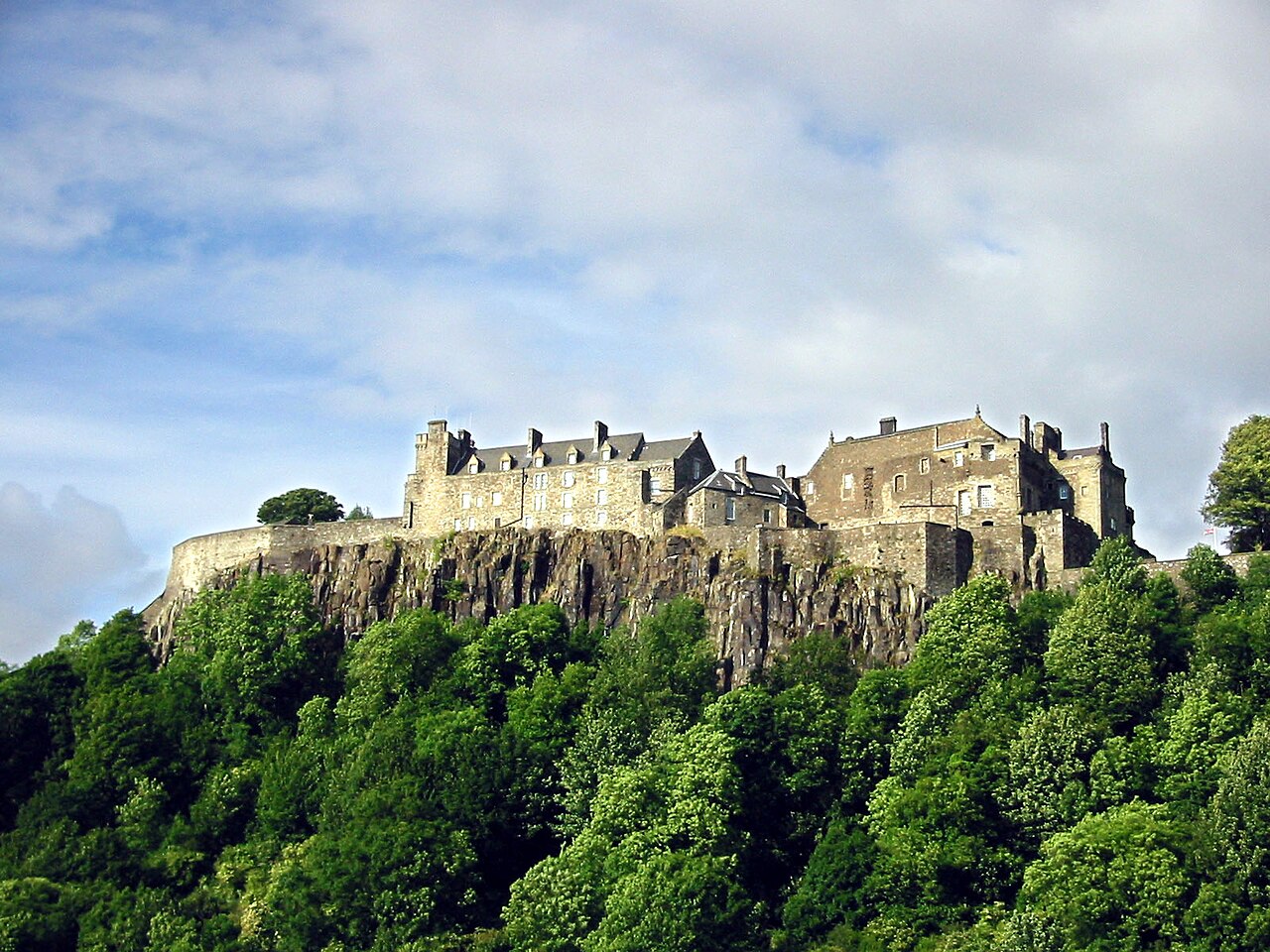
The King's Knot is a historic earthwork garden located within the ancient King's Park in Stirling, Scotland, nestled beneath the imposing Stirling Castle. This site represents a significant example of late medieval and early Renaissance landscape design associated with the Scottish royal court. The King's Knot, together with the adjacent Queen's Knot, forms part of a series of intricate geometric earthworks that once served as formal gardens and hunting grounds for Scottish monarchs.
Historical background and royal significance
King's Park has been Crown property since at least the late 12th century, first documented in 1190 as the "Aulde" park. By 1264, it was expanded and enclosed as the "Neu" park, specifically managed for deer and fox hunting, reflecting the importance of game preservation and royal leisure pursuits during the medieval period. The park's proximity to Stirling Castle made it an ideal location for royal recreation, including hunting, jousting, and outdoor festivities.
The most significant phase of development for the park, including the creation of the King's and Queen's Knots, occurred between 1490 and 1508. During this period, the area was transformed with the addition of formal gardens, orchards, fish ponds, and vegetable plots. Over 1,000 trees were planted in 1497 alone, demonstrating the scale and ambition of the project. These enhancements reflected the Renaissance influence on Scottish royal gardens, emphasizing symmetry, order, and controlled nature.
Architectural and landscape features
The King's Knot is a distinctive example of a knot garden, a style popular in late medieval and Renaissance Europe characterized by intricate patterns formed by low hedges or earthworks. Unlike many surviving knot gardens that use clipped box hedges, the King's Knot is an earthwork design consisting of raised banks and ditches forming interlaced loops and geometric shapes. This form of garden was both decorative and symbolic, representing control over nature and the sophistication of the royal household.
The earthworks are set within the larger context of the King's Park, which included a variety of landscape features such as orchards, fish ponds, and hunting enclosures. The park was carefully managed to support royal hunting activities, with enclosures for deer and foxes, and was a vital part of the royal household's food supply and leisure.
Decline and preservation
Following the Union of the Crowns in 1603, when the Scottish royal court relocated to London, the King's Park and its gardens, including the King's Knot, fell into neglect. Without regular maintenance, the formal garden structures became overgrown and partially obscured by natural vegetation. Over the centuries, the site has been subject to various degrees of preservation and archaeological interest.
Today, the King's Knot is recognized as a significant heritage feature within Stirling's historic landscape. Conservation efforts have focused on maintaining the earthworks' visibility and preventing further degradation. The site offers visitors a glimpse into the recreational and horticultural practices of Scotland's late medieval and early Renaissance monarchy.
Cultural and heritage importance
The King's Knot is not only an important historical garden earthwork but also a symbol of Scotland's royal past and its connection to Stirling Castle, one of the country's most iconic fortresses. The site's survival provides valuable insights into the design and function of royal parks and gardens during a formative period in Scottish history.
Visitors to Stirling can explore the King's Park and appreciate the King's Knot as part of a broader experience of Scotland's medieval heritage, combining military, residential, and recreational elements in one historic landscape.
Frequently asked questions (FAQ)
- What is the king's knot and where is it located?
- The King's Knot is a historic earthwork garden located within King's Park in Stirling, Scotland, near Stirling Castle. It is an example of a late medieval formal garden design.
- When was the king's knot created?
- The King's Knot was developed between 1490 and 1508 during a major period of landscaping and garden creation in King's Park.
- Why did the king's knot fall into neglect?
- After the Scottish royal court moved to London in 1603, the King's Park and its gardens, including the King's Knot, were abandoned and became overgrown over time.
- Can visitors see the king's knot today?
- Yes, the King's Knot is partially preserved and can be viewed in King's Park, offering insight into Scotland's royal garden heritage.
- What was the original purpose of King's Park?
- King's Park was originally Crown property used for royal hunting activities such as deer and fox hunting, as well as recreational pursuits like jousting.
Information
Loading map...
Visitor reviews
No reviews yet. Been here? Write the first review and help other travelers!
Write the first reviewVisited this castle? Share your experience
Your review helps other travelers and adds first-hand knowledge to our encyclopedia.