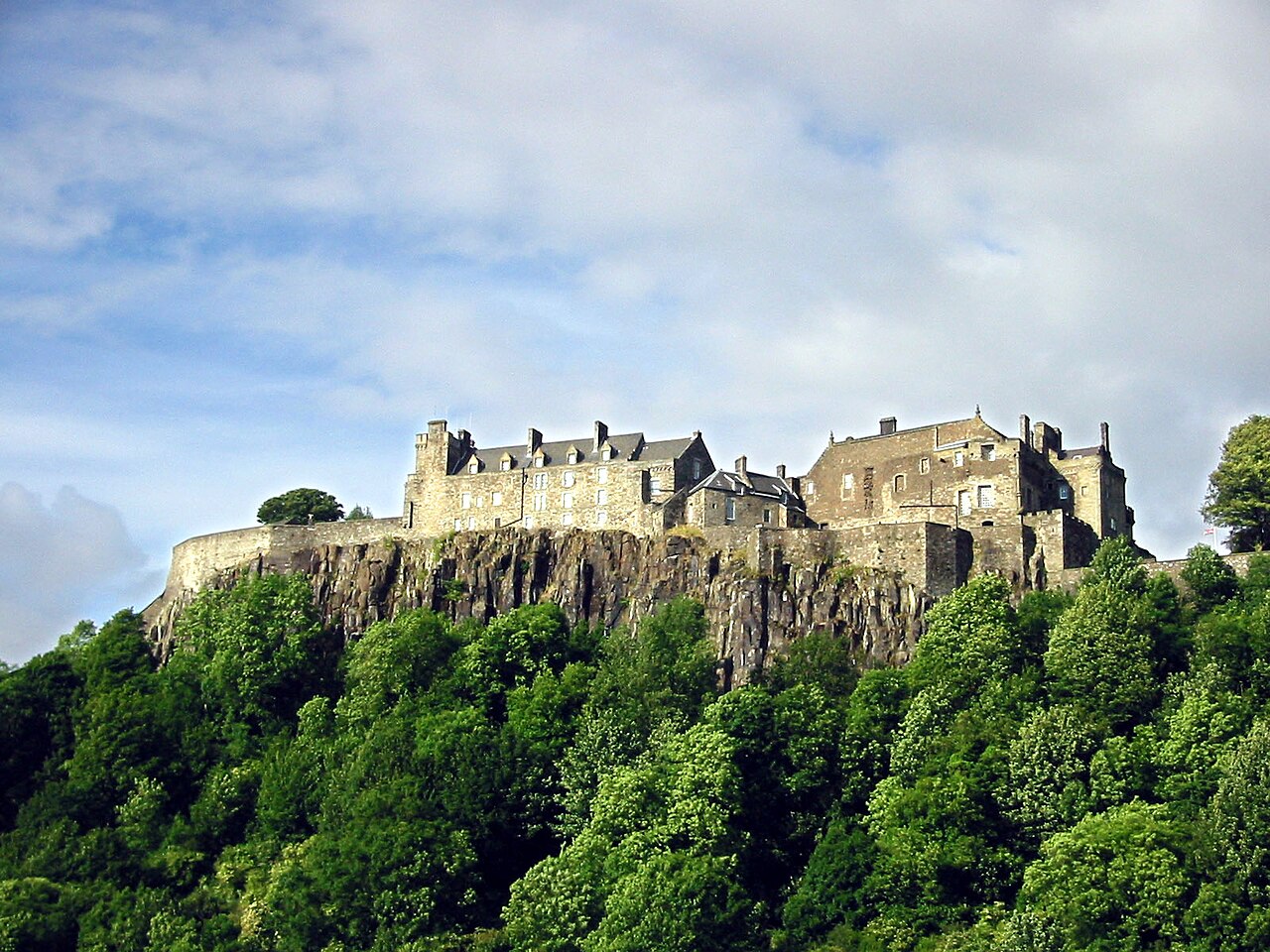
Airthrey Castle
Airthrey Castle stands as a notable example of a post-renaissance country house in Stirling, Scotland, with a history stretching back to the late 14th century. The estate first appears in records around 1370, marking its longstanding presence in Scottish heritage. Over the centuries, it passed through various owners, reflecting the changing fortunes and alliances of Scottish nobility. It became part of the Graham family estate before transferring to the Earl of Hopetoun, a title associated with the prominent Hopetoun House in West Lothian.
The current castle structure was designed in 1791 by the renowned Scottish architect Robert Adam, a leading figure in the neoclassical architectural movement. Adam's design for Airthrey Castle exemplifies the elegant style and symmetry characteristic of his work, blending classical elements with the functional needs of a grand country residence. The house features refined stonework, balanced façades, and well-proportioned windows that emphasize light and openness.
Historical ownership and estate development
Following its initial documentation in the 14th century, the Airthrey estate underwent several ownership changes. The Grahams held the property for a significant period, contributing to its development and local prominence. After the Adam-designed house was completed, the estate was sold to the Abercrombie family, who maintained it until the Grahams repurchased it in 1891. This period saw the estate adapt to the evolving social and economic contexts of Scotland, including agricultural improvements and landscaping enhancements typical of the era.
Architectural features and landscape
Airthrey Castle is set within extensive grounds that were landscaped to complement the house's neoclassical style. The estate includes mature woodlands, parkland, and water features that enhance the picturesque setting. The castle itself is a two-story stone building with a symmetrical layout, featuring classical pilasters and a central pediment. The interiors originally included spacious reception rooms, fine plasterwork, and detailed wood paneling, all hallmarks of Robert Adam's refined aesthetic.
The estate's landscaping reflects the influence of the 18th-century landscape movement, which emphasized naturalistic designs with carefully planned vistas and water elements. Airthrey Loch, located within the grounds, adds to the scenic quality and was likely integrated into the overall landscape design during the estate's development phases.
20th-century uses and transformation
In the 20th century, Airthrey Castle transitioned from a private residence to institutional use. It served as a maternity hospital, reflecting the broader trend of repurposing large country houses for public services during and after the World Wars. This phase introduced functional alterations to the building to accommodate medical facilities.
In 1969, the estate became the central site for the newly established University of Stirling. The castle and its grounds were incorporated into the university campus, with the building used for administrative offices and special events. The university's presence has ensured the preservation and continued use of the castle, blending historic architecture with modern academic life.
Preservation and current status
Airthrey Castle is currently well-preserved and maintained as part of the university estate. Its architectural integrity remains largely intact despite adaptations for institutional purposes. The castle is a significant heritage asset in Stirling, representing both Scotland's architectural evolution and the adaptive reuse of historic buildings in contemporary settings.
Visiting Airthrey Castle and the university grounds
While the castle itself is primarily used for university functions and is not generally open for public tours, the surrounding grounds and parkland are accessible for visitors and students. The estate offers scenic walking routes around Airthrey Loch and through mature woodlands, providing a tranquil environment within close proximity to Stirling city. The university occasionally hosts cultural and academic events in the castle, which can be of interest to visitors.
Information
Loading map...
Visitor reviews
No reviews yet. Been here? Write the first review and help other travelers!
Write the first reviewVisited this castle? Share your experience
Your review helps other travelers and adds first-hand knowledge to our encyclopedia.