The Japanese Castles of Korea
The Japanese castles of Korea, located primarily in the Busan region, represent a significant chapter in East Asian military history. Constructed in the late 16th century during the Imjin War (1592–1598), these fortresses were built by Japanese samurai lords, or daimyos, as part of an ambitious campaign to invade and conquer Joseon Korea and eventually Ming China. These castles were not traditional Korean fortresses but rather Japanese-style bastioned fortresses, designed to serve as strategic military strongholds and supply bases for the invading forces.
Historical context and military significance
The Imjin War began in the spring of 1592 when Toyotomi Hideyoshi, a powerful Japanese daimyo, launched a large-scale invasion of Korea. Japanese forces landed on the southeastern coast near Busan, quickly overrunning Korean defenses including the Busanjin garrison. The Japanese army utilized advanced military tactics and weaponry for the period, including arquebus firearms, which allowed them to scale walls and defeat Korean troops in several key battles.
Following their initial victories, the Japanese established a network of fortified castles along the Korean coast, particularly around Busan. These castles were constructed to secure supply lines, serve as defensive positions, and prepare for further advances into the Korean peninsula and beyond to China. The castles were typically built with stone walls, bastions, and moats, reflecting contemporary Japanese military architecture adapted to the Korean landscape.
Architectural features of the Japanese castles
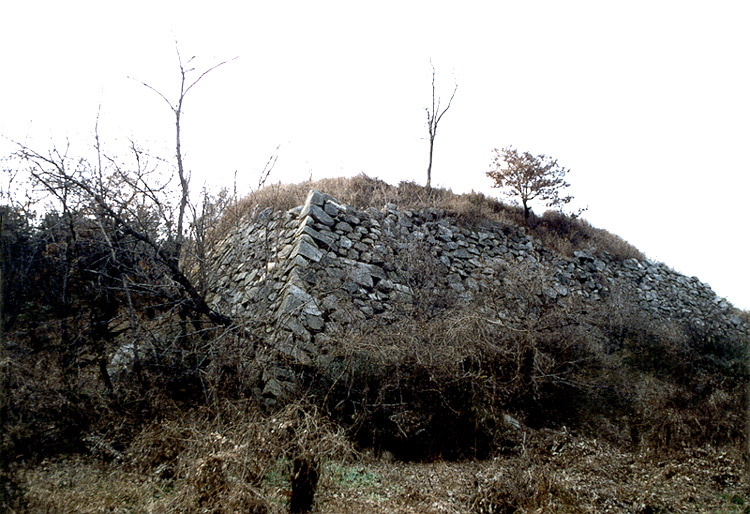
The Japanese castles in Korea are notable for their distinctive architectural style, which differs from traditional Korean fortresses. They often feature bastioned fortress designs, which include angular bastions for improved defensive capabilities and overlapping fields of fire. These bastions were designed to protect the castle walls from artillery and infantry assaults, a relatively advanced concept in East Asian fortifications at the time.
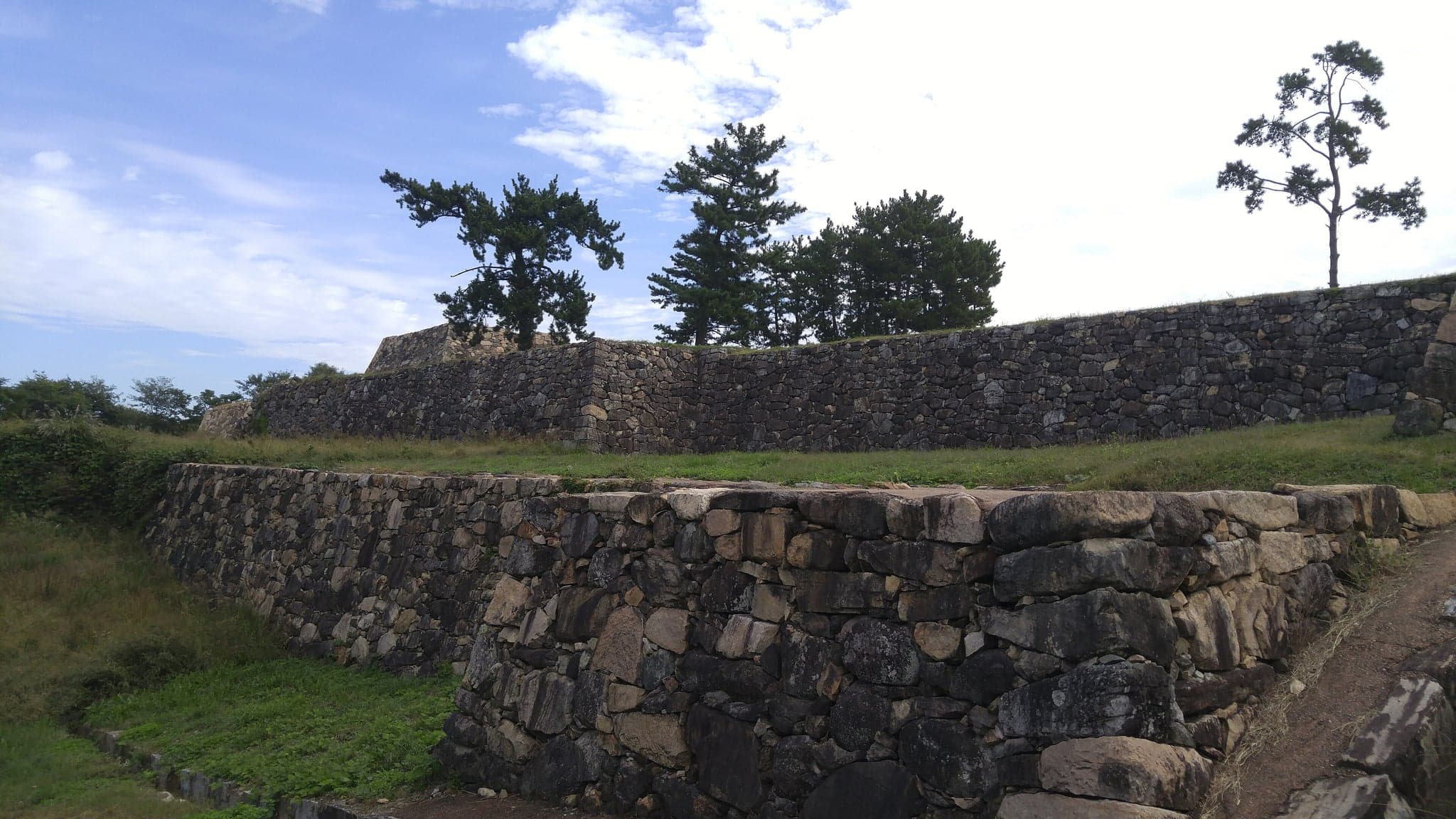
The walls were constructed using locally sourced stone, carefully fitted without mortar in some cases, and reinforced with earthworks. The castles included baileys—open courtyards enclosed by walls—used for troop assembly and logistical purposes. Many of these castles were situated on hills or coastal promontories to maximize defensive advantage and control over surrounding areas.
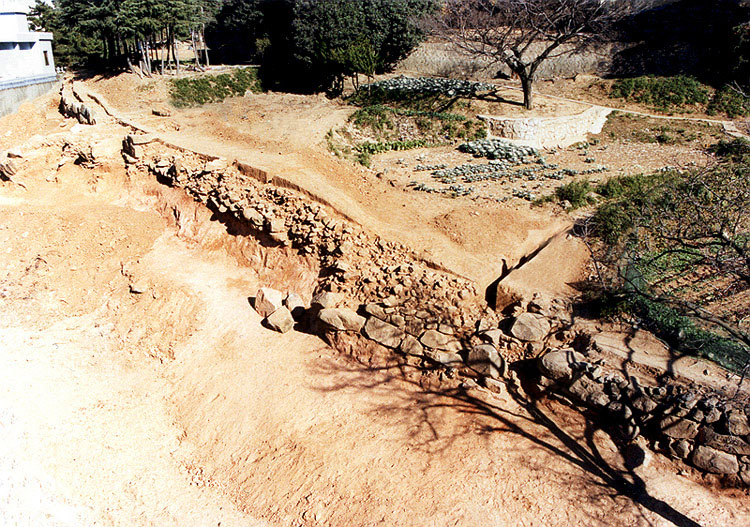
Today, the remnants of these castles are characterized by ivy-covered stone walls, grassy baileys, and scattered ruins that blend into peaceful green parks. Despite their ruined state, they offer valuable insights into the military strategies and architectural techniques of the late 16th century.
Role in the Imjin War and subsequent history
The Japanese castles played a crucial role during the Imjin War, serving as bases of operation for Japanese troops. However, the Korean defenders, aided by Ming Chinese forces, employed guerrilla tactics and innovative naval warfare, including the use of flame-throwing armored turtle ships, to counter the Japanese invasion. These efforts eventually led to the expulsion of Japanese forces from the Korean peninsula.
After the war, many of the castles were abandoned or fell into disrepair. Over the centuries, nature reclaimed much of the structures, leaving behind the ruins visible today. These sites stand as silent witnesses to the fierce battles fought between Koreans, Chinese, and Japanese during one of the most turbulent periods in Korean history.
Visiting the Japanese castle ruins today
Several of these 400-year-old castle ruins can still be visited around southeast Korea, especially in the Busan area. The sites are often incorporated into parks and nature reserves, providing a serene environment for visitors to explore the historic remains. Interpretive signage and occasional archaeological work help to explain the significance of the ruins and the events that unfolded there.
Visitors can walk along the remnants of stone walls, explore the grassy baileys, and imagine the strategic importance these fortresses once held. The peaceful surroundings contrast sharply with the violent history of the Imjin War, making these sites poignant reminders of Korea's resilience and the complex history of East Asian conflicts.
Frequently asked questions (FAQ)
- What is the historical significance of the Japanese Castles of Korea?
- The Japanese Castles of Korea represent a unique blend of Japanese and Korean architectural styles, showcasing the historical interactions between the two cultures. Built during the Japanese occupation, these castles serve as important reminders of the complex history of Korea and its resilience.
- When was the Japanese Castles of Korea constructed?
- The construction of the Japanese Castles of Korea began in the early 20th century, during the period of Japanese rule over Korea. Many of the structures were completed by the 1940s, reflecting the architectural trends of that era.
- What are the opening hours for visiting the Japanese Castles of Korea?
- The Japanese Castles of Korea are typically open to visitors from 9:00 AM to 6:00 PM daily. However, it is advisable to check the official website for any seasonal variations or special events that might affect these hours.
- Can I access the Japanese Castles of Korea with public transportation?
- Yes, the Japanese Castles of Korea are accessible via public transportation, including buses and the subway system in Busan. There are also signages to guide visitors from nearby transport stations to the castles.
- What is the best time to visit the Japanese Castles of Korea?
- The best time to visit the Japanese Castles of Korea is during the spring and autumn months, when the weather is mild and the scenery is particularly beautiful. These seasons also offer stunning views of cherry blossoms and autumn foliage around the castles.
- Are there any nearby attractions to explore after visiting the castles?
- Yes, visitors can explore several nearby attractions such as the Busan Museum, Yongdusan Park, and the bustling Jagalchi Fish Market. Each of these sites provides a unique glimpse into the culture and history of Busan.
- Is it possible to take guided tours of the Japanese Castles of Korea?
- Yes, guided tours are available and can enhance your understanding of the historical context and architectural features of the castles. It’s recommended to book these tours in advance, especially during peak tourist seasons.
- What are the ticket prices for visiting the Japanese Castles of Korea?
- Admission to the Japanese Castles of Korea is generally affordable, with ticket prices around 5,000 KRW for adults and discounts available for children and seniors. It’s advisable to check for any special promotions or group rates on the official website.
Photo gallery

Information
Loading map...
Visitor reviews
No reviews yet. Been here? Write the first review and help other travelers!
Write the first reviewVisited this castle? Share your experience
Your review helps other travelers and adds first-hand knowledge to our encyclopedia.