Gupo Waeseong — South Korea castle

Gupo Waeseong

Gupo Waeseong hill castle in Korea

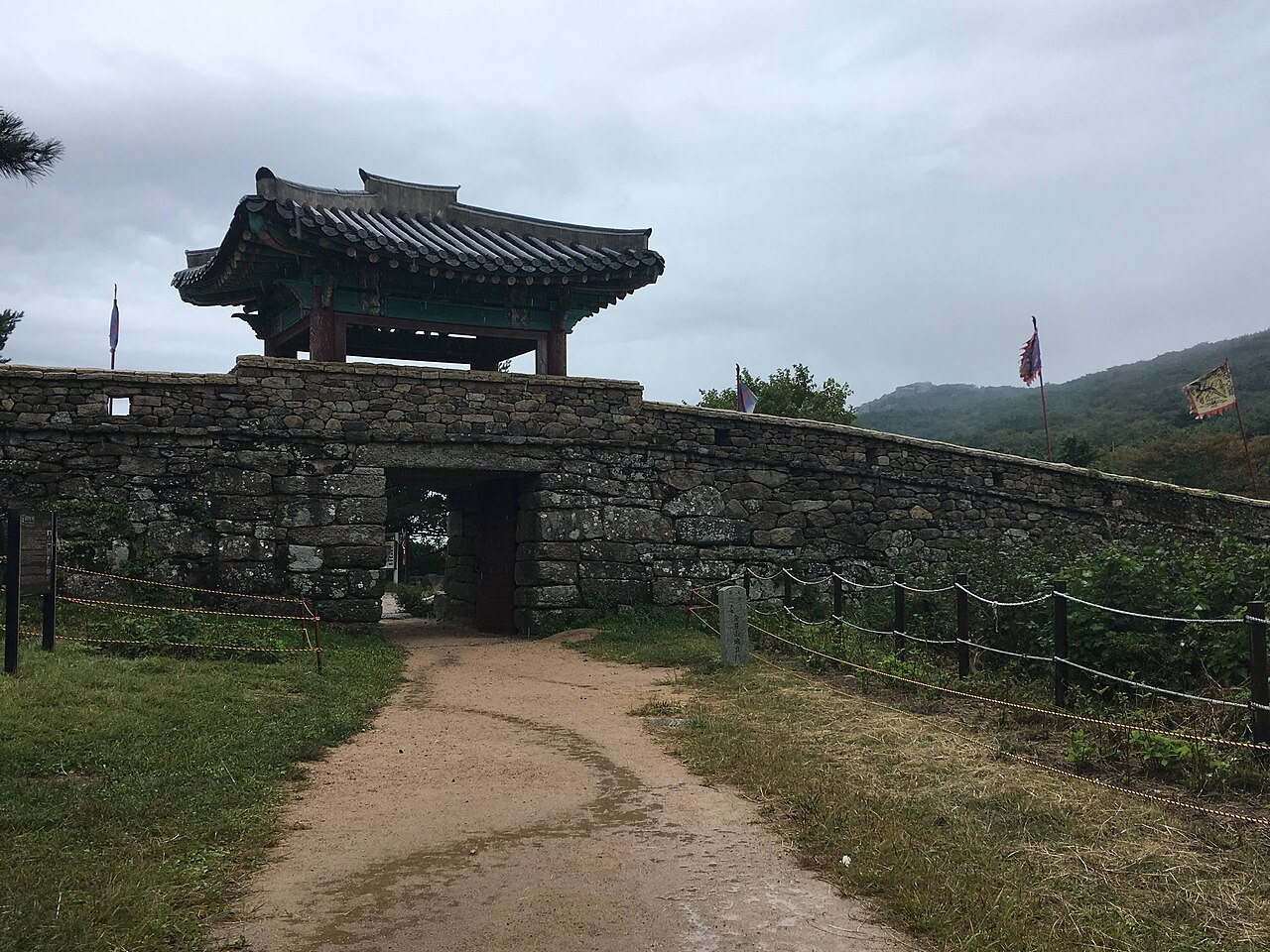
Gupo Waeseong is a historic hill castle located in Korea, notable for its strategic position and traditional Korean fortress design. This castle exemplifies the defensive architecture typical of Korean hilltop fortresses, which were often constructed to take advantage of natural terrain for military purposes.

Historical background and purpose

The castle served primarily as a military stronghold, designed to protect the surrounding region from invasions and raids. Hill castles like Gupo Waeseong were integral to Korea's defense strategy, especially during periods of conflict such as the Joseon Dynasty and earlier eras. These fortifications were often manned by local troops and served as lookout points to monitor enemy movements.

Architectural features and layout

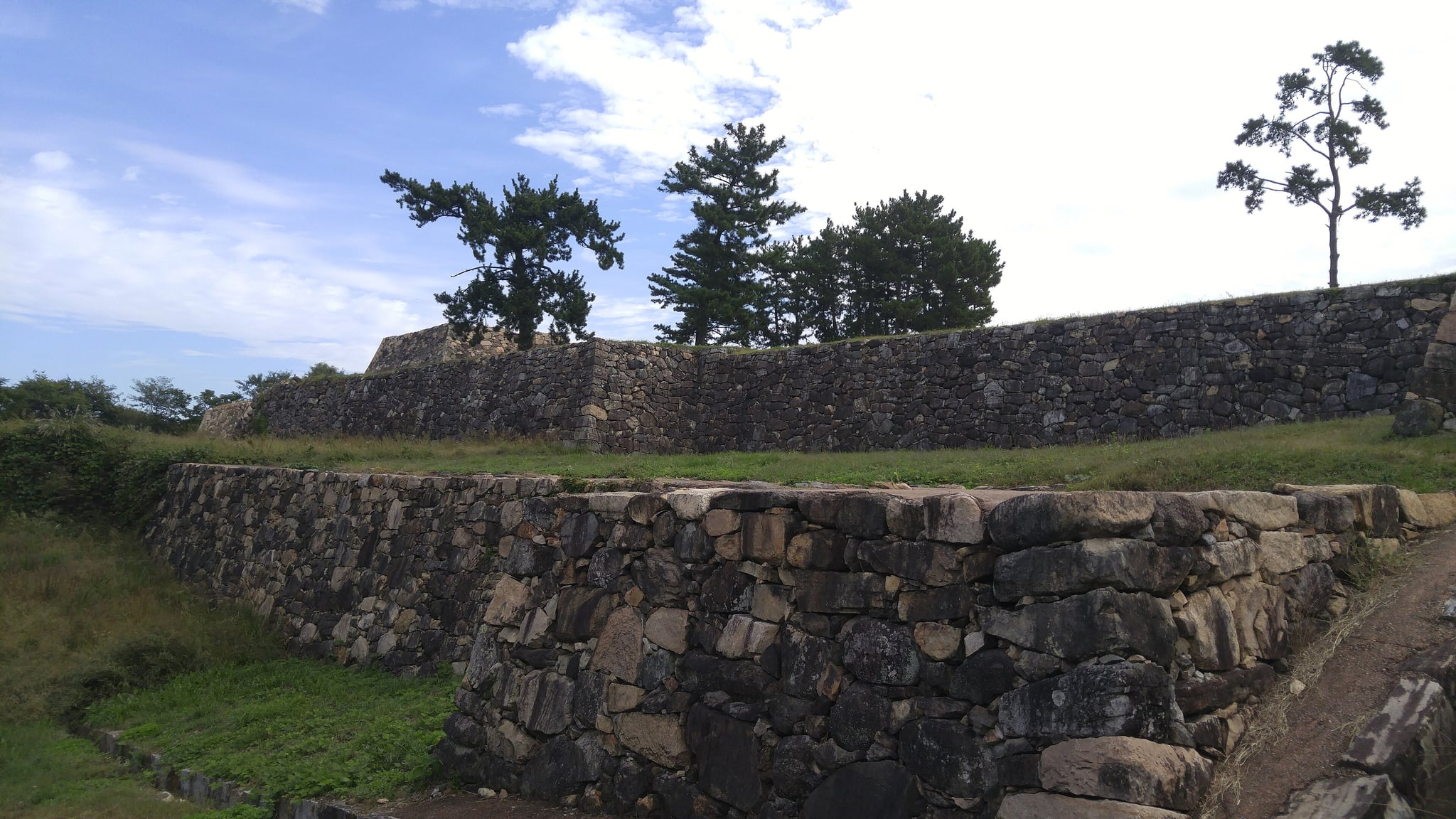
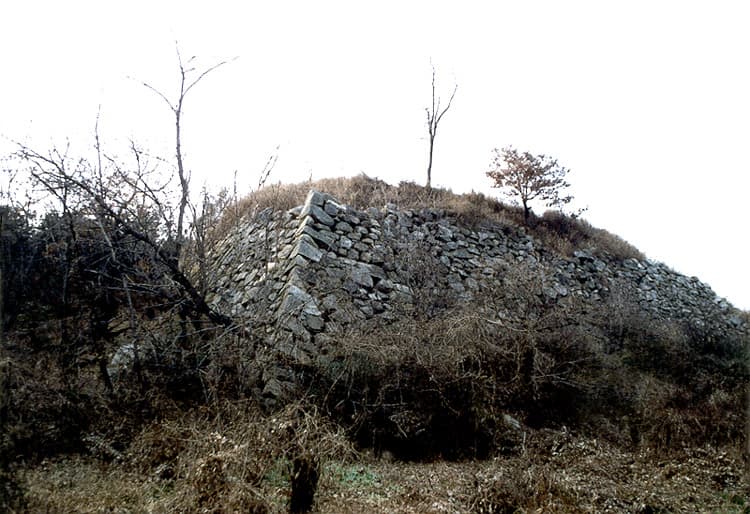
Gupo Waeseong is characterized by its use of natural topography, with walls and ramparts built to follow the contours of the hill. The fortress likely includes stone walls reinforced with earthworks, typical of Korean hill castles. Gates and watchtowers would have been strategically placed to maximize visibility and defense capabilities.

Traditional Korean fortress construction often involved layering stone and earth, creating walls that could absorb and deflect attacks. The design emphasizes both functionality and harmony with the landscape, allowing defenders to utilize the height advantage effectively.

Defensive structures

The castle's defensive elements would include battlements and arrow slits for archers, as well as moats or ditches where terrain permitted. These features were designed to slow enemy advances and provide protection for the garrison.

Cultural significance and preservation

Gupo Waeseong represents an important part of Korea's military heritage. While specific historical records about this castle may be limited, hill castles like it are valued for their role in regional defense and their embodiment of traditional Korean military architecture.

Preservation efforts for such sites focus on maintaining structural integrity and preventing erosion, ensuring that these cultural landmarks remain accessible for education and tourism.

Visiting Gupo Waeseong

Visitors to Gupo Waeseong can explore the remains of the fortress walls and enjoy panoramic views from the hilltop. The site offers insights into Korea's historical military strategies and architectural techniques. Information signage and guided tours may be available to enhance the educational experience.

Frequently asked questions (FAQ)

What is Gupo Waeseong?
Gupo Waeseong is a historic castle located in the Republic of Korea, known for its impressive architecture and significant role in the region's history. Built during the Joseon Dynasty, it served as a military fortification and a symbol of power. The castle features beautifully preserved walls and scenic views, making it a popular destination for history buffs and tourists alike.
When was Gupo Waeseong built?
Gupo Waeseong was constructed in the late 15th century, specifically in 1480, during the reign of King Seongjong. It was strategically built to protect the area from invasions and to assert the authority of the Joseon Dynasty. The castle's design reflects the military architecture of its time and provides insight into the history of the period.
Can I visit Gupo Waeseong?
Yes, Gupo Waeseong is open to the public, and visitors are welcome to explore its grounds and learn about its history. Guided tours are available, offering deeper insights into the castle's significance and architecture. Make sure to check the local guidelines and any special events that may be taking place during your visit.
What are the opening hours for Gupo Waeseong?
Gupo Waeseong typically opens at 9 AM and closes at 6 PM, but hours may vary depending on the season. It is advisable to check the official website or contact local tourism offices for the most current information before planning your visit. Extended hours may be available during peak tourist seasons or special events.
Is it possible to access Gupo Waeseong by public transport?
Yes, Gupo Waeseong is accessible via public transport, including buses and subways that connect to the nearby areas. Many visitors find it convenient to use local taxis or rideshare services for a direct route to the castle. Be sure to check local transit maps for the best routes.
What is the best time to visit Gupo Waeseong?
The best time to visit Gupo Waeseong is during the spring and autumn months when the weather is mild and the scenery is particularly beautiful. Cherry blossoms in spring and autumn foliage provide stunning backdrops for photography. Additionally, visiting during these seasons allows you to enjoy various cultural events and festivals held in the area.
Are there any nearby attractions to explore?
Yes, there are several attractions near Gupo Waeseong worth visiting, including traditional markets, museums, and other historical sites. The nearby Gupo Market offers a vibrant local atmosphere with delicious street food and unique shopping experiences. Additionally, the area is rich in cultural heritage, providing plenty of opportunities for exploration.
What are the ticket prices for Gupo Waeseong?
Admission to Gupo Waeseong is generally affordable, with ticket prices typically ranging from 2,000 to 5,000 KRW for adults. Discounts may be available for students and children, making it a budget-friendly option for families. It's a good idea to check for any special promotions or packages that may enhance your experience.

Photo gallery

Gupo Waeseong
Click to view

Photo by 문화재청 (공공누리 제1유형)•KOGL Type 1

1 photo • Click any image to view in full screen

Information

Hill Castle

Loading map...

Visitor reviews

No reviews yet. Been here? Write the first review and help other travelers!

Write the first review

Visited this castle? Share your experience

Your review helps other travelers and adds first-hand knowledge to our encyclopedia.
Write a review

(5/5)

0/2000 characters

Your review will be visible after admin approval

Nearby castles

7.8 km
Dongnaeeupseong Fortress — South Korea castle

Dongnaeeupseong Fortress

Busan, South Korea

Dongnaeeupseong fortress (Korean: 동래읍성; Hanja: 東萊邑城) is a significant Goryeo-era Korean fortress situated in the Dongnae District of Busan, South Korea. Perched on the slopes of Maansan mountain, this fortress exemplifies the military architecture and strategic defense systems of medieval Korea. It served as a vital stronghold for centuries, reflecting the region's turbulent history and the defensive needs of the Korean peninsula. Historical background and significance Constructed in the 11th century during the Goryeo dynasty, Dongnaeeupseong fortress played a crucial role in protecting the southeastern coast of Korea. The fortress was strategically positioned to defend against invasions and served as a local administrative center. Over time, it witnessed numerous military engagements, including conflicts during the Joseon period and the Imjin War (1592–1598), when Japanese forces invaded Korea. Despite periods of disuse, notably between the 17th and mid-18th centuries, the fortress remained a symbol of regional resilience. It continued to be used until the mid-20th century before ceasing military functions and transitioning to a cultural heritage site. Architectural features and design Dongnaeeupseong is classified as a bastioned fortress, a style that incorporates angled bastions projecting from the curtain walls, allowing defenders to cover adjacent walls with crossfire. This design reflects advanced military engineering principles aimed at maximizing defensive capabilities against artillery and infantry assaults. The fortress walls are constructed primarily from stone, following traditional Korean masonry techniques. The walls are thick and robust, enclosing an irregularly shaped area adapted to the mountainous terrain of Maansan. The fortress includes multiple gates, watchtowers, and bastions, each positioned to optimize surveillance and defense. Within the walls, remnants of administrative buildings, barracks, and storage facilities indicate the fortress's role beyond pure military defense, serving also as a local government center and garrison. Role during the Imjin War and other conflicts During the Imjin War, Dongnaeeupseong fortress was a critical defensive site against Japanese invasions. It endured several sieges and battles, demonstrating the resilience of its fortifications and the strategic importance of its location. The fortress's bastioned design helped defenders repel attackers and provided a stronghold for Korean forces in the region. Following the war, the fortress underwent repairs and modifications to address damages and adapt to evolving military technologies. Its continued use into the Joseon dynasty underscores its enduring military and administrative significance. Preservation and modern status Today, Dongnaeeupseong fortress is recognized as a valuable cultural and historical asset. Although some sections have deteriorated or been lost over time, significant portions of the stone walls, gates, and bastions remain well preserved. Restoration efforts have aimed to maintain the fortress's structural integrity and historical authenticity. The site functions as a popular tourist attraction and educational resource, offering visitors insights into Korea's medieval military architecture and history. The fortress grounds host cultural events and reenactments, enriching public understanding of the region's heritage. Visiting information and cultural importance Located within Busan, South Korea's second-largest city, Dongnaeeupseong fortress is accessible to both domestic and international visitors. The fortress's setting on Maansan mountain provides scenic views and an immersive historical experience. Visitors can explore the fortress walls, gates, and remaining structures, often accompanied by informational signage and guided tours. The site is an important symbol of Korean resilience and architectural ingenuity, reflecting centuries of history in the region. Architectural style and classification The fortress exemplifies the bastioned fortress type, characteristic of fortifications designed to withstand artillery attacks with angled bastions allowing flanking fire. Its construction in the high medieval period aligns with the military architectural trends of the time in East Asia. Construction and materials Built primarily from locally sourced stone, the fortress walls demonstrate traditional Korean masonry techniques adapted to the mountainous terrain. The use of stone and the bastioned design contributed to its durability and defensive strength.

High Medieval (11th–13th c.)
Details
8.6 km
Geumjeongsanseong — South Korea castle

Geumjeongsanseong

Busan, South Korea

Geumjeongsanseong (Korean: 금정산성; Hanja: 金井山城; lit. 'Geumjeong Mountain Fortress') stands as the largest fortress in Korea, located on the slopes of Geumjeongsan mountain in Busan, South Korea. This Joseon-era fortress was constructed in the 18th century during the post-Renaissance period, reflecting the military architectural advancements of its time.The fortress was built primarily as a defensive stronghold to protect the region from potential invasions, particularly during a period when Korea faced threats from Japanese pirates and other foreign forces. Its strategic location atop Geumjeongsan mountain provided commanding views of the surrounding landscape, allowing for early detection of approaching enemies and effective defense coordination.Historical background and constructionConstruction of Geumjeongsanseong began in the early 18th century, under the reign of the Joseon dynasty, which sought to bolster the kingdom’s defenses following the turbulent years of the late 16th and early 17th centuries. The fortress was designed to serve as a military refuge and a bastion against invasions, particularly from Japanese forces who had previously launched raids along the Korean coast.The fortress walls extend over 17 kilometers, enclosing an area that includes multiple gates, watchtowers, and military facilities. The walls are built primarily of stone, featuring bastioned fortifications that were advanced for their time, allowing defenders to cover multiple angles of approach and to repel attackers effectively.Architectural features and layoutGeumjeongsanseong is characterized by its bastion-style defensive walls, which incorporate both traditional Korean fortress design and elements influenced by contemporary military architecture. The walls are thick and tall, constructed from large granite blocks sourced from the surrounding mountains.The fortress includes several major gates, each strategically placed to control access and facilitate troop movements. Notable gates include the Jangdae Gate, Dongnae Gate, and Seo Gate. These gates are reinforced with guardhouses and defensive towers, providing strong points for defense.Within the fortress, there are remains of military barracks, command posts, and storage facilities. The fortress also housed a water supply system, including wells and reservoirs, critical for sustaining a prolonged defense during sieges.Military significance and historical roleThroughout its history, Geumjeongsanseong played a crucial role in regional defense. It served as a refuge for local populations during invasions and as a military base for Joseon forces. The fortress's elevated position and robust construction made it a formidable obstacle for any invading army.While the fortress did not witness many large-scale battles, its presence contributed to deterrence and regional stability. It also functioned as a command center during various military campaigns and emergencies in the Busan area.Preservation and modern statusToday, Geumjeongsanseong is recognized as a significant cultural heritage site in South Korea. Portions of the fortress walls and gates have been restored or preserved, allowing visitors to experience the scale and design of this historic military structure.The site offers hiking trails that follow the fortress walls, providing panoramic views of Busan and the surrounding landscape. It attracts both history enthusiasts and outdoor adventurers, combining cultural education with natural beauty.Efforts continue to maintain and protect the fortress from natural degradation, ensuring that this impressive example of Joseon military architecture remains accessible for future generations.

Post-Renaissance (17th–18th c.)
Details
10.2 km
The Japanese Castles of Korea — South Korea castle

The Japanese Castles of Korea

Busan, South Korea

The Japanese castles of Korea, located primarily in the Busan region, represent a significant chapter in East Asian military history. Constructed in the late 16th century during the Imjin War (1592–1598), these fortresses were built by Japanese samurai lords, or daimyos, as part of an ambitious campaign to invade and conquer Joseon Korea and eventually Ming China. These castles were not traditional Korean fortresses but rather Japanese-style bastioned fortresses, designed to serve as strategic military strongholds and supply bases for the invading forces. Historical context and military significance The Imjin War began in the spring of 1592 when Toyotomi Hideyoshi, a powerful Japanese daimyo, launched a large-scale invasion of Korea. Japanese forces landed on the southeastern coast near Busan, quickly overrunning Korean defenses including the Busanjin garrison. The Japanese army utilized advanced military tactics and weaponry for the period, including arquebus firearms, which allowed them to scale walls and defeat Korean troops in several key battles. Following their initial victories, the Japanese established a network of fortified castles along the Korean coast, particularly around Busan. These castles were constructed to secure supply lines, serve as defensive positions, and prepare for further advances into the Korean peninsula and beyond to China. The castles were typically built with stone walls, bastions, and moats, reflecting contemporary Japanese military architecture adapted to the Korean landscape. Architectural features of the Japanese castles The Japanese castles in Korea are notable for their distinctive architectural style, which differs from traditional Korean fortresses. They often feature bastioned fortress designs, which include angular bastions for improved defensive capabilities and overlapping fields of fire. These bastions were designed to protect the castle walls from artillery and infantry assaults, a relatively advanced concept in East Asian fortifications at the time. The walls were constructed using locally sourced stone, carefully fitted without mortar in some cases, and reinforced with earthworks. The castles included baileys—open courtyards enclosed by walls—used for troop assembly and logistical purposes. Many of these castles were situated on hills or coastal promontories to maximize defensive advantage and control over surrounding areas. Today, the remnants of these castles are characterized by ivy-covered stone walls, grassy baileys, and scattered ruins that blend into peaceful green parks. Despite their ruined state, they offer valuable insights into the military strategies and architectural techniques of the late 16th century. Role in the Imjin War and subsequent history The Japanese castles played a crucial role during the Imjin War, serving as bases of operation for Japanese troops. However, the Korean defenders, aided by Ming Chinese forces, employed guerrilla tactics and innovative naval warfare, including the use of flame-throwing armored turtle ships, to counter the Japanese invasion. These efforts eventually led to the expulsion of Japanese forces from the Korean peninsula. After the war, many of the castles were abandoned or fell into disrepair. Over the centuries, nature reclaimed much of the structures, leaving behind the ruins visible today. These sites stand as silent witnesses to the fierce battles fought between Koreans, Chinese, and Japanese during one of the most turbulent periods in Korean history. Visiting the Japanese castle ruins today Several of these 400-year-old castle ruins can still be visited around southeast Korea, especially in the Busan area. The sites are often incorporated into parks and nature reserves, providing a serene environment for visitors to explore the historic remains. Interpretive signage and occasional archaeological work help to explain the significance of the ruins and the events that unfolded there. Visitors can walk along the remnants of stone walls, explore the grassy baileys, and imagine the strategic importance these fortresses once held. The peaceful surroundings contrast sharply with the violent history of the Imjin War, making these sites poignant reminders of Korea's resilience and the complex history of East Asian conflicts.

Late Medieval (14th–15th c.)
Details