Dongnaeeupseong Fortress
Dongnaeeupseong fortress (Korean: 동래읍성; Hanja: 東萊邑城) is a significant Goryeo-era Korean fortress situated in the Dongnae District of Busan, South Korea. Perched on the slopes of Maansan mountain, this fortress exemplifies the military architecture and strategic defense systems of medieval Korea. It served as a vital stronghold for centuries, reflecting the region's turbulent history and the defensive needs of the Korean peninsula.
Historical background and significance
Constructed in the 11th century during the Goryeo dynasty, Dongnaeeupseong fortress played a crucial role in protecting the southeastern coast of Korea. The fortress was strategically positioned to defend against invasions and served as a local administrative center. Over time, it witnessed numerous military engagements, including conflicts during the Joseon period and the Imjin War (1592–1598), when Japanese forces invaded Korea.
Despite periods of disuse, notably between the 17th and mid-18th centuries, the fortress remained a symbol of regional resilience. It continued to be used until the mid-20th century before ceasing military functions and transitioning to a cultural heritage site.
Architectural features and design
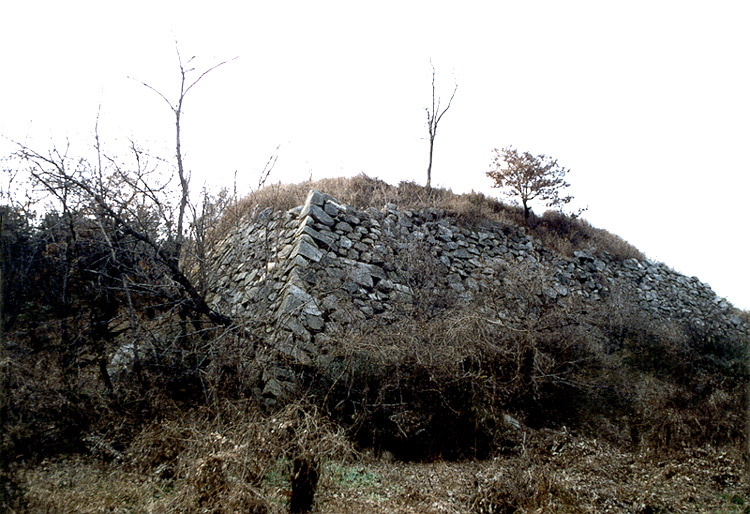
Dongnaeeupseong is classified as a bastioned fortress, a style that incorporates angled bastions projecting from the curtain walls, allowing defenders to cover adjacent walls with crossfire. This design reflects advanced military engineering principles aimed at maximizing defensive capabilities against artillery and infantry assaults.
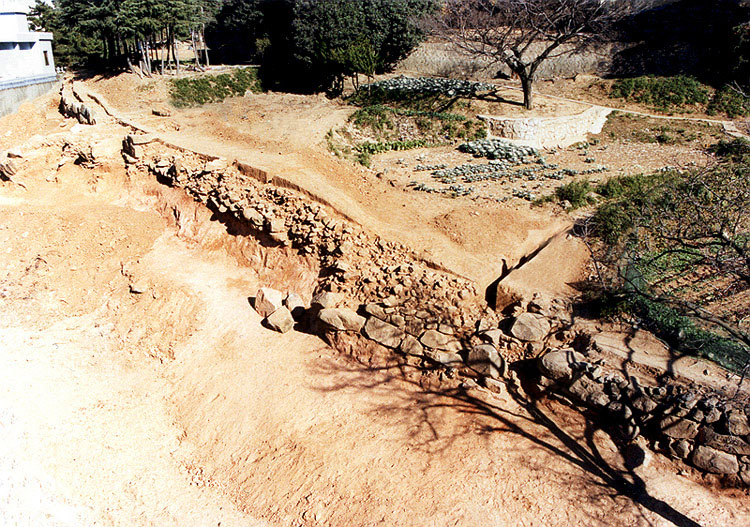
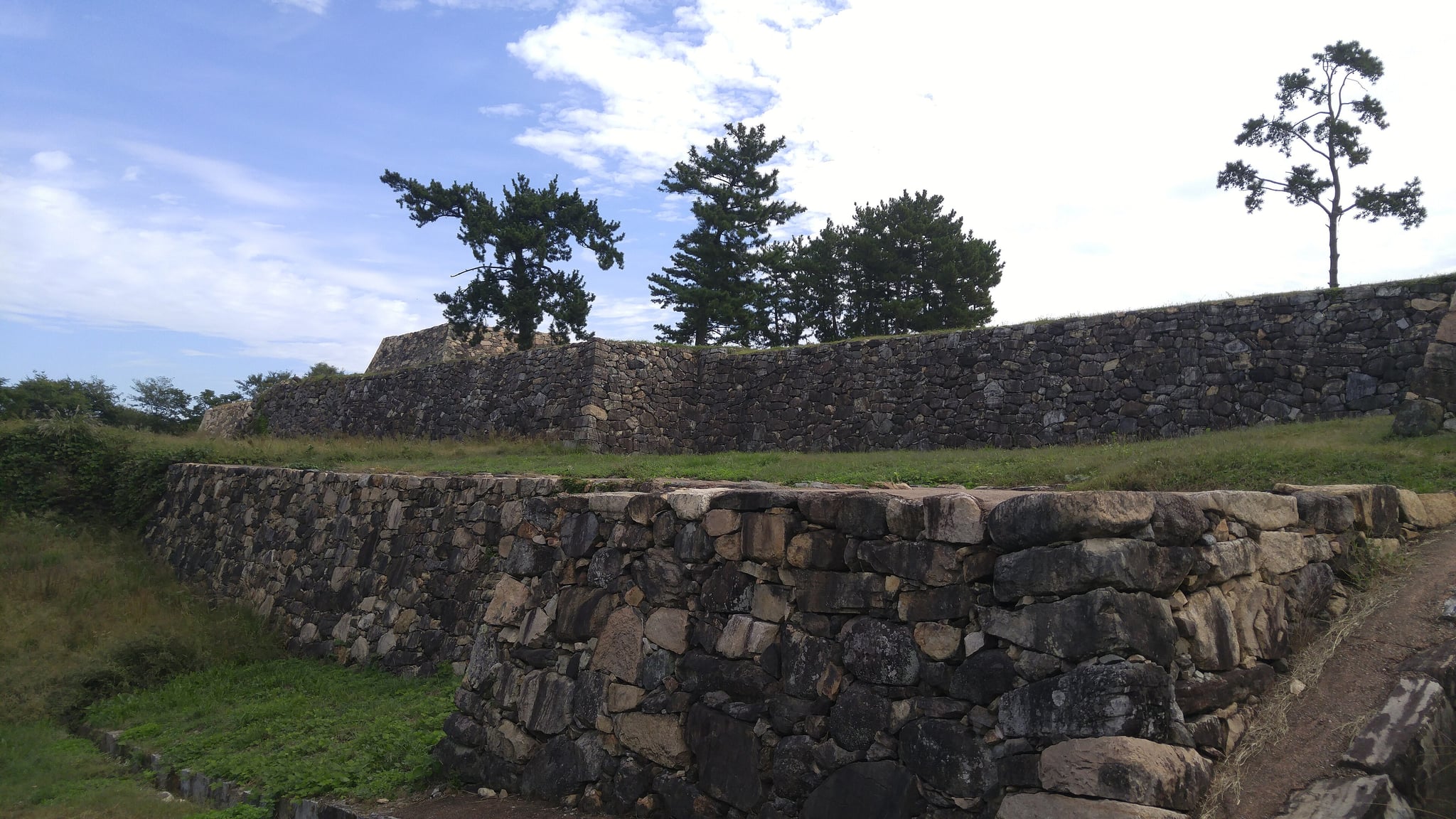
The fortress walls are constructed primarily from stone, following traditional Korean masonry techniques. The walls are thick and robust, enclosing an irregularly shaped area adapted to the mountainous terrain of Maansan. The fortress includes multiple gates, watchtowers, and bastions, each positioned to optimize surveillance and defense.
Within the walls, remnants of administrative buildings, barracks, and storage facilities indicate the fortress's role beyond pure military defense, serving also as a local government center and garrison.
Role during the Imjin War and other conflicts
During the Imjin War, Dongnaeeupseong fortress was a critical defensive site against Japanese invasions. It endured several sieges and battles, demonstrating the resilience of its fortifications and the strategic importance of its location. The fortress's bastioned design helped defenders repel attackers and provided a stronghold for Korean forces in the region.
Following the war, the fortress underwent repairs and modifications to address damages and adapt to evolving military technologies. Its continued use into the Joseon dynasty underscores its enduring military and administrative significance.
Preservation and modern status
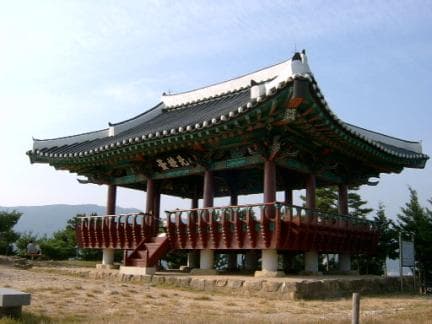
Today, Dongnaeeupseong fortress is recognized as a valuable cultural and historical asset. Although some sections have deteriorated or been lost over time, significant portions of the stone walls, gates, and bastions remain well preserved. Restoration efforts have aimed to maintain the fortress's structural integrity and historical authenticity.
The site functions as a popular tourist attraction and educational resource, offering visitors insights into Korea's medieval military architecture and history. The fortress grounds host cultural events and reenactments, enriching public understanding of the region's heritage.
Visiting information and cultural importance
Located within Busan, South Korea's second-largest city, Dongnaeeupseong fortress is accessible to both domestic and international visitors. The fortress's setting on Maansan mountain provides scenic views and an immersive historical experience.
Visitors can explore the fortress walls, gates, and remaining structures, often accompanied by informational signage and guided tours. The site is an important symbol of Korean resilience and architectural ingenuity, reflecting centuries of history in the region.
Architectural style and classification
The fortress exemplifies the bastioned fortress type, characteristic of fortifications designed to withstand artillery attacks with angled bastions allowing flanking fire. Its construction in the high medieval period aligns with the military architectural trends of the time in East Asia.
Construction and materials
Built primarily from locally sourced stone, the fortress walls demonstrate traditional Korean masonry techniques adapted to the mountainous terrain. The use of stone and the bastioned design contributed to its durability and defensive strength.
Frequently asked questions (FAQ)
- What is the historical significance of Dongnaeeupseong fortress?
- Dongnaeeupseong fortress was built in the 11th century during the Goryeo dynasty and served as a key defensive stronghold in southeastern Korea, playing an important role during the Imjin War against Japanese invasions.
- Can visitors explore the fortress today?
- Yes, Dongnaeeupseong fortress is well preserved and open to the public as a tourist attraction, offering access to its walls, gates, and bastions with informational signage and guided tours.
- Where is Dongnaeeupseong fortress located?
- The fortress is located on Maansan mountain in the Dongnae District of Busan, South Korea, providing scenic views and historical context within the city.
- What architectural style does Dongnaeeupseong fortress represent?
- It is a bastioned fortress, a style featuring angled bastions for enhanced defensive coverage, typical of high medieval military architecture in East Asia.
Photo gallery

Information
Loading map...
Visitor reviews
No reviews yet. Been here? Write the first review and help other travelers!
Write the first reviewVisited this castle? Share your experience
Your review helps other travelers and adds first-hand knowledge to our encyclopedia.