Fortress site of Gyeongsang Jwasuyeong
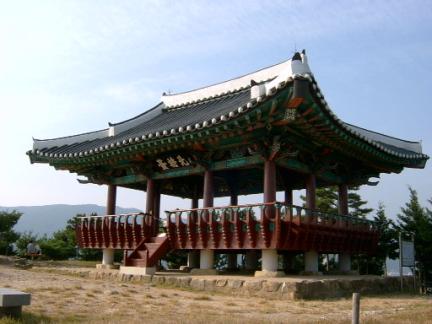
The Fortress site of Gyeongsang Jwasuyeong (Korean: 경상좌수영성지) is located in Suyeong-dong, Suyeong District, Busan, South Korea. This site represents the remains of the main fortress that served as the naval command center for the Gyeongsangjwado naval forces during the Joseon Dynasty. It played a crucial role in defending Korea's east coast, overseeing a fleet that at its peak included seven naval ports with a combined total of 65 battle ships and 40 auxiliary vessels.
The fortress's command post underwent several relocations during its operational history. Initially, it was based at Busanpo, then moved to Gaeunpo at Ulsan. Immediately before the Imjin War (1592–1598), the headquarters was relocated to the current site in Suyeong-dong. Later, during the reign of King Injo (1623–1649), it was moved to Gammanipo, only to be returned here in 1652, the third year of King Hyojong's reign. The fortress remained the naval command center until the military reforms of 1895 led to the disbanding of the Joseon naval forces.
Architectural features and construction details
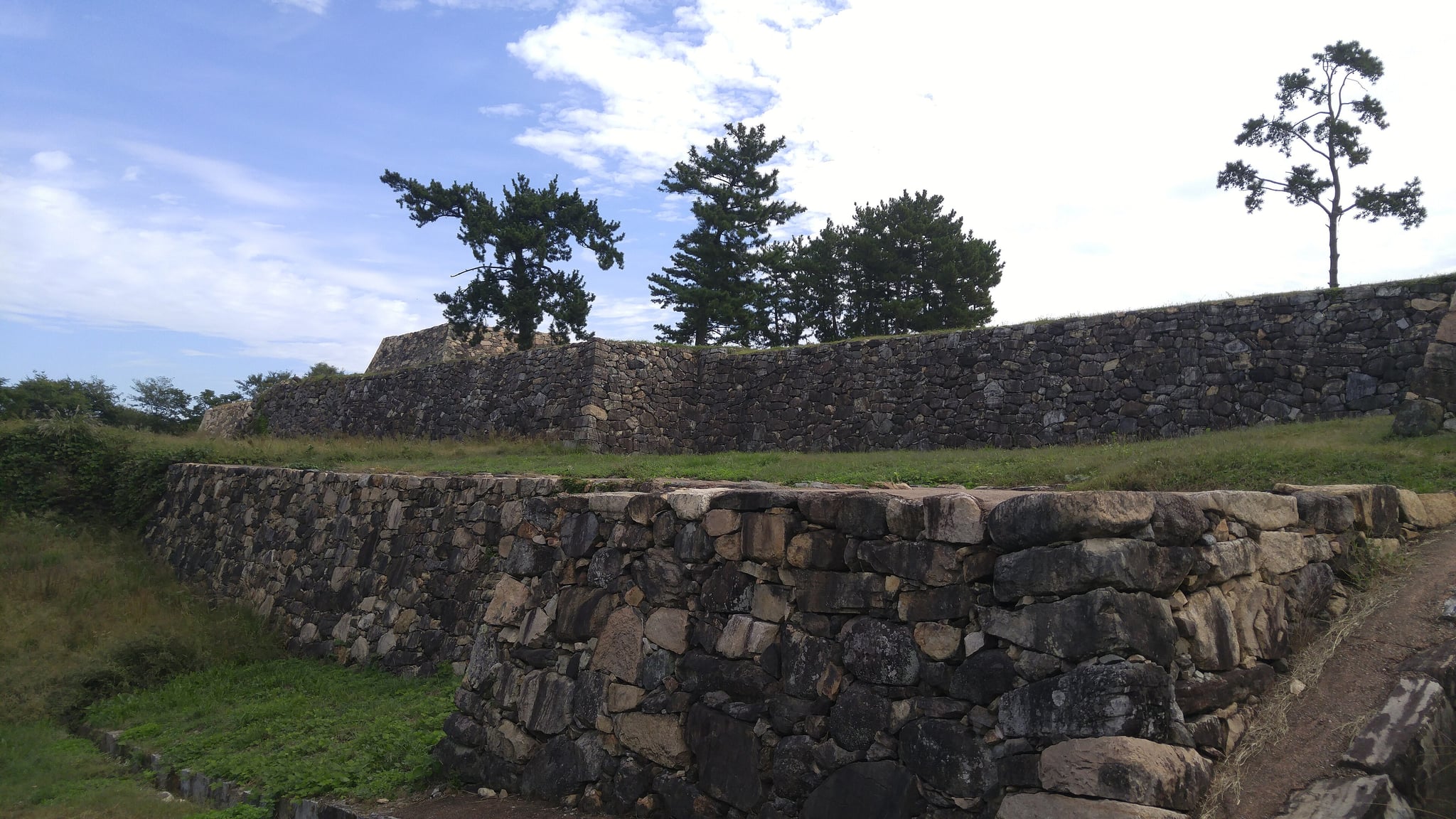
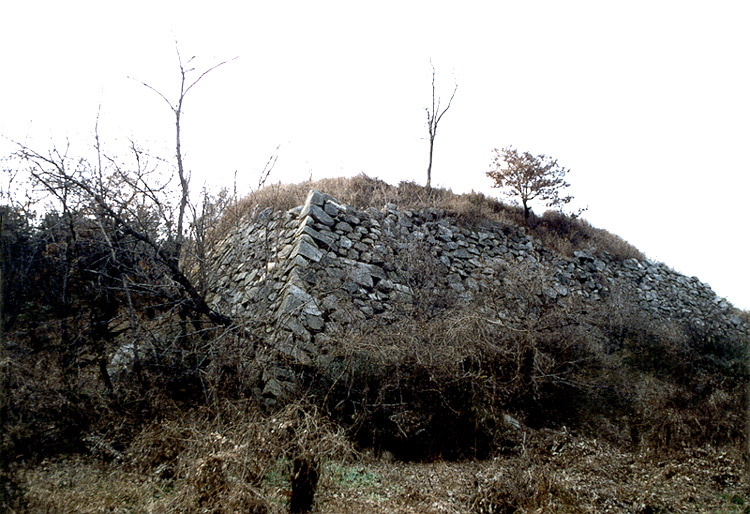
The exact date of the original fortress construction at this site is unknown. However, the existing remains correspond to a stone wall fortress built after the headquarters moved here in 1652. The fortress walls originally stretched approximately 2,784 meters in circumference and stood about 4 meters high. The defensive complex included three wells to supply water, four gates for controlled access, four drainage outlets to manage rainwater, and several small bulwarks positioned along the walls for enhanced defense.
The fortress was strategically designed to serve as a naval command center, with robust walls and gates to protect the facilities and personnel. The arched south gate is a notable surviving architectural feature, showcasing traditional Korean fortress design elements. The walls were constructed to withstand sieges and attacks, reflecting the military engineering standards of the 17th century Joseon period.
Historical significance and military role
The fortress was the nerve center for the Joseon navy responsible for safeguarding Korea's eastern maritime borders. The Gyeongsangjwado naval forces operated from this site, coordinating defense against Japanese invasions and piracy. The naval fleet under this command was substantial, with its seven ports and numerous ships forming a critical part of Joseon's maritime defense strategy.
During the Imjin War, naval operations were vital in resisting Japanese advances. The relocation of the command post to this fortress site just before the war underscores its strategic importance. The fortress continued to function as a naval headquarters well into the late Joseon period, adapting to evolving military needs until the naval forces were dissolved in the late 19th century.
Current condition and preservation
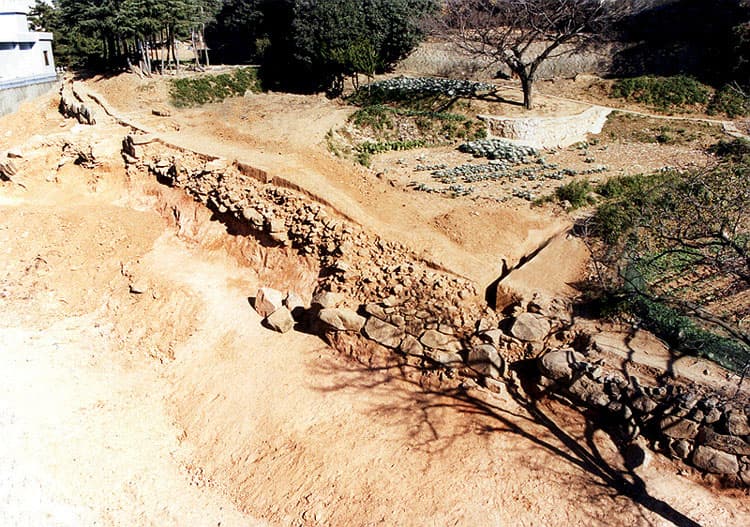
Today, the fortress site is classified as archaeological ruins. Much of the original structure has been lost, primarily due to neglect and damage during the Japanese colonial period (1910–1945). Only fragments of the fortress walls, the arched south gate, and several drainage outlets remain visible. These remnants provide valuable insight into Joseon-era military architecture and coastal defense systems.
Ongoing preservation efforts aim to maintain the site's historical integrity and educate visitors about its role in Korea's naval history. The ruins stand as a testament to the strategic military planning of the Joseon Dynasty and the importance of maritime defense in Korean history.
Visiting the fortress site
The fortress site is accessible to the public in Suyeong District, Busan. Visitors can explore the remaining walls and the arched south gate, gaining a sense of the scale and design of this important military installation. Interpretive signage and guided tours help contextualize the fortress's history and significance within the broader narrative of Joseon's naval defense.
While the site is primarily ruins, its location offers a glimpse into the coastal defenses that protected Korea's eastern shores. It is a valuable destination for those interested in military history, Korean heritage, and traditional fortress architecture.
Frequently asked questions (FAQ)
- How do I get to the Fortress site of Gyeongsang Jwasuyeong?
- The Fortress site of Gyeongsang Jwasuyeong is accessible by public transportation, with several bus routes serving the area. Additionally, visitors can take a taxi or drive, as there is parking available nearby.
- What is the historical significance of Gyeongsang Jwasuyeong?
- Gyeongsang Jwasuyeong played a crucial role in the defense of Busan during the Joseon Dynasty and is an important symbol of Korean military history. The site reflects the architectural and strategic ingenuity of the era, showcasing the importance of coastal fortifications against invasions.
- When was Gyeongsang Jwasuyeong built?
- The construction of Gyeongsang Jwasuyeong began in the late 16th century, specifically during the Imjin War (Japanese invasions of Korea from 1592 to 1598). It was established to protect the southern coast of Korea and has since been recognized as a cultural heritage site.
- Can I explore the fortress site on my own?
- Yes, visitors are welcome to explore the Fortress site of Gyeongsang Jwasuyeong independently. However, guided tours are also available for those who wish to learn more about the site's history and architecture from knowledgeable guides.
- Why is Gyeongsang Jwasuyeong considered an architectural marvel?
- Gyeongsang Jwasuyeong is renowned for its unique construction techniques and the strategic placement of its walls and gates, which are designed to withstand attacks. The fortress integrates natural landscapes into its design, making it not only a military stronghold but also a visually stunning location.
- Is it possible to visit Gyeongsang Jwasuyeong year-round?
- Yes, Gyeongsang Jwasuyeong is open to visitors year-round, allowing guests to experience its historical significance in all seasons. However, it's advisable to check for any seasonal events or maintenance closures before planning your visit.
- What are the opening hours for Gyeongsang Jwasuyeong?
- The Fortress site of Gyeongsang Jwasuyeong is typically open from 9:00 AM to 6:00 PM daily. It's best to verify the hours before your visit, as they may vary during holidays or special events.
- Are there any nearby attractions to visit while at Gyeongsang Jwasuyeong?
- Yes, there are several nearby attractions including Busan's famous beaches, local markets, and cultural sites. The area also offers beautiful hiking trails with stunning views of the coastline, making it a great destination for a full day of exploration.
- What are the ticket prices for visiting Gyeongsang Jwasuyeong?
- Admission to Gyeongsang Jwasuyeong is generally free, making it an accessible option for all visitors. However, guided tours or special events may have associated fees, so it's recommended to check the official website for the latest information.
Photo gallery

Information
Loading map...
Visitor reviews
No reviews yet. Been here? Write the first review and help other travelers!
Write the first reviewVisited this castle? Share your experience
Your review helps other travelers and adds first-hand knowledge to our encyclopedia.