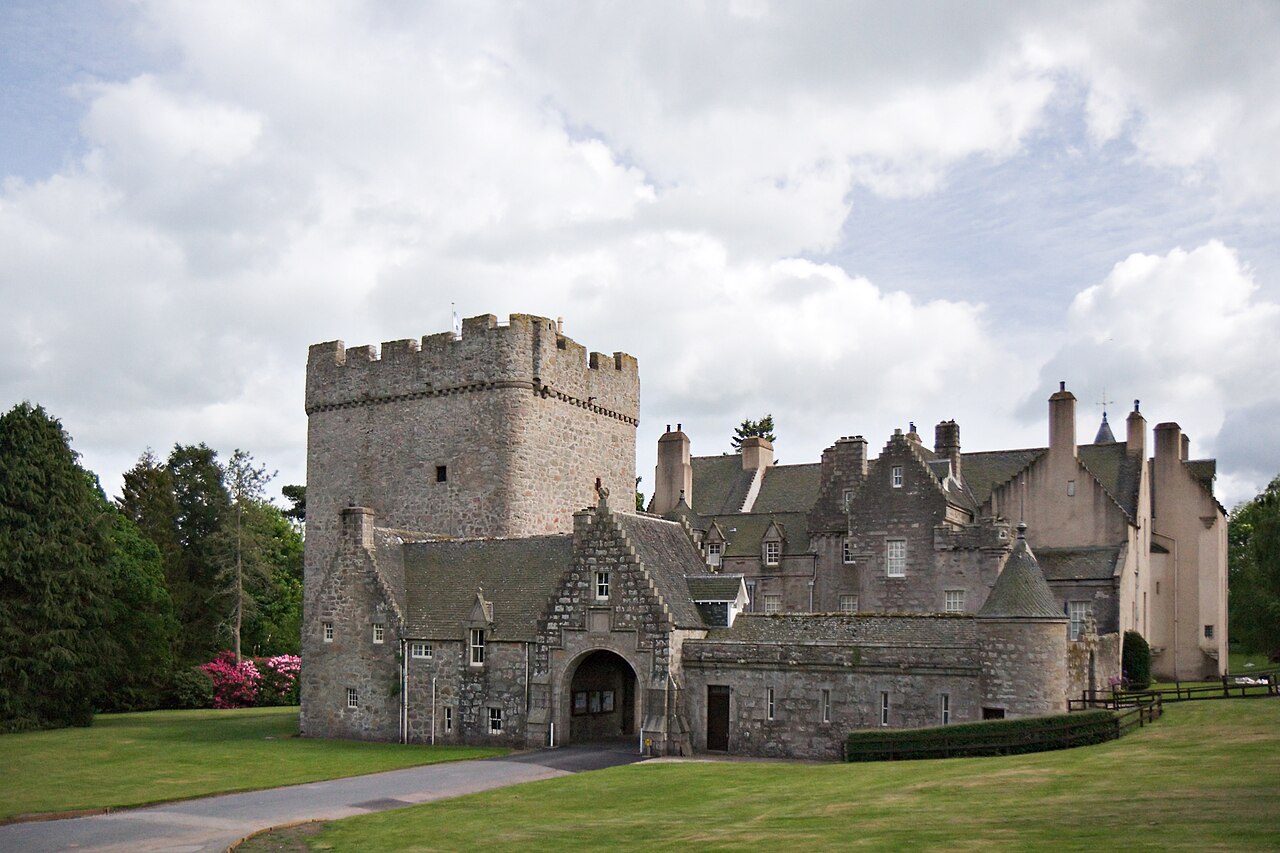
The Gorgeous Ruins of Dunnottar Castle
Dunnottar Castle stands as a striking testament to Scotland's turbulent history, dramatically perched on a rocky headland overlooking the North Sea near the town of Stonehaven. This historic fortress is renowned for its breathtaking cliffside location and its evocative ruins that tell stories of ancient peoples, medieval power struggles, and legendary battles. The castle's ruins, visible against the rugged coastline, evoke a vivid sense of the past, where Viking longships once sailed and medieval lords defended their stronghold.
Early history and Pictish origins
The site of Dunnottar Castle is believed to have been inhabited since Pictish times, possibly dating back as far as 5000 BC to 700 AD. The Picts, an ancient people native to what is now Scotland, held a deep spiritual connection to the land, worshipping nature spirits. Local legend speaks of the "green lady", a mystical figure symbolizing the feminine spirit of the area, said to have inhabited the site. This spiritual heritage was significant to the Picts, who saw the castle's rocky promontory as a sacred place.
With the advent of Christianity in the fifth century, the site gained religious importance when St Ninian, a key figure in early Scottish Christianity, established one of his churches here. The transition from paganism to Christianity marked a profound cultural shift, with the "green lady" legend evolving into tales of a protective spirit searching for her "lost children," reportedly seen in the castle's old brewery.
Medieval fortification and architectural evolution
Dunnottar Castle developed significantly during the medieval period, becoming a vital stronghold. The original fortifications were likely wooden or earthwork structures, but by the 13th century, the site had become a substantial stone fortress. The castle's strategic position on a cliff made it a formidable defensive site, with natural cliffs on three sides and man-made fortifications enhancing its protection.
The chapel at Dunnottar, an important architectural feature, was first consecrated in 1276 following the site's establishment as a Catholic settlement. This early chapel was central to the castle's religious life and was later replaced by a 16th-century structure, reflecting the evolving architectural styles and religious practices of the time.
Notable medieval events and legends
The castle's history is intertwined with significant events and figures. In the ninth century, the site was attacked by Vikings, who seized and destroyed the fortress after defeating King Donald II. This violent episode underscored the castle's strategic importance and vulnerability during the era of Norse invasions.
The 15th-century poet known as "Blind Harry" immortalized Dunnottar in his epic poem, which inspired the film Braveheart. He recounted that William Wallace set fire to the original chapel, which was then occupied by English soldiers seeking refuge, highlighting the castle's role in the Wars of Scottish Independence.
Architectural features and defensive design
Dunnottar Castle is a remarkable example of a hill castle built on a rocky promontory, utilizing natural defenses to complement its man-made fortifications. The castle complex includes towers, battlements, gatehouses, and curtain walls that were adapted and expanded over centuries to meet changing military needs.
The site’s rugged terrain provided a natural moat on three sides, with the only accessible approach heavily fortified. The castle’s layout reflects a concentric design principle, where multiple defensive walls create layered protection. This design made Dunnottar one of the most impregnable fortresses in Scotland during the medieval period.
Later history and preservation
Over the centuries, Dunnottar Castle played a role in various conflicts and ownership changes, including its use during the 17th-century Wars of the Three Kingdoms. Despite suffering damage and partial destruction, the castle's ruins remain well-preserved and are a protected historic site.
Today, the castle is a popular tourist destination, offering visitors dramatic views, rich history, and a glimpse into Scotland's medieval past. Its well-preserved ruins provide a tangible connection to the past, making it an essential site for those interested in Scottish heritage and castle architecture.
Visiting Dunnottar Castle
Visitors to Dunnottar Castle can explore the extensive ruins, including the remains of the chapel, great hall, and defensive structures. The site is accessible via a steep path from the nearby town of Stonehaven, offering panoramic views of the coastline and the North Sea.
The castle grounds are open seasonally, and guided tours provide detailed insights into the site's history and architecture. Visitors are advised to wear sturdy footwear due to the rugged terrain and to check opening times in advance.
Frequently asked questions (FAQ)
- How do I get to Dunnottar Castle?
- Dunnottar Castle is located near Stonehaven, Scotland, and can be accessed by car or public transport. If you're driving, there is parking available nearby. For those using public transport, the closest train station is Stonehaven, from which you can take a short walk to the castle.
- What is the historical significance of Dunnottar Castle?
- Dunnottar Castle has a rich history dating back to the 14th century and played a crucial role during the Wars of Scottish Independence. It was a stronghold for the Scottish crown and famously housed the Scottish Crown Jewels in the late 17th century. The castle's dramatic cliffside location adds to its historical intrigue and makes it a symbol of Scotland's turbulent past.
- When is the best time to visit Dunnottar Castle?
- The best time to visit Dunnottar Castle is during the late spring and summer months, from May to September, when the weather is generally milder and the days are longer. This is also when the castle hosts various events and guided tours. However, visiting in the autumn can provide a beautiful backdrop of fall colors.
- Can I take guided tours of Dunnottar Castle?
- Yes, guided tours are available at Dunnottar Castle, providing visitors with in-depth information about its history and architecture. These tours typically run during peak season and can enhance your experience by offering insights that you might miss on a self-guided visit. Be sure to check the castle's official website for current tour schedules.
- Is Dunnottar Castle accessible for visitors with mobility challenges?
- Dunnottar Castle has some accessibility challenges due to its rugged terrain and steep paths. While there are pathways leading to the castle, they may not be suitable for all mobility devices. It is advisable to contact the castle in advance to learn about specific accessibility options and assistance available.
- What are the ticket prices for Dunnottar Castle?
- Ticket prices for Dunnottar Castle vary depending on the season, with discounts available for children, students, and seniors. As of the latest update, standard adult tickets are approximately £8, while children under 5 can enter for free. It's best to check the official website for the most current pricing information.
- What are the opening hours for Dunnottar Castle?
- Dunnottar Castle is typically open to visitors from 10 am to 5 pm during the peak season, with reduced hours in the off-peak months. These hours can vary based on the time of year and special events, so it’s advisable to verify the opening times on the castle's website before planning your visit. Be sure to arrive with enough time to explore the site fully.
- Are there any nearby attractions to visit after Dunnottar Castle?
- Yes, there are several nearby attractions that you can explore after visiting Dunnottar Castle. The charming town of Stonehaven offers beautiful coastal walks and the picturesque Stonehaven Harbour. Additionally, you can visit the nearby ruins of Muchalls Castle or take a scenic drive along the coast to Aberdeenshire.
Information
Website
Visit websiteSources & official resources
Verify the information above using these authoritative references.
Loading map...
Visitor reviews
No reviews yet. Been here? Write the first review and help other travelers!
Write the first reviewVisited this castle? Share your experience
Your review helps other travelers and adds first-hand knowledge to our encyclopedia.