Drum Castle
Drum Castle stands as one of Scotland's most remarkable medieval fortifications, located near Drumoak in Aberdeenshire. Its name derives from the Gaelic word druim, meaning "ridge," a fitting description for its strategic position overlooking the surrounding landscape. This castle has served as the ancestral seat of the Clan Irvine for over six centuries, embodying a rich tapestry of Scottish history, architecture, and heritage.
Medieval origins and architectural significance
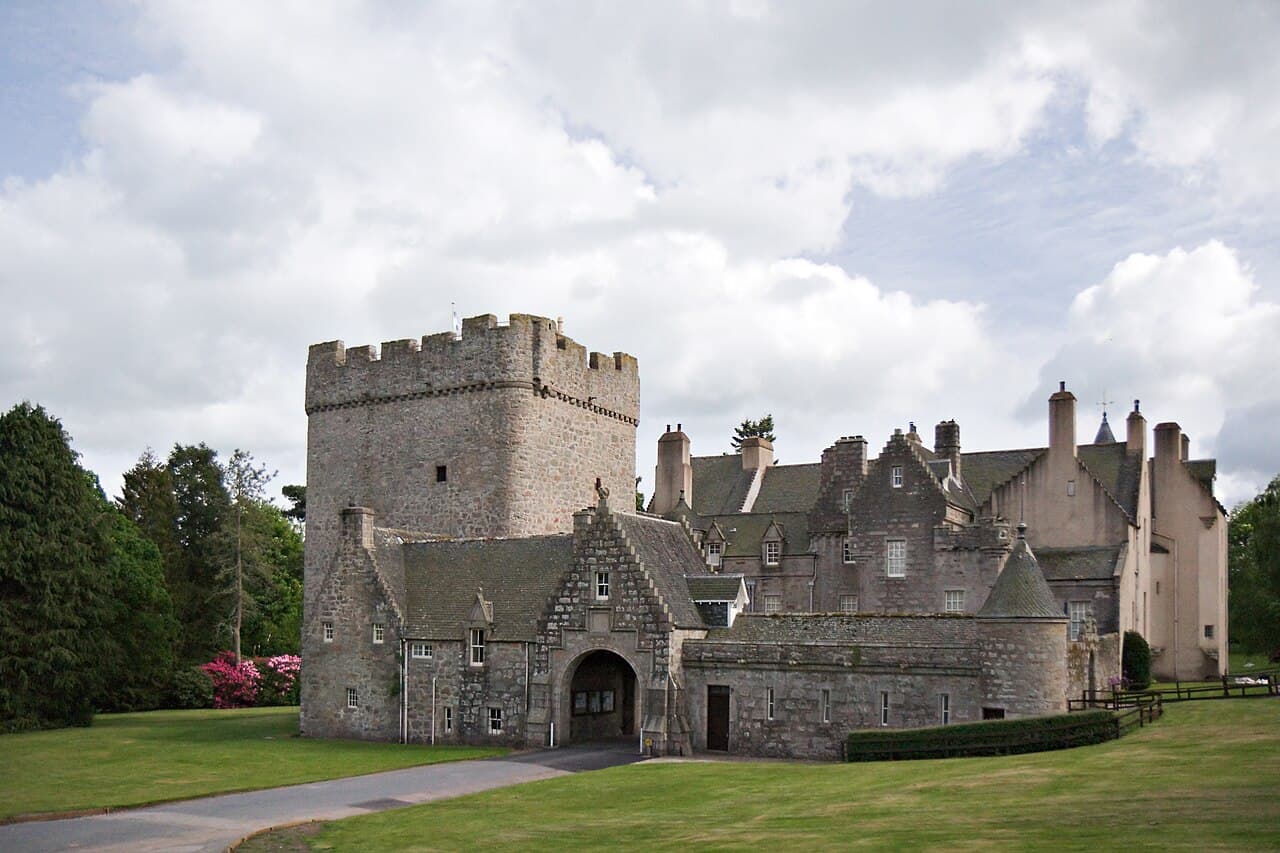
The core of Drum Castle is its 13th-century tower house, which is among the three oldest surviving tower houses in Scotland and remains notably unaltered. This stone-built tower exemplifies the defensive architecture typical of the high medieval period, featuring thick walls, narrow windows, and battlements designed for protection against sieges. The tower's construction is often attributed to Richard Cementarius, a prominent medieval architect known for his work on the Bridge of Don in Old Aberdeen, linking Drum Castle to significant medieval Scottish architectural heritage.
The tower served as the fortified residence of the clan chief, providing both defense and domestic space. Inside, the discovery of secret passages and hidden chambers sealed in the 19th century underscores the castle's role in turbulent times, particularly during the Covenanting Rebellion and other conflicts.
Expansion and architectural evolution
In 1619, the castle underwent a major expansion when the ninth laird of Clan Irvine added a large Jacobean wing. This addition reflects the architectural transition from purely defensive structures toward more comfortable and stylistically elaborate residences. The wing features characteristic elements of the Jacobean style, including ornate stonework, larger windows, and more spacious living quarters, blending functionality with aesthetic appeal.
The Victorian era brought further modifications between 1800 and 1875, including the restoration of the courtyard, the introduction of an arched entrance, and the addition of an angle tower. These Victorian interventions combined romantic medieval revival motifs with practical improvements, enhancing the castle's grandeur while preserving its historical character.
Historical context and clan heritage
Drum Castle's history is deeply intertwined with the fortunes of Clan Irvine. The estate was granted to William de Irwyn in 1323 by King Robert the Bruce, who appointed him as armour bearer and secretary. This royal grant marked the beginning of the Irvine family's long stewardship of the castle, which lasted until 1975.
The castle witnessed significant historical events, including its involvement in the Covenanting Rebellion during the mid-17th century, when it was attacked and sacked three times. Later, during the Jacobite uprisings of the 18th century, Drum Castle served as a refuge for Alexander Irvine of Crimond, who hid in a secret chamber for nearly three years following the defeat of the Jacobite cause in 1746.
The chapel and religious heritage
The castle chapel reflects centuries of religious and architectural evolution. Originating as an older church before the 16th century, it underwent significant modifications in the 1500s and 1600s. The 19th-century restorations included enlarging the prominent west window, adding a cross, renewing the roof, and refurbishing the interior. The chapel houses notable features such as a stained glass window and a silver Madonna crafted in Augsburg, adding layers of artistic and spiritual significance to the castle complex.
Gardens, grounds, and modern legacy
Surrounding Drum Castle are extensive late 18th-century gardens, including a rose garden and an arboretum that features a diverse collection of trees sourced from across the British Empire during the 18th century. These gardens are carefully maintained and divided into distinct sections, showcasing both botanical interest and the estate's historical connections to global exploration and horticulture.
The estate today includes modern visitor facilities such as a tearoom, a small shop, and outdoor play areas, enhancing the visitor experience. The castle's Victorian library contains over 4,000 books, alongside fine furniture and paintings, enriching the cultural value of the site.
Drum Castle is currently owned by the National Trust for Scotland and is open to the public during the summer months. Its historic spaces, including the chapel and dining hall, are available for weddings and corporate events, maintaining the castle's role as a vibrant cultural venue. The estate also hosts various local events such as classic car rallies and musical festivals, further integrating the castle into contemporary community life.
Archaeological discoveries and preservation
In 2013, archaeological investigations revealed two previously walled-off rooms within the castle, likely connected to the secret hiding place used by Alexander Irvine in the 18th century. These discoveries have provided valuable insights into the castle's complex history and its role during times of political unrest.
Drum Castle holds a Category A Listed building status, recognizing its exceptional architectural and historic importance in Scotland's cultural heritage. The preservation efforts by the National Trust for Scotland ensure that Drum Castle remains a well-preserved example of medieval and post-medieval Scottish architecture, offering visitors a tangible connection to Scotland's past.
Frequently asked questions (FAQ)
- How do I get to Drum Castle?
- Drum Castle is located in Drumoak, near Aberdeen, Scotland. It is easily accessible by car, with parking available on-site. If you are using public transport, local bus services can take you close to the castle, followed by a short walk.
- What is the historical significance of Drum Castle?
- Drum Castle dates back to the 13th century and is one of the oldest tower houses in Scotland. It has been a residence for the Irvine family for over 600 years, showcasing the evolution of Scottish architecture and history. The castle is also associated with significant historical events and figures, making it a fascinating site for history enthusiasts.
- When was Drum Castle built?
- Drum Castle was originally constructed in the 13th century, with significant modifications and additions made over the centuries. The most notable features were added during the 16th and 17th centuries, reflecting the changing architectural styles of the time. Its rich history is evident in the various elements present throughout the castle.
- Can I take a guided tour of Drum Castle?
- Yes, guided tours of Drum Castle are available, providing an in-depth look at its history and architecture. These tours are led by knowledgeable staff who can answer questions and share fascinating stories about the castle. It is recommended to check the schedule in advance as tours may vary throughout the year.
- Why is Drum Castle considered an architectural gem?
- Drum Castle is renowned for its impressive blend of medieval and Renaissance architectural styles. The original 13th-century tower house, along with the later additions, showcases intricate stone work and beautiful interiors. Its well-preserved gardens and surrounding landscapes further enhance its architectural charm.
- Is it possible to host events at Drum Castle?
- Yes, Drum Castle offers facilities for hosting a variety of events, including weddings and corporate gatherings. The stunning backdrop of the castle and its gardens provides a unique setting for special occasions. Interested parties should contact the castle management for more details on availability and arrangements.
- What are the opening hours for Drum Castle?
- Drum Castle typically opens to visitors from April to October, with varying hours depending on the day of the week. During peak season, it is open daily, while off-peak hours may be reduced. It is advisable to check the official website for the most current information on opening hours before your visit.
- What are the ticket prices for visiting Drum Castle?
- Ticket prices for Drum Castle vary depending on age and membership status. Adult tickets are generally priced around £10, while concessions are available for children, students, and seniors. Family tickets and group discounts may also be offered, so it's best to consult the website for detailed pricing information.
- When is the best time to visit Drum Castle?
- The best time to visit Drum Castle is during the late spring and summer months when the gardens are in full bloom and the weather is typically mild. This period also sees a range of events and activities that enhance the visitor experience. Autumn can also be a beautiful time to visit, with the changing foliage adding to the scenery.
- Are there nearby attractions to visit along with Drum Castle?
- Yes, there are several attractions near Drum Castle, including the picturesque village of Drumoak and the scenic countryside of Aberdeenshire. Other historical sites and castles, such as Crathes Castle and Balvenie Castle, are also within a short drive, making it easy to plan a full day of exploration. Visitors can enjoy walking trails and local parks in the area as well.
Photo gallery

Information
Website
Visit websiteSources & official resources
Verify the information above using these authoritative references.
Loading map...
Visitor reviews
No reviews yet. Been here? Write the first review and help other travelers!
Write the first reviewVisited this castle? Share your experience
Your review helps other travelers and adds first-hand knowledge to our encyclopedia.