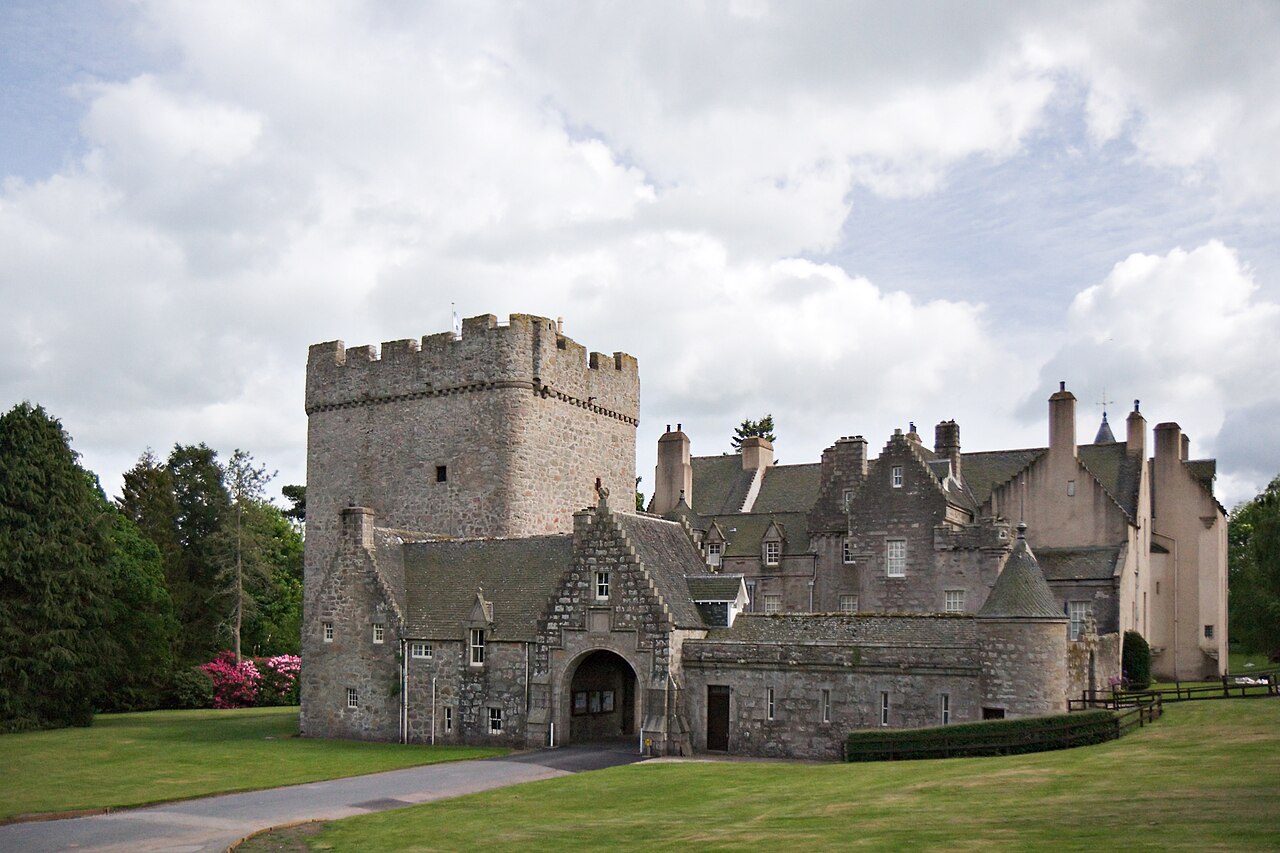
Fetteresso Castle
Fetteresso Castle stands as a remarkable example of Scottish architectural evolution, embodying layers of history from prehistoric times through the medieval period and into the post-Renaissance era. Originally a 14th-century tower house, the castle was extensively rebuilt in 1761 in a distinctive Scottish gothic style Palladian manor, merging classical Palladian symmetry with the romantic elements of Gothic revival. This transformation marked a significant shift from its medieval defensive origins to a stately country residence reflecting 18th-century tastes and social aspirations.
Prehistoric significance and archaeological discoveries
The site of Fetteresso Castle reveals a deep prehistoric past, with archaeological finds indicating human activity dating back to the Bronze Age. In 1822, a cairn was uncovered near the castle grounds containing human remains. The burial chamber, constructed from unhewn whinstone, is characteristic of Bronze Age funerary architecture. This burial mound, known locally as Malcolm's Mount, is steeped in legend, traditionally linked to the death of Malcolm I in 954 AD. However, modern archaeological analysis suggests the cairn predates this event by several centuries, emphasizing the site's ancient origins.
Further evidence of prehistoric occupation was found in 1998 when a burial urn belonging to the Beaker people was discovered on the castle grounds. This find aligns with the broader prehistoric landscape of northeast Scotland, which includes numerous burial sites and ritual monuments.
Medieval origins and the tower house
The earliest castle structure at Fetteresso was a tower house, constructed in the 14th century by the Clan Keith Earls Marischal. The Keith family, prominent in Scottish history, held the nearby Dunnottar Castle and were influential in the northeast region. The tower house served as a fortified residence, typical of Scottish noble architecture during the medieval period, designed for defense as well as habitation.
The castle's strategic location and robust construction reflected the turbulent times in medieval Scotland, where clan rivalries and border conflicts necessitated strongholds that could withstand sieges. The tower house likely featured thick stone walls, narrow windows for archery defense, and battlements, all characteristic of medieval Scottish defensive architecture.
18th-century reconstruction and architectural style
In 1761, Fetteresso Castle underwent a significant transformation. The medieval tower house was remodeled into a Scottish gothic style Palladian manor, a style that combined the classical proportions and symmetry of Palladianism with the decorative and romantic elements of Gothic architecture. This hybrid style was part of a broader trend in 18th-century Scotland, reflecting the aristocracy's desire to showcase their heritage and modernity simultaneously.
The reconstruction introduced features such as pointed arches, ornate stonework, and decorative battlements, while maintaining the balanced layout and grand scale typical of Palladian design. The manor's interiors were likely updated to include elegant reception rooms, grand staircases, and refined living quarters suited for a noble family rather than a military garrison.
Historical ownership and regional context
The property originally belonged to the Strachan family before passing by marriage to the Clan Keith Earls Marischal in the 14th century. The Earls Marischal were one of Scotland's most powerful noble families, responsible for significant military and political roles throughout Scottish history.
Fetteresso Castle's proximity to other important sites, such as the Roman camp of Raedykes located several miles northwest, situates it within a landscape rich in historical and archaeological significance. Raedykes was a large Roman marching camp, part of a network of camps linking the regions of Angus and Moray, reflecting the area's strategic importance since antiquity.
Legacy and current status
Today, Fetteresso Castle is recognized not only for its architectural interest as a post-Renaissance manor house but also for the layers of history embedded in its site, from prehistoric burial mounds to medieval fortifications and 18th-century aristocratic residence. The castle's blend of styles and periods offers valuable insights into Scottish history and architectural trends.
The castle remains a significant cultural landmark in the region, attracting interest from historians, archaeologists, and visitors intrigued by its complex past and architectural character.
Frequently asked questions (FAQ)
- What is the historical significance of Fetteresso Castle?
- Fetteresso Castle is a medieval fortress that dates back to the 13th century, showcasing the rich history of Scotland's feudal past. It has been associated with various prominent Scottish families and played a vital role in the region's defense against invasions.
- When was Fetteresso Castle built?
- Fetteresso Castle was originally constructed in the late 1200s and has undergone several renovations throughout the centuries. Its enduring structure reflects the architectural styles and military requirements of its time, making it an interesting subject for history enthusiasts.
- Can I visit Fetteresso Castle?
- Yes, Fetteresso Castle is open to visitors, though it's recommended to check the specific visiting hours and any special events that may affect access. Guided tours may also be available, providing a deeper insight into the castle's history and architecture.
- What are the opening hours for Fetteresso Castle?
- Fetteresso Castle typically operates from 10 AM to 5 PM during the summer months, with reduced hours in the winter. It's advisable to verify the current schedule on their official website or contact local tourism offices before planning your visit.
- Is it possible to explore the architecture of Fetteresso Castle?
- Absolutely! Visitors to Fetteresso Castle can admire its impressive architecture, which includes features such as thick stone walls and ornate windows. The castle's layout and design reflect its historical importance and military function, making it an intriguing place for architecture lovers.
- When is the best time to visit Fetteresso Castle?
- The best time to visit Fetteresso Castle is during the late spring or early autumn when the weather is generally mild and the surrounding landscape is at its most beautiful. Additionally, these seasons typically see fewer tourists, allowing for a more relaxed experience.
- What are some nearby attractions to Fetteresso Castle?
- Fetteresso Castle is located near several other historical sites and natural attractions, including the charming town of Stonehaven and the scenic coastline of Aberdeenshire. Visitors can also explore nearby parks and trails, making it an ideal spot for a full day of sightseeing.
- What are the ticket prices for Fetteresso Castle?
- Ticket prices for Fetteresso Castle vary, with discounts often available for children, students, and seniors. It's best to check the official website for the most current pricing information and any special promotions that may be offered during your visit.
- How do I get to Fetteresso Castle?
- Fetteresso Castle is accessible by car, with ample parking available nearby. Public transport options may include local buses, and visitors can check schedules for routes that connect to the castle's location for convenient travel.
Information
Loading map...
Visitor reviews
No reviews yet. Been here? Write the first review and help other travelers!
Write the first reviewVisited this castle? Share your experience
Your review helps other travelers and adds first-hand knowledge to our encyclopedia.