Thanvillé Castle
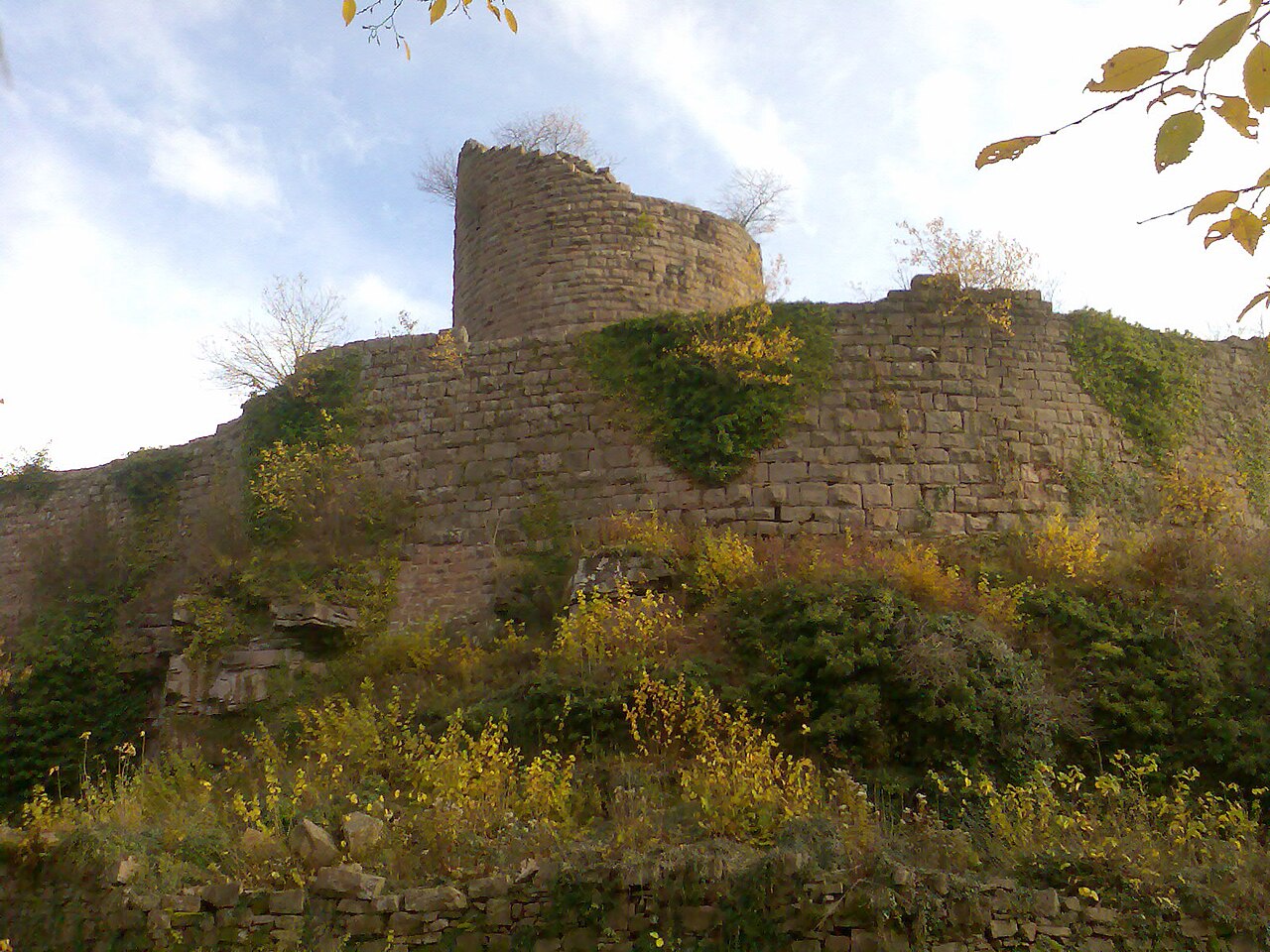
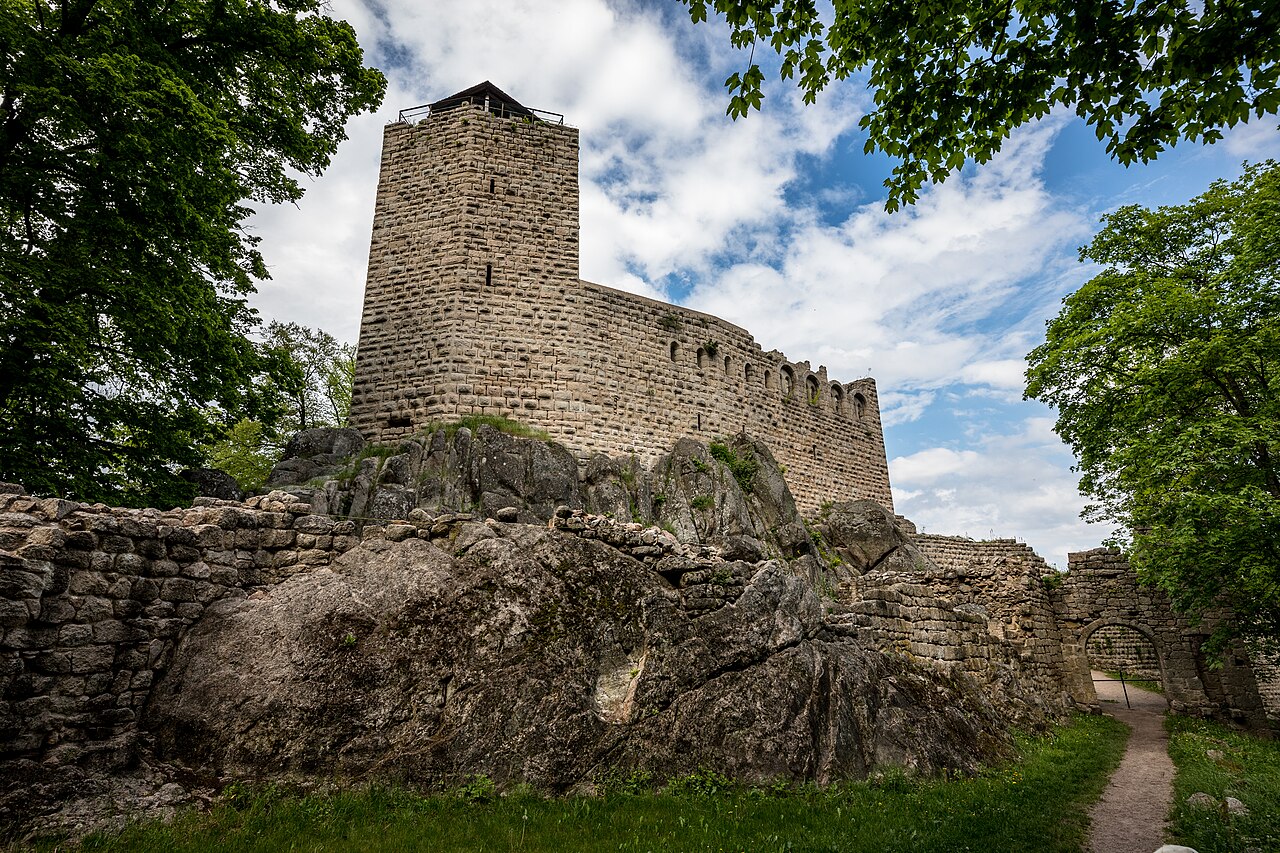
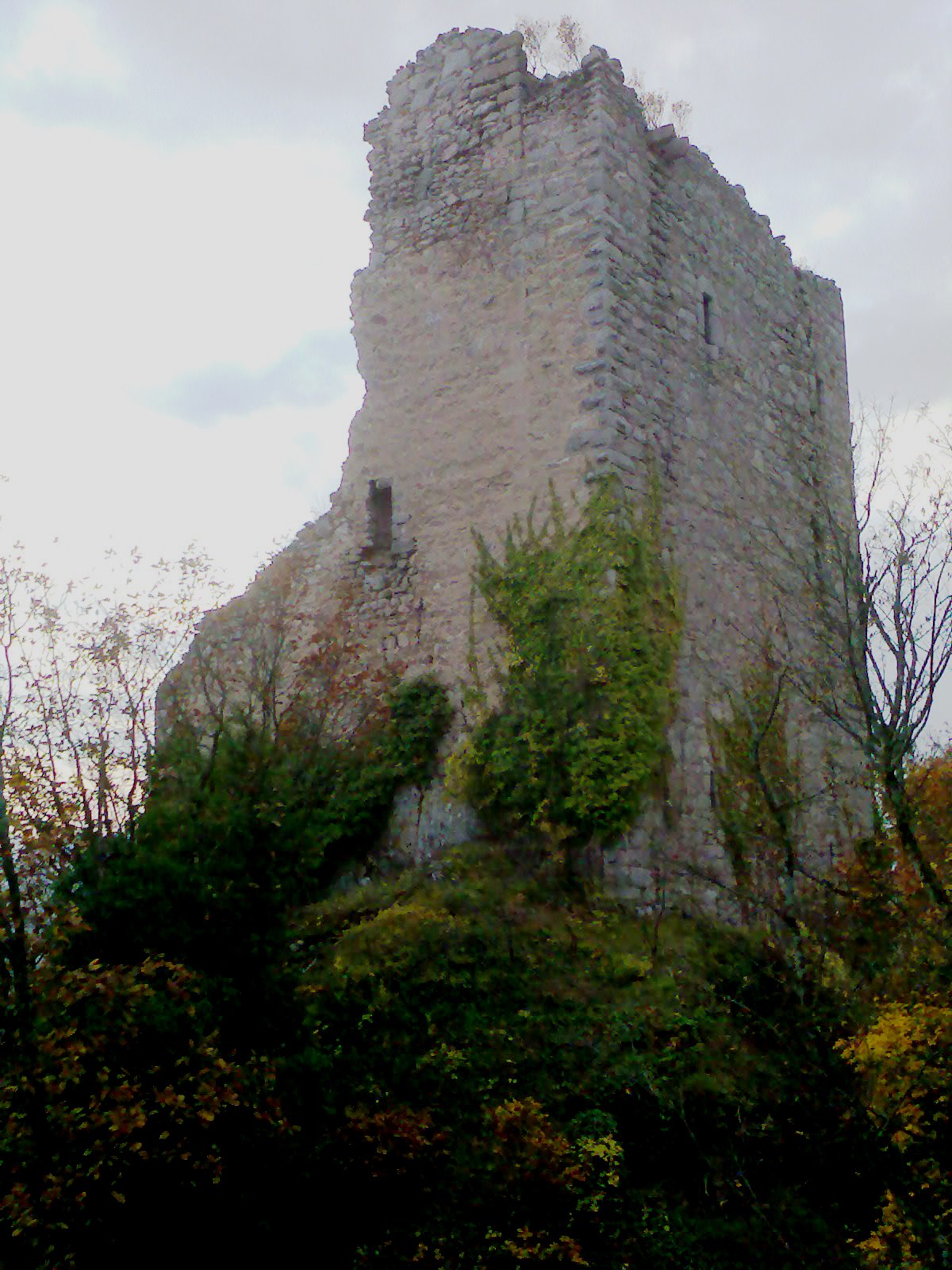
Thanvillé Castle, known locally as Château de Thanvillé, is a historic fortress situated near the village of Thanvillé in the Bas-Rhin department of France, within the region commonly referred to as Northern Alsace or the Middle Vosges. This castle occupies a strategic position near an ancient salt road, which historically made it significant both as a defensive stronghold and as a trading post controlling access to the valley.
Early history and original construction
The castle's origins date back to 1084, when Hugues VII, Count of Éguisheim and Dabo, initiated its construction on lands owned by the Moyenmoutier Abbey. The initial structure was a robust fortified castle designed primarily for defense and to oversee the vital trade routes passing through the region. The castle's early military and economic roles underscore its importance during the high medieval period.
Tragically, Hugues VII was assassinated in 1089 by the bishop of Strasbourg, an event that led to the castle passing into the hands of the Hattstatt family. Following this transfer, the castle fades from detailed historical records for over four centuries, suggesting either a period of relative quiet or limited documentation.
Renaissance rebuilding and turmoil
By the early 16th century, specifically around 1507, Thanvillé Castle had fallen into ruin, likely due to the numerous conflicts and wars that ravaged the region. At this time, Jean de Hattstatt undertook efforts to rebuild the castle, transforming it more into a residence than a purely military fortress.
In 1540, the castle came under the stewardship of Jean de Vidrange, an advisor to Duke Antoine de Lorraine. This period saw the castle continue as a noble residence until it was severely damaged by a devastating fire in 1571, which also destroyed much of the adjacent village. The castle was restored following this disaster, demonstrating its ongoing importance to local nobility.
Destruction and restoration during the thirty years' war
The Thirty Years' War (1618–1648) brought further destruction when, in 1633, the castle was looted and burned by Swedish troops. This event left the castle in ruins once more.
Reconstruction began in 1663 under François-Anne de Bazin de Chanlas, who sought to restore the castle's residential function. By 1680, the castle was divided among his five sons, who sold it in 1688 to Marie-Agnès de Cocqfontaine. Under her ownership and that of her descendants, Thanvillé Castle was transformed into a more comfortable and pleasant noble residence, reflecting the architectural and domestic trends of the late 17th and early 18th centuries.
Later ownership and modern history
In 1786, ownership passed to the Dartein family, and then in 1810 to the Castex family through marriage. The Castex family undertook beautification efforts, enhancing the castle's aesthetic and residential appeal.
The castle suffered significant damage during the Franco-Prussian War around 1870, when it was sacked by German troops. The Castex family restored it afterward, only to face similar destruction again in 1918 during World War I, when German forces once more ransacked the property. The resilience of the Castex family is evident in their repeated restorations after each conflict.
Finally, in 1982, the castle was sold to the Wagner family, who currently own it. Today, Thanvillé Castle is private property and is used as a venue for weddings and receptions. Unfortunately, it is not open to the public for regular tours.
Architectural characteristics and significance
Thanvillé Castle originally featured typical high medieval fortification elements such as thick defensive walls, towers, and a strategic location overseeing a valley and trade route. Its repeated destruction and restorations over centuries have resulted in a complex architectural evolution, blending medieval defensive features with later residential modifications from the Renaissance and post-medieval periods.
The castle's location near the Middle Vosges mountains and its role guarding the salt road highlight its historical importance in regional trade and military defense. Although much of the original medieval fabric has been altered or rebuilt, the castle remains an important example of a fortified residence adapting through turbulent European history.
Current condition and accessibility
Presently, Thanvillé Castle is well preserved thanks to the restoration efforts of its owners over the centuries. However, as it remains a private residence and event venue, it is not accessible to the general public for tours or visits. Its preservation ensures that the castle continues to embody the layered history of the Alsace region.
Frequently asked questions (FAQ)
- How do I visit Thanvillé Castle?
- Thanvillé Castle is privately owned and not open to the public for regular tours. It is occasionally rented for private events like weddings, so visiting inside requires special arrangements.
- What is the historical significance of Thanvillé Castle?
- Thanvillé Castle was built in 1084 to guard a strategic valley and salt trade route. It played roles in medieval defense, Renaissance residence, and endured destruction during major European conflicts.
- When was Thanvillé Castle destroyed and rebuilt?
- The castle was ruined by wars by 1507, rebuilt in the 16th century, burned in 1571, destroyed again in 1633 during the Thirty Years' War, and restored multiple times up to the 20th century.
- Can I hold events at Thanvillé Castle?
- Yes, Thanvillé Castle is currently used as a venue for marriages and receptions. Booking must be arranged through the private owners.
- Why is Thanvillé Castle not open to the public?
- Thanvillé Castle is private property and used primarily as a residence and event venue, which limits public access to preserve privacy and maintenance.
Information
Current owner
Private owner
Address
7 Rue du Château, Thanvillé, Bas-Rhin, France
Loading map...
Visitor reviews
No reviews yet. Been here? Write the first review and help other travelers!
Write the first reviewVisited this castle? Share your experience
Your review helps other travelers and adds first-hand knowledge to our encyclopedia.