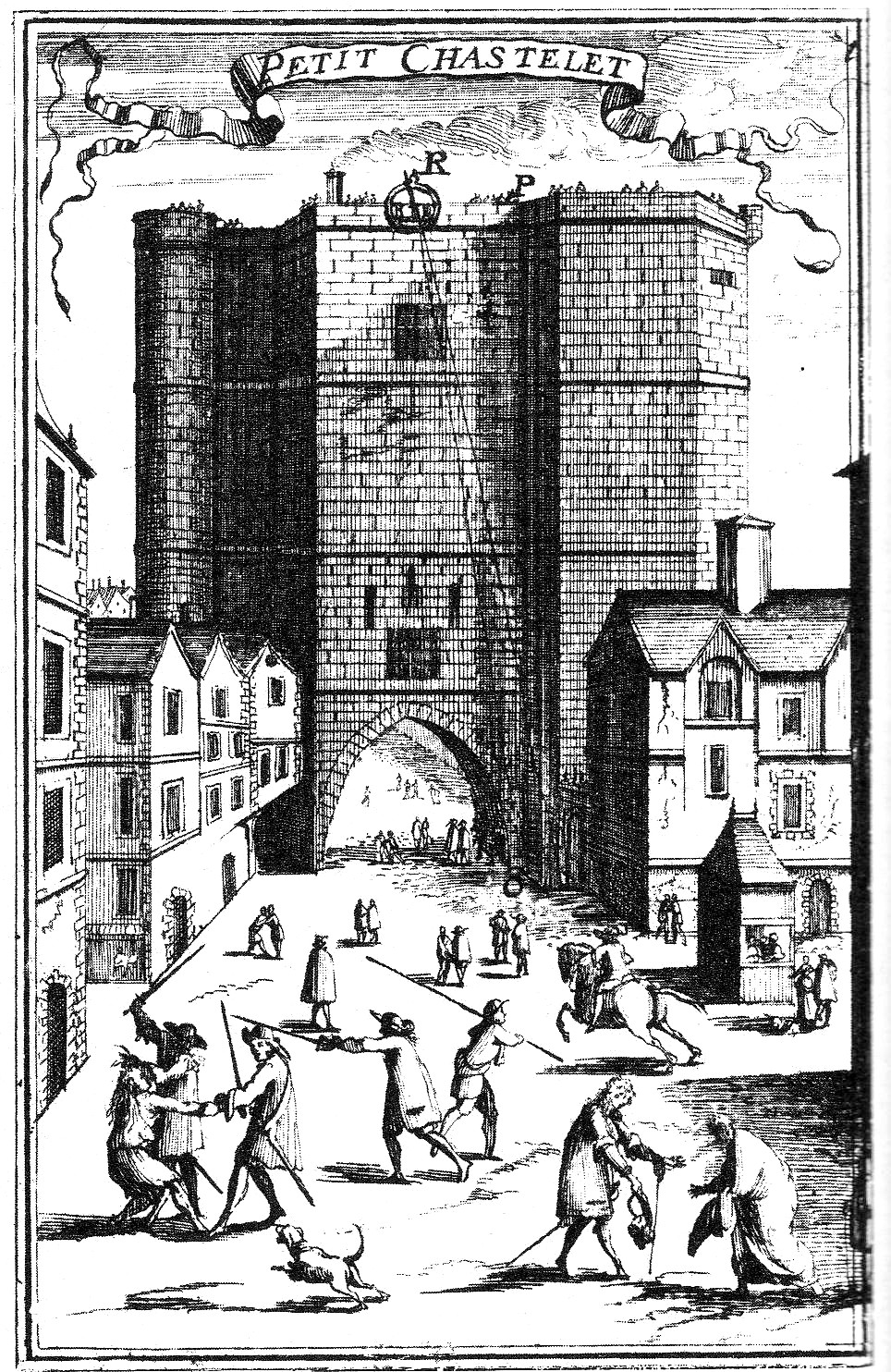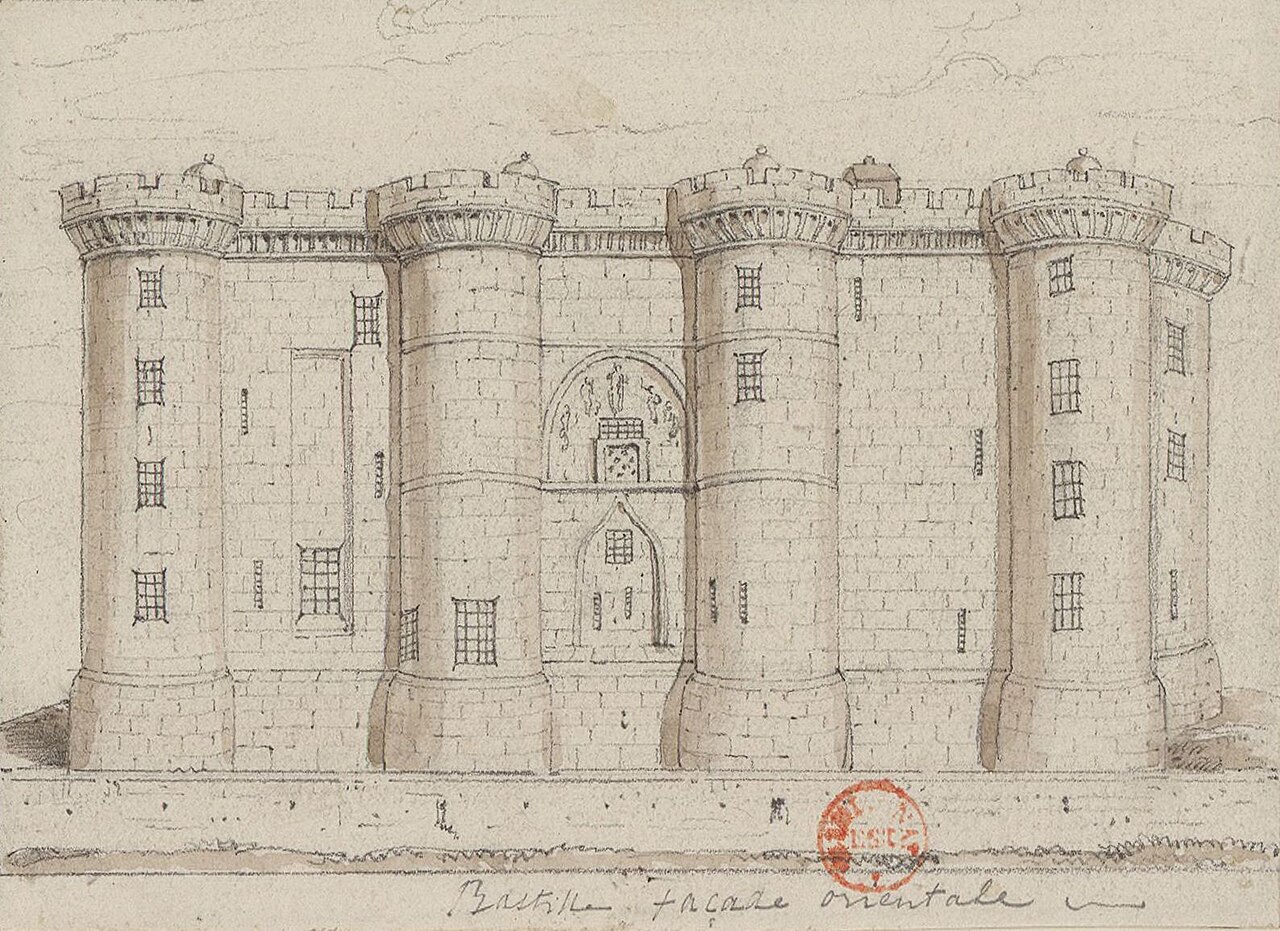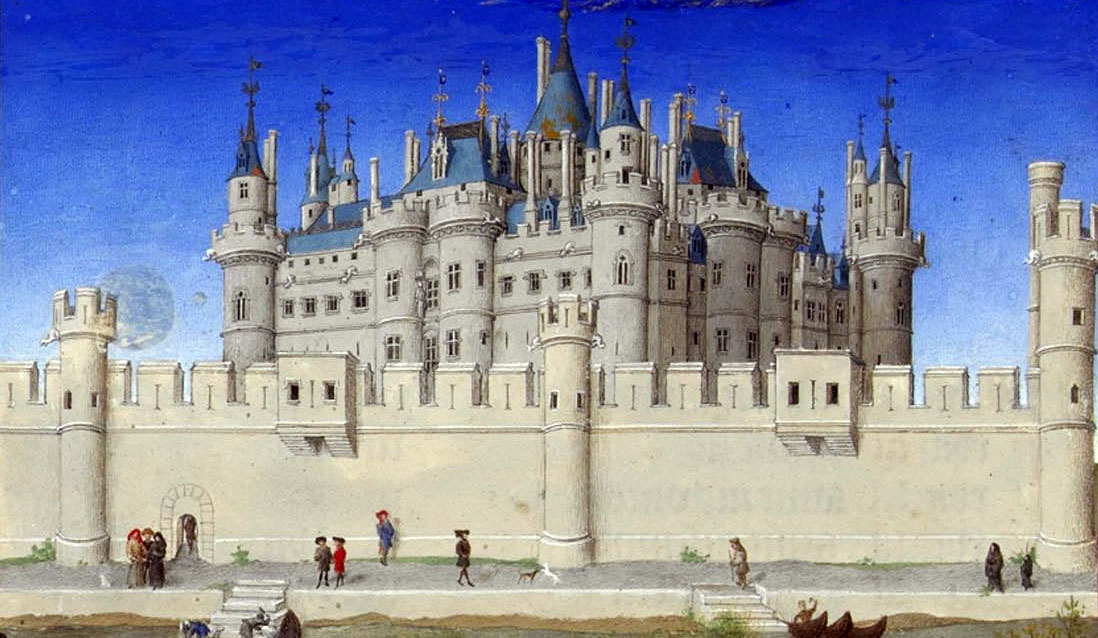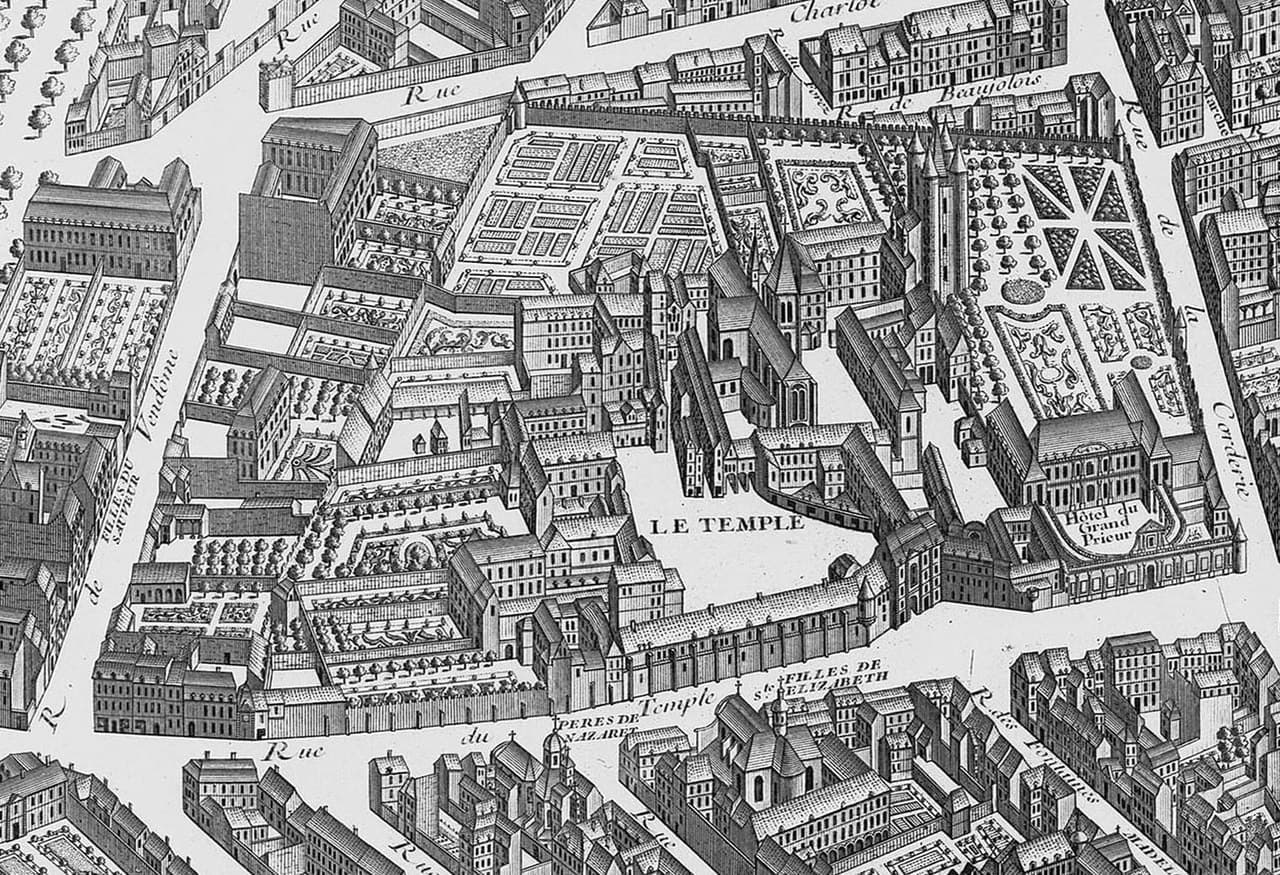
Temple castle in France is a significant example of a 13th-century bastioned fortress from the high medieval period. This castle type is characterized by its strong defensive features designed to withstand sieges and attacks, typical of military architecture in medieval Europe.
Historical context and significance
Constructed during the 13th century, Temple castle was built in a period marked by frequent conflicts and the need for fortified structures to protect territories and assert control. The high medieval era saw the rise of many such fortifications across France, reflecting the turbulent political landscape and the importance of military defense.
Architectural features of a bastioned fortress
As a bastioned fortress, Temple castle incorporates angled bastions projecting outward from the main walls. These bastions allowed defenders to cover adjacent walls with overlapping fields of fire, reducing blind spots and enhancing the castle's defensive capabilities. This design was a precursor to later developments in military fortifications that emphasized artillery defense.
The castle's walls are constructed to be thick and robust, often with stone masonry, providing resistance against siege engines and early cannon fire. The layout typically includes a central courtyard surrounded by curtain walls, with towers and gates strategically positioned for maximum defense.
Defensive structures and layout
Temple castle would have featured a moat or ditch surrounding the walls, further impeding attackers. The entrance gate was likely fortified with a gatehouse, portcullis, and possibly a drawbridge. Inside, the castle contained living quarters, storage rooms, and possibly a chapel, serving both military and residential functions.
Role in regional history
While specific historical events related to Temple castle are not well documented, its architectural style and construction period suggest it played a role in local defense during the high medieval conflicts in France. Castles of this type often served as strongholds for nobility or military orders, controlling important routes or territories.
Preservation and current status
The current condition of Temple castle is not detailed here, but bastioned fortresses from this era often survive as ruins or partially preserved sites. Such castles are valuable for understanding medieval military architecture and the evolution of fortification techniques.
Visiting Temple castle
Visitors to Temple castle can expect to explore the remains of a high medieval bastioned fortress, gaining insight into the defensive strategies employed in the 13th century. The castle's location in France adds to its cultural and historical interest, reflecting the medieval heritage of the region.
Frequently asked questions (FAQ)
- How do I get to Temple Castle?
- Temple Castle is located in France, easily accessible by car or public transport. If you are traveling by train, the nearest station is just a short taxi ride away, making it convenient for visitors from major cities.
- What are the opening hours for Temple Castle?
- Temple Castle is open to visitors from 9 AM to 6 PM daily, with extended hours during the summer months. It is recommended to check the official website for any seasonal changes or special events that may affect opening times.
- Is there an admission fee to enter Temple Castle?
- Yes, there is an admission fee to visit Temple Castle. Ticket prices vary depending on age and whether you choose a guided tour, with discounts available for students and seniors.
- When was Temple Castle built?
- Temple Castle was constructed in the 12th century, showcasing the architectural style of the time. Its historical significance lies in its role as a fortress and later as a residence for nobility throughout the centuries.
- Can I take guided tours of Temple Castle?
- Absolutely! Guided tours are available and highly recommended, as they provide in-depth knowledge about the castle's history and architecture. Tours are conducted in multiple languages to accommodate international visitors.
- Why is Temple Castle considered a historical landmark?
- Temple Castle is considered a historical landmark due to its unique architectural features and significant role in the region's history. It has survived numerous battles and renovations, serving as a testament to medieval craftsmanship and heritage.
- What is the best time to visit Temple Castle?
- The best time to visit Temple Castle is during the spring and early fall when the weather is mild and pleasant. Additionally, visiting during these seasons allows you to enjoy fewer crowds and a more intimate experience of the castle's beauty.
- Is Temple Castle accessible for visitors with disabilities?
- Yes, Temple Castle strives to be accessible to all visitors. There are designated pathways and facilities to assist those with mobility challenges, ensuring everyone can enjoy the castle's rich history and stunning views.
- Are there any nearby attractions to visit after Temple Castle?
- Yes, there are several nearby attractions worth exploring, including charming villages and beautiful parks. Visitors can also enjoy local dining options and shops that enhance their overall experience in the region.
Photo gallery

Photo by Hoffbauer, Théodor-Joseph-Hubert nach Brezet•Public domain
Information
Loading map...
Visitor reviews
No reviews yet. Been here? Write the first review and help other travelers!
Write the first reviewVisited this castle? Share your experience
Your review helps other travelers and adds first-hand knowledge to our encyclopedia.