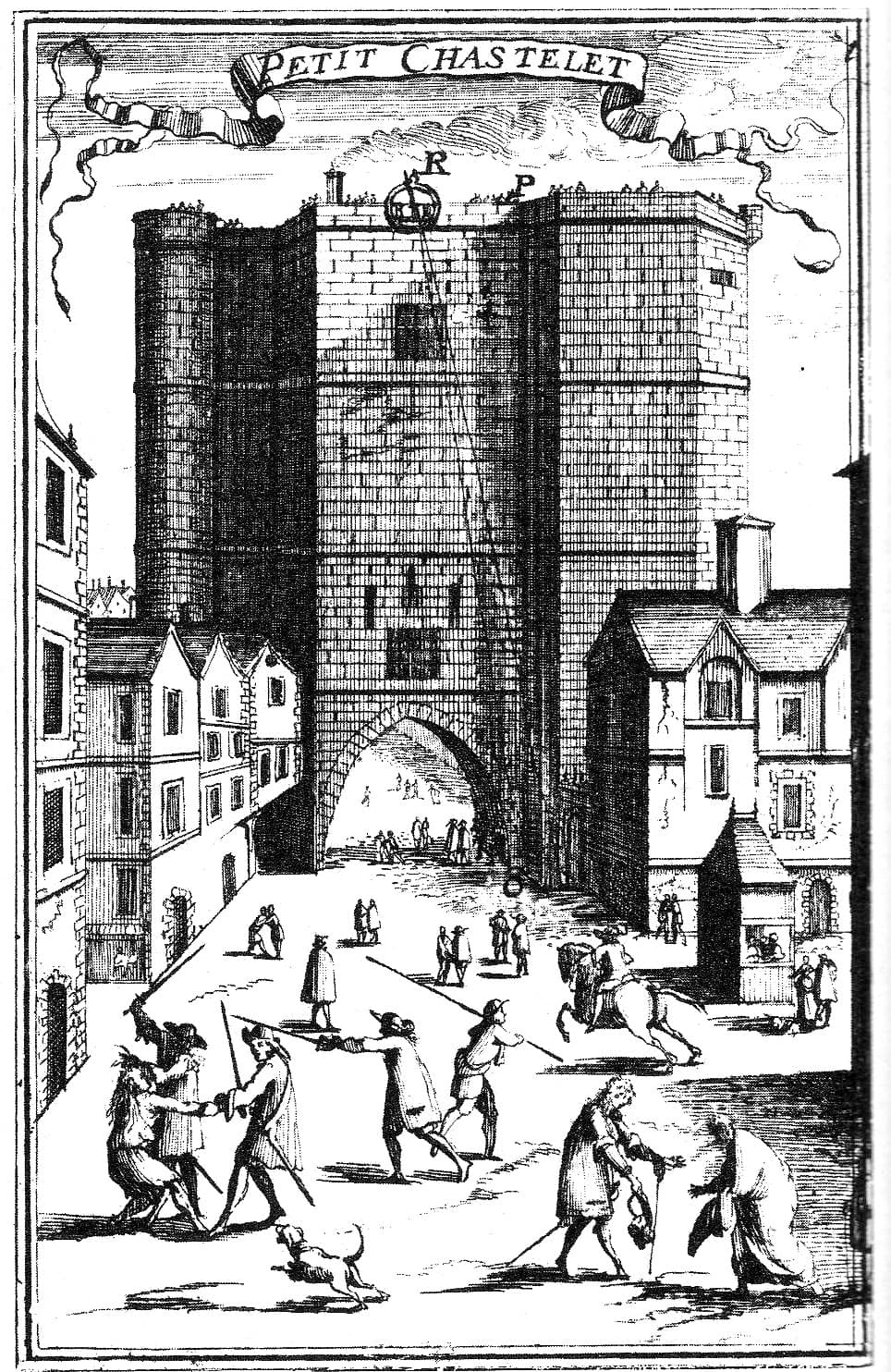
Petit Châtelet is a notable example of an early medieval hill castle located in France, dating back to the 9th century. As a hill castle, it was strategically positioned to utilize natural elevation for defense and surveillance, a common practice in castle construction during the early medieval period.
Historical context and significance
The 9th century was a turbulent era in European history, marked by frequent invasions and territorial disputes following the decline of the Carolingian Empire. Castles like Petit Châtelet were built primarily for military defense and as symbols of local power. The castle's construction during this period reflects the need for fortified structures to protect inhabitants and assert control over surrounding lands.
While specific historical records about Petit Châtelet are limited, its survival through centuries indicates its importance in regional defense and governance. The castle likely played a role in controlling local trade routes and served as a refuge during times of conflict.
Architectural features and design
As a hill castle, Petit Châtelet would have been designed to maximize the defensive advantages of its elevated position. Early medieval castles typically featured a motte—a raised earthwork mound—often topped with a wooden or stone keep. Although detailed architectural plans of Petit Châtelet are scarce, it is probable that the castle included a keep or donjon serving as the last line of defense and residence for the lord.
The castle's fortifications would have included curtain walls and possibly a ditch or moat to hinder attackers. The use of stone in construction during this period was becoming more common, replacing earlier wooden structures for increased durability and fire resistance.
Defensive structures
Typical defensive elements for castles of this era included arrow slits and battlements to allow defenders to repel attackers while remaining protected. Although specific details about Petit Châtelet's defenses are not well documented, such features would have been consistent with its function as a military stronghold.
Preservation and current condition
Petit Châtelet is classified as a hill castle from the early medieval period, and its current condition is likely to be ruins or partially preserved, typical for castles of such age. The passage of time, combined with historical conflicts and natural decay, has affected the structural integrity of many early medieval castles.
Efforts to preserve or restore Petit Châtelet, if any, would focus on stabilizing remaining structures and preventing further deterioration. As with many ancient castles in France, it may be a subject of archaeological interest and a cultural heritage site.
Location and regional importance
Although the exact city or town of Petit Châtelet is not specified, its presence in France situates it within a rich context of medieval fortifications. France's diverse geography and historical fragmentation into numerous feudal territories led to the construction of many hill castles serving as local power centers.
Hill castles like Petit Châtelet were essential in controlling the surrounding countryside, overseeing trade routes, and providing security for local populations. Their locations often offered commanding views of the landscape, enabling early warning of approaching enemies.
Visiting Petit Châtelet
Visitors interested in early medieval architecture and history may find Petit Châtelet a compelling site, although access and facilities depend on its preservation status and management. Many similar castles in France are open to the public, offering insights into medieval life and military architecture.
Exploring the ruins or remains of Petit Châtelet provides a tangible connection to the early medieval period and the defensive strategies employed during that time.
Photo gallery

Photo by Unknown authorUnknown author•Public domain
Information
Loading map...
Visitor reviews
No reviews yet. Been here? Write the first review and help other travelers!
Write the first reviewVisited this castle? Share your experience
Your review helps other travelers and adds first-hand knowledge to our encyclopedia.