Tatebayashi Castle
Tatebayashi Castle (館林城, Tatebayashi-jō) stands as a notable example of a Japanese hill castle located in Tatebayashi, in the southern part of Gunma Prefecture, Japan. Constructed in the 16th century during the Sengoku period, the castle played a significant role in regional military and political affairs. It is also historically referred to as Obiki-jō (尾曳城), a name that reflects local tradition and the castle's enduring presence in Japanese history.
Historical background and ownership
The origins of Tatebayashi Castle trace back to a time of intense conflict and territorial disputes among samurai clans vying for control in the Kanto region. Throughout its history, the castle was governed by a succession of different clans, each leaving their mark on its structure and legacy. Notably, during the late Edo period, the castle was the residence of the Akimoto clan, who were the daimyō of the Tatebayashi Domain. These feudal lords managed the domain under the Tokugawa shogunate's rule, maintaining the castle as a political and administrative center.
Architectural features and layout
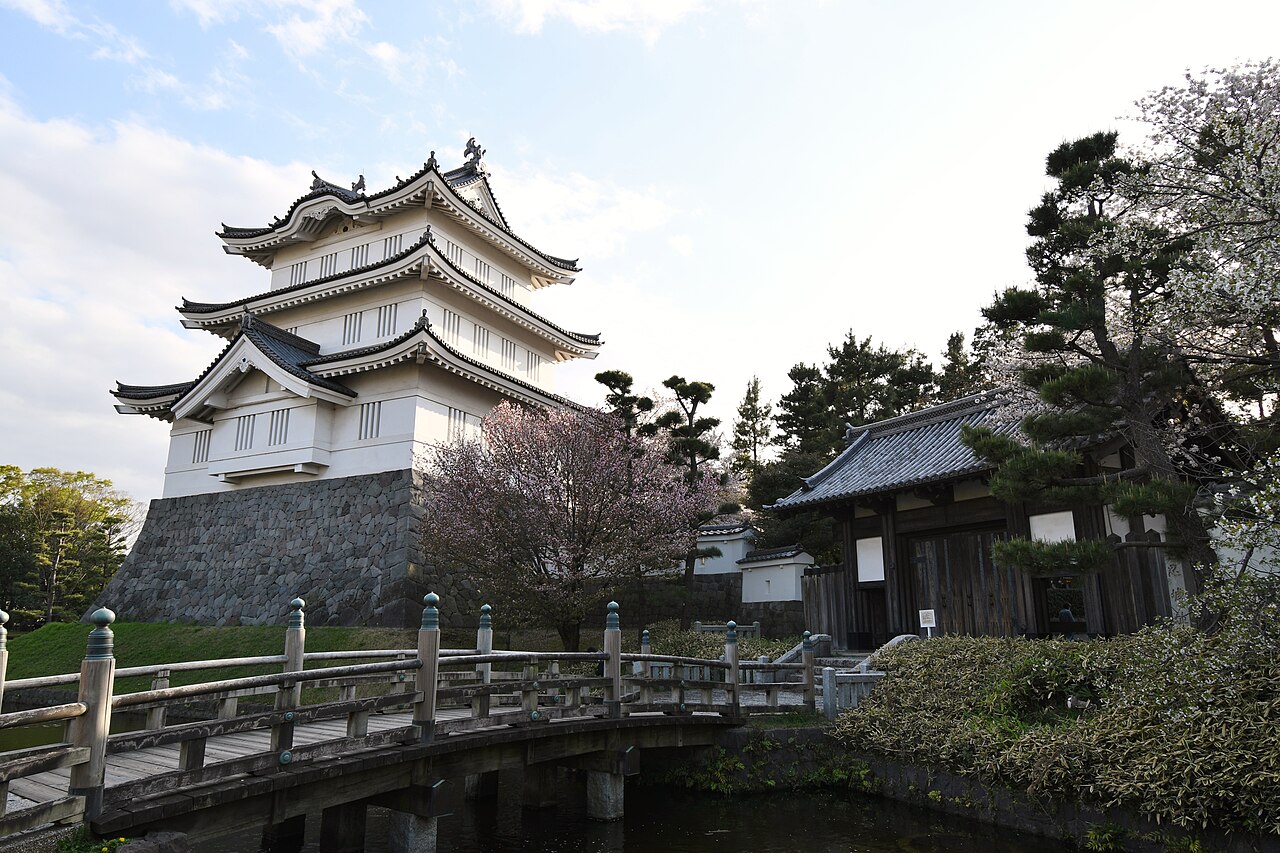
Tatebayashi Castle exemplifies the typical characteristics of a hill castle or yamashiro, strategically positioned on elevated terrain to maximize defensive advantage. The castle's design incorporated multiple baileys (courtyards) protected by robust stone walls and earthen ramparts. Defensive elements included moats, gates, and watchtowers that allowed for surveillance and protection against invaders.
The main keep, or tenshu, traditionally served as the symbolic and military heart of the castle, although Tatebayashi's tenshu was modest compared to larger castles. The castle grounds also contained residential quarters, storehouses, and administrative buildings essential for the domain's governance.
Defensive structures
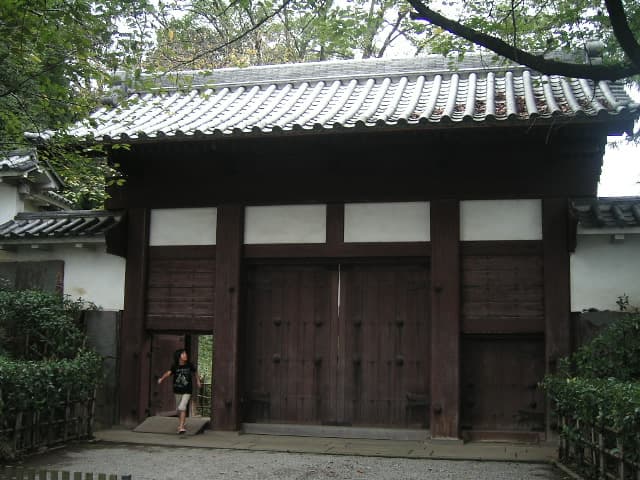
The castle's fortifications were enhanced by natural topography, including steep slopes and surrounding forests, which acted as natural barriers. The moats surrounding the castle were typically filled with water, creating additional obstacles for any attacking forces. Gates were reinforced with heavy wooden doors and iron fittings, designed to withstand sieges.
Historical significance and cultural heritage
Tatebayashi Castle's importance lies not only in its military function but also in its role as a cultural and administrative hub during the Edo period. The castle was part of the broader feudal network under the Tokugawa shogunate, contributing to the stability and governance of the region. Its association with the Akimoto clan highlights the castle's place in the complex social hierarchy of the time.
While much of the original structure has not survived intact, the site remains a valuable cultural asset. It offers insights into Japanese castle construction techniques and feudal history. Today, the castle grounds serve as a public park and historical site, attracting visitors interested in Japan's samurai past and architectural heritage.
Modern status and preservation
Currently, Tatebayashi Castle is classified as a hill castle with its original structures largely lost or dismantled over time. The castle site is preserved as a historical landmark, with some reconstructed elements and informative displays to educate visitors about its past. Efforts to maintain the site focus on preserving the remaining earthworks, moats, and stone foundations.
Visitors can explore the castle grounds, which include walking paths, gardens, and remnants of the fortifications. The site is accessible year-round, providing a glimpse into the architectural and historical significance of this 16th-century Japanese castle.
Frequently asked questions (FAQ)
- How do I get to Tatebayashi Castle?
- Tatebayashi Castle is accessible by public transportation, with the nearest station being Tatebayashi Station. From the station, you can take a bus or a taxi to reach the castle, which is approximately 10 minutes away.
- What is the historical significance of Tatebayashi Castle?
- Tatebayashi Castle, originally built in the 16th century, played a crucial role during the Sengoku period as a strategic military stronghold. It has been a symbol of the region's history and culture, showcasing the architectural style and military prowess of its era.
- When was Tatebayashi Castle constructed?
- The castle was constructed in 1540 by the Uesugi clan and underwent various renovations throughout its history. It has witnessed numerous battles and changes in ownership, reflecting the turbulent history of Japan.
- Can I take guided tours of Tatebayashi Castle?
- Yes, guided tours are available for visitors interested in learning more about the castle's history and architecture. These tours provide in-depth insights and are conducted in both Japanese and English, making them accessible to a wider audience.
- Why is Tatebayashi Castle a popular tourist destination?
- Tatebayashi Castle is popular due to its unique blend of historical significance, beautiful scenery, and well-preserved architecture. Visitors are drawn to its picturesque surroundings and the chance to explore a significant piece of Japan's feudal history.
- Is it possible to visit Tatebayashi Castle year-round?
- Yes, Tatebayashi Castle is open to visitors year-round, allowing guests to explore its grounds and learn about its history at any time. However, certain events and seasonal activities may enhance your visit, particularly during cherry blossom season.
- What are the opening hours of Tatebayashi Castle?
- Tatebayashi Castle is typically open from 9 AM to 5 PM, with last entry at 4:30 PM. It is advisable to check for any seasonal changes in opening hours or special events that may affect access.
- What are the ticket prices for visiting Tatebayashi Castle?
- Admission to Tatebayashi Castle is generally affordable, with ticket prices around 300 yen for adults and discounts available for children and seniors. Special events may have different pricing, so it's best to check the official website before your visit.
- What is the best time to visit Tatebayashi Castle?
- The best time to visit Tatebayashi Castle is during spring, especially during cherry blossom season, when the grounds are adorned with blooming sakura trees. Autumn also offers beautiful foliage and a pleasant climate for exploring the castle and its surroundings.
- Are there any nearby attractions to visit along with Tatebayashi Castle?
- Yes, nearby attractions include the Tatebayashi Sakura Park, renowned for its stunning cherry blossoms, and the historic Yagyu-ji Temple. Visitors can easily enjoy a full day exploring the castle and these beautiful sites in close proximity.
Photo gallery

Photo by 竹太郎 at Japanese Wikipedia•Public domain
Information
Loading map...
Visitor reviews
No reviews yet. Been here? Write the first review and help other travelers!
Write the first reviewVisited this castle? Share your experience
Your review helps other travelers and adds first-hand knowledge to our encyclopedia.