Oshi Castle
Oshi Castle (忍城, Oshi-jō), located in Gyōda, Saitama Prefecture, Japan, is a historically significant hill castle dating back to the 15th century during the late medieval period. This castle played a central role in the region's military and political landscape, especially during the turbulent Sengoku period. Known also as "Kama-jō" (亀城, Turtle Castle) and "Oshi-no-uki-jō" (忍の浮き城, the Floating Castle of Oshi), it earned its nickname due to its ingenious defensive design incorporating natural water defenses that made it appear to float.
Strategic location and architectural design
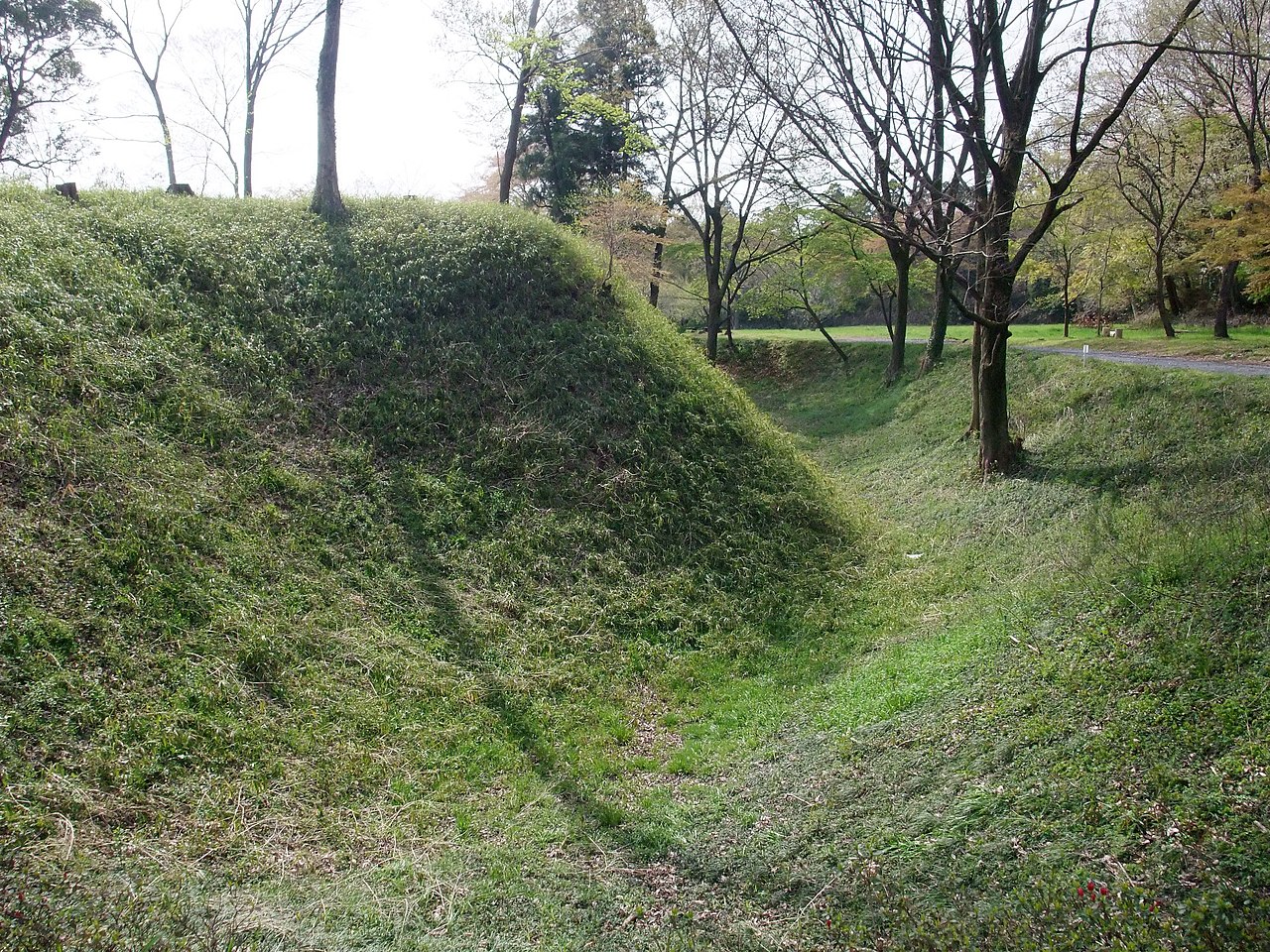
Oshi Castle is situated on a hill amidst the marshy plains of the Kantō region, which significantly influenced its defensive architecture. The castle's builders took advantage of the surrounding wetlands and rivers to create a complex system of moats and water defenses. These features made direct assaults difficult and allowed the castle to withstand prolonged sieges. The castle's layout included stone walls, earthen ramparts, and multiple moats that integrated with the natural landscape, enhancing its defense.
The floating castle nickname
The moniker "Floating Castle" refers to the castle's unique ability to appear as if it was floating on water, thanks to the extensive moat system and the surrounding marshlands. This innovative use of water defenses was a hallmark of Japanese castle design in wetland areas and contributed to Oshi Castle's reputation as a formidable fortress.
Historical significance and the siege of oshi
Oshi Castle is best known for its role during the siege of Oshi in 1590, a key event in the Sengoku period conflicts. The castle was defended by a small force led by Narita Nagachika against the much larger army of Toyotomi Hideyoshi, who sought to unify Japan under his rule. Despite being heavily outnumbered, the defenders utilized the castle's water defenses and strong fortifications to resist the siege for several months.
Defense tactics and outcome
The defenders of Oshi Castle employed a combination of defensive tactics that leveraged the surrounding wetlands. The attackers attempted to flood the castle by diverting rivers, but the defenders' preparations and knowledge of the terrain allowed them to maintain their position. Ultimately, the castle fell not through direct military conquest but after the main fortress of Odawara surrendered, leading to the defenders' capitulation. This siege highlighted the effectiveness of water-based defenses in Japanese castle warfare.
The castle in the edo period and beyond
During the Edo period, Oshi Castle served as the administrative center of the Oshi Domain, which was valued at 100,000 koku. The castle underwent modifications to suit its role as a regional government seat rather than a purely military fortress. Its strategic importance diminished as Japan entered a period of relative peace under Tokugawa rule, but it remained a symbol of regional power and heritage.
Later history and preservation
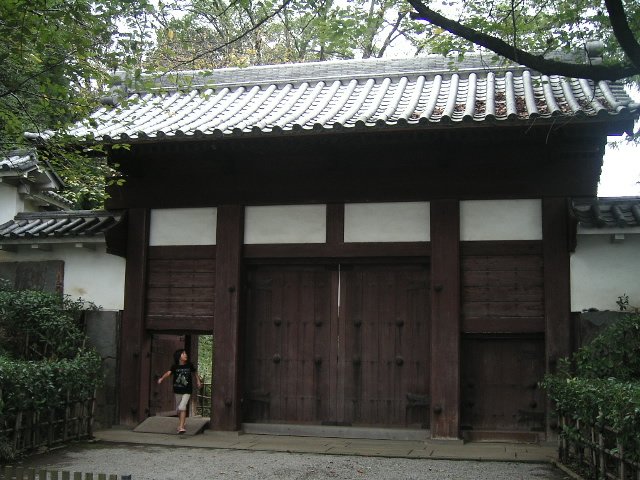
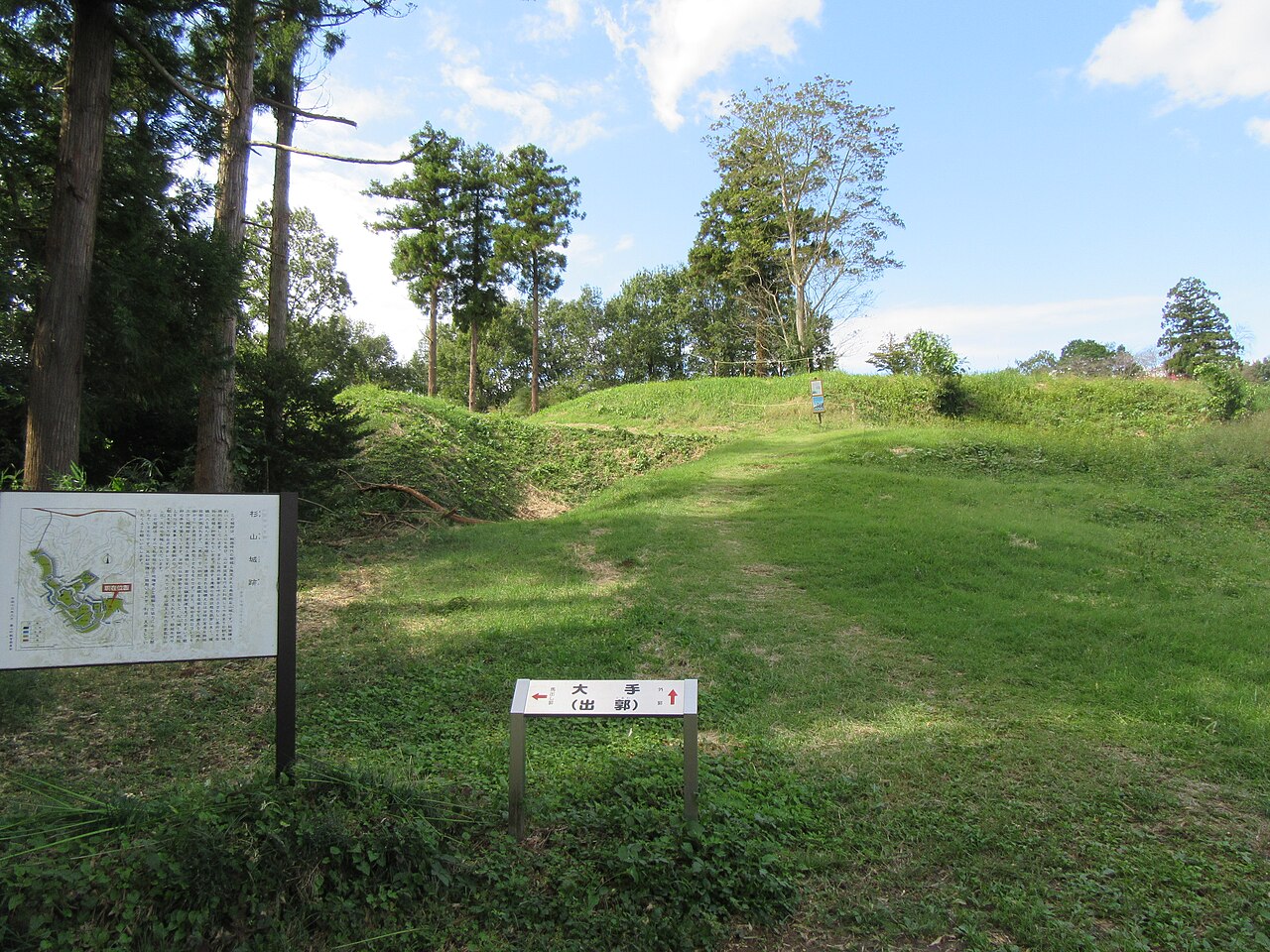
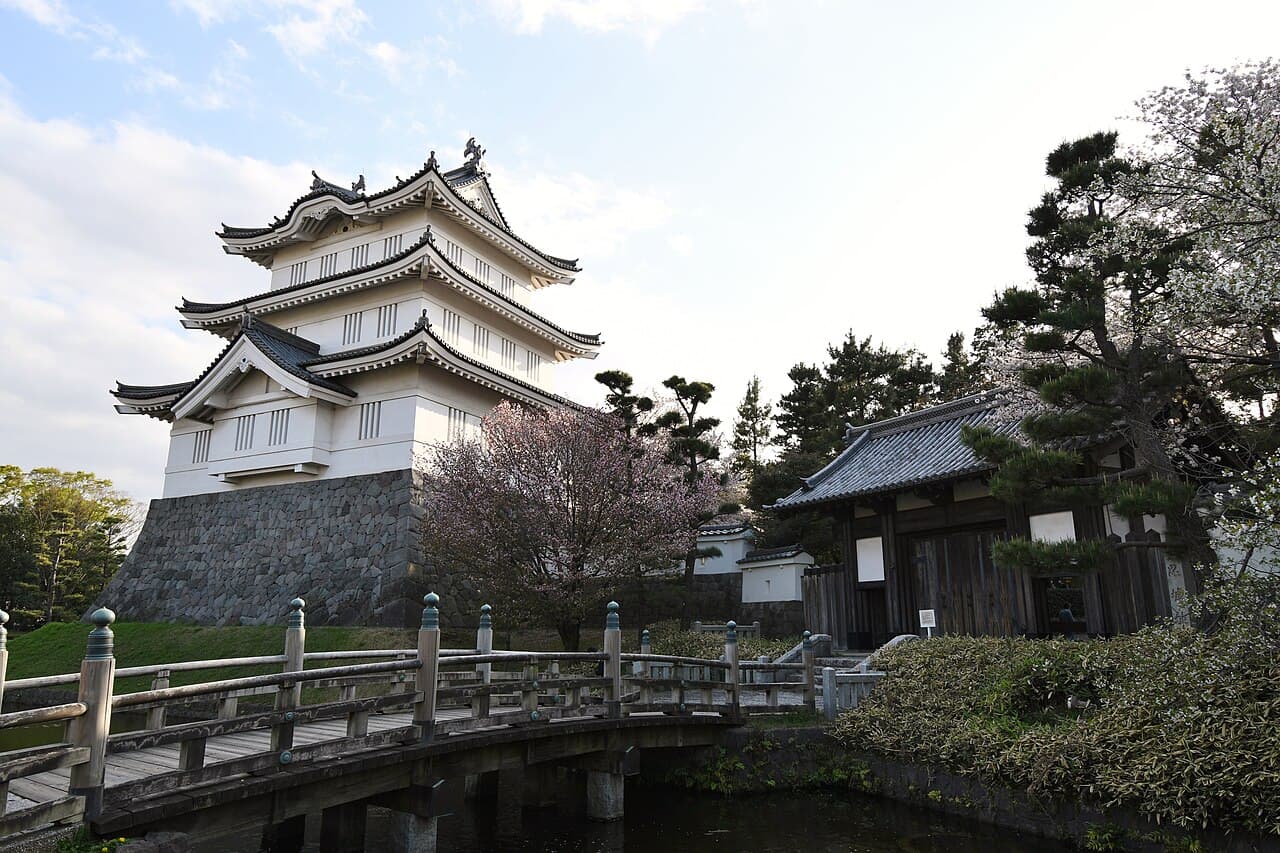
In the centuries following the Edo period, much of Oshi Castle was dismantled or fell into ruin, a fate common to many Japanese castles after the Meiji Restoration. However, parts of the castle, including reconstructed moats and earthen walls, have been preserved or restored. Today, Oshi Castle is recognized as an important cultural site, attracting visitors interested in Japanese history and castle architecture.
Architectural features and cultural legacy
Oshi Castle's architecture reflects the practical and strategic needs of its time. Its stone foundations, layered earthen ramparts, and extensive water defenses demonstrate a sophisticated understanding of military engineering in the late medieval period. The castle's layout, with its multiple baileys and defensive enclosures, exemplifies the typical design of Sengoku-era fortresses adapted to wetland environments.
Cultural significance
The castle remains a symbol of resilience and ingenuity in Japanese castle construction. Its story is often highlighted in discussions of Sengoku period military history and the evolution of Japanese fortifications. Oshi Castle's nickname, the Floating Castle, continues to capture the imagination of historians and visitors alike, emphasizing its unique place in Japan's architectural heritage.
Visitor experience
Visitors to Oshi Castle can explore the reconstructed moats and earthworks, gaining insight into the castle's defensive strategies. The site offers educational exhibits about the Sengoku period and the castle's role in regional history. Its location in Gyōda provides access to other cultural attractions in Saitama Prefecture, making it a valuable destination for those interested in Japanese history and architecture.
Frequently asked questions (FAQ)
- How do I get to Oshi Castle?
- Oshi Castle is located in Gyōda, Japan, and can be easily reached by public transportation. Take a train to Gyōda Station, and from there, it’s about a 15-minute walk to the castle grounds.
- What is the historical significance of Oshi Castle?
- Oshi Castle is an important historical site, originally constructed in the 15th century as a strategic stronghold. It played a crucial role during the Sengoku period and is known for its unique stone walls and beautiful landscapes.
- When was Oshi Castle built?
- Oshi Castle was built in 1457 by the Uesugi clan as a defensive fortress. Over the years, it has undergone various restorations, with the most notable renovations occurring during the Edo period.
- Can I enter the castle grounds?
- Yes, visitors can enter the castle grounds and explore the beautiful ruins, gardens, and surrounding park. However, the main keep is not present, as it was destroyed during the Meiji Restoration.
- Why is Oshi Castle a popular tourist destination?
- Oshi Castle is popular for its picturesque views and rich history, attracting both history enthusiasts and casual visitors. The castle’s beautiful cherry blossoms in spring also make it a favored spot for hanami (flower viewing).
- Is it possible to visit Oshi Castle year-round?
- Yes, Oshi Castle is open to visitors year-round, offering a different experience with each season. However, the best times to visit are during the cherry blossom season in spring and the vibrant foliage in autumn.
- What are the opening hours for Oshi Castle?
- Oshi Castle is typically open from 9 AM to 5 PM. It is advisable to check for any seasonal changes in hours or special events that may affect visiting times.
- What are the ticket prices for visiting Oshi Castle?
- Entry to the castle grounds is generally free, while certain areas or exhibitions may have a small fee. It’s best to check the official website for the most current pricing information and any special exhibitions.
- What nearby attractions can I visit while at Oshi Castle?
- While visiting Oshi Castle, you can also explore the nearby Gyōda City Museum and the historic town of Gyōda with its traditional buildings. The area is rich in cultural heritage, making it a great destination for a full day of sightseeing.

Information
Loading map...
Visitor reviews
No reviews yet. Been here? Write the first review and help other travelers!
Write the first reviewVisited this castle? Share your experience
Your review helps other travelers and adds first-hand knowledge to our encyclopedia.