Ashikagashi Yakata — Japan castle

Ashikagashi Yakata

Ashikagashi Yakata: early fortified residence in Ashikaga, Japan
Ashikaga, Japan
High Medieval (11th–13th c.)
Partially Preserved

Ashikagashi Yakata represents one of the earliest examples of a fortified residence in Japan, dating back to the mid-1100s. This site was originally constructed as a square plot of land surrounded by a protective moat and secured by strategically placed gates at its entrances, embodying the defensive architectural style of the period. The residence was built by the influential Ashikaga family, a prominent clan during the High Medieval era, which played a significant role in the region's history.

The fortress served not only as a military stronghold but also as a family home and administrative center. In 1196, Ashikaga Yoshikane, a key figure in the clan's lineage, established the Bannaji Temple within the grounds, intertwining religious significance with the site's military and residential functions. This temple remains an important cultural landmark today, reflecting the site's transformation over centuries.

Architectural features and layout

The castle's design is characteristic of early Japanese fortifications, emphasizing natural defenses enhanced by man-made structures. The square layout enclosed by a moat was typical for residences aiming to balance habitation and defense. The moat provided a formidable barrier against invaders, while the gates controlled access and were likely reinforced to withstand attacks.

While much of the original structure has not survived intact, the remaining elements, such as the temple and gates, offer valuable insights into the architectural techniques and materials used during the 12th century. The site's preservation allows visitors to appreciate the integration of military architecture with religious and domestic spaces.

Historical context and significance

The Ashikaga family rose to prominence during the High Medieval period in Japan, and their residence at Ashikagashi Yakata reflects their status and strategic importance. The construction of the fortified residence in the mid-1100s coincided with a time of increased military activity and clan rivalries across Japan, necessitating secure strongholds.

Ashikaga Yoshikane's establishment of Bannaji Temple on the site in 1196 further cemented the family's influence, as temples often served as centers of power, culture, and community. The dual function of the site as both a fortress and a religious complex illustrates the multifaceted role such castles played in medieval Japanese society.

Visiting Ashikagashi Yakata today

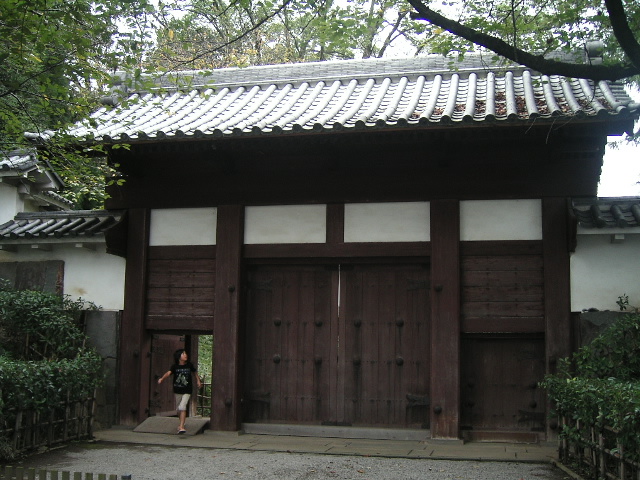
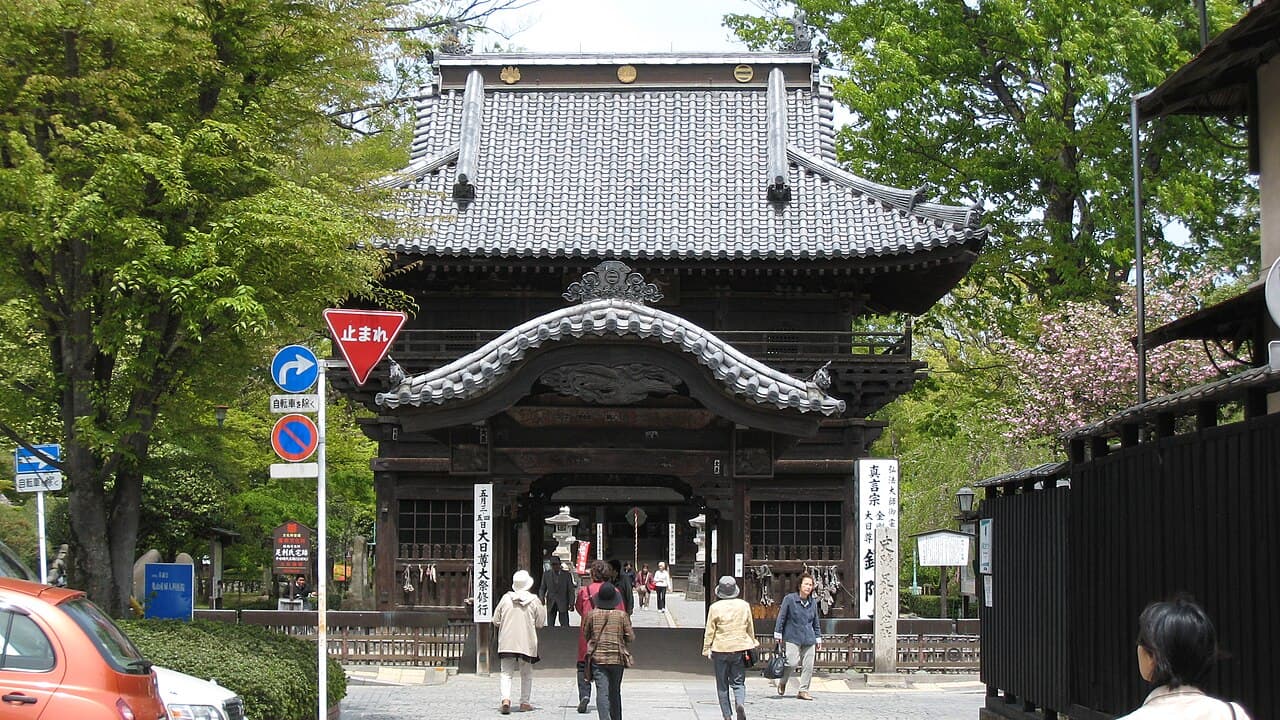
Today, the site is partially preserved, with the temple and gates standing as the most prominent features accessible to visitors. Located just a short walk from the local train station in Ashikaga, it is easily reachable and offers a peaceful glimpse into Japan's medieval past.

The proximity to other historical sites, such as Kanayama Castle, makes Ashikagashi Yakata a worthwhile stop for those interested in exploring Japan's castle heritage. The well-maintained temple grounds and the evocative ruins provide a unique opportunity to experience the blend of military and religious history in one location.

Visitor experience and cultural importance

Visitors can enjoy the serene atmosphere of Bannaji Temple while imagining the fortified residence that once dominated the landscape. The site’s layout and remaining structures highlight the early development of Japanese castle architecture, particularly the use of moats and gates for defense.

As an early example of a bastioned fortress, Ashikagashi Yakata offers valuable insights into the evolution of Japanese castles from simple fortified homes to more complex military installations in later centuries.

Frequently asked questions (FAQ)

What is the historical significance of Ashikagashi Yakata?
Ashikagashi Yakata, also known as the Ashikaga Residence, was the home of the influential Ashikaga clan during the Muromachi period. This castle played a crucial role in the political landscape of Japan, serving as a center for power and culture in the region.
When was Ashikagashi Yakata built?
The origins of Ashikagashi Yakata date back to the 14th century. It was established by the Ashikaga clan as a fortified residence and underwent various renovations throughout its history, reflecting the architectural styles of different periods.
Can I visit Ashikagashi Yakata?
Yes, Ashikagashi Yakata is open to the public, allowing visitors to explore its historical grounds and admire its architecture. Guided tours are available to enhance your experience and provide deeper insights into its rich history.
What are the opening hours for Ashikagashi Yakata?
Ashikagashi Yakata is typically open from 9:00 AM to 5:00 PM, with last entry at 4:30 PM. However, it is advisable to check the official website for any seasonal changes or special events that may affect these hours.
Is it possible to access Ashikagashi Yakata by public transportation?
Yes, Ashikagashi Yakata is accessible by public transportation. Visitors can take a train to Ashikaga Station and then use local buses or taxis to reach the castle, making it convenient for those relying on public transport.
What is the best time to visit Ashikagashi Yakata?
The best time to visit Ashikagashi Yakata is during the spring and autumn months when the weather is mild and the surrounding scenery is particularly beautiful. Cherry blossoms in spring and vibrant autumn leaves offer stunning backdrops for your visit.
Are there any nearby attractions to explore after visiting Ashikagashi Yakata?
Yes, there are several nearby attractions worth exploring, including the Ashikaga Flower Park and the historic ruins of Ashikaga Gakko, Japan's oldest university. These sites complement your visit to Ashikagashi Yakata and provide a fuller experience of the area's rich history and culture.
What are the ticket prices for Ashikagashi Yakata?
Ticket prices for Ashikagashi Yakata are generally affordable, with discounts available for students and groups. It is advisable to check the official website or inquire at the entrance for the most current pricing information and any special promotions.

Photo gallery

Ashikagashi Yakata
Click to view

Photo by taketarou•CC BY 2.5

1 photo • Click any image to view in full screen

Information

Bastioned Fortress

Sources & official resources

Verify the information above using these authoritative references.

Loading map...

Visitor reviews

No reviews yet. Been here? Write the first review and help other travelers!

Write the first review

Visited this castle? Share your experience

Your review helps other travelers and adds first-hand knowledge to our encyclopedia.
Write a review

(5/5)

0/2000 characters

Your review will be visible after admin approval

Nearby castles

7 km
Kanayama Castle — Japan castle

Kanayama Castle

Ota, Japan

Kanayama Castle stands as a prominent example of a late medieval hill castle in Japan, located in the city of Ota within Gunma Prefecture. Constructed in 1469 by Iwamatsu Iezumi, the castle was strategically positioned on a hill to maximize its defensive capabilities, a common practice in Japanese castle design during the Muromachi period. Its elevated location provided natural fortification and commanding views of the surrounding area, crucial for monitoring enemy movements. Founding and early ownership The castle's initial lord, Iwamatsu Iezumi, established Kanayama as a stronghold in the region. In 1528, control passed to Yokose Narishige, a loyal retainer of the Iwamatsu family. The Yokose family later adopted the name Yura around 1565, marking a significant transition in the castle's lineage. This period was marked by frequent regional conflicts, which tested the castle's defenses and strategic importance. Military significance and sieges Kanayama Castle gained renown for its resilience during multiple sieges by some of the most powerful warlords of the time. It faced assaults from Uesugi Kenshin in 1574, Takeda Katsuyori in 1580, and Satake Yoshishige in 1583. Despite these formidable attacks, the castle's robust construction, including its stone walls and defensive baileys, allowed it to withstand sieges and maintain control over the area. The castle's fortifications, especially the Ote Koguchi—the main entrance—are noted for their strength and elaborate design, featuring stone walls flanking the entrance road and multiple baileys that enhanced its defensive depth. Architectural features The Ote Koguchi gate is a key highlight of Kanayama Castle's architecture. This gate, combined with the entrance road bordered by stone walls and defensive baileys, exemplifies the sophisticated military engineering of the period. Such well-preserved gate structures are rare in Japan, making Kanayama Castle a valuable site for understanding castle defense mechanisms in the late medieval era. Political changes and later history In 1584, the castle's lords, Yura Kunishige and his brother Nagao Akinaga (lord of Tatebayashi Castle), were captured by the Hojo clan based in Odawara. Their release was secured through the surrender of Kanayama Castle to the Hojo, signifying a shift in regional power. Later, during Toyotomi Hideyoshi's campaign against the Hojo in 1590, the castle was seized by Maeda Toshiie, a prominent general under Hideyoshi. Following this takeover, Kanayama Castle was decommissioned and ceased to be used as a military fortress. Cultural significance and preservation Today, Kanayama Castle is recognized as one of the Top 100 Castles of Japan and is celebrated as one of the Seven Famous Kanto Castles. It holds the status of a National Historical Site, reflecting its importance in Japanese cultural heritage and history. The castle ruins are well-maintained by Ota City, which has invested in preserving the site and enhancing visitor experience. The ruins feature informative signage that highlights key points of interest, and the recently established Information Center provides detailed historical context and educational resources. Visitor experience and site features Visitors to Kanayama Castle can explore the extensive ruins, including the remains of stone walls, baileys, and the impressive main gate. The castle's layout offers insight into late medieval Japanese fortification techniques. The site is accessible and well-signposted, making it suitable for both casual tourists and history enthusiasts. Ota City's efforts ensure that the castle's legacy is preserved and appreciated, contributing to the broader understanding of Japan's feudal past.

Late Medieval (14th–15th c.)
Details
13.1 km
Tatebayashi Castle — Japan castle

Tatebayashi Castle

Tatebayashi, Japan

Tatebayashi Castle (館林城, Tatebayashi-jō) stands as a notable example of a Japanese hill castle located in Tatebayashi, in the southern part of Gunma Prefecture, Japan. Constructed in the 16th century during the Sengoku period, the castle played a significant role in regional military and political affairs. It is also historically referred to as Obiki-jō (尾曳城), a name that reflects local tradition and the castle's enduring presence in Japanese history. Historical background and ownership The origins of Tatebayashi Castle trace back to a time of intense conflict and territorial disputes among samurai clans vying for control in the Kanto region. Throughout its history, the castle was governed by a succession of different clans, each leaving their mark on its structure and legacy. Notably, during the late Edo period, the castle was the residence of the Akimoto clan, who were the daimyō of the Tatebayashi Domain. These feudal lords managed the domain under the Tokugawa shogunate's rule, maintaining the castle as a political and administrative center. Architectural features and layout Tatebayashi Castle exemplifies the typical characteristics of a hill castle or yamashiro, strategically positioned on elevated terrain to maximize defensive advantage. The castle's design incorporated multiple baileys (courtyards) protected by robust stone walls and earthen ramparts. Defensive elements included moats, gates, and watchtowers that allowed for surveillance and protection against invaders. The main keep, or tenshu, traditionally served as the symbolic and military heart of the castle, although Tatebayashi's tenshu was modest compared to larger castles. The castle grounds also contained residential quarters, storehouses, and administrative buildings essential for the domain's governance. Defensive structures The castle's fortifications were enhanced by natural topography, including steep slopes and surrounding forests, which acted as natural barriers. The moats surrounding the castle were typically filled with water, creating additional obstacles for any attacking forces. Gates were reinforced with heavy wooden doors and iron fittings, designed to withstand sieges. Historical significance and cultural heritage Tatebayashi Castle's importance lies not only in its military function but also in its role as a cultural and administrative hub during the Edo period. The castle was part of the broader feudal network under the Tokugawa shogunate, contributing to the stability and governance of the region. Its association with the Akimoto clan highlights the castle's place in the complex social hierarchy of the time. While much of the original structure has not survived intact, the site remains a valuable cultural asset. It offers insights into Japanese castle construction techniques and feudal history. Today, the castle grounds serve as a public park and historical site, attracting visitors interested in Japan's samurai past and architectural heritage. Modern status and preservation Currently, Tatebayashi Castle is classified as a hill castle with its original structures largely lost or dismantled over time. The castle site is preserved as a historical landmark, with some reconstructed elements and informative displays to educate visitors about its past. Efforts to maintain the site focus on preserving the remaining earthworks, moats, and stone foundations. Visitors can explore the castle grounds, which include walking paths, gardens, and remnants of the fortifications. The site is accessible year-round, providing a glimpse into the architectural and historical significance of this 16th-century Japanese castle.

Renaissance (15th–17th c.)
Details
13.4 km
Karasawa Castle — Japan castle

Karasawa Castle

Sano, Japan

Karasawayama Castle (唐沢山城, Karasawayama-jō) is a historically significant Japanese hill castle located in the city of Sano, within Tochigi Prefecture in the northern Kantō region of Japan. Originally constructed during the Heian period, this castle site played a vital role through the Sengoku period, reflecting the turbulent military and political climate of medieval Japan. Historical background and strategic importance The castle's origins trace back to the Heian period (794–1185), a time when regional fortifications began emerging to assert control over local territories. Karasawayama Castle was built atop a hill, a common strategic choice in Japanese castle construction, providing a commanding view of the surrounding landscape and enhancing defensive capabilities. Its location in the northern Kantō region made it a focal point in controlling access routes and regional power struggles. Throughout the Late Medieval period, particularly during the Sengoku period (1467–1615), Karasawayama Castle was a stronghold for various samurai clans. It was notably controlled by the Karasawa clan, a powerful family whose influence extended across the region. The castle's fortifications and natural defenses made it a formidable base during the frequent conflicts of the era. Architectural features and layout Karasawayama Castle exemplifies the characteristics of a hill castle with its integration into the natural topography. The castle complex was designed to maximize the defensive advantages of its elevated position. It featured multiple baileys (courtyards) arranged in terraces along the hillside, connected by narrow paths and steep stairs that hindered enemy movement. The main enclosure (honmaru) was situated at the highest point, serving as the residence and command center. Surrounding it were secondary enclosures (ni-no-maru and san-no-maru) that housed troops, storage facilities, and administrative buildings. Defensive walls made of earthworks and stone, along with wooden palisades, reinforced the perimeter. Karasawayama Castle also utilized natural cliffs and ravines as part of its defenses, reducing the need for extensive man-made fortifications on certain sides. Moats, both dry and water-filled, were incorporated where terrain allowed, further complicating any assault. Decline and preservation The castle's military significance waned after the unification of Japan under the Tokugawa shogunate in the early 17th century. Like many castles of the period, it fell into disuse and was eventually abandoned. Over time, much of the above-ground structure deteriorated, leaving primarily earthworks and foundation remnants. Recognizing its cultural and historical value, the site of Karasawayama Castle was designated a National Historic Site in 2014. Preservation efforts focus on maintaining the remaining earthworks, stone walls, and the castle's overall layout, allowing visitors to appreciate its historical context and architectural ingenuity. Visiting Karasawayama Castle today Today, Karasawayama Castle remains an important heritage site for those interested in Japanese medieval history and castle architecture. The site offers walking trails that follow the original castle terraces, providing panoramic views of the surrounding Tochigi countryside. Interpretive signage helps visitors understand the castle's historical role and structural features. While the castle no longer retains its original buildings, the preserved earthworks and strategic location convey the scale and complexity of this late medieval hill castle. It is a valuable destination for history enthusiasts, scholars, and tourists exploring Japan's feudal past.

Late Medieval (14th–15th c.)
Details