Tatas Fort
Tatas Fort is a significant example of an 18th-century bastioned fortress located in Indonesia. Constructed during the post-Renaissance period, this fortification reflects the military architectural styles and strategic defensive needs of its era, particularly under colonial influence in Southeast Asia.
Historical context and strategic importance
The fort was built in the 18th century during a time when European colonial powers were expanding their territories and fortifying key locations for military and trade control. Situated in Indonesia, which was under Dutch colonial rule for much of this period, Tatas Fort served as a critical defensive structure to protect coastal areas and trade routes from rival powers and local resistance.
The strategic placement of the fort allowed it to oversee and control access to important maritime channels, making it a vital asset in the colonial military network. Its construction was part of broader efforts to establish strongholds that could withstand artillery attacks and provide secure bases for troops.
Architectural features of Tatas Fort
Bastioned design and layout
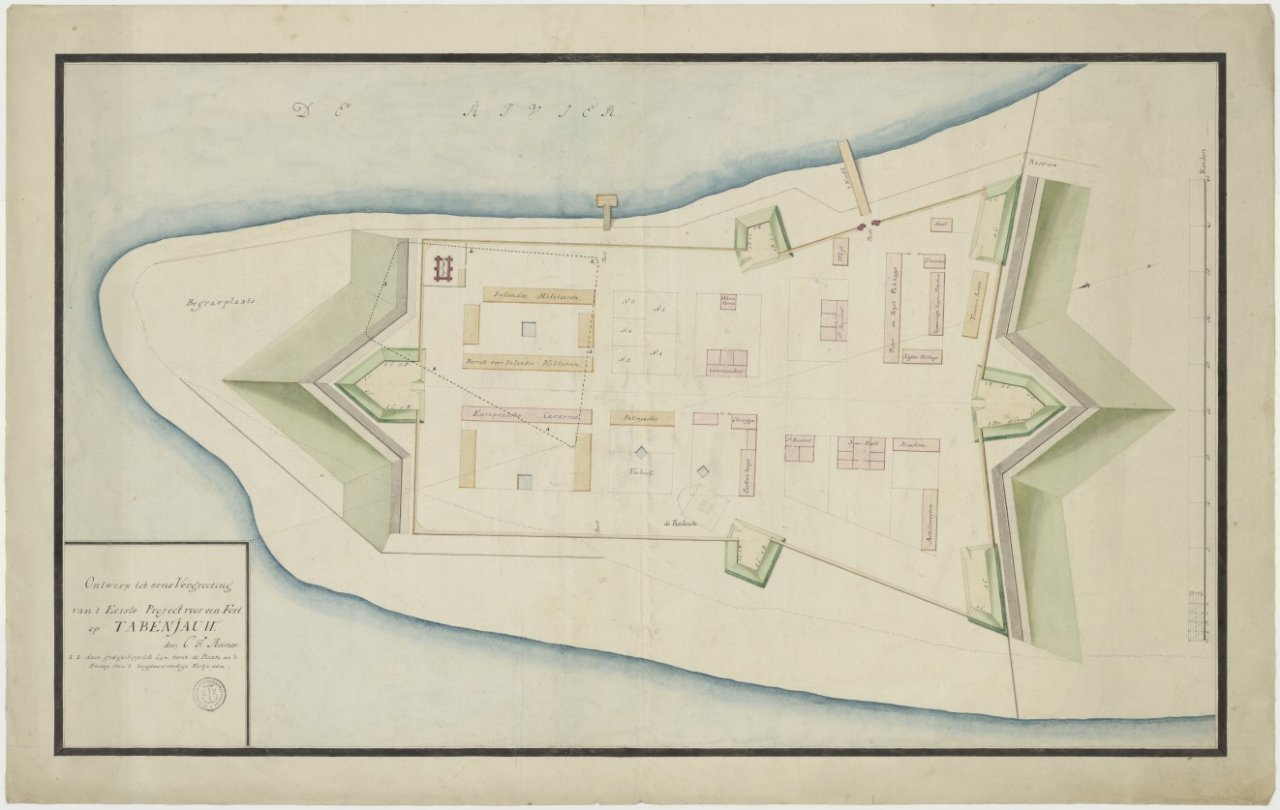
Tatas Fort is characterized by its bastioned fortress design, which was a common military architectural style developed during the Renaissance and adapted in later periods. The bastions are angular projections from the main walls, designed to eliminate blind spots and allow defensive fire along the walls' faces. This design improved the fort's ability to repel attackers and defend against cannon fire.
The fort's walls are constructed from durable materials suitable for withstanding both artillery bombardment and tropical weather conditions. The bastions are connected by curtain walls, forming a polygonal or star-shaped layout typical of bastioned forts, optimizing defensive coverage.
Defensive elements and internal structures
The fort includes several key defensive features such as thick ramparts, embrasures for cannons, and fortified gates. The presence of a moat or ditch around the fort is possible, as this was a common feature in bastioned fortresses to hinder enemy advances, although specific details about Tatas Fort's moat are limited.
Inside, the fort likely contained barracks, storage rooms for ammunition and supplies, and command quarters. These internal facilities supported the garrison stationed there and ensured operational readiness during sieges or attacks.
Colonial military architecture in Indonesia
Tatas Fort exemplifies the adaptation of European military architectural principles in the Indonesian context. The Dutch East India Company (VOC) and later Dutch colonial authorities constructed numerous forts across the archipelago to secure their interests. These forts combined European defensive designs with local construction techniques and materials.
The bastioned fortress style was favored for its effectiveness against gunpowder artillery, which had rendered earlier medieval fortifications obsolete. Forts like Tatas Fort were integral to maintaining colonial dominance and protecting valuable trade commodities such as spices.
Current condition and preservation
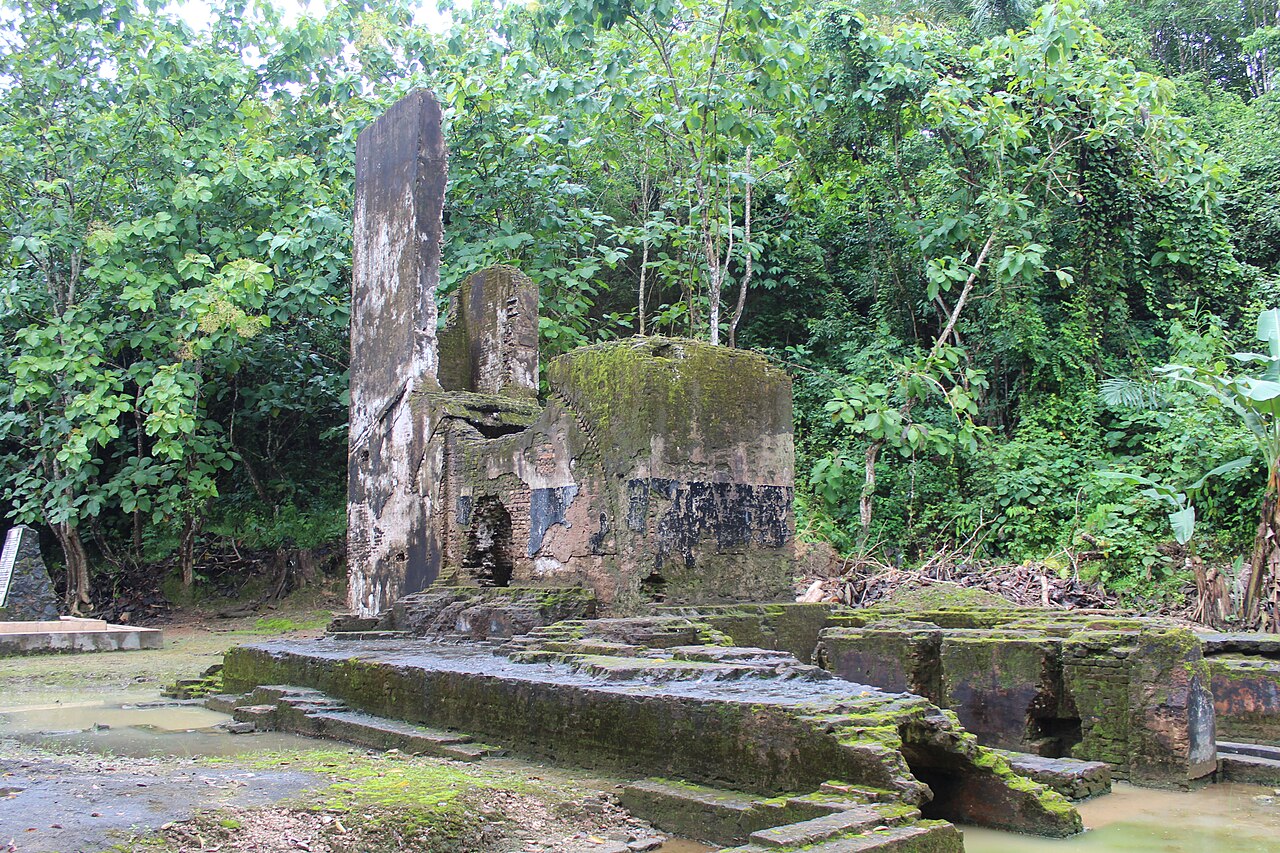
While detailed information about the current condition of Tatas Fort is limited, bastioned forts from this period in Indonesia vary in preservation status. Some remain well-preserved or restored as historical sites, while others have fallen into ruin due to tropical climate, neglect, or urban development.
Efforts to preserve such forts contribute to understanding Indonesia's colonial history and architectural heritage. These sites offer insights into military engineering and the geopolitical dynamics of the 18th century in Southeast Asia.
Visiting Tatas Fort
Visitors interested in colonial military architecture and Indonesian history may find Tatas Fort a valuable site to explore. Its bastioned design and historical significance provide a tangible connection to the region's past conflicts and colonial administration.
Information regarding visiting hours, ticket prices, and accessibility is not widely documented, so potential visitors should seek local guidance or tourism resources for up-to-date details.
Frequently asked questions (FAQ)
- What is the historical significance of Tatas Fort?
- Tatas Fort, located in Indonesia, is a symbol of the region's rich history, dating back to the 16th century. It served as a strategic military outpost and played a crucial role during colonial conflicts, showcasing the architectural and cultural influences of the time.
- When was Tatas Fort built?
- Tatas Fort was constructed in the early 1500s, reflecting the influence of both local and colonial architectural styles. Its historical construction marks an important era in Indonesia's defense against invaders and showcases the military ingenuity of its builders.
- What are the opening hours for Tatas Fort?
- Tatas Fort is open to visitors daily from 9 AM to 5 PM. It’s advisable to check for any seasonal variations in hours or special events that may affect accessibility.
- Can I take guided tours of Tatas Fort?
- Yes, guided tours are available at Tatas Fort, providing visitors with in-depth knowledge about its history and architecture. These tours are a great way to enhance your visit and appreciate the fort's significance.
- Is it possible to visit Tatas Fort year-round?
- Yes, Tatas Fort is open for visits throughout the year. However, the best time to visit is during the dry season, from May to September, when the weather is more favorable for exploring the site.
- What are the ticket prices for entering Tatas Fort?
- The admission fee for Tatas Fort is relatively affordable, typically around IDR 20,000 for adults and IDR 10,000 for children. Discounts may be available for groups or students, so it's worth inquiring at the entrance.
- Are there nearby attractions to visit after Tatas Fort?
- Yes, there are several attractions near Tatas Fort, including beautiful beaches and local markets. After exploring the fort, visitors can enjoy the scenic views at nearby coastal areas or experience local culture in the surrounding villages.
- How do I get to Tatas Fort?
- Tatas Fort can be accessed via public transportation or taxis from major cities in Indonesia. It is advisable to check local travel options and routes beforehand to ensure a smooth journey to the fort.
- What is the architectural style of Tatas Fort?
- Tatas Fort features a blend of traditional Indonesian and colonial architectural styles, showcasing thick stone walls and strategic layouts. Its design not only served military purposes but also reflects the cultural heritage of the region.
Photo gallery

Information
Loading map...
Visitor reviews
No reviews yet. Been here? Write the first review and help other travelers!
Write the first reviewVisited this castle? Share your experience
Your review helps other travelers and adds first-hand knowledge to our encyclopedia.