Fort van den Bosch
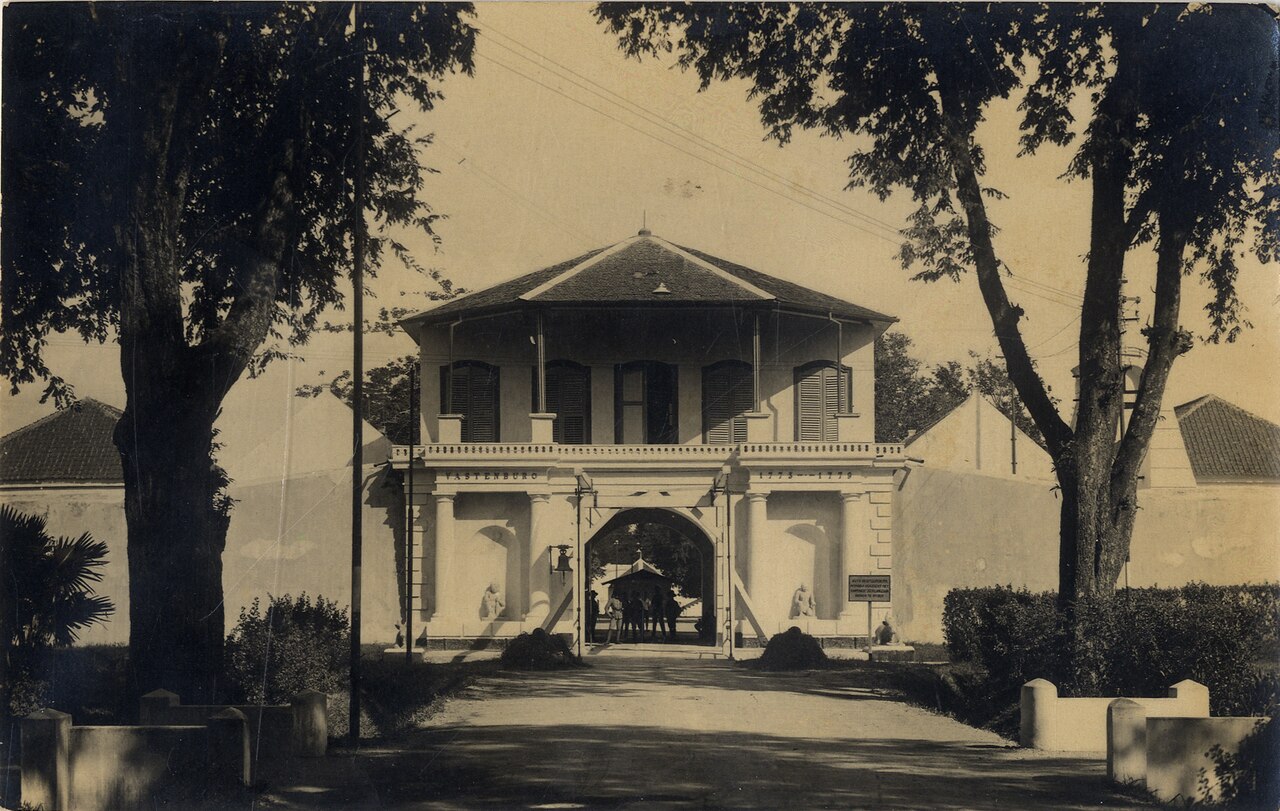
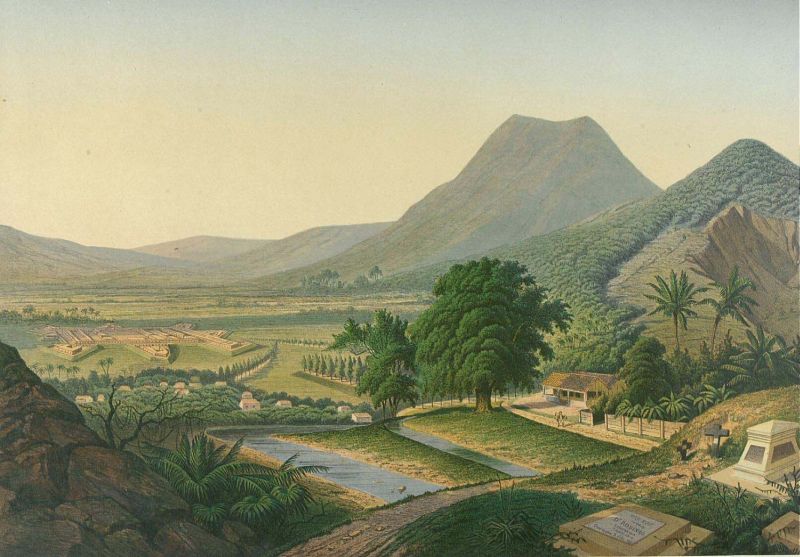
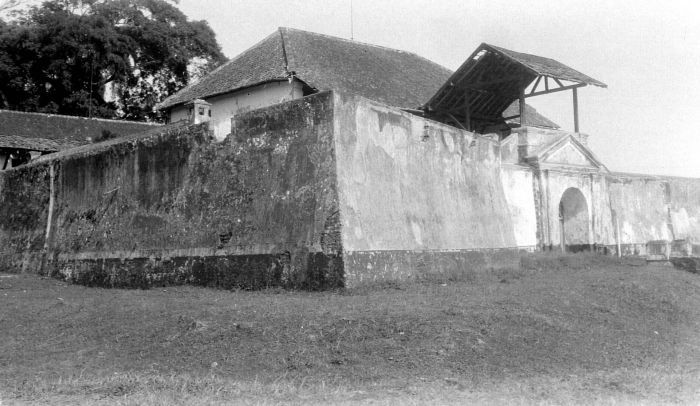
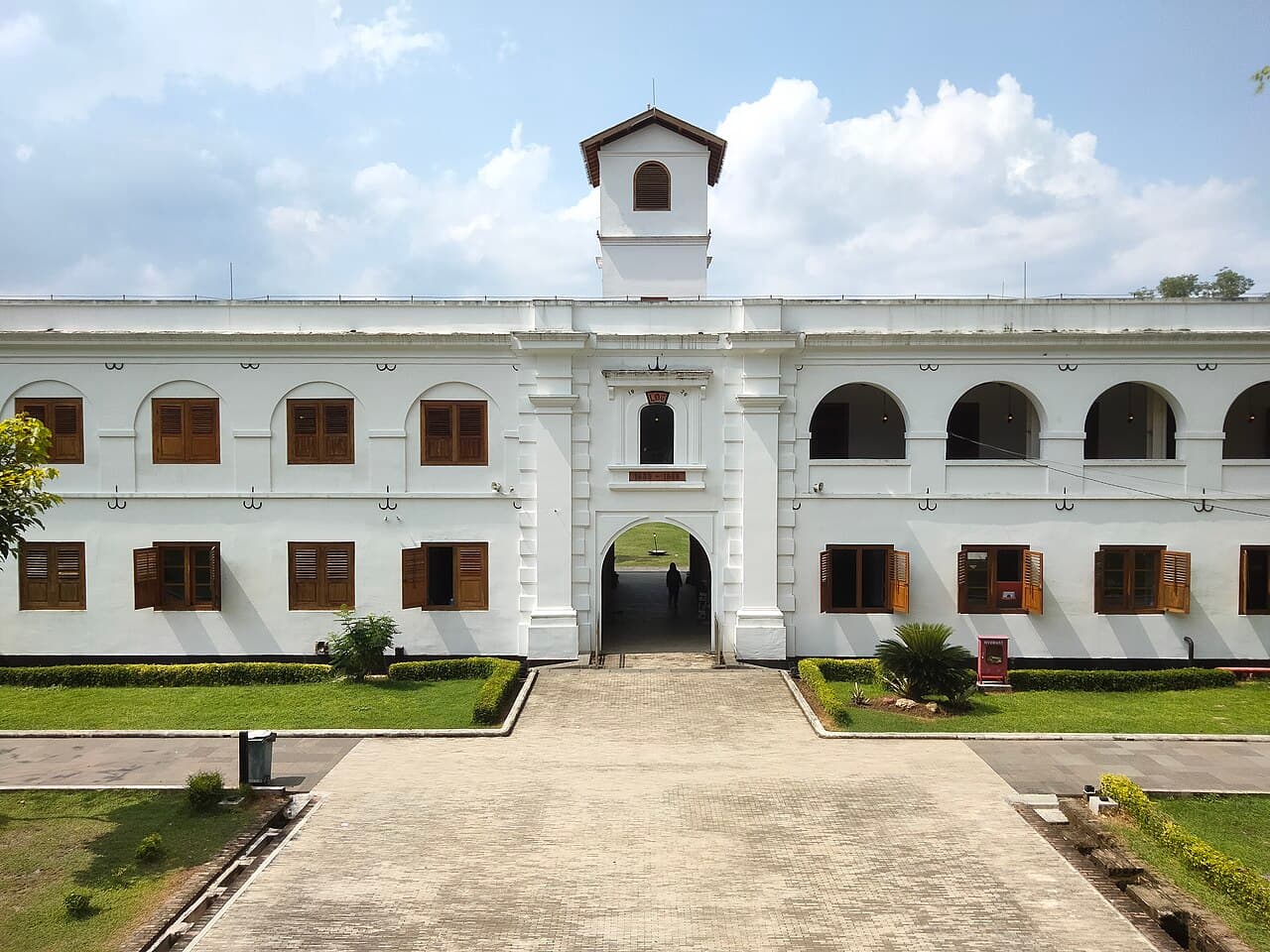
Fort van den Bosch, also known locally as Benteng Pendem or the "sunken fort," is a significant bastioned fortress located in the Pelem administrative village of Ngawi city, in the Ngawi region of Indonesia. This fort stands as a remarkable example of 19th-century colonial military architecture in Southeast Asia, constructed by the Dutch East Indies colonial government.
Historical background and construction
The fort was built in the early 19th century, specifically completed around 1845, during the period when the Dutch sought to strengthen their control over Java and the surrounding territories. It was named after Herman Willem Daendels’ successor, Governor-General Herman van den Bosch, who was instrumental in expanding Dutch colonial infrastructure and military presence.
Fort van den Bosch was strategically positioned near the confluence of the Solo River and the Madiun River, leveraging natural waterways for defense and transportation. The site selection was also influenced by the need to suppress local resistance and secure Dutch dominance in the region.
Architectural features and design
The fort is a classic example of a bastioned fortress, a style characterized by angular bastions projecting outward from the main walls, designed to provide overlapping fields of fire and eliminate blind spots. This design reflects the influence of European military engineering principles of the time, adapted to the tropical environment of Indonesia.
Benteng Pendem earned its nickname "sunken fort" due to its partially subterranean construction. The fort's walls and structures are partially buried or built below ground level, which helped reduce its visibility from a distance and provided additional protection against artillery fire.
The fortress includes thick masonry walls, moats filled with water, and several bastions equipped with cannon placements. Inside, the fort housed barracks, for ammunition storage, and administrative buildings necessary for garrison operations.
Role during colonial and wartime periods
Throughout the 19th century and into the early 20th century, Fort van den Bosch served as a key military outpost for the Dutch colonial government. It played a role in controlling uprisings and maintaining order in the region.
During World War II, the fort was occupied by Japanese forces after the Dutch capitulation in Indonesia. Its strategic location made it a valuable asset during the conflict. Post-war, the fort was abandoned and fell into disrepair.
Current condition and preservation efforts
Today, Fort van den Bosch stands as a partially preserved historical site. The nickname "Benteng Pendem" reflects its present state, with much of the structure appearing sunken or buried due to natural sedimentation and lack of maintenance over the decades.
Preservation efforts have been undertaken by local authorities and heritage organizations to maintain the fort as a cultural landmark and tourist attraction. Visitors can explore the remaining bastions, walls, and underground chambers, gaining insight into the colonial military history of Indonesia.
Visiting Fort van den Bosch
The fort is accessible to the public and serves as an educational site highlighting Dutch colonial military architecture and Indonesia's complex colonial history. It is a popular destination for history enthusiasts and tourists visiting Ngawi.
Visitors are advised to check local opening hours and guided tour availability to fully appreciate the fort's historical context and architectural features.
Frequently asked questions
- When was Fort van den Bosch built? It was constructed in the early 19th century, around 1845, during Dutch colonial rule.
- Why is it called Benteng Pendem? The nickname "sunken fort" refers to its partially subterranean design and the way it appears buried over time.
- What architectural style is the fort? It is a bastioned fortress reflecting European military engineering adapted to the Indonesian environment.
- Can visitors explore inside the fort? Yes, the fort is open to the public, allowing exploration of bastions, walls, and underground chambers.
- What was the fort's role during World War II? It was occupied by Japanese forces and used strategically during the war.
- Is the fort well preserved? The fort is partially preserved, with ongoing efforts to maintain its structure and historical significance.
Frequently asked questions (FAQ)
- What is the historical significance of Fort van den Bosch?
- Fort van den Bosch, built in the 19th century, served as a strategic military outpost for the Dutch colonial forces in Indonesia. Its architecture and design reflect the colonial military strategies of the time, making it an important site for understanding Indonesia's colonial past.
- When was Fort van den Bosch constructed?
- Fort van den Bosch was constructed in 1838 and was completed in 1840. It was named after the Dutch Governor-General Johannes van den Bosch, who played a significant role in the expansion of Dutch territories in Java.
- Can I visit Fort van den Bosch?
- Yes, Fort van den Bosch is open to visitors who wish to explore its historical grounds. It is advisable to check local guidelines and regulations before planning your visit, as accessibility may vary.
- What are the opening hours for Fort van den Bosch?
- Fort van den Bosch typically operates from 9 AM to 5 PM daily. However, it is recommended to verify the current hours of operation before your visit, as they may change due to special events or maintenance.
- Is it possible to access Fort van den Bosch with public transportation?
- Yes, Fort van den Bosch is accessible via public transportation, including local buses and taxis that operate in Ngawi. Visitors are encouraged to plan their route in advance to ensure a smooth journey.
- What is the best time to visit Fort van den Bosch?
- The best time to visit Fort van den Bosch is during the dry season, which typically runs from April to October. This period offers pleasant weather, making it ideal for exploring the fort and its surroundings.
- Are there any nearby attractions to visit while in Ngawi?
- Yes, visitors to Fort van den Bosch can also explore other attractions in Ngawi, such as local markets and traditional villages. The area offers a glimpse into the rich cultural heritage of East Java, enhancing your visit.
- What are the ticket prices for visiting Fort van den Bosch?
- The ticket prices for Fort van den Bosch are generally quite affordable, with discounts often available for students and seniors. It is best to check the official site or local information for the most current pricing and any available promotions.
- What architectural features can I expect to see at Fort van den Bosch?
- Fort van den Bosch showcases classic Dutch colonial architecture, including thick stone walls and bastions. Visitors will also notice strategic design elements aimed at defense, reflecting military architecture of the 19th century.
Photo gallery

Information
Loading map...
Visitor reviews
No reviews yet. Been here? Write the first review and help other travelers!
Write the first reviewVisited this castle? Share your experience
Your review helps other travelers and adds first-hand knowledge to our encyclopedia.