Fort Tabanio
Historical context and construction
Built in the 18th century, Fort Tabanio was part of a network of fortifications established by colonial powers in Southeast Asia to secure strategic positions and protect trade routes. The use of bastions in its design reflects the influence of European military engineering principles, which were introduced to the Indonesian archipelago during this period. These fortifications were essential for controlling key coastal areas and defending against rival colonial forces as well as local resistance.
Architectural features and layout
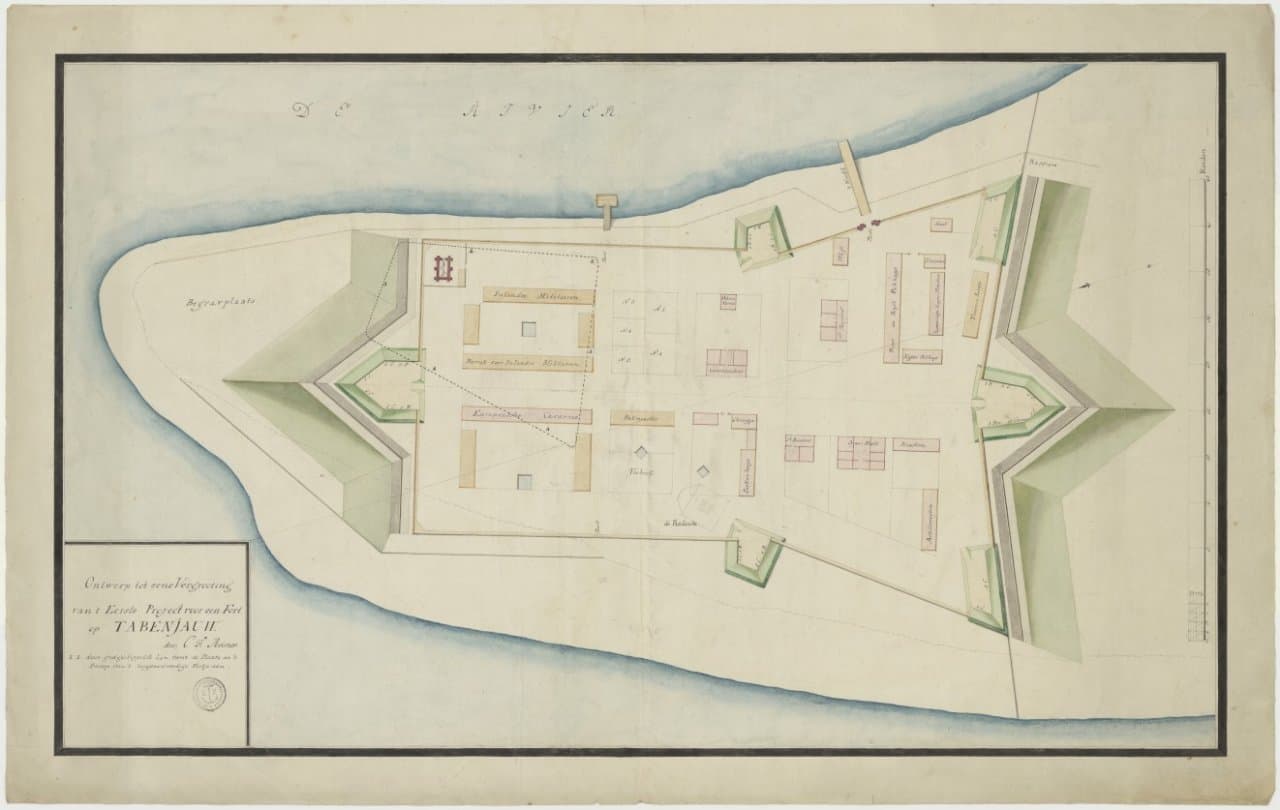
The fortress is characterized by its bastioned walls, which are angular projections designed to provide overlapping fields of fire, minimizing blind spots. This design allowed defenders to cover the surrounding terrain effectively and resist sieges involving artillery bombardment. The walls are typically constructed from stone and brick, materials chosen for their durability and resistance to cannon fire.
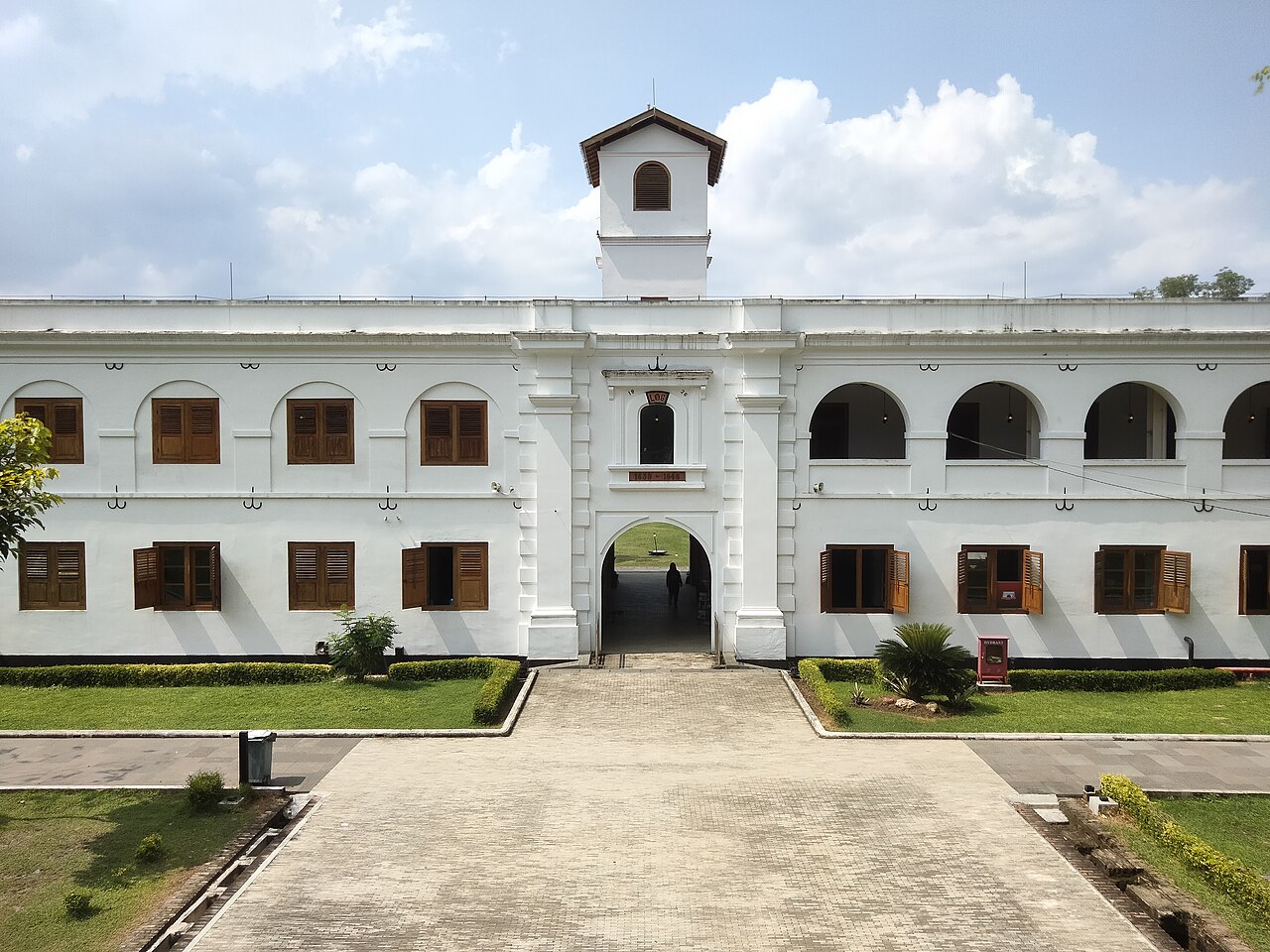
Inside the fortress, there would have been casemates or vaulted chambers used for storing ammunition and housing troops. The layout likely includes a central courtyard, surrounded by barracks and other functional buildings necessary for sustaining a garrison. Defensive features such as moats or ditches may also have been incorporated to hinder enemy advances.
Strategic importance and role
Fort Tabanio served as a critical military installation in its region, helping to secure colonial interests and maintain control over the surrounding territory. Its position would have been chosen for tactical advantages, such as overseeing important waterways or trade routes. The fort's bastioned design enabled it to withstand attacks and provided a stronghold for colonial forces during conflicts.
Preservation and current status
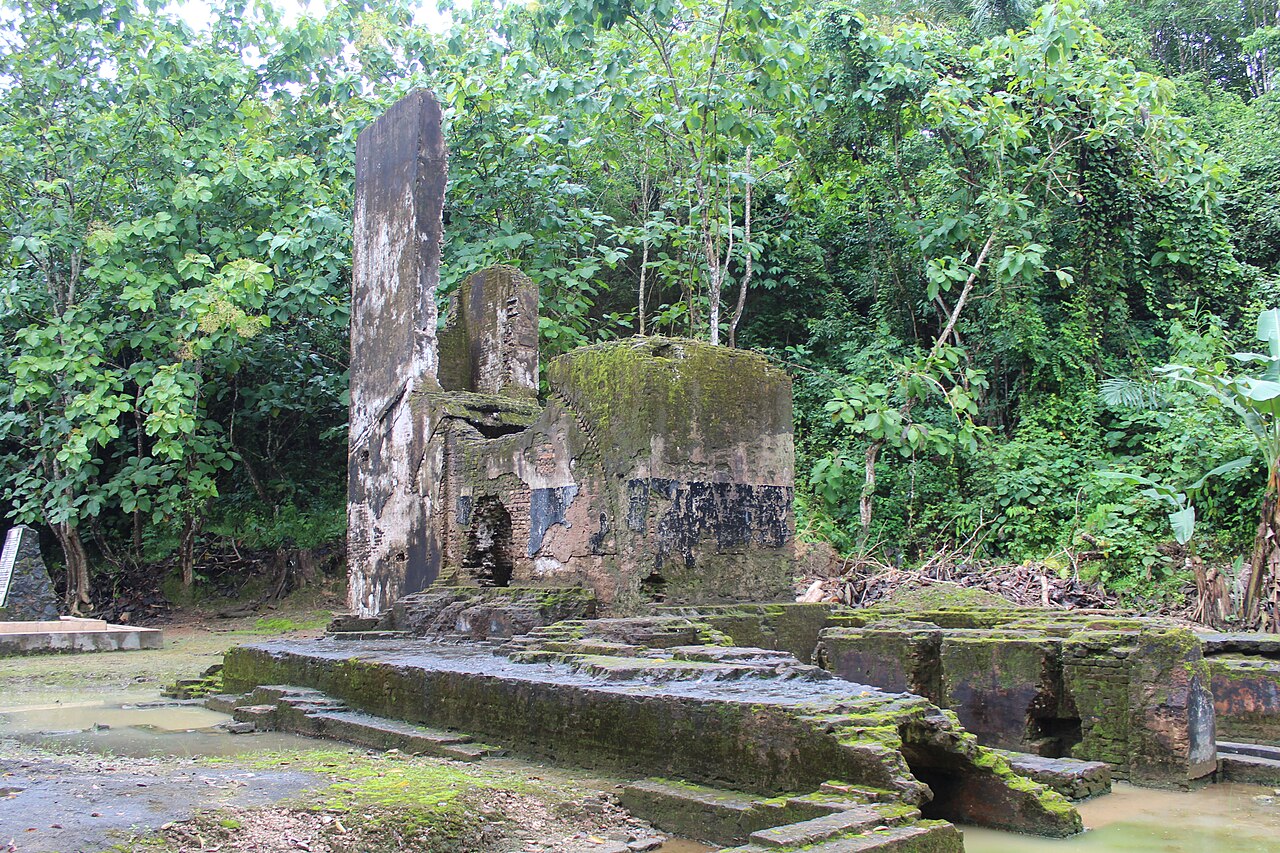
While detailed information about the current condition of Fort Tabanio is limited, bastioned forts from this era in Indonesia often face challenges related to preservation due to tropical climate and urban development pressures. Efforts to maintain such sites contribute to understanding the colonial history and military architecture of the region. Fort Tabanio remains a significant cultural heritage site, representing the adaptation of European fortification techniques in Southeast Asia.
Architectural significance in Indonesian context
Fort Tabanio exemplifies the introduction of European bastion fort design into Indonesian military architecture. This style marked a departure from earlier traditional fortifications, emphasizing angled bastions and thick walls to counter artillery threats effectively. The fort's construction reflects the broader historical narrative of colonial expansion and military innovation during the post-Renaissance period.
Frequently asked questions (FAQ)
- What is the historical significance of Fort Tabanio?
- Fort Tabanio is an important historical site in Indonesia, reflecting the country's rich colonial past. Built during the 18th century, it served as a strategic military outpost and played a crucial role in the defense against colonial powers.
- When was Fort Tabanio constructed?
- Fort Tabanio was constructed in the late 18th century, around the year 1775. Its architecture and design were influenced by European fortification techniques, showcasing the blend of cultures during that period.
- Can I visit Fort Tabanio?
- Yes, visitors are welcome to explore Fort Tabanio. The site is open to the public, allowing guests to learn about its fascinating history and enjoy the scenic views.
- What are the opening hours of Fort Tabanio?
- Fort Tabanio is typically open from 9 AM to 5 PM daily. However, it’s advisable to check for any seasonal changes or special events that might affect these hours.
- Is there an entrance fee to visit Fort Tabanio?
- Yes, there is a nominal entrance fee for visitors to access Fort Tabanio. The fee helps maintain the site and supports its preservation for future generations.
- What is the best time to visit Fort Tabanio?
- The best time to visit Fort Tabanio is during the dry season, which typically runs from April to October. During this time, visitors can enjoy pleasant weather and clearer views of the surrounding landscape.
- How accessible is Fort Tabanio for visitors with disabilities?
- Fort Tabanio has made efforts to improve accessibility for visitors with disabilities, though some areas may still present challenges due to the fort’s historical architecture. It is recommended to contact the site in advance to inquire about specific accommodations.
- Are there any nearby attractions to visit alongside Fort Tabanio?
- Yes, there are several attractions near Fort Tabanio, including local markets and scenic parks. Exploring the surrounding area can enhance your visit and provide a fuller experience of the region’s culture.
Photo gallery

Information
Loading map...
Visitor reviews
No reviews yet. Been here? Write the first review and help other travelers!
Write the first reviewVisited this castle? Share your experience
Your review helps other travelers and adds first-hand knowledge to our encyclopedia.