Tarvastu Castle Ruins
Tarvastu Castle, located in Viljandimaa, Estonia, is a significant example of a 14th-century medieval hill castle that played an important role in the region's defensive network during the Late Medieval period. The site itself has a history as an ancient fortified stronghold before the construction of the stone castle, emphasizing its long-standing strategic importance.
Historical background and construction
The castle was originally built by the Livonian Order, a branch of the Teutonic Knights, during the 14th century. It was situated on a natural hill overlooking the Tarvastu River, which provided a natural defensive advantage. The castle's location was carefully chosen to control the surrounding area and protect the trade routes and local settlements.
The structure was surrounded by a moat, a common defensive feature of medieval fortifications, which enhanced its protection against attackers. The castle's design likely included a main stronghold with thick stone walls, towers for surveillance and defense, and a courtyard enclosed by defensive walls.
Architecture and layout
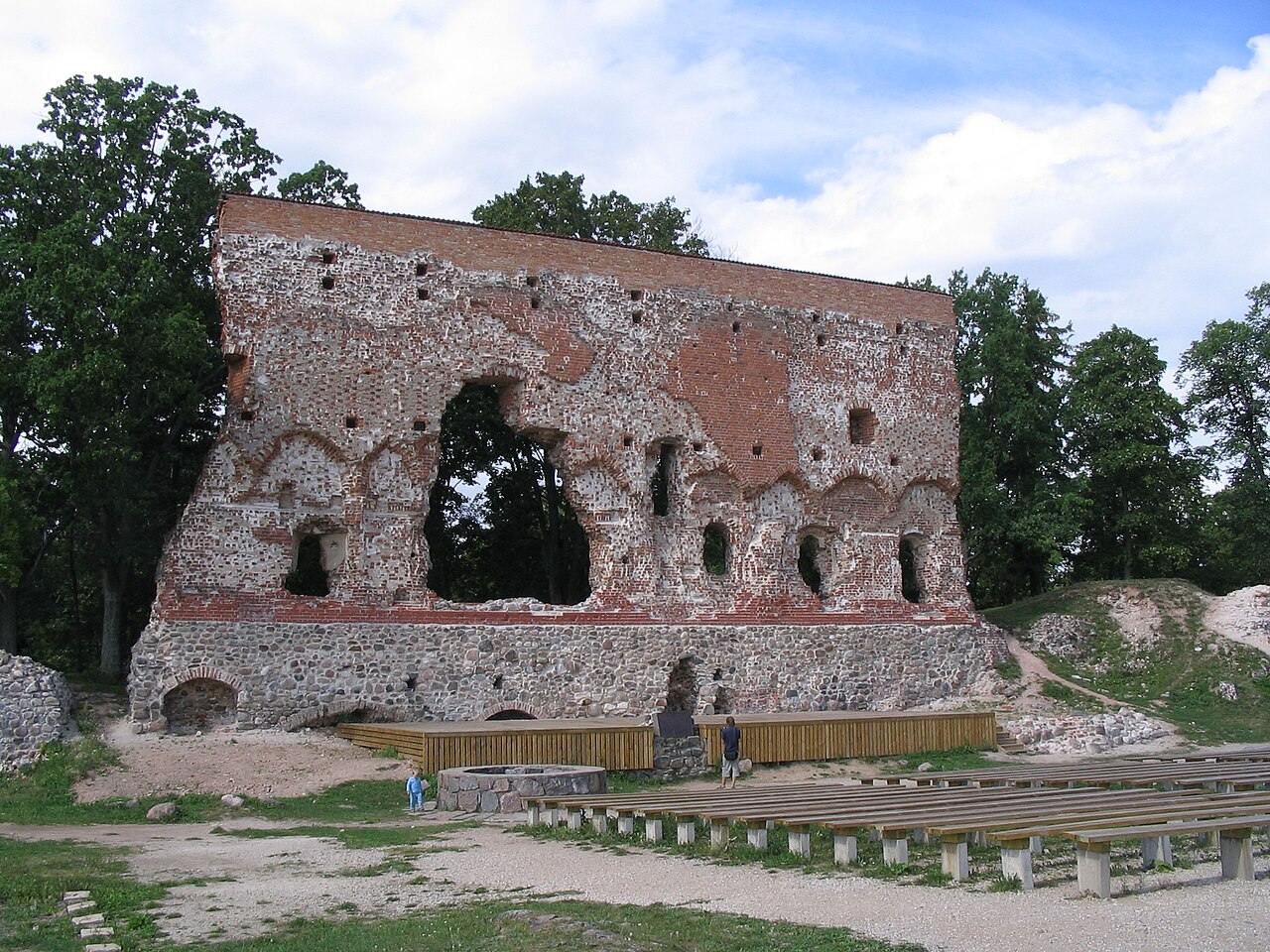
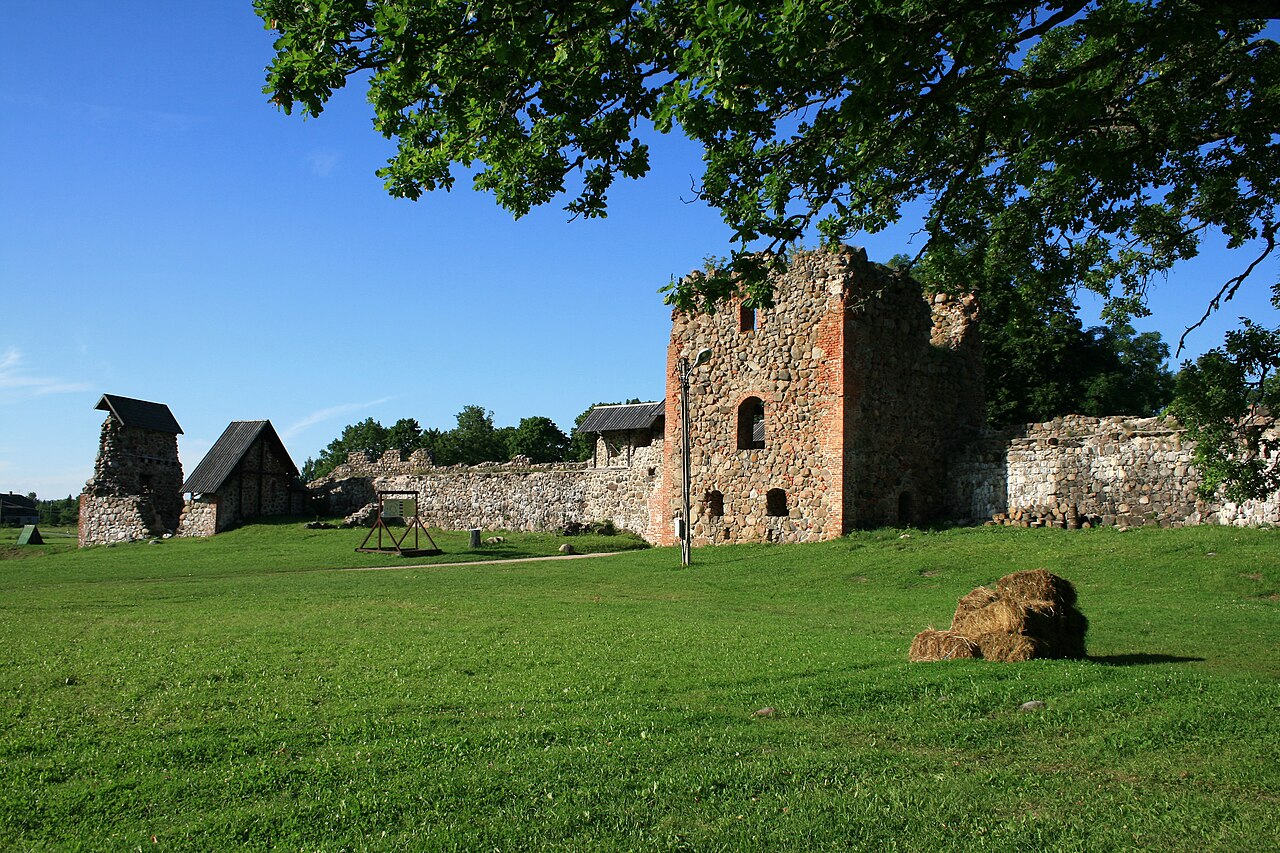
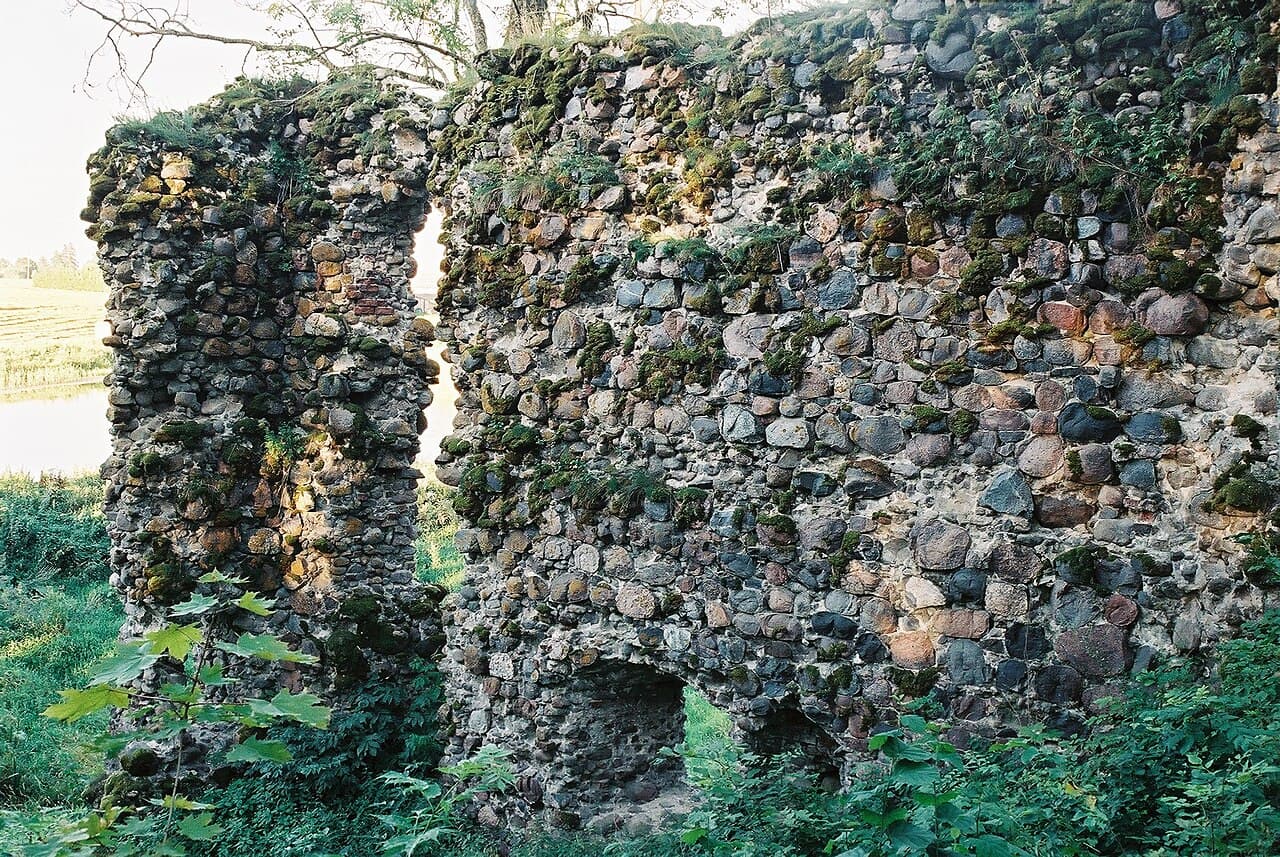
Although now in ruins, the remains of Tarvastu Castle reveal typical features of a hill castle from the medieval period. The castle was built primarily of local stone and timber, with walls that would have been several meters thick. The moat surrounding the castle was fed by the nearby river, creating a water barrier that was difficult for enemies to cross.
Within the castle grounds, there was a front stronghold area, which served as the main defensive and residential section. In the yard of this front stronghold, a classicist chapel was later constructed in 1825. This chapel, built in a light-colored style distinct from the medieval stonework, was established as the burial place for the von Mensenkampff family, a notable local noble family.
Access to the castle was historically facilitated by a suspension bridge that connected the hill of the front fort with the opposite bank of the river. Although the original bridge no longer exists, its location is now part of the Viljandi Castle Hills hiking area, which attracts visitors interested in the region's history and natural beauty.
Destruction and current condition
The castle suffered significant damage during the Livonian War and was ultimately destroyed in 1596 by an explosion, which left it in ruins. Since then, the site has remained largely in a ruined state, with only partial walls and foundations visible today.
Despite its ruined condition, Tarvastu Castle remains an important cultural heritage site in Estonia. It offers valuable insights into medieval military architecture and the historical conflicts that shaped the Baltic region.
Visiting Tarvastu castle ruins
Today, the ruins of Tarvastu Castle are accessible to visitors who wish to explore its historical remains and enjoy the surrounding natural landscape. The site is part of the Viljandi Parish and is integrated into local hiking trails, including the Viljandi Castle Hills area.
Visitors can observe the moat remains, the chapel from the early 19th century, and the natural setting that once made the castle a formidable fortress. Informational signage at the site provides context about the castle's history and architecture.
Nearby attractions and cultural significance
The region around Tarvastu Castle offers several attractions, including the town of Viljandi, known for its medieval castle ruins and cultural festivals. The castle ruins contribute to the understanding of the medieval history of Estonia and the influence of the Livonian Order in the Baltic region.
Frequently asked questions (FAQ)
- What is the historical significance of Tarvastu Castle Ruins?
- Tarvastu Castle Ruins date back to the 14th century and are an important example of medieval architecture in Estonia. The castle played a crucial role in the region's defense and governance during its time, reflecting the feudal system that dominated the area. Today, it serves as a reminder of Estonia's rich history and cultural heritage.
- When is the best time to visit Tarvastu Castle Ruins?
- The best time to visit Tarvastu Castle Ruins is during the late spring and early autumn months, from May to September. During this period, the weather is generally mild and conducive for outdoor exploration. Additionally, the surrounding landscape is particularly beautiful, making your visit more enjoyable.
- Can I access Tarvastu Castle Ruins with a wheelchair?
- While Tarvastu Castle Ruins are partially accessible, some areas may pose challenges for wheelchair users due to uneven terrain and the nature of the ruins. It is advisable to visit with a companion who can assist you. Planning your visit ahead of time and checking the latest accessibility updates is recommended.
- What are the opening hours for Tarvastu Castle Ruins?
- Tarvastu Castle Ruins are generally open to visitors year-round, with specific hours that may vary seasonally. Typically, the ruins are accessible from dawn until dusk, allowing for ample time to explore. It's best to check local resources or official websites for any updates on opening times before your visit.
- Is there an entrance fee to visit Tarvastu Castle Ruins?
- There is no entrance fee required to visit Tarvastu Castle Ruins, making it a great option for budget-conscious travelers. However, donations are appreciated to help with the preservation and maintenance of the site. Visitors are encouraged to contribute if they enjoy their experience.
- What nearby attractions can I visit when at Tarvastu Castle Ruins?
- While visiting Tarvastu Castle Ruins, you can explore several nearby attractions, including the picturesque Viljandi Town and its beautiful lake. Additionally, the Viljandi Castle ruins and the Estonian Traditional Music Centre are just a short drive away. These sites offer a deeper insight into the local culture and history.
- How do I get to Tarvastu Castle Ruins?
- Tarvastu Castle Ruins are located in Viljandimaa, Estonia, and can be reached by car or public transport from larger cities like Tartu and Tallinn. If driving, ample parking is available near the ruins. Public transport options may include buses that connect Viljandi with surrounding areas.
- What architectural features can I expect to see at Tarvastu Castle Ruins?
- The architectural features of Tarvastu Castle Ruins include remnants of defensive walls, towers, and the foundation of the main castle structure. Visitors can observe the unique stonework typical of medieval Baltic fortifications. The ruins reflect the historical significance and strategic importance of the castle in its time.
Photo gallery

Photo by Mensenkampff (Sven von Mensenkampff) at de.wikipedia•Public domain
Information
Website
Visit websiteSources & official resources
Verify the information above using these authoritative references.
Loading map...
Visitor reviews
No reviews yet. Been here? Write the first review and help other travelers!
Write the first reviewVisited this castle? Share your experience
Your review helps other travelers and adds first-hand knowledge to our encyclopedia.