Viljandi Castle
Viljandi castle stands as a prominent example of a High Medieval hill castle in Estonia, embodying centuries of military, religious, and cultural history. Founded in 1224 by the Livonian Order on the site of a former Estonian hillfort, it was one of the strongest fortresses in Livonia. The castle’s strategic location atop Kaevumägi hill allowed it to dominate the surrounding landscape and control key trade routes and local territories.
Early history and construction
The site of Viljandi castle had been a significant stronghold since at least the Viking Age, originally occupied by the indigenous Sakala people. The Sword Brethren crusaders conquered the hillfort in 1223, marking a turning point in the region’s medieval history. The Livonian Chronicle of Henry records multiple attempts to capture the stronghold, including a fierce local uprising in 1223 that temporarily expelled the Order’s forces. However, by August of that year, the Livonian Order reestablished control.
Construction of the stone castle began in 1224, replacing earlier wooden fortifications. The castle was designed as a convent house, a typical architectural form for the Teutonic Knights, serving both as a fortress and a religious center. The main convent building was erected between the late 13th and early 14th centuries, with expansions in the 15th century adding further defensive and residential features.
Architectural features and fortifications
Castle layout and defensive structures
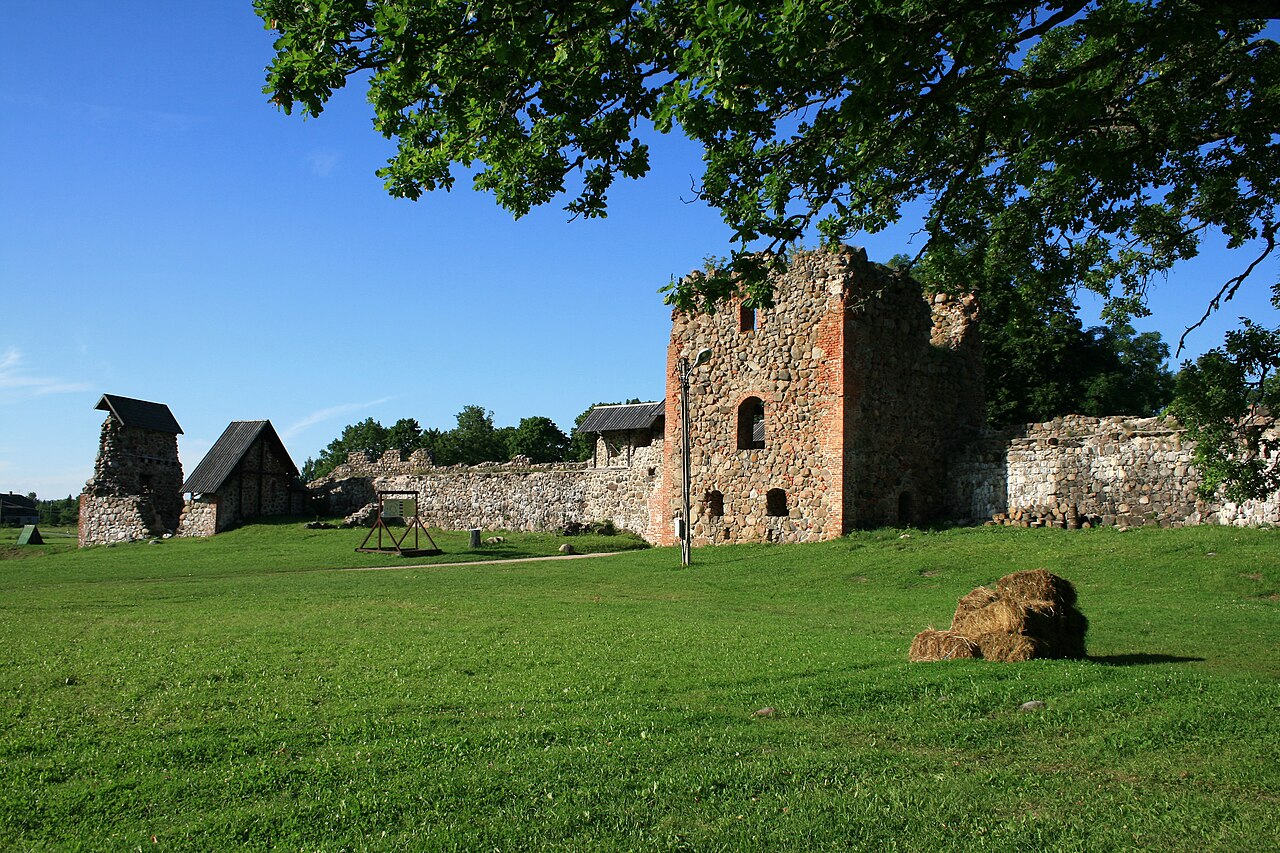
The castle’s design included a central convent building surrounded by three successive outer baileys, creating a layered defensive system. These baileys enclosed courtyards used for protection, economic activity, and housing for the garrison. The complex’s main castle and innermost outer bailey occupy Kaevumägi hill, with the outer baileys extending over adjacent hills known as Second and First Cherry Hills.
Access to the castle was controlled through two main gates: a principal western entrance and a secondary gate near present-day Lossi Street. Defensive features included a zwinger—a narrow enclosed space designed to trap attackers—and fortified walls with battlements and gun platforms added in the 15th century to accommodate evolving artillery technology. A small round artillery tower was also constructed in the 16th century at the southwestern corner.
Key buildings and interior spaces
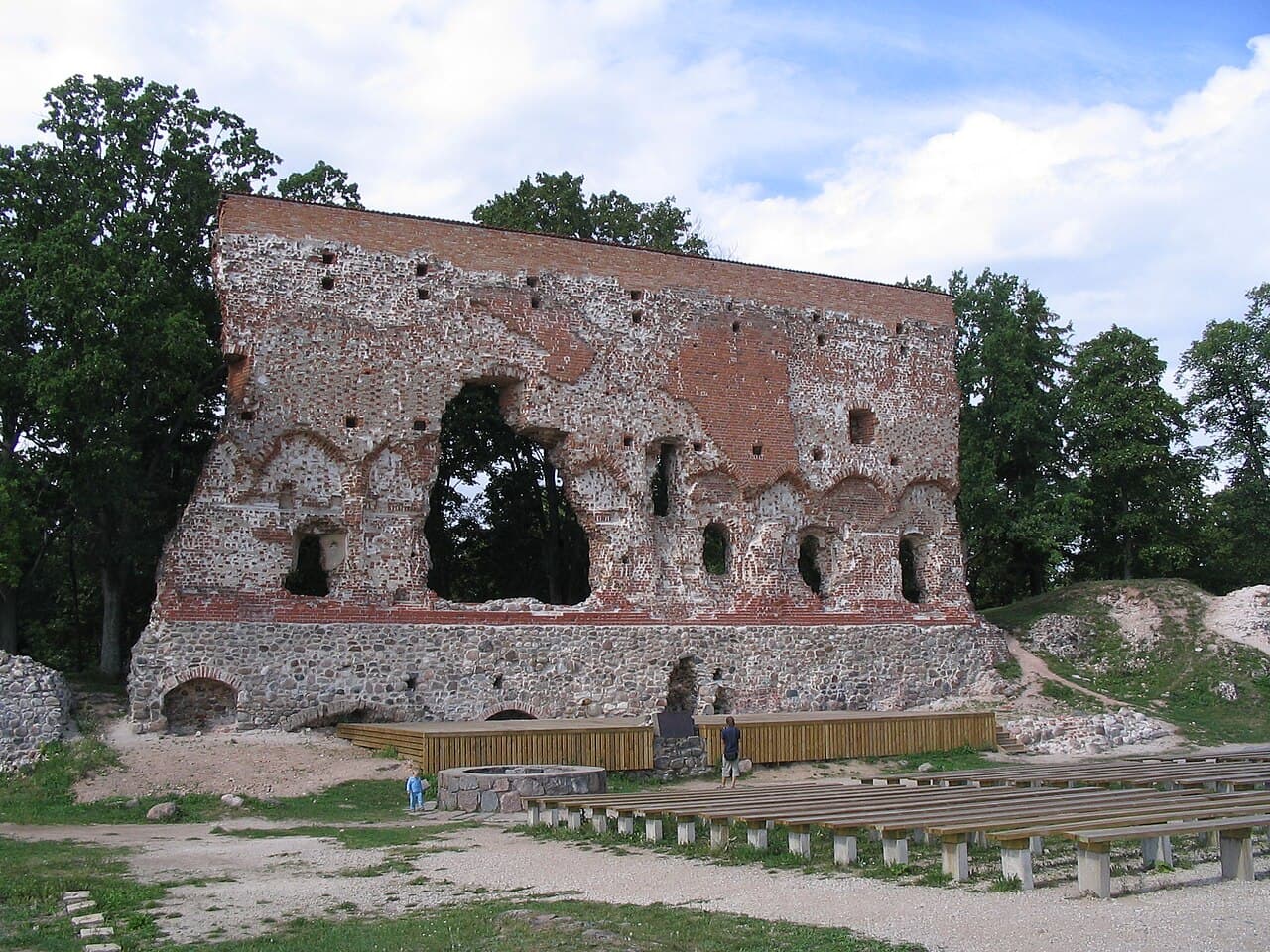
The main convent building was a two-story structure with a basement, featuring a defensive parapet walkway on the upper floor. The northern wing housed the chapter house and an adjoining chapel, which extended beyond the main wall with a square choir and tower, resembling a small church. This chapel was richly decorated with carved capitals displaying early Gothic motifs such as plant patterns, animals, and Christian iconography.
The southern wing contained the refectory or dining hall, divided into two large rooms, while the eastern wing likely served as the dormitory for knights. The western wing accommodated the commander’s chambers. The castle courtyard was enclosed on three sides by the convent building, enhancing internal security.
Additional structures within the outer baileys included a large stable capable of housing over 100 horses, smaller living quarters, and a chapel for the garrison. A notable feature was the seven-story square tower known as "Long Hermann", built of brick with limestone corners and a vaulted ground floor chamber. Its exact connection to the convent building remains unclear but it was a crucial element of the fortress’s defense.
Historical significance and military events
Viljandi castle played a vital role in the regional power struggles of the Baltic during the Middle Ages. It withstood a Russian siege in 1481, demonstrating its resilience. However, during the Livonian War in 1560, the fortress fell due to the betrayal of mercenaries. Subsequently, it came under the control of the Polish crown in 1582, which undertook restoration efforts and documented the castle’s inventory in 1599.
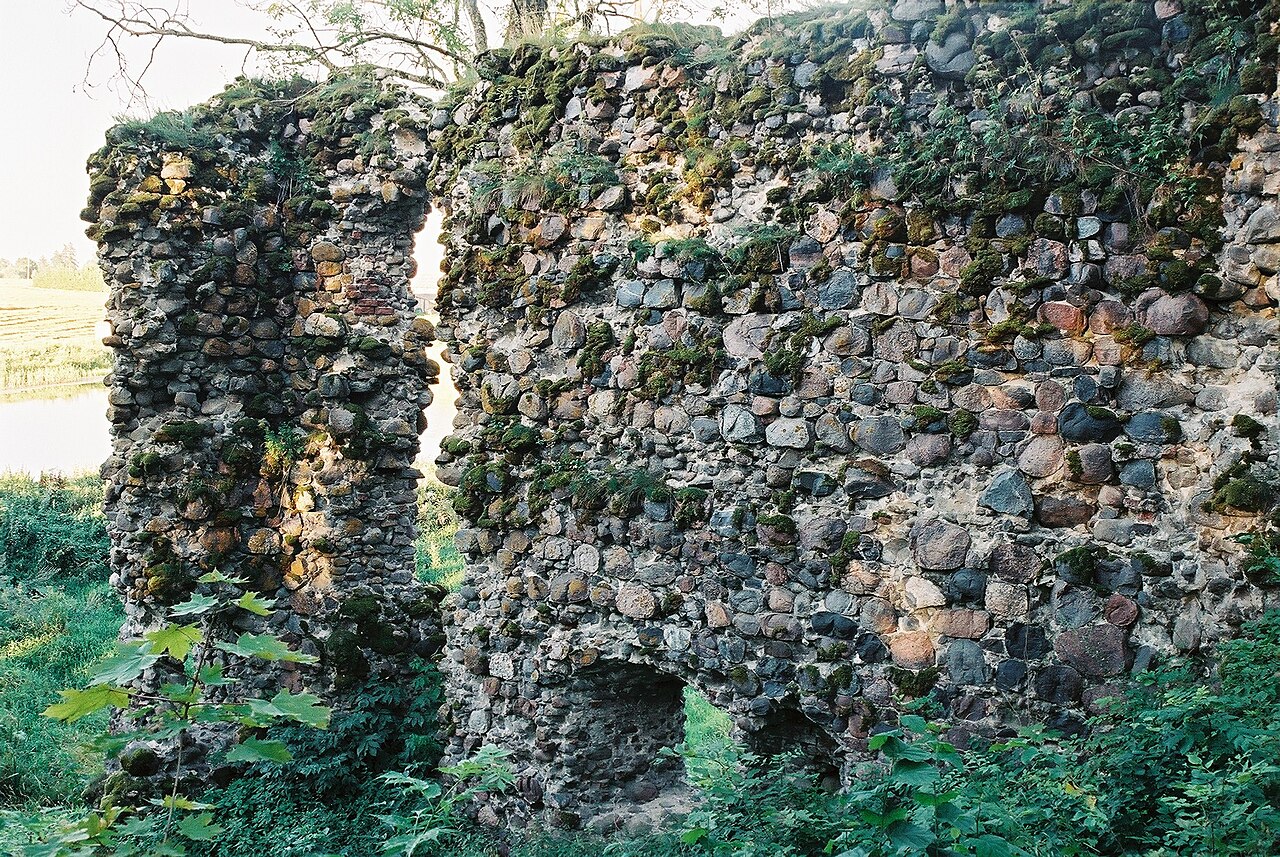
The castle briefly fell to Swedish forces in 1600 but was heavily damaged during the Polish-Swedish wars by 1611. After this destruction, Viljandi castle ceased to function as a military stronghold. In the 18th century, the ruins were quarried for building materials, contributing to the loss of some original fabric.
Archaeological research and preservation
Excavations at Viljandi castle began in the late 19th century, initially led by Theodor Schiemann in 1878–1879. Further archaeological investigations were conducted in 1939, 1971–72, and resumed in 1998, focusing on wall preservation and uncovering new features such as the vaulted Villu cellar and a large hypocaust or chimney base discovered in 2006 and 2022.
Modern techniques including georadar surveys have been employed to explore the less accessible outer baileys, though much remains to be studied. The site is now a protected national monument and a popular cultural and recreational area. The ruins are accessible via a suspension bridge built in 1931 over the deep moat surrounding the castle.
Architectural fragments, including over 500 finely carved capitals, are preserved in local institutions such as the Viljandi Museum and the Estonian Traditional Music Centre, linking the castle’s medieval heritage with contemporary cultural life.
Viljandi castle today
Today, Viljandi castle ruins form a scenic park just outside the town center, hosting an open-air stage in the former central courtyard. The site serves as a community gathering place and a venue for cultural events, integrating the castle’s historical legacy with modern-day life.
The castle’s imposing ruins, with their distinctive medieval architecture and rich history, continue to attract visitors interested in the military, religious, and cultural heritage of the Baltic region.
Frequently asked questions (FAQ)
- How do I get to Viljandi Castle?
- Viljandi Castle is easily accessible by car and public transport. If you are traveling by car, there are parking facilities nearby, and the castle is also a short walk from the Viljandi town center and local bus stations.
- What is the historical significance of Viljandi Castle?
- Viljandi Castle, built in the 13th century, played a crucial role in the medieval power struggles in the region. It served as a stronghold for the Teutonic Knights and is a symbol of Estonian heritage, showcasing the region's rich history and cultural evolution.
- When was Viljandi Castle constructed?
- Construction of Viljandi Castle began in 1260, and it was completed in the late 13th century. Over the centuries, the castle underwent various modifications and expansions, reflecting the architectural styles of different periods.
- Can I take guided tours of Viljandi Castle?
- Yes, guided tours are available at Viljandi Castle, providing visitors with in-depth insights into its history and architecture. These tours are often led by knowledgeable guides who can answer questions and enhance your experience.
- Why is the architecture of Viljandi Castle unique?
- The architecture of Viljandi Castle is unique due to its blend of Gothic and Romanesque styles, typical of medieval fortifications. The ruins feature impressive stone walls, towers, and remnants of residential quarters that reflect its historical importance.
- Is it possible to visit Viljandi Castle year-round?
- Yes, Viljandi Castle is open for visitors year-round, although hours may vary by season. It is advisable to check the official website for up-to-date information on opening hours and any seasonal events.
- What are the ticket prices for Viljandi Castle?
- Ticket prices for Viljandi Castle are generally affordable, with discounts available for students and seniors. Children under a certain age may enter for free, making it a great destination for families.
- What is the best time to visit Viljandi Castle?
- The best time to visit Viljandi Castle is during the summer months when the weather is pleasant and the surrounding gardens are in full bloom. Additionally, various cultural events and festivals are often held in the area, enhancing the visitor experience.
- Are there nearby attractions to visit while at Viljandi Castle?
- Yes, there are several nearby attractions worth visiting, including the Viljandi Culture Academy and the picturesque Viljandi Lake. The charming town of Viljandi also offers cafes, shops, and beautiful parks to explore.
Photo gallery

Photo by Otoomet•Public domain
Information
Website
Visit websiteSources & official resources
Verify the information above using these authoritative references.
Loading map...
Visitor reviews
No reviews yet. Been here? Write the first review and help other travelers!
Write the first reviewVisited this castle? Share your experience
Your review helps other travelers and adds first-hand knowledge to our encyclopedia.