Tartus Castle
The Citadel of Tartus, also known as Tartus Castle, is a significant medieval fortress located on a strategic hill overlooking the Mediterranean Sea in the city of Tartus, Syria. This hill castle played a crucial role during the Crusader period as one of the key fortifications in the County of Tripoli, a crusader state established in the Levant during the 12th century. Its position near the coast allowed it to serve as a vital defensive stronghold against both sea and land attacks, controlling access to the surrounding region.
The castle's origins trace back to the early 12th century when the Crusaders constructed or significantly rebuilt fortifications on the site to secure their holdings along the Mediterranean coast. Over time, Tartus Castle was expanded and reinforced, reflecting the military architectural styles and strategic needs of the High and Late Medieval periods. The fortress features robust stone curtain walls, towers, and a commanding keep, typical of crusader military architecture designed to withstand prolonged sieges and assaults.
Strategic importance and historical role
During the height of the Crusades, Tartus Castle was one of the most important fortresses in the County of Tripoli. It served as a defensive bastion protecting the coastal approaches and acted as a base for crusader operations in the region. The castle's strong fortifications allowed it to resist attacks from Muslim forces seeking to reclaim territory.
The fortress changed hands several times during the turbulent conflicts of the 12th and 13th centuries. It was also a key point in the defense against the Mamluks, who eventually captured it in the late 13th century as part of their campaign to eliminate crusader states in the Levant. The fall of Tartus Castle marked a significant moment in the decline of crusader power in the eastern Mediterranean.
Architectural features and layout
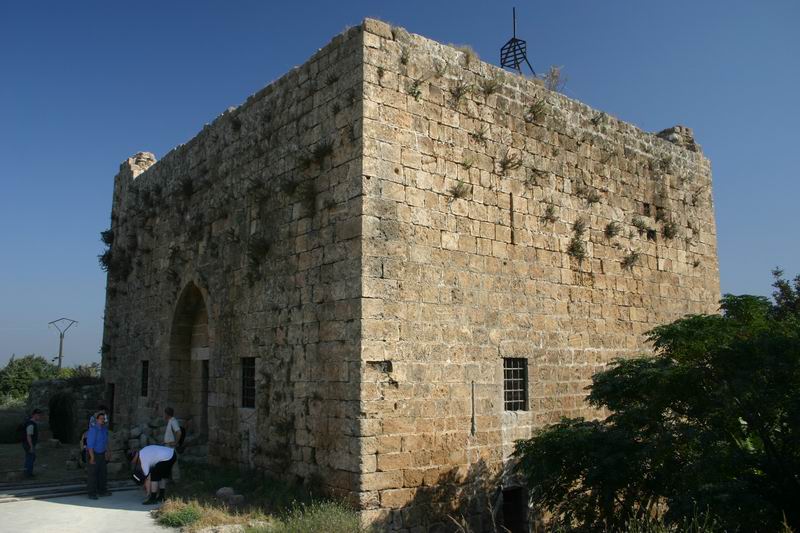
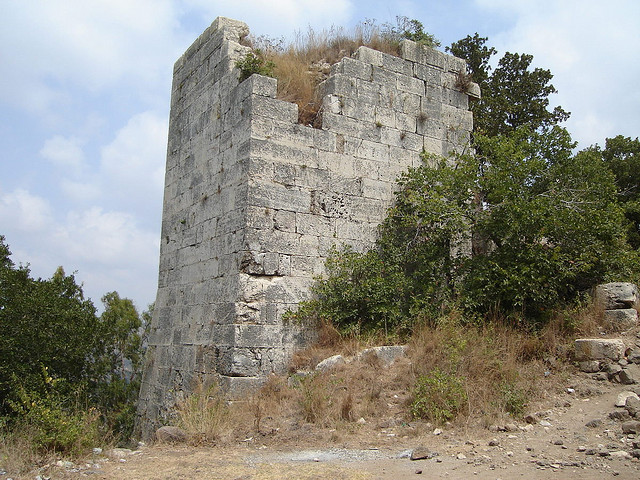
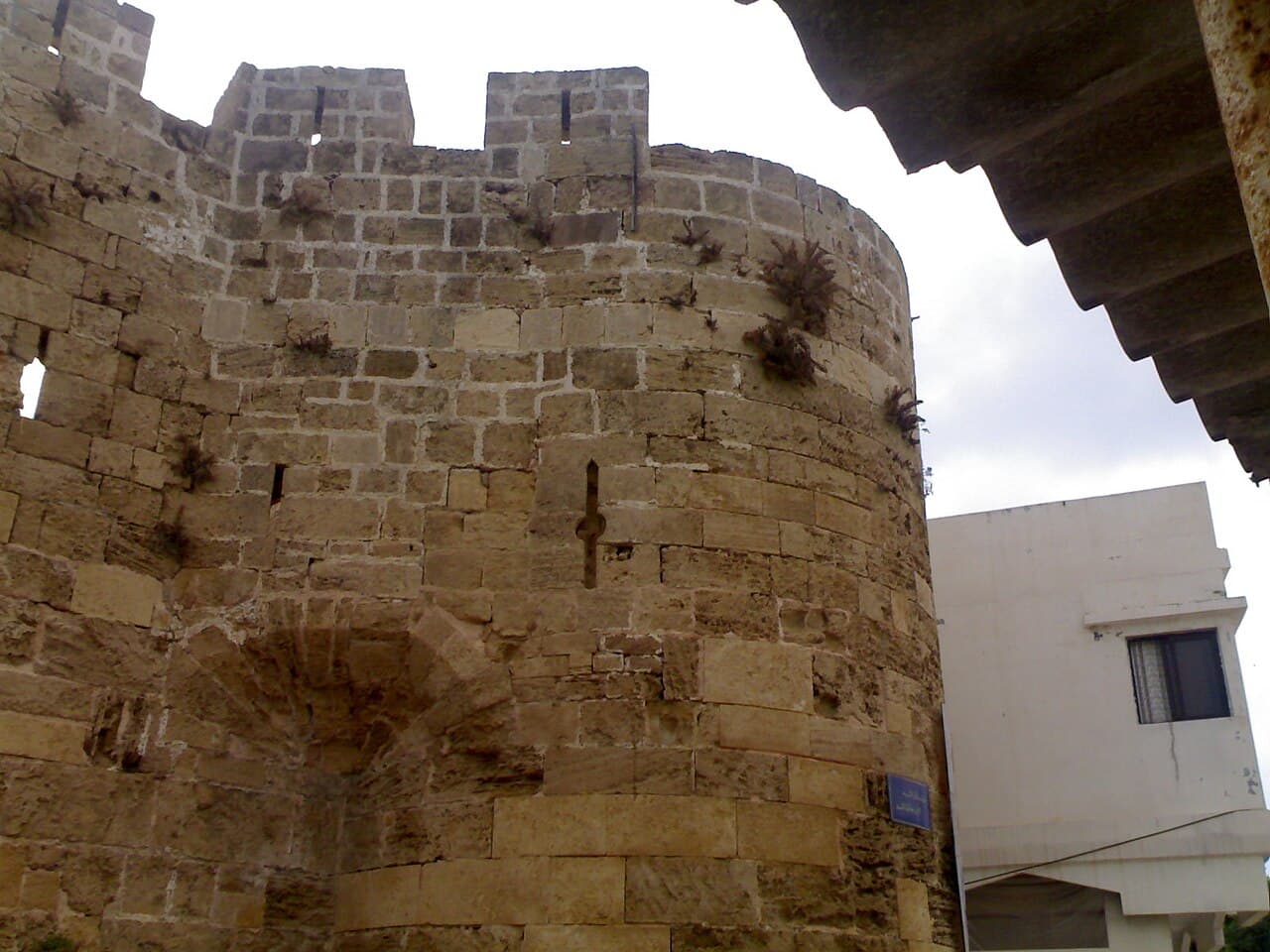
Tartus Castle is built on a prominent hill, which provided natural defensive advantages and a commanding view of the surrounding landscape and sea. The castle's design incorporates a series of curtain walls connected by square and round towers, which were used for both defense and observation.
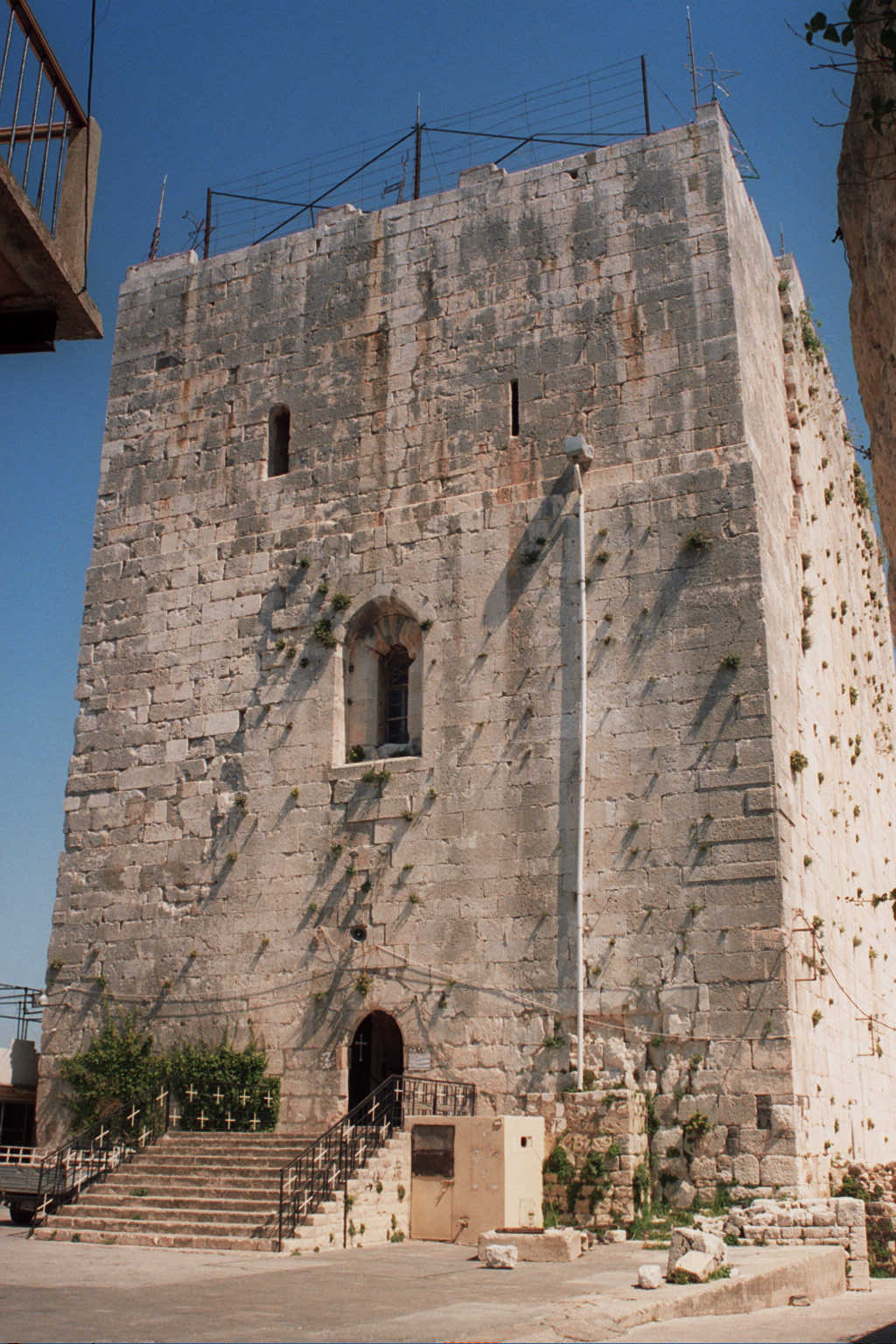
The inner keep served as the last line of defense and the residence of the lord or commander. The castle complex also included barracks, storerooms, and chapels, reflecting the multifunctional nature of crusader fortresses as military and administrative centers.
Defensive elements
Key defensive features of Tartus Castle include thick stone walls designed to withstand siege engines and artillery, arrow slits for archers, and a fortified gatehouse with multiple layers of defense. The castle's elevated position further enhanced its defensibility by making direct assaults more difficult.
Residential and functional spaces
Within the castle, living quarters were arranged to accommodate the garrison and the ruling elite. The presence of a chapel indicates the importance of religious observance for the inhabitants. Storage areas ensured supplies could be maintained during sieges, while open courtyards facilitated daily activities and troop movements.
Current status and cultural significance
Today, Tartus Castle remains a prominent historical landmark in the city of Tartus, although much of the original structure has been integrated into or surrounded by modern residential development. Parts of the fortress are preserved and accessible, offering insight into crusader military architecture and medieval history in the region.
The castle is recognized for its cultural and heritage value, attracting historians, archaeologists, and visitors interested in the crusades and medieval fortifications. Efforts to preserve and study the site continue, highlighting its importance as a testament to the complex history of the eastern Mediterranean coast.
Frequently asked questions (FAQ)
- What is the historical significance of Tartus Castle?
- Tartus Castle, also known as the Citadel of Tartus, is a significant medieval fortress that dates back to the 12th century. It served as a strategic stronghold during the Crusades, showcasing the military architecture of the time and the influences of various cultures that have occupied the region.
- When was Tartus Castle built?
- Tartus Castle was originally constructed in 1103 by the Crusaders as part of their efforts to establish control in the Levant. Over the centuries, it has undergone various renovations and expansions, reflecting the changing architectural styles and military needs of its time.
- Can I visit Tartus Castle?
- Yes, Tartus Castle is open to visitors who wish to explore its rich history and stunning architecture. It is advisable to check local guidelines and any potential restrictions before planning your visit.
- What are the opening hours for Tartus Castle?
- Tartus Castle typically opens to visitors from 9 AM to 5 PM, but hours may vary depending on the season and local holidays. It’s best to check in advance to ensure you have the most current information before your visit.
- Is it possible to access Tartus Castle by public transportation?
- Yes, Tartus Castle is accessible by public transportation, with various buses and taxis available in the city. However, the ease of access may depend on the local transportation schedules, so it's recommended to plan your journey ahead of time.
- What is the best time to visit Tartus Castle?
- The best time to visit Tartus Castle is during the spring (March to May) and fall (September to November) when the weather is mild and pleasant. These seasons offer comfortable temperatures for exploring the castle and its surroundings.
- Are there any nearby attractions to see while visiting Tartus Castle?
- Yes, nearby attractions include the old city of Tartus, the National Museum of Tartus, and the beautiful Mediterranean coastline. Taking the time to explore these sites can enhance your overall experience in the region.
- How much does it cost to enter Tartus Castle?
- The ticket prices for Tartus Castle are generally affordable, with entry fees typically around a few hundred Syrian pounds. Prices may vary for different age groups and special tours, so it’s advisable to check the latest rates before your visit.
Photo gallery

Information
Loading map...
Visitor reviews
No reviews yet. Been here? Write the first review and help other travelers!
Write the first reviewVisited this castle? Share your experience
Your review helps other travelers and adds first-hand knowledge to our encyclopedia.