Areimeh Castle
Areimeh Castle (Arabic: قلعة العريمة) is a notable example of a hill castle situated on a rocky plateau approximately 25 kilometers southeast of Tartus, close to the Safita region along the Syrian coast. This strategic location provided commanding views of the surrounding landscape, essential for its defensive purpose during the medieval period.
Historical background and strategic importance
Constructed during the High Medieval period, Areimeh Castle served as a military fortress controlling key routes along the coastal mountain range. Its position near Safita, a region with several other fortifications, highlights its role in the network of castles that guarded the approaches to the Mediterranean coast. The castle's history is intertwined with the Crusader states and the various Islamic dynasties that contested control over the Levant during the 12th and 13th centuries.
Architectural features and layout
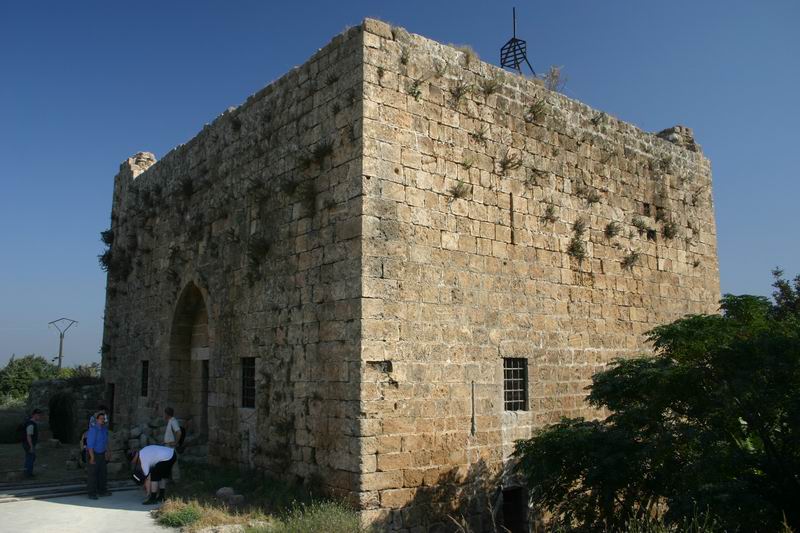
The castle is built primarily from local stone, utilizing the natural rocky outcrop to enhance its defensive capabilities. Its design features typical characteristics of hill castles, including thick curtain walls that follow the contours of the plateau, creating an irregular polygonal shape adapted to the terrain. The walls are punctuated by towers at strategic points, which provided vantage points for surveillance and defense.
Towers and fortifications
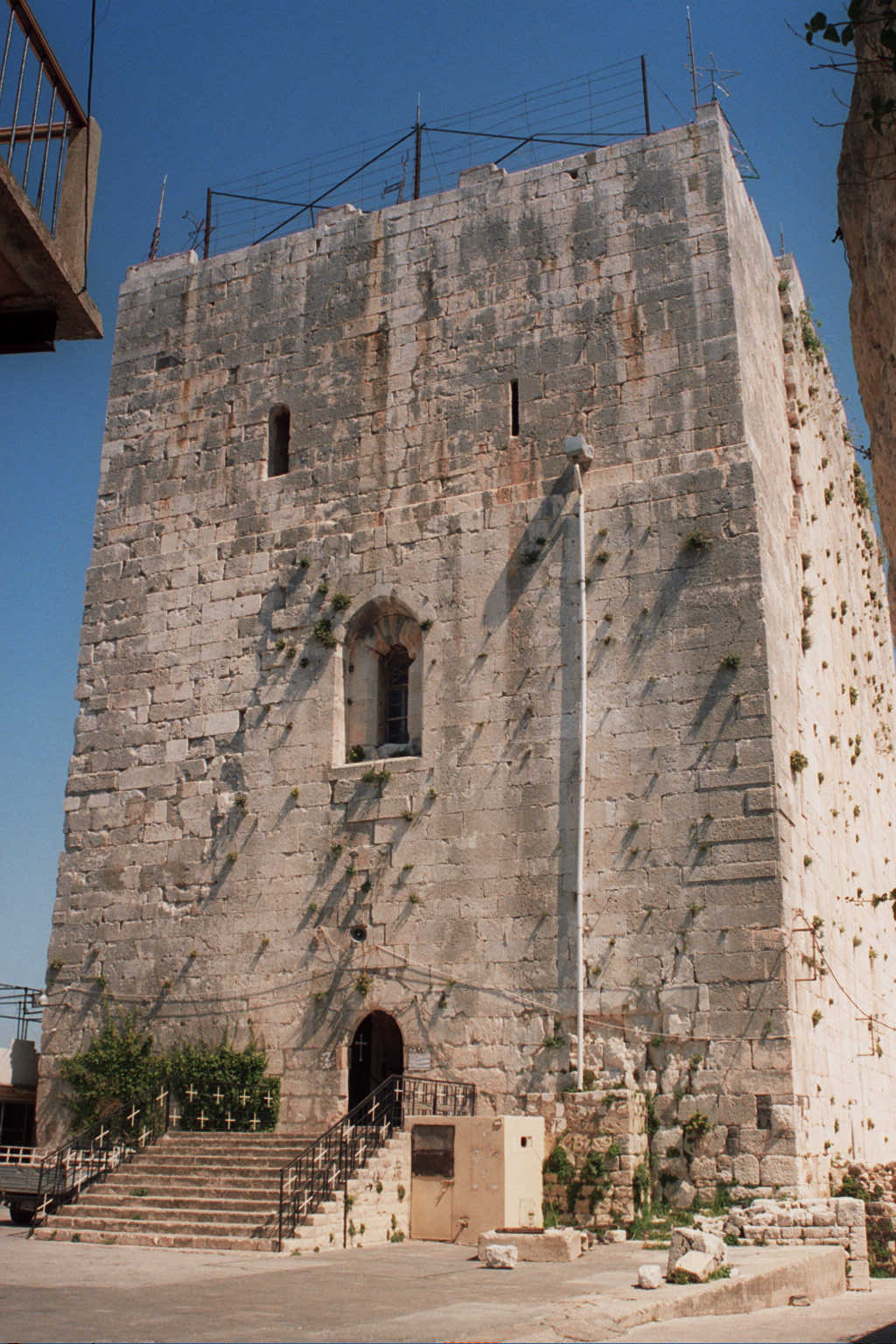
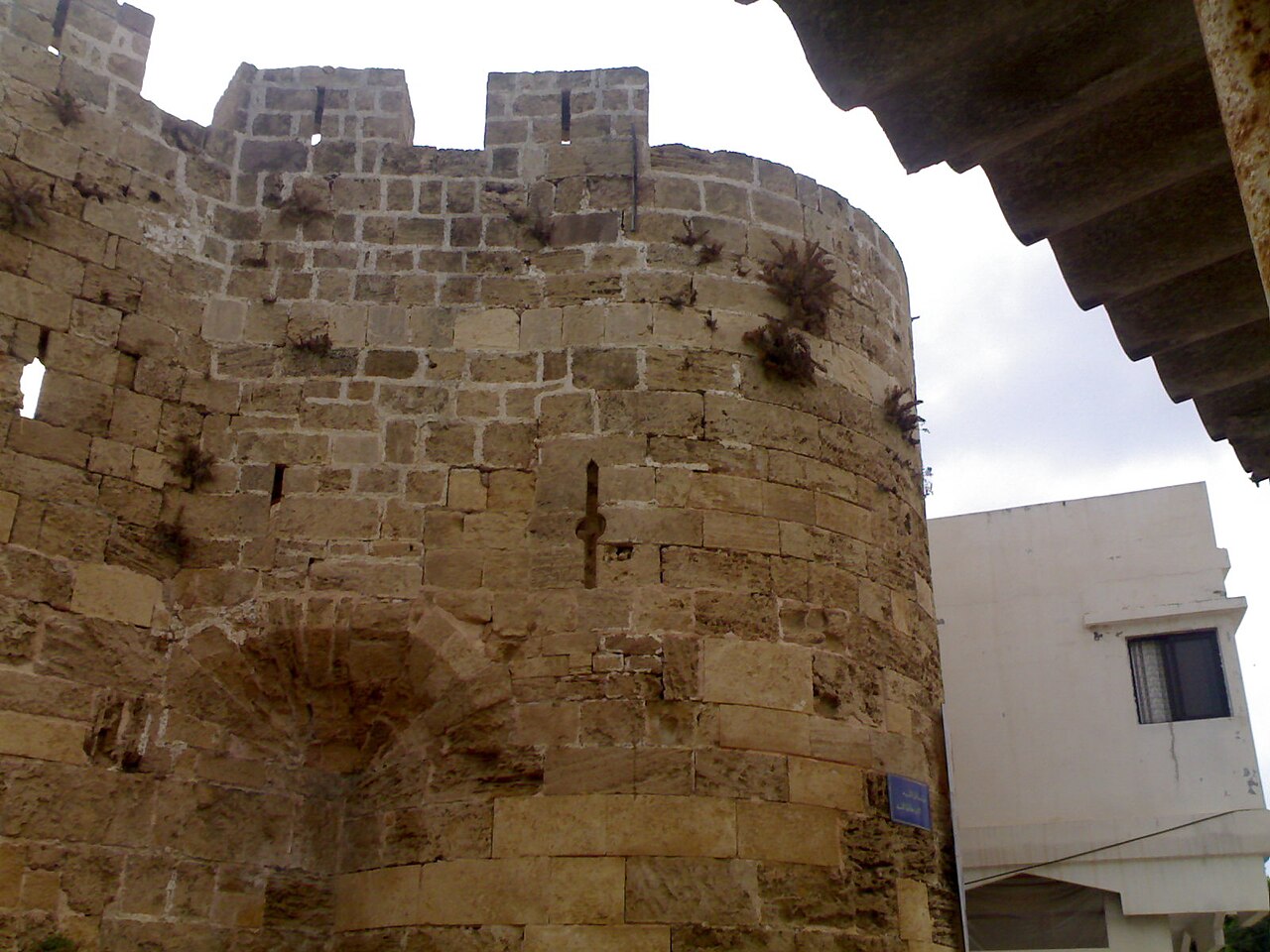
Areimeh Castle includes several towers, likely rectangular or semi-cylindrical, which reinforced the curtain walls. These towers allowed defenders to cover the walls with crossfire and to monitor the surrounding valleys. The entrance was probably fortified with a gatehouse and possibly a barbican, though detailed archaeological studies are limited.
Internal structures
Within the castle walls, remains suggest the presence of residential quarters, storage rooms, and cisterns for water collection, essential for withstanding sieges. The layout was functional, designed to support a garrison and sustain prolonged defense.
Current condition and preservation
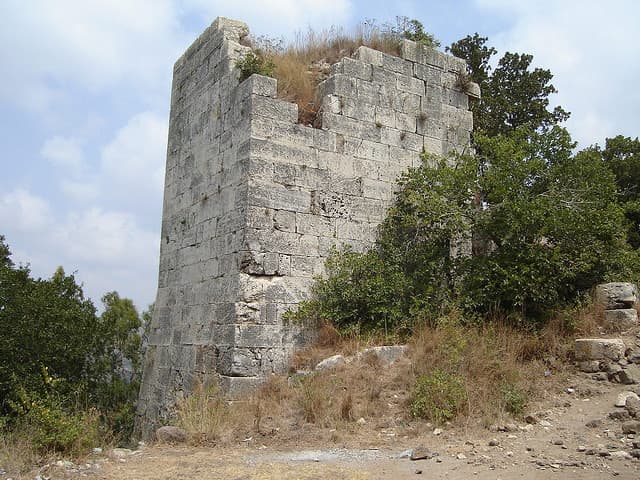
Today, Areimeh Castle remains in a state of ruins, with significant portions of its walls and towers still standing. The site has not undergone extensive restoration, but its ruins provide valuable insight into medieval military architecture in the Syrian coastal region. The castle is accessible to visitors interested in historical fortifications and offers panoramic views of the surrounding landscape.
Significance in Syrian heritage
Areimeh Castle is part of Syria's rich cultural heritage, representing the complex history of the Levant during the medieval period. Its preservation contributes to understanding the military strategies and architectural techniques employed in hill castles of the region. The castle also illustrates the historical interactions between Crusader and Islamic forces vying for control over coastal Syria.
Visiting Areimeh Castle
While the castle is not widely developed for tourism, visitors can explore the ruins and appreciate the natural setting. The site is best visited during cooler months due to the Mediterranean climate. Access routes are via local roads from Tartus, and visitors should prepare for a hike up the rocky plateau to reach the castle remains.
Frequently asked questions (FAQ)
- How do I get to Areimeh Castle from Tartus?
- Areimeh Castle is located about 25 kilometers southeast of Tartus. Visitors can reach the castle by local roads leading towards the Safita area, followed by a hike up the rocky plateau where the castle stands.
- What is the historical significance of Areimeh Castle?
- Areimeh Castle played a strategic role during the High Medieval period, guarding key routes along the Syrian coast and reflecting the military architecture of Crusader and Islamic forces.
- What can I expect to see when visiting Areimeh Castle?
- Visitors can explore the ruins of thick curtain walls, towers, and remnants of internal structures such as storage rooms and cisterns, all set on a rocky hilltop with panoramic views.
- Is Areimeh Castle suitable for all visitors?
- Due to its hilltop location and uneven terrain, visiting Areimeh Castle requires a moderate hike and may not be suitable for those with mobility issues.
- When is the best time to visit Areimeh Castle?
- The best time to visit is during the cooler months of the year, avoiding the hot summer season for a more comfortable experience.
Photo gallery

Information
Loading map...
Visitor reviews
No reviews yet. Been here? Write the first review and help other travelers!
Write the first reviewVisited this castle? Share your experience
Your review helps other travelers and adds first-hand knowledge to our encyclopedia.