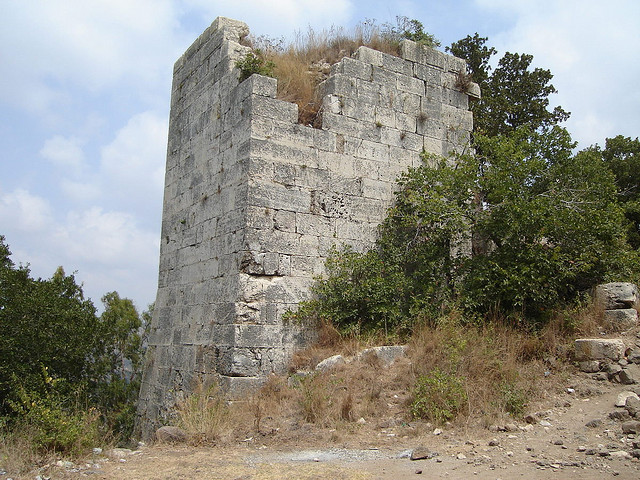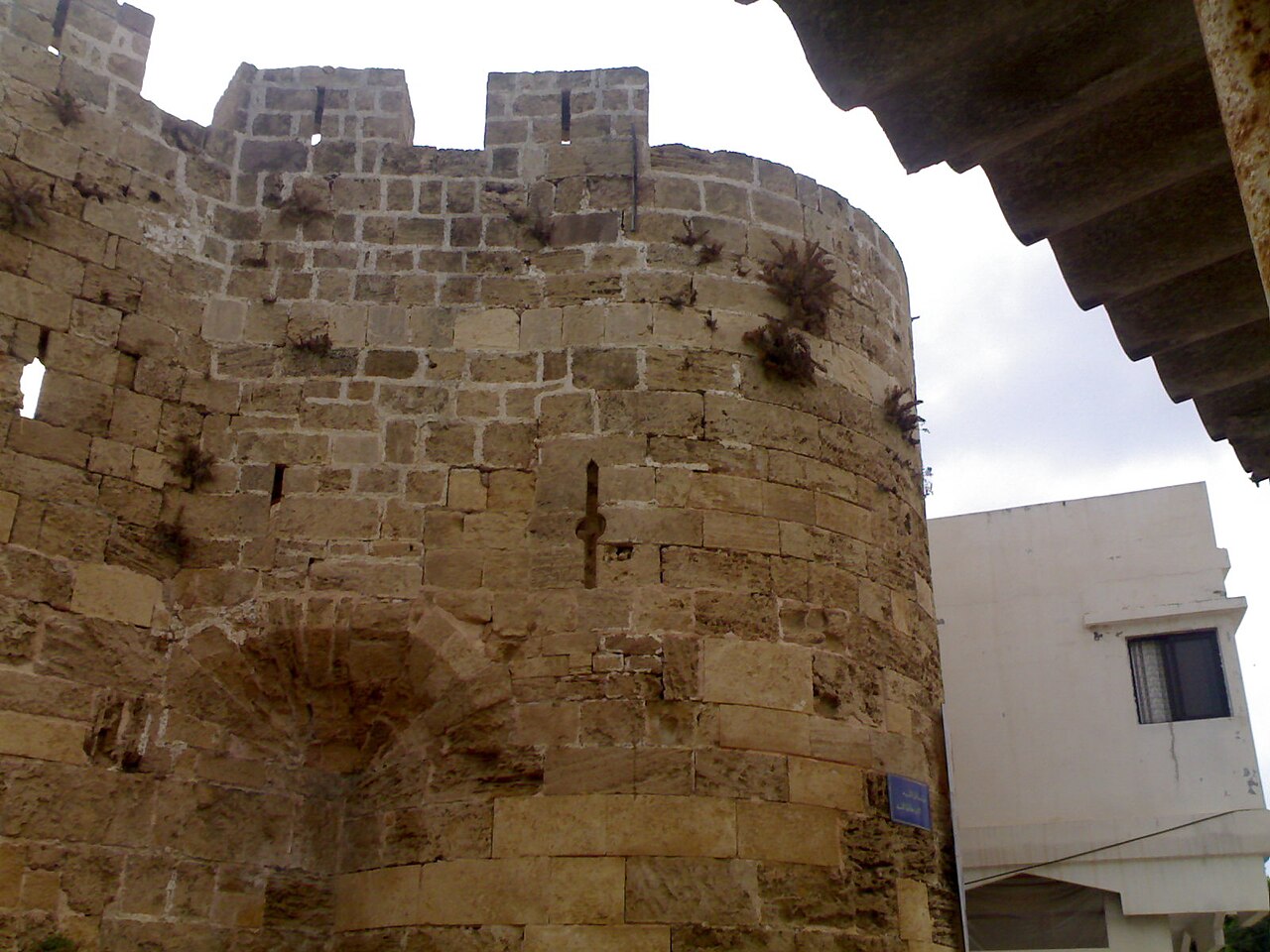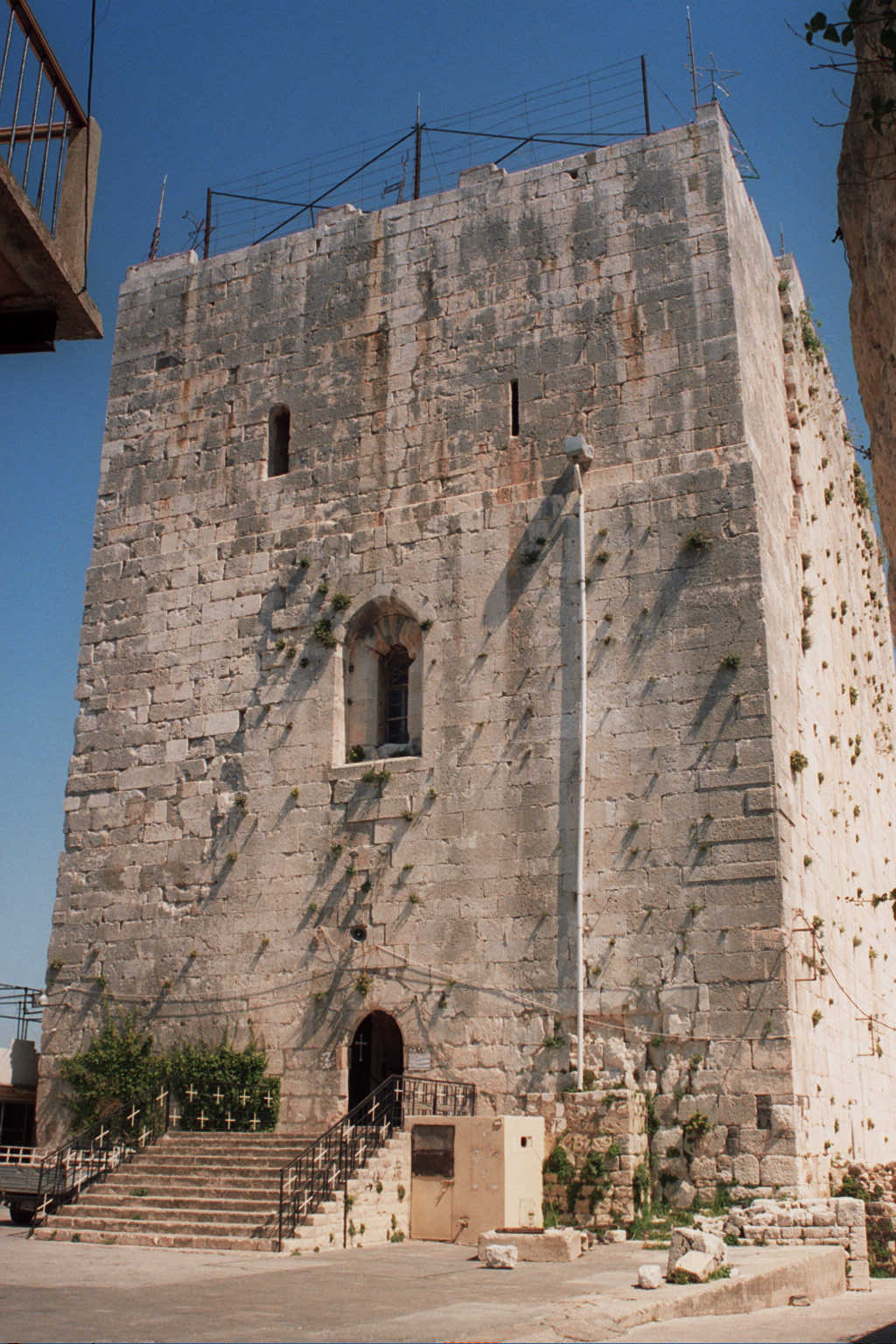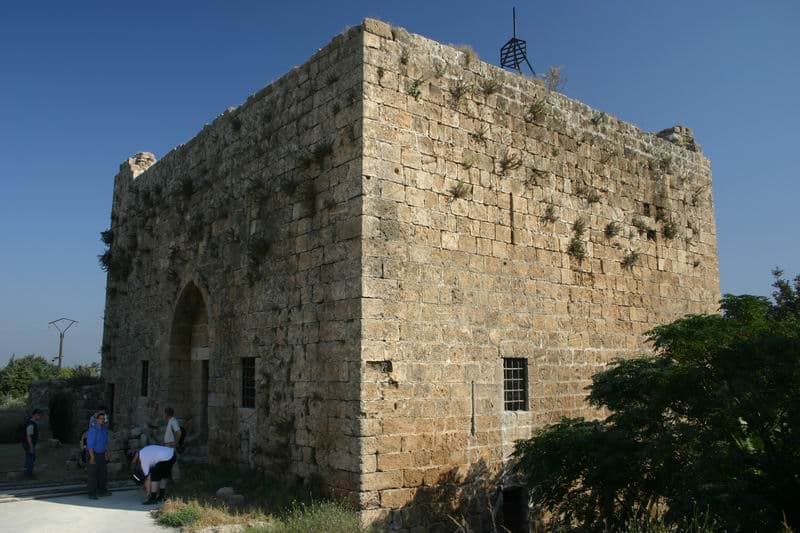
Chastel Rouge, also known as Qal’at Yahmur (Arabic: قلعة يحمور), is a small but historically significant Crusader castle located in northwestern Syria. It was part of the defensive network of the County of Tripoli, one of the Crusader states established in the Levant during the 12th and 13th centuries. The castle is situated in the village of Yahmur, approximately 12 kilometres from the coastal city of Tartus and about 10 kilometres from Safita, placing it strategically near other important Crusader fortifications such as Tortosa and Chastel Blanc.
Historical context and strategic importance
Chastel Rouge was constructed during the High Medieval period as part of the Crusaders' efforts to secure their holdings along the Syrian coast and inland routes. The castle's location allowed control over the surrounding countryside and served as a watchpoint to guard against Muslim forces attempting to reclaim territory. It is identified with Castrum Rubrum, a name found in Latin Crusader documents, indicating its role within the broader military and administrative system of the County of Tripoli.
Architectural features and layout
Though now in ruins, archaeological studies reveal that Chastel Rouge was a modestly sized fortress typical of smaller Crusader strongholds. The castle likely featured stone curtain walls enclosing a courtyard, with defensive towers positioned to provide overlapping fields of fire. The walls were built using local stone, and the design balanced defense with the practical needs of a garrison. Its compact size suggests it was intended more as a fortified outpost rather than a large military base.
Defensive structures
The castle's defenses would have included battlements and possibly a moat or ditch to impede attackers. The presence of a gatehouse with defensive mechanisms such as a portcullis or murder holes is probable, consistent with Crusader military architecture of the period. The towers, positioned at corners or intervals along the walls, enhanced the castle's ability to withstand sieges and raids.
Living quarters and facilities
Within the walls, there would have been basic living quarters, storage rooms, and perhaps a chapel. These spaces were designed to support a small garrison responsible for maintaining control over the area. The castle's limited size meant that accommodations were functional rather than luxurious, focused on military utility.
The castle’s role in crusader warfare
Chastel Rouge played a role in the complex military landscape of the Crusader states, serving as a forward position in the defense against Muslim forces during the 12th and 13th centuries. Its proximity to larger fortresses like Tortosa allowed for coordinated defense and communication. The castle's strategic positioning helped the Crusaders maintain supply lines and secure key routes inland from the Mediterranean coast.
Current condition and archaeological significance
Today, Chastel Rouge exists as archaeological ruins, with only fragments of its original structure visible above ground. The site offers valuable insights into the smaller scale fortifications of the Crusader period, which are less well documented than the grander castles. Archaeological work has focused on documenting the layout and construction techniques, contributing to the understanding of Crusader military architecture in Syria.
Preservation challenges
The castle's ruins face challenges from natural erosion and human activity, which threaten the remaining structures. Preservation efforts are limited, and the site is less developed for tourism compared to more famous Crusader castles. Nonetheless, Chastel Rouge remains an important cultural heritage site that reflects the turbulent history of the Crusades in the Levant.
Visiting chastel rouge
Visitors to the region interested in Crusader history can explore the ruins of Chastel Rouge as part of a broader itinerary that includes nearby castles such as Tortosa and Chastel Blanc. The site’s remote location and modest remains mean that it attracts fewer tourists, offering a quieter experience for those interested in medieval military architecture and history.
Frequently asked questions (FAQ)
- How do I get to Chastel Rouge?
- Chastel Rouge is located in the Syrian Arab Republic, near the city of Tartus. The best way to reach the castle is by car, and there are public transport options available from nearby cities. It’s advisable to check local transportation schedules for the most convenient routes.
- What is the historical significance of Chastel Rouge?
- Chastel Rouge, also known as the Red Castle, dates back to the 12th century and was built by the Crusaders. It served as a strategic military stronghold during the Crusades, showcasing the architectural prowess of that era. Today, it stands as a testament to the rich history and cultural heritage of the region.
- When was Chastel Rouge built?
- Construction of Chastel Rouge began in 1142 and was completed in 1157. The castle was part of a series of fortifications established during the Crusades. Its design reflects the military architecture of the time, aimed at both defense and residence.
- Can I visit Chastel Rouge year-round?
- Yes, Chastel Rouge is open to visitors year-round, although it's advisable to check for any seasonal hours or specific closing days. The castle's accessibility may vary depending on weather conditions, so it's a good idea to plan your visit accordingly.
- Why is Chastel Rouge an important architectural site?
- Chastel Rouge is an exemplary model of medieval military architecture, featuring impressive stone walls, towers, and a unique layout that reflects its defensive purpose. Its design incorporates elements from both European and Middle Eastern architectural styles, making it a fascinating study for historians and architecture enthusiasts alike.
- Is it possible to take guided tours of Chastel Rouge?
- Yes, guided tours are available at Chastel Rouge, providing in-depth insights into its history and architecture. These tours are led by knowledgeable guides who can enrich your understanding of the castle's significance. It's recommended to book in advance, especially during peak tourist seasons.
- What are the opening hours for Chastel Rouge?
- Chastel Rouge typically opens at 9 AM and closes at 5 PM, but hours may vary seasonally. It's best to verify the current hours before your visit to ensure you have ample time to explore the site. Extended hours may be available during holidays or special events.
- Are there any nearby attractions to visit?
- Yes, there are several nearby attractions, including the ancient city of Tartus and the Crusader Castle of Margat. These sites offer rich historical contexts and stunning views of the surrounding landscape. Combining visits to these sites can enhance your overall experience of the region.
- What are the ticket prices for visiting Chastel Rouge?
- Ticket prices for Chastel Rouge are generally affordable, making it accessible for a wide range of visitors. Discounts may be available for students, seniors, and groups. It's advisable to check the official website or contact local tourism offices for the most current pricing information.
Photo gallery

Information
Loading map...
Visitor reviews
No reviews yet. Been here? Write the first review and help other travelers!
Write the first reviewVisited this castle? Share your experience
Your review helps other travelers and adds first-hand knowledge to our encyclopedia.