Tårnborg Castle Ruins
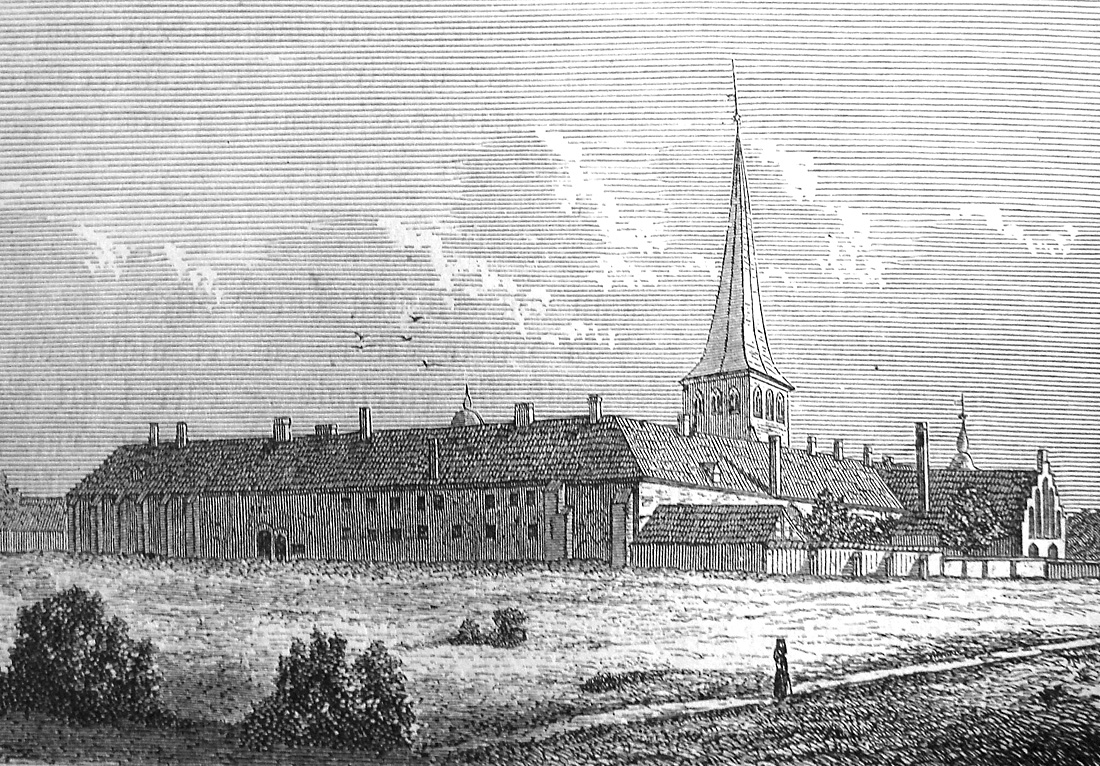
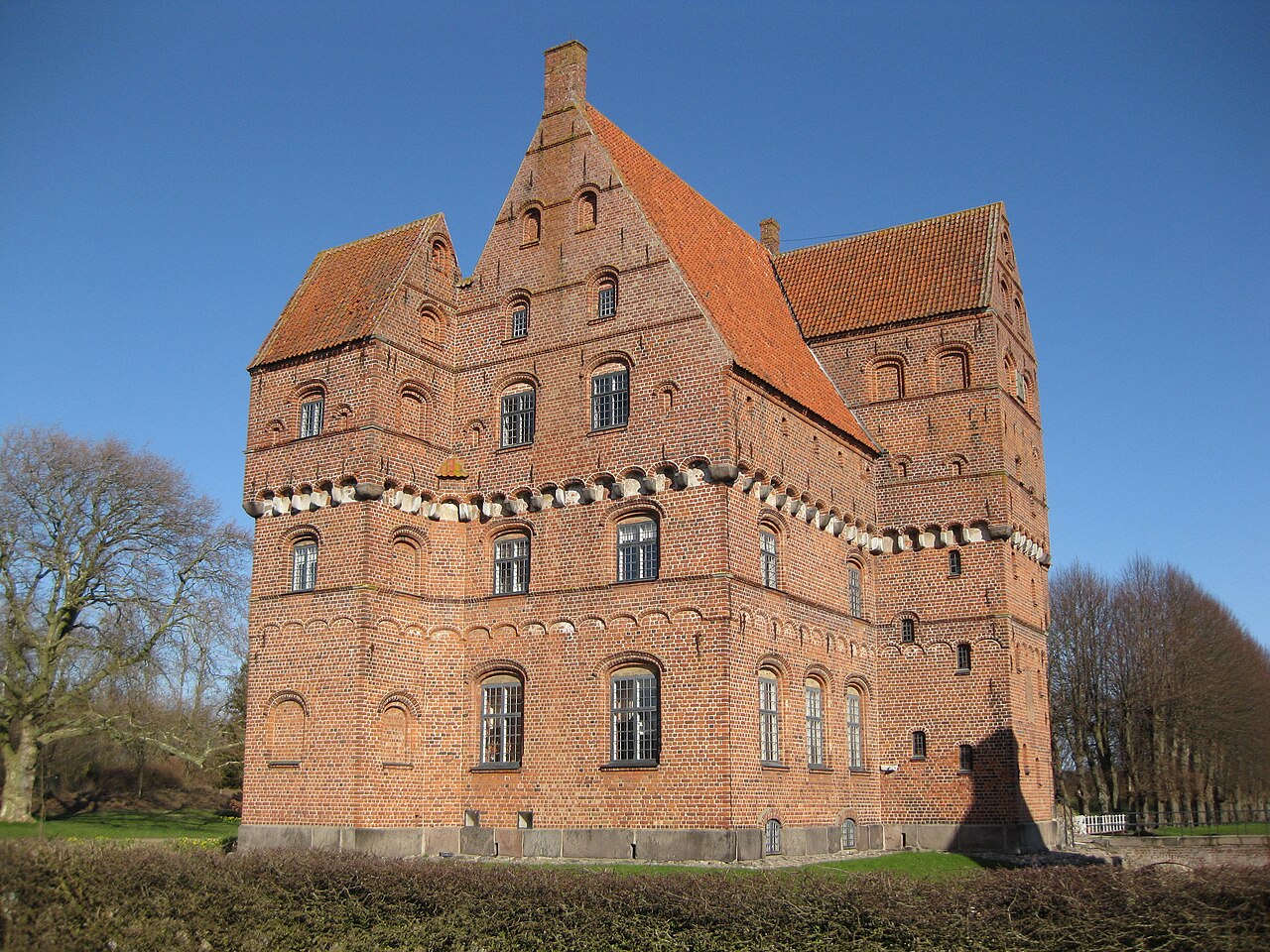
Tårnborg Castle is a significant high medieval fortress located in Korsør, Denmark. Constructed around 1231, this royal castle played an important role in the region's medieval history until its decline in the late 14th century. The castle's remains today offer valuable insight into medieval military architecture and the turbulent political landscape of Denmark during the Middle Ages.
Architectural layout and features
The castle was originally designed around a central tower measuring approximately 8 by 8 meters. This tower formed the core defensive structure, typical of keep or donjon castles of the period, providing a stronghold for the garrison and a final refuge during attacks. Surrounding the tower was a square outer wall, which enclosed the castle courtyard and added a layer of fortification against invaders.
Excavations conducted in 1894 within the castle courtyard uncovered the foundations of three small houses. These structures likely served as living quarters or service buildings for the castle's inhabitants, indicating a self-contained complex designed to support a garrison and its administrative functions.
Historical context and significance
Tårnborg Castle was a royal stronghold during a period marked by frequent conflicts and power struggles in Denmark. It was strategically important due to its location near the town of Korsør, which was a key transit point between Zealand and the rest of Denmark. The castle's military significance is underscored by recorded events such as its capture in 1326 during a siege lasting two weeks. This event involved King Christopher II's son, who was compelled to surrender to rebellious forces, illustrating the castle's role in the broader political upheavals of the time.
By the late 14th century, Tårnborg's military role diminished as a newer castle in Korsør assumed its defensive responsibilities. This transition reflects the evolving nature of fortifications and the shifting centers of power within the region.
Archaeological findings and preservation
The ruins of Tårnborg Castle provide a window into medieval construction techniques and castle life. The discovery of domestic buildings within the courtyard highlights the multifunctional nature of the site, which was not solely a military installation but also a residence and administrative center.
Today, the castle remains are classified as ruins, with visible remnants of the central tower and outer walls. These ruins serve as an important cultural heritage site, attracting historians and visitors interested in Denmark's medieval past.
Tårnborg castle in the context of danish medieval castles
Within the landscape of Danish medieval fortifications, Tårnborg Castle exemplifies the architectural and strategic characteristics of early 13th-century royal castles. Its combination of a keep-like central tower and enclosing defensive walls is representative of the period's military architecture, designed to withstand sieges and assert royal authority.
The castle's history of sieges and eventual replacement by a newer fortress reflects common patterns in medieval castle development, where evolving military technology and political changes necessitated new constructions.
Visiting tårnborg castle ruins
While the castle is in ruins, it remains an accessible historical site for visitors interested in medieval architecture and Danish history. The site offers a tangible connection to the high medieval period and the complex history of royal power struggles in Denmark.
Visitors can explore the ruins and appreciate the layout of the castle, imagining the strategic importance it once held. The site is an important reminder of the region's medieval heritage and the evolution of castle construction over time.
Frequently asked questions (FAQ)
- How do I get to Tårnborg Castle Ruins?
- Tårnborg Castle Ruins are located in Korsør, Denmark, easily accessible by car or public transportation. If you are traveling by train, Korsør Station is the nearest stop, and from there, it’s a short walk or taxi ride to the ruins.
- What is the historical significance of Tårnborg Castle?
- Tårnborg Castle, originally built in the late 14th century, played a crucial role in the defense of Denmark during the Middle Ages. It was strategically positioned to oversee the Great Belt, making it an essential fortification against invasions.
- When was Tårnborg Castle constructed?
- The construction of Tårnborg Castle began in the late 1300s, with significant expansions and modifications occurring over the centuries. The castle was an important stronghold until it fell into disrepair in the 17th century.
- Can I visit Tårnborg Castle Ruins year-round?
- Yes, Tårnborg Castle Ruins are open to visitors year-round. However, it’s advisable to check local guidelines and weather conditions, as accessibility may vary during winter months.
- Why is Tårnborg Castle a popular tourist attraction?
- Tårnborg Castle attracts visitors due to its rich history and picturesque ruins set against a stunning natural backdrop. It is a perfect spot for history enthusiasts, photographers, and those seeking a peaceful outdoor experience.
- Is it possible to take guided tours of the castle ruins?
- While there are no official guided tours available, visitors can explore the ruins at their own pace. Informational signs are placed around the site, providing insights into the castle's history and architecture.
- What are the opening hours for Tårnborg Castle Ruins?
- Tårnborg Castle Ruins are generally open to the public from dawn until dusk. It’s recommended to visit during daylight hours for the best experience and to fully appreciate the site.
- What is the best time to visit Tårnborg Castle?
- The best time to visit Tårnborg Castle is during the spring and early autumn when the weather is mild and the landscape is beautiful. These seasons offer ideal conditions for exploring the ruins and enjoying the surrounding nature.
- Are there any nearby attractions to Tårnborg Castle?
- Yes, the area around Tårnborg Castle has several attractions, including Korsør's charming harbor, the old town with its historic buildings, and beautiful beaches. Visitors can also explore nearby parks and nature reserves for a full day of adventure.
Information
Loading map...
Visitor reviews
No reviews yet. Been here? Write the first review and help other travelers!
Write the first reviewVisited this castle? Share your experience
Your review helps other travelers and adds first-hand knowledge to our encyclopedia.