Korsør Fortress
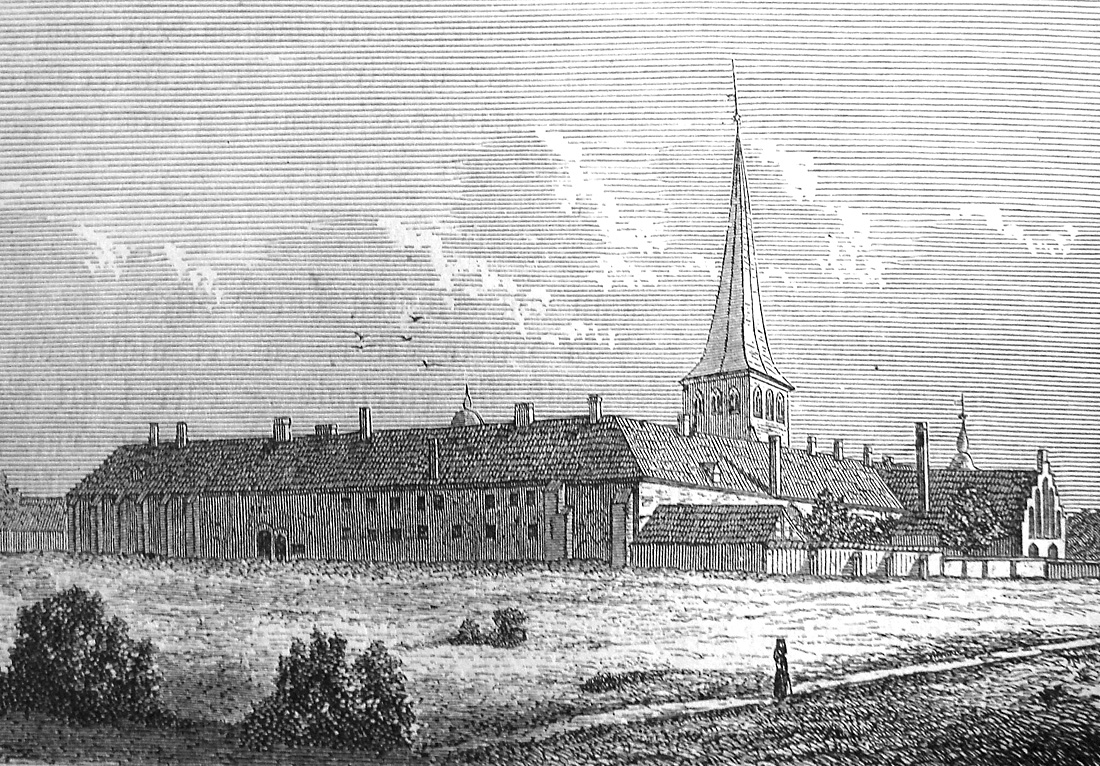
Korsør Fortress is a significant historical site located in Korsør, Denmark, embodying a rich architectural and cultural heritage spanning several centuries. Originally mentioned in historical records in 1241, Korsør was centered around a medieval tower that formed part of the original Korsør Castle complex. Although this medieval tower was demolished in the early 1800s, the site retains numerous structures and features that reflect its long-standing military and civic importance.
Renaissance construction and Christian IV’s influence
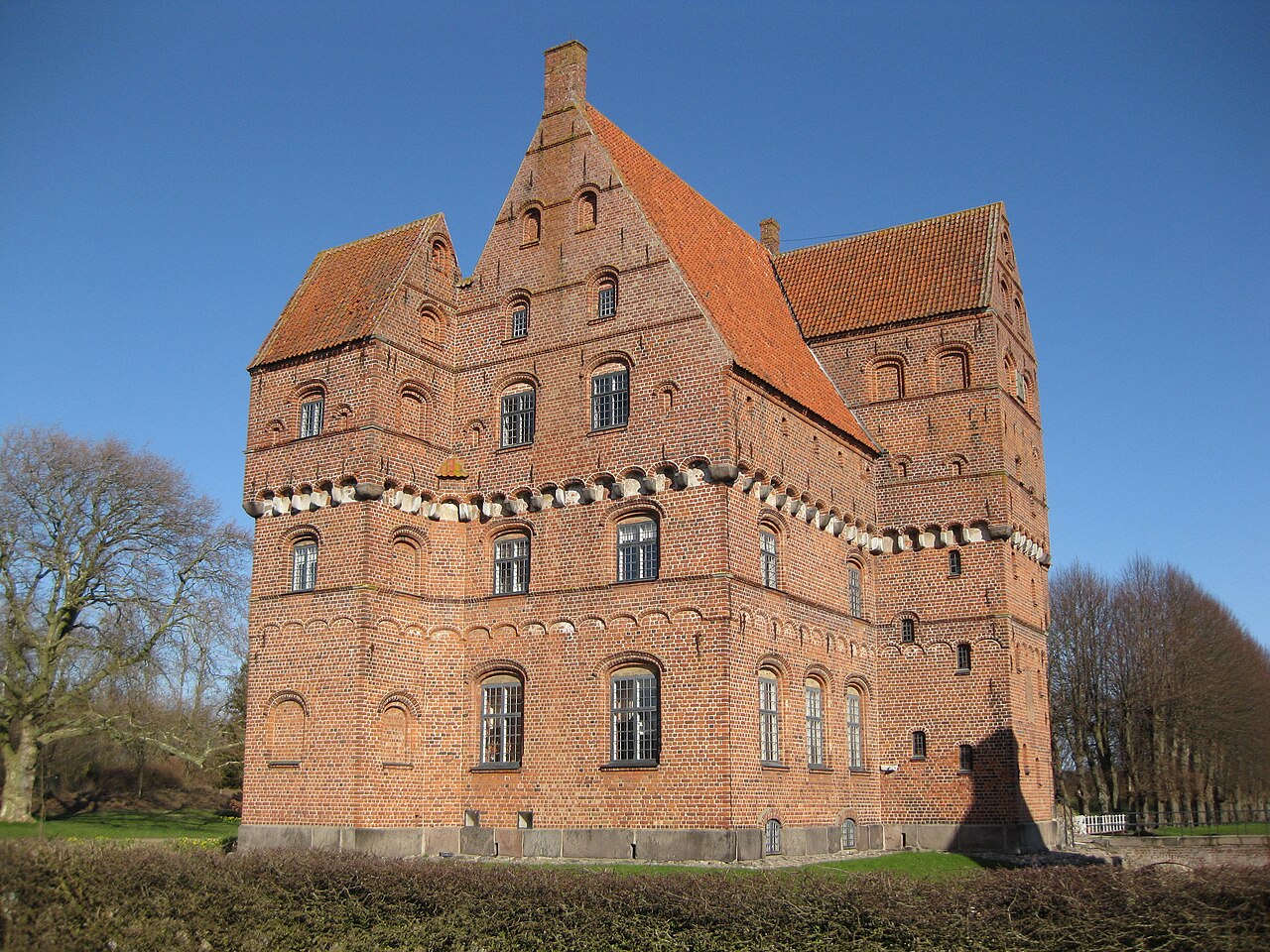
The fortress as it largely stands today owes much to the early 17th century, particularly the reign of King Christian IV of Denmark, who ordered the construction of the Great Magazine around 1610. This building exemplifies Renaissance military architecture with its robust stone construction and functional design tailored for storage and defense. The Great Magazine has been adaptively reused over time and currently houses the Korsør Town and Crossing Museum on its first floor, while the ground floor serves as an exhibition and event space. The basement and upper floors are utilized for storage of the museum's extensive collections, maintaining the building's role as a guardian of local heritage.
Architectural features and auxiliary buildings
The fortress complex includes several other historically significant buildings that contribute to its unique character. The Commandant’s Residence, a wood-faced, half-timbered structure dating from the 1720s, now accommodates the Local History Archives for Korsør and its environs. Adjacent to this is the harbourmaster’s residence, constructed in 1884, which adds a later architectural layer to the site.
Across from the former tower site stands a distinctive red-painted half-timbered house built in 1826 originally for storing gun carriages. This building has served various community functions over the years, including as a youth hostel and museum. Today, it is the meeting place of the Marine Society and houses their historic collection, further enriching the fortress’s cultural offerings.
A small guardhouse from the mid-19th century, once part of the fortress’s defense infrastructure, now operates as a seasonal coffee house, illustrating the site’s adaptive reuse and community engagement.
Swedish occupation and fortifications
The fortress area also bears the marks of the Swedish occupation of Korsør from 1658 to 1660. During this period, the Swedish forces constructed the ramparts that still surround the fortress area today. These earthworks and defensive walls are tangible reminders of the military conflicts that shaped the region during the Northern Wars and the shifting control of strategic points in Denmark.
Historical significance and preservation
Korsør Fortress is a palimpsest of historical periods, with architectural and archaeological elements from the medieval era through the Renaissance and into the modern age. The site’s layered history is visible in the juxtaposition of buildings from different centuries and the preserved fortifications. This makes Korsør Fortress not only a valuable cultural heritage site but also a repository of local history, military architecture, and community memory.
Today, Korsør Fortress is well preserved and serves multiple functions including museum exhibitions, archival research, and cultural events. Its accessibility to the public allows visitors to explore the evolution of Danish fortifications and civic buildings over several centuries in a single, coherent site.
Frequently asked questions (FAQ)
- What is the historical significance of Korsør Fortress?
- Korsør Fortress has a layered history dating back to the medieval period, with significant Renaissance-era constructions by King Christian IV and fortifications from the Swedish occupation. It reflects centuries of military and civic development in Denmark.
- Can I visit museums within Korsør Fortress?
- Yes, the Great Magazine houses the Korsør Town and Crossing Museum, and the Commandant's Residence contains the Local History Archives. These provide insights into local history and maritime heritage.
- When were the ramparts surrounding Korsør Fortress built?
- The ramparts were constructed by Swedish forces during their occupation of Korsør from 1658 to 1660, serving as defensive earthworks that remain visible today.
- Is Korsør Fortress well preserved and accessible to visitors?
- Yes, Korsør Fortress is well preserved and open to the public, featuring museum exhibitions, archives, and cultural events in historic buildings.
- What architectural styles are represented at Korsør Fortress?
- The fortress primarily features Renaissance military architecture from the early 17th century, with later additions including 18th and 19th-century half-timbered and residential buildings.
Information
Loading map...
Visitor reviews
No reviews yet. Been here? Write the first review and help other travelers!
Write the first reviewVisited this castle? Share your experience
Your review helps other travelers and adds first-hand knowledge to our encyclopedia.