Taragarh Fort (Ajmer) — India castle

Taragarh Fort (Ajmer)

Taragarh Fort in Ajmer, Rajasthan
Ajmer, Rajasthan, India
Late Medieval (14th–15th c.)
Partially Preserved

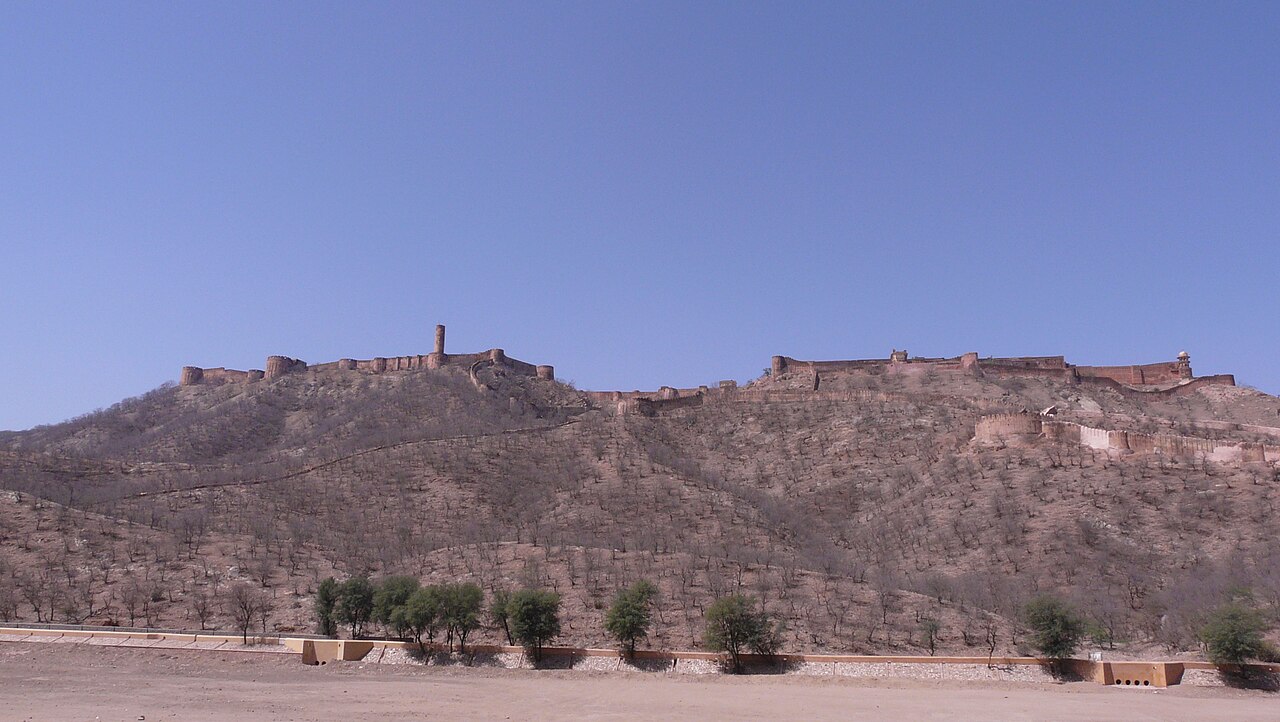
Taragarh Fort is a prominent bastioned fortress located in the historic city of Ajmer in the Indian state of Rajasthan. Perched atop a steep hillside, the fort commands a strategic view of the surrounding landscape, a feature that made it a formidable defensive structure during its time. The fort is one of the earliest hill forts in Rajasthan and exemplifies the military architecture of the region.

Historical background and construction

The origins of Taragarh Fort trace back to the early 14th century, traditionally credited to the Maharaja of the Parmar Rajputs. It was originally known as Ajaymeru Durg, named after the city of Ajmer itself. The fort underwent significant restoration and strengthening under the reign of Ajayaraja Chauhan, a ruler of the Chauhan dynasty, who enhanced its fortifications to withstand invasions.

The fort's construction reflects the transition from earlier fortification styles to a more complex bastioned design, incorporating thick stone walls, battlements, and multiple gates. Its elevated position on the hillside allowed defenders to monitor and control the surrounding plains effectively.

Architectural features and defensive structures

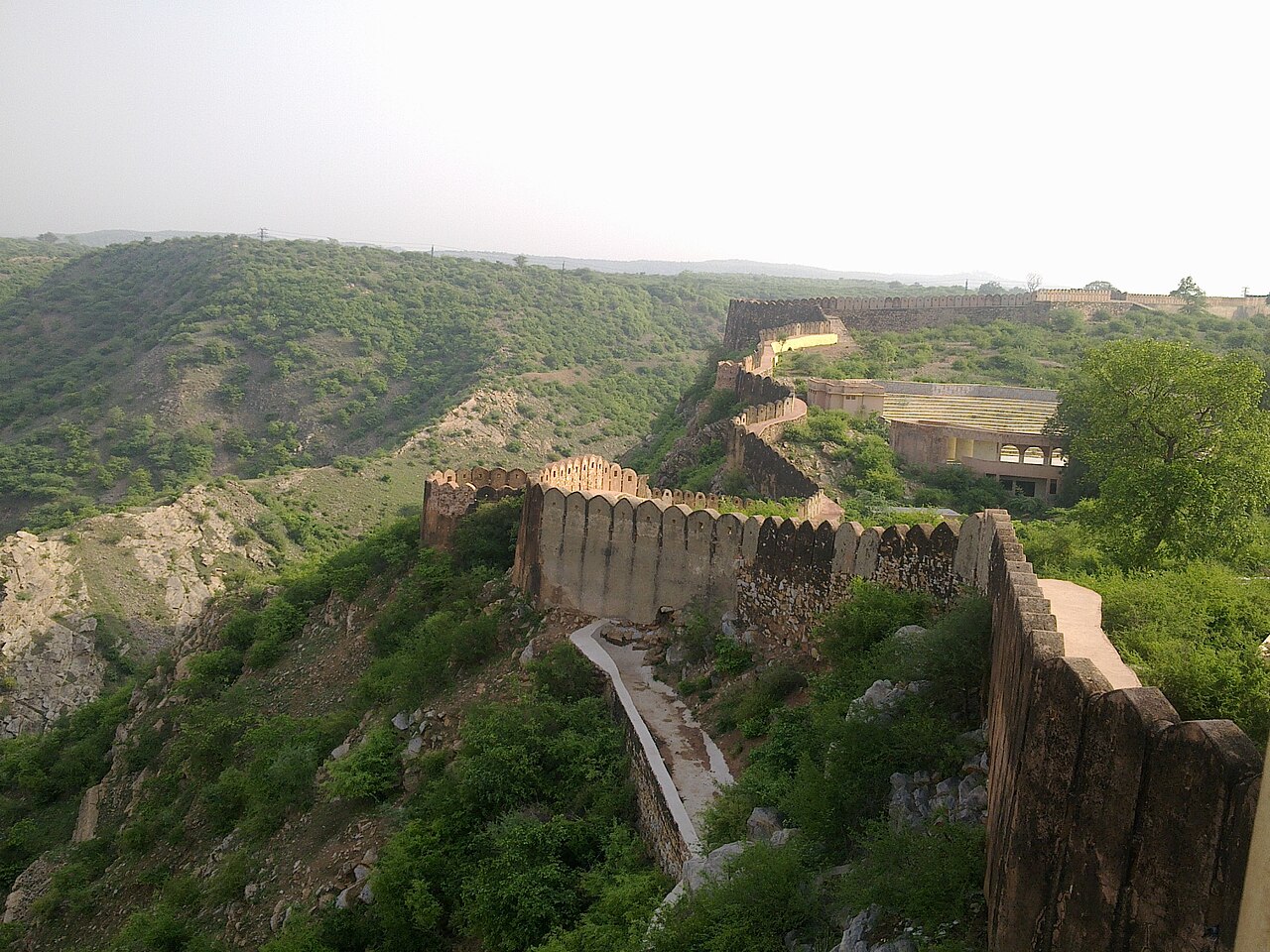
Taragarh Fort is characterized by its massive bastions that protrude from the main walls, designed to provide overlapping fields of fire and to resist artillery attacks. The fort's walls are built from robust stone masonry, with several layers of defense including moats and ramparts.

The entrance to the fort is marked by imposing gates, which were fortified to repel enemy assaults. Inside the fort, remnants of armories, water reservoirs, and living quarters can be found, indicating the self-sustaining nature of the fortress during sieges.

Water management system

One of the notable features of Taragarh Fort is its advanced water harvesting and storage system. The fort houses large underground tanks and step wells that collected and stored rainwater, ensuring a reliable water supply even during prolonged sieges. This engineering feat was vital for the fort's sustainability in the arid climate of Rajasthan.

Strategic importance and historical role

Throughout its history, Taragarh Fort served as a key military stronghold controlling the trade routes and the region around Ajmer. Its elevated position made it a critical defense point against invasions from rival kingdoms and later, during the period of Mughal expansion.

The fort witnessed several battles and sieges, reflecting the turbulent history of Rajasthan. It was a symbol of Rajput valor and resilience, withstanding numerous attacks over centuries.

Present condition and cultural significance

Today, Taragarh Fort stands as a partially preserved monument, attracting historians, archaeologists, and tourists interested in medieval Indian military architecture. Although some sections have deteriorated over time, the fort's imposing walls and bastions remain prominent features of Ajmer's landscape.

The fort is a protected heritage site, contributing to the cultural identity of Rajasthan. Visitors can explore its extensive ramparts, gates, and water systems, gaining insight into the ingenuity of Rajput fort design.

Visiting Taragarh Fort

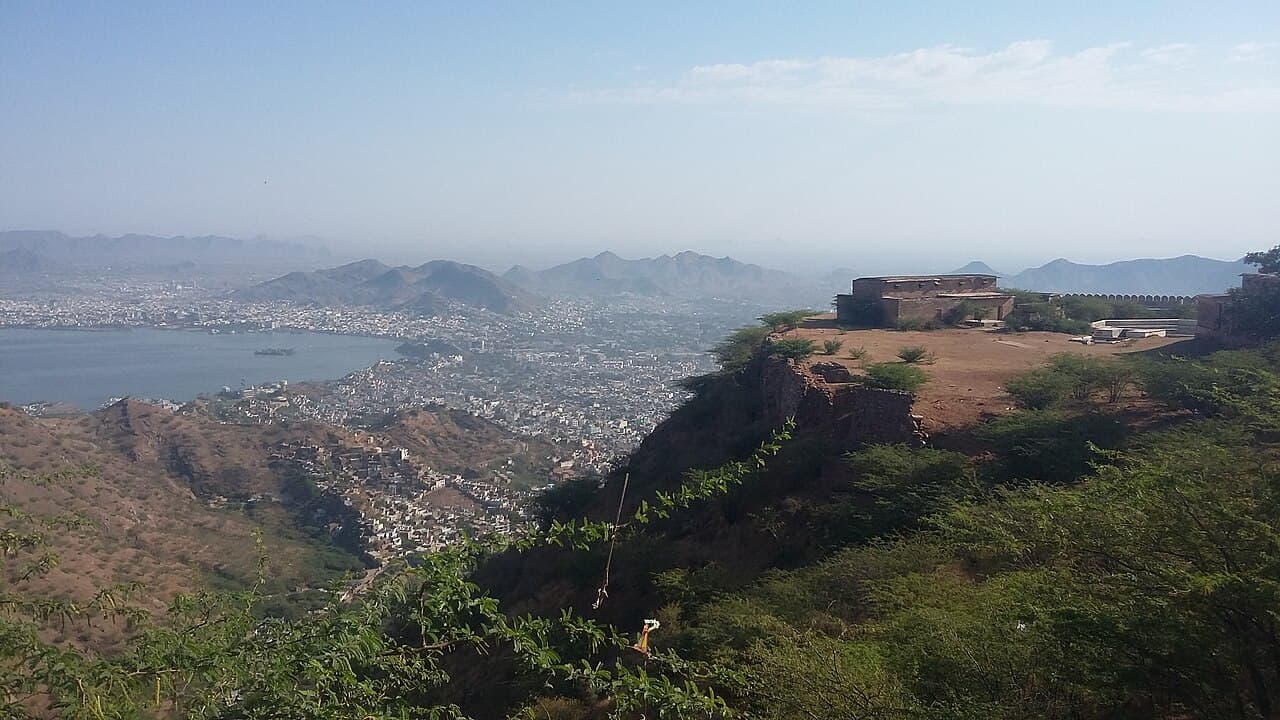
The fort is accessible to visitors year-round, with the best time to visit being during the cooler months from October to March. Exploring the fort involves traversing steep pathways and uneven terrain, so comfortable footwear is recommended. The panoramic views from the fort offer excellent opportunities for photography and historical appreciation.

Frequently asked questions (FAQ)

What is the historical significance of Taragarh Fort?
Taragarh Fort, built in the 8th century, is one of the oldest hill forts in Rajasthan, India. It played a crucial role in the defense against invasions and showcases the architectural prowess of its time, reflecting the rich heritage of the region.
When was Taragarh Fort built?
The construction of Taragarh Fort began in 750 AD under the reign of the Chauhan dynasty. Its strategic location on a hilltop provided a commanding view of the surroundings, making it an essential military stronghold.
Can I visit Taragarh Fort?
Yes, Taragarh Fort is open to visitors throughout the year. It is a popular destination for history enthusiasts and tourists looking to explore its architectural beauty and panoramic views of Ajmer.
What are the opening hours for Taragarh Fort?
Taragarh Fort is typically open from sunrise to sunset, allowing visitors ample time to explore its grounds. It's advisable to check local timings before planning your visit, as they may vary seasonally.
Is it possible to access Taragarh Fort by public transport?
Yes, you can access Taragarh Fort via local buses and auto-rickshaws from Ajmer city. However, it is recommended to hire a taxi or drive for a more convenient experience, especially if you want to explore the fort's surroundings.
What is the best time to visit Taragarh Fort?
The best time to visit Taragarh Fort is during the cooler months from October to March. During this period, the weather is pleasant, making it ideal for sightseeing and outdoor activities.
Are there any nearby attractions to visit?
Yes, nearby attractions include the Ajmer Sharif Dargah, Ana Sagar Lake, and the beautiful Ajmer Museum. Exploring these sites can enrich your visit to Taragarh Fort and provide a deeper understanding of Ajmer's cultural heritage.
What are the ticket prices for visiting Taragarh Fort?
The entry fee for Taragarh Fort is quite reasonable, making it accessible for all visitors. There may be additional charges for guided tours or photography, so it’s best to check at the entrance.

Photo gallery

Taragarh Fort (Ajmer)
Click to view

Photo by Shahrukhalam334•CC BY-SA 4.0

1 photo • Click any image to view in full screen

Information

Bastioned Fortress

Loading map...

Visitor reviews

No reviews yet. Been here? Write the first review and help other travelers!

Write the first review

Visited this castle? Share your experience

Your review helps other travelers and adds first-hand knowledge to our encyclopedia.
Write a review

(5/5)

0/2000 characters

Your review will be visible after admin approval

Nearby castles

131.1 km
Nahargarh Fort — India castle

Nahargarh Fort

, India

Nahargarh Fort is a prominent 18th-century bastioned fortress perched on the edge of the Aravalli Hills, overlooking the historic city of Jaipur in the Indian state of Rajasthan. It forms a crucial part of a defensive triad alongside Amber Fort and Jaigarh Fort, which together protected the city from invasions and attacks during the post-Renaissance period. Originally named Sudershangarh, the fort is now widely known as Nahargarh, which translates to "abode of tigers." This name is deeply rooted in local legend and history, linking the fort to the spirit of Nahar Singh Bhomia, a warrior whose restless spirit was believed to haunt the site and hinder the fort's construction. Historical background and significance The construction of Nahargarh Fort began in 1734 under the reign of Maharaja Sawai Jai Singh II, the founder of Jaipur. The fort was strategically positioned to serve as a retreat and a defensive stronghold to protect the newly established capital city. Its location on the rugged terrain of the Aravalli Hills provided a natural vantage point to monitor and defend against potential threats from the surrounding region. The fort's name change from Sudershangarh to Nahargarh is attributed to the local belief that the spirit of Nahar Singh Bhomia, a local chieftain or warrior, was restless and disturbed the construction process. To appease this spirit, a temple was erected within the fort complex in his honor, thus giving the fort its current name. This blend of folklore and history adds a unique cultural dimension to the fort's legacy. Architectural features and design Nahargarh Fort exemplifies the bastioned fortress style prevalent in Indian military architecture during the 18th century. Its walls are fortified with massive bastions and ramparts designed to withstand artillery attacks, reflecting the evolving military technology of the period. The fort's layout is irregular, adapting to the natural contours of the hills, which enhances its defensive capabilities. The entrance to the fort is marked by a grand gateway with intricate carvings and imposing doors, leading into a series of courtyards and residential quarters. Inside, the fort houses several palatial structures, including the Madho Singh Palace, which features ornate frescoes, decorative motifs, and spacious halls used for royal gatherings and leisure. Water management was a key aspect of the fort's design, with several reservoirs and step wells constructed to ensure a steady supply of water during sieges. The fort's strategic hilltop location also allowed for natural drainage and protection against flooding. Defensive elements The fort's bastions are equipped with cannon placements and lookout posts, providing a 360-degree view of the surrounding landscape. Thick walls, narrow windows, and fortified gates were designed to repel invaders and provide safe refuge for the ruling family and their retainers. Additionally, the fort's proximity to Amber Fort and Jaigarh Fort created an interconnected defense system, allowing coordinated responses to threats and facilitating communication through signal fires and messengers. Role in Jaipur's history and heritage Nahargarh Fort played a vital role in the defense and administration of Jaipur throughout the 18th and 19th centuries. It also served as a royal retreat, offering a cooler climate and scenic views away from the bustle of the city below. The fort's architecture reflects a blend of Rajput and Mughal influences, showcasing the cultural syncretism of the region during that era. During the British colonial period, the fort maintained its strategic importance and was occasionally used as a refuge during times of unrest. Today, Nahargarh Fort stands as a significant heritage monument, attracting tourists and historians interested in Rajasthan's royal past and military architecture. Visiting Nahargarh Fort The fort is accessible via a winding road from Jaipur and offers panoramic views of the city and the surrounding Aravalli Hills. Visitors can explore the various palaces, temples, and defensive structures within the fort complex. The site also hosts cultural events and light shows that highlight its historical significance. Facilities include guided tours, on-site museums, and cafes that provide insight into the fort's history and the lifestyle of the royals who once inhabited it. The best time to visit is during the cooler months from October to March, when the weather is pleasant for exploring the extensive grounds. Preservation and current condition Nahargarh Fort is currently well preserved, with ongoing conservation efforts to maintain its structural integrity and historical features. Restoration projects have focused on repairing the fort's walls, frescoes, and water systems to ensure that future generations can appreciate its architectural and cultural value.

Post-Renaissance (17th–18th c.)
Details
135.8 km
Jaigarh Fort — India castle

Jaigarh Fort

Jaipur, India

Jaigarh Fort stands prominently on the Cheel ka Teela or Hill of Eagles, part of the Aravalli mountain range near Amer in Jaipur, Rajasthan, India. This bastioned fortress overlooks the Amer Fort and Maota Lake, forming a strategic defensive complex with its neighbor. The fort's elevated position offers commanding views of the surrounding landscape, a key factor in its military significance. The origins of Jaigarh Fort trace back to the early 18th century, constructed under the reign of Maharaja Jai Singh II, a prominent ruler and military engineer of the post-Renaissance period. While earlier fortifications existed in the region, the current fort's main construction dates to this era, designed to serve as a stronghold protecting the Amer Fort and the capital of Jaipur. The fort's name, meaning "Victory Fort," reflects its martial purpose and the ambitions of its builders. Architectural design and fortifications Jaigarh Fort is a classic example of a bastioned fortress featuring massive walls and robust defensive structures typical of 18th-century Indian military architecture. The fort extends approximately 3 kilometers in length north to south and about 1 kilometer in width, encompassing a vast complex of buildings, courtyards, and defensive works. Walls and bastions The fort's thick, high walls are punctuated by numerous bastions designed to mount artillery and provide overlapping fields of fire. These bastions allowed defenders to repel attacks efficiently and protect the fort's interior. The walls are constructed from locally sourced stone, with a rugged finish that blends with the natural terrain of the Aravalli hills. Gates and entrances Access to the fort is controlled through heavily fortified gates, featuring traditional Indian defensive elements such as heavy wooden doors reinforced with iron spikes and intricate stone carvings. These gates were designed to withstand sieges and slow down enemy advances, adding layers of security to the fortress. Palace apartments and internal structures Within the fort, palace apartments were added by Maharaja Jai Singh II to serve as royal residences and administrative quarters. These structures combine functional military design with elements of Rajasthani architecture, including ornate windows, balconies, and courtyards. The fort also contains granaries, water storage tanks, and armories, ensuring self-sufficiency during prolonged sieges. The jaivana cannon and military significance One of the fort's most famous features is the Jaivana cannon, manufactured within the fort precincts in the early 18th century. At the time of its creation, it was the world's largest cannon on wheels, weighing approximately 50 tons and capable of firing massive cannonballs over long distances. The cannon symbolizes the military prowess and technological advancement of the fort's builders. Jaigarh Fort was strategically designed to protect the region from invasions and served as a military base for the rulers of Jaipur. Its connection to the Amer Fort via subterranean passages allowed for secure communication and troop movements between the two forts, enhancing their defensive capabilities. Historical context and rulers The area around Jaigarh Fort has a long history of occupation and conflict. While the current fort was primarily built in the 18th century, earlier fortifications and settlements existed under rulers such as Raja Kakil Dev, who captured the Amber region in the 11th century. The fort was continuously maintained and improved by subsequent rulers, reflecting the evolving military and political landscape of Rajasthan. Maharaja Jai Singh II, the fort's most notable patron, was not only a ruler but also an accomplished astronomer and engineer. His contributions to Jaigarh Fort include its extensive fortifications and the installation of advanced artillery like the Jaivana cannon. Jai Singh II's reign marked a period of architectural innovation and consolidation of power in the region. Cultural heritage and tourism today Today, Jaigarh Fort is a well-preserved monument attracting visitors interested in military history, architecture, and Rajasthan's royal heritage. Its rugged walls, expansive courtyards, and historic cannon provide insight into 18th-century fortress design and the region's strategic importance. The fort is accessible to tourists, who can explore its ramparts, palace apartments, and underground passages linking it to the nearby Amer Fort. Visitors often combine trips to both forts to gain a comprehensive understanding of Jaipur's historic defenses. Efforts to maintain and restore parts of the fort ensure that its architectural and historical significance endures for future generations. The site also serves as a venue for cultural events and educational programs that highlight Rajasthan's rich history.

Post-Renaissance (17th–18th c.)
Details
136.5 km
Amber Fort — India castle

Amber Fort

Amer, India

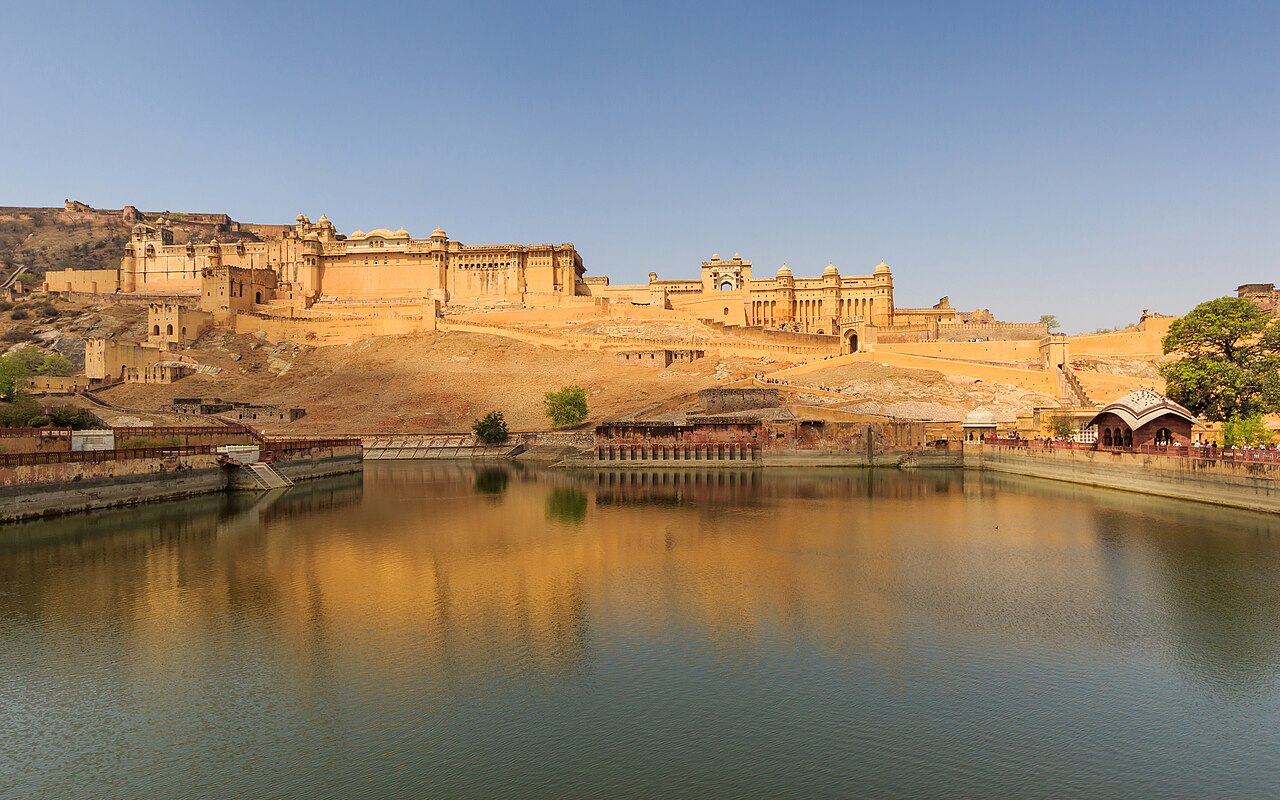
Amber Fort, also known as Amer Fort, is a stunning bastioned fortress located in the town of Amer, approximately 11 kilometers from Jaipur, the capital of Rajasthan, India. Perched high on a hill, the fort commands panoramic views of the surrounding landscape and overlooks the Maota Lake, which historically served as the main water source for the palace complex. This imposing fortress is one of the principal tourist attractions in Jaipur and a remarkable example of Rajput architecture with significant Mughal influences.Constructed primarily during the 16th century, Amber Fort was built using red sandstone and white marble, materials that contribute to its distinctive and opulent appearance. The fort is laid out across four levels, each featuring a spacious courtyard, interconnected by a series of gates, cobbled pathways, and large ramparts designed for defense and grandeur. The architectural ensemble includes several notable structures such as the Diwan-e-Aam (Hall of Public Audience), the Diwan-e-Khas (Hall of Private Audience), the Sheesh Mahal (Mirror Palace) also known as Jai Mandir, and the Sukh Niwas, where an ingenious cooling system uses winds blowing over a water cascade to create a pleasant climate within the palace.Historical significance and royal residenceAmber Fort served as the royal residence of the Rajput Maharajas and their families. The fort's strategic location atop a hill made it a formidable defensive structure while also showcasing the wealth and power of the rulers. Near the fort's main entrance, the Ganesh Gate, stands a temple dedicated to Shila Devi, a goddess revered in the Chaitanya cult. This temple holds historical importance as it was gifted to Raja Man Singh following his victory over the Raja of Jessore (now in Bangladesh) in 1604.Raja Man Singh, known for his twelve queens, constructed twelve separate rooms within the fort, each connected to the king's chamber by individual staircases, although the queens were not permitted to ascend to the king's quarters. Later, Raja Jai Singh, who had only one queen, built a single room equivalent in size to three of the older queen's chambers, reflecting changes in royal customs and preferences.Architectural features and design elementsDefensive structures and layoutThe Amber Fort exemplifies the bastioned fortress design, characterized by massive walls and strategically placed bastions for enhanced defense. The fort's ramparts are extensive, encompassing multiple gates that controlled access and provided protection against invaders. The cobbled paths winding through the fort connect various courtyards and buildings, facilitating movement while maintaining security.Palatial sections and artistic detailsThe fort's palatial areas display exquisite craftsmanship and artistic embellishments. The Sheesh Mahal is particularly renowned for its intricate mirror work, which creates dazzling reflections and an illusion of spaciousness. The Diwan-e-Aam and Diwan-e-Khas served as important venues for public and private audiences, respectively, highlighting the administrative and ceremonial functions of the fort. The Sukh Niwas incorporates an early form of climate control, with water channels and ventilation designed to cool the interiors during hot seasons.Connection to Jaigarh Fort and strategic importanceAmber Fort is closely linked to the nearby Jaigarh Fort, situated on the Cheel ka Teela (Hill of Eagles) within the same Aravalli mountain range. The two forts are connected by a subterranean passage, which was intended as a secret escape route during times of siege or war. This passage allowed the royal family and key personnel to move safely from Amber Fort to the more heavily fortified Jaigarh Fort, which housed armories and additional defensive installations.Tourism and cultural heritageToday, Amber Fort attracts thousands of visitors daily, drawn by its architectural grandeur and historical significance. In 2013, the fort was recognized as a UNESCO World Heritage Site as part of the group known as the Hill Forts of Rajasthan, underscoring its cultural and historical importance. The fort's preservation and presentation offer insights into the Rajput era, their architectural ingenuity, and the fusion of indigenous and Mughal styles that define much of Rajasthan's heritage.Visitors can explore the fort's courtyards, halls, and temples, experiencing the blend of military might and royal luxury. The fort's elevated position also provides spectacular views of Jaipur and the surrounding countryside, enhancing its appeal as a historic monument and tourist destination.

Renaissance (15th–17th c.)
Details