Nahargarh Fort
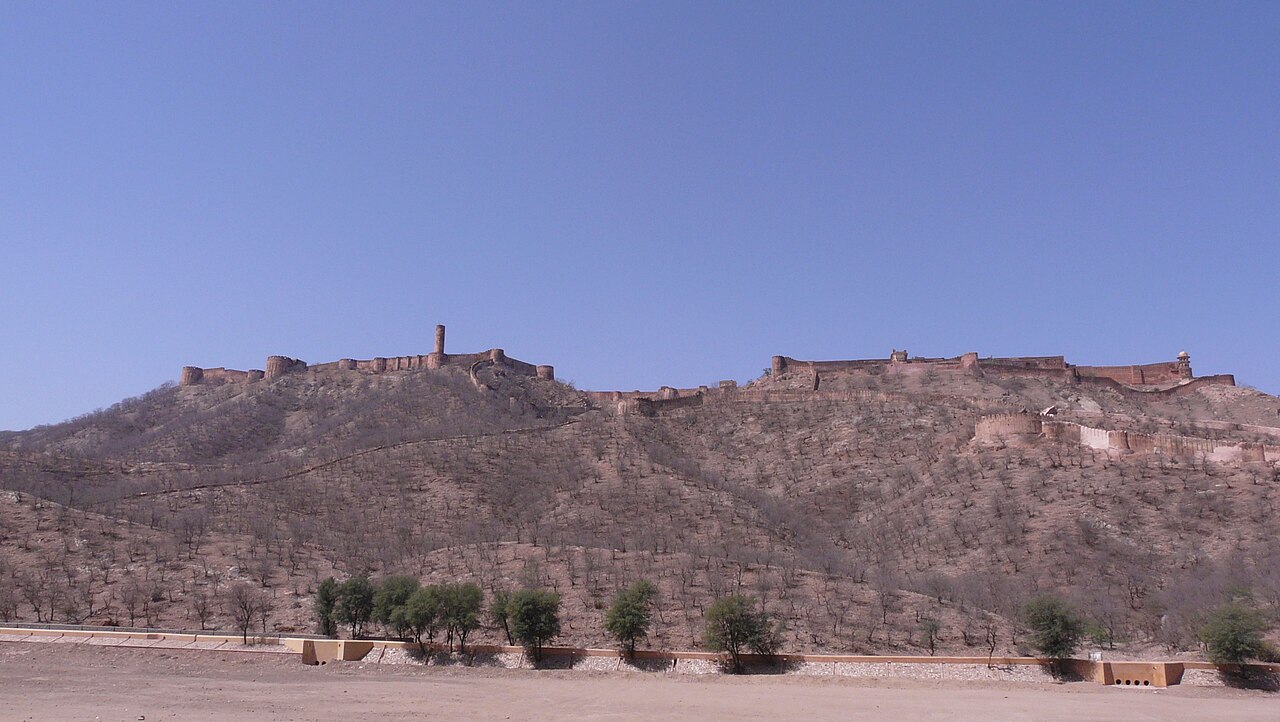
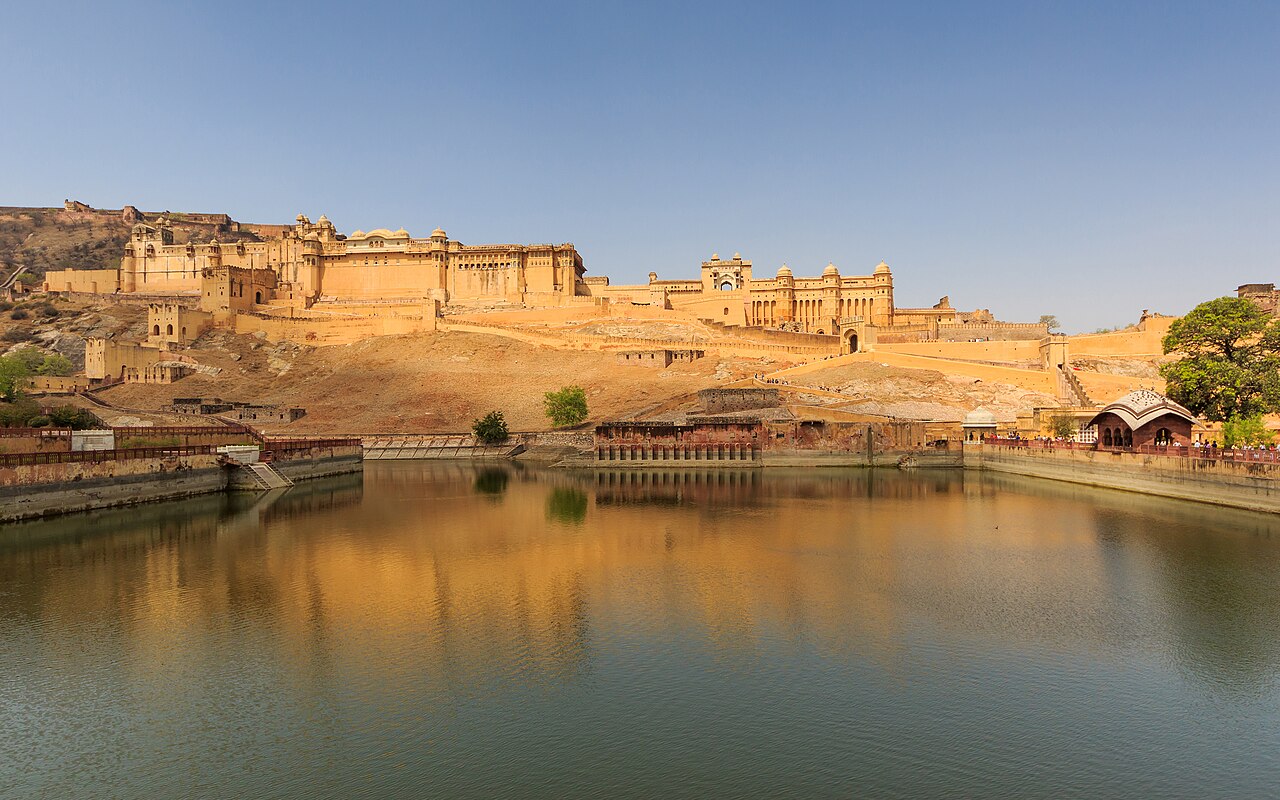
Nahargarh Fort is a prominent 18th-century bastioned fortress perched on the edge of the Aravalli Hills, overlooking the historic city of Jaipur in the Indian state of Rajasthan. It forms a crucial part of a defensive triad alongside Amber Fort and Jaigarh Fort, which together protected the city from invasions and attacks during the post-Renaissance period. Originally named Sudershangarh, the fort is now widely known as Nahargarh, which translates to "abode of tigers." This name is deeply rooted in local legend and history, linking the fort to the spirit of Nahar Singh Bhomia, a warrior whose restless spirit was believed to haunt the site and hinder the fort's construction.
Historical background and significance
The construction of Nahargarh Fort began in 1734 under the reign of Maharaja Sawai Jai Singh II, the founder of Jaipur. The fort was strategically positioned to serve as a retreat and a defensive stronghold to protect the newly established capital city. Its location on the rugged terrain of the Aravalli Hills provided a natural vantage point to monitor and defend against potential threats from the surrounding region.
The fort's name change from Sudershangarh to Nahargarh is attributed to the local belief that the spirit of Nahar Singh Bhomia, a local chieftain or warrior, was restless and disturbed the construction process. To appease this spirit, a temple was erected within the fort complex in his honor, thus giving the fort its current name. This blend of folklore and history adds a unique cultural dimension to the fort's legacy.
Architectural features and design
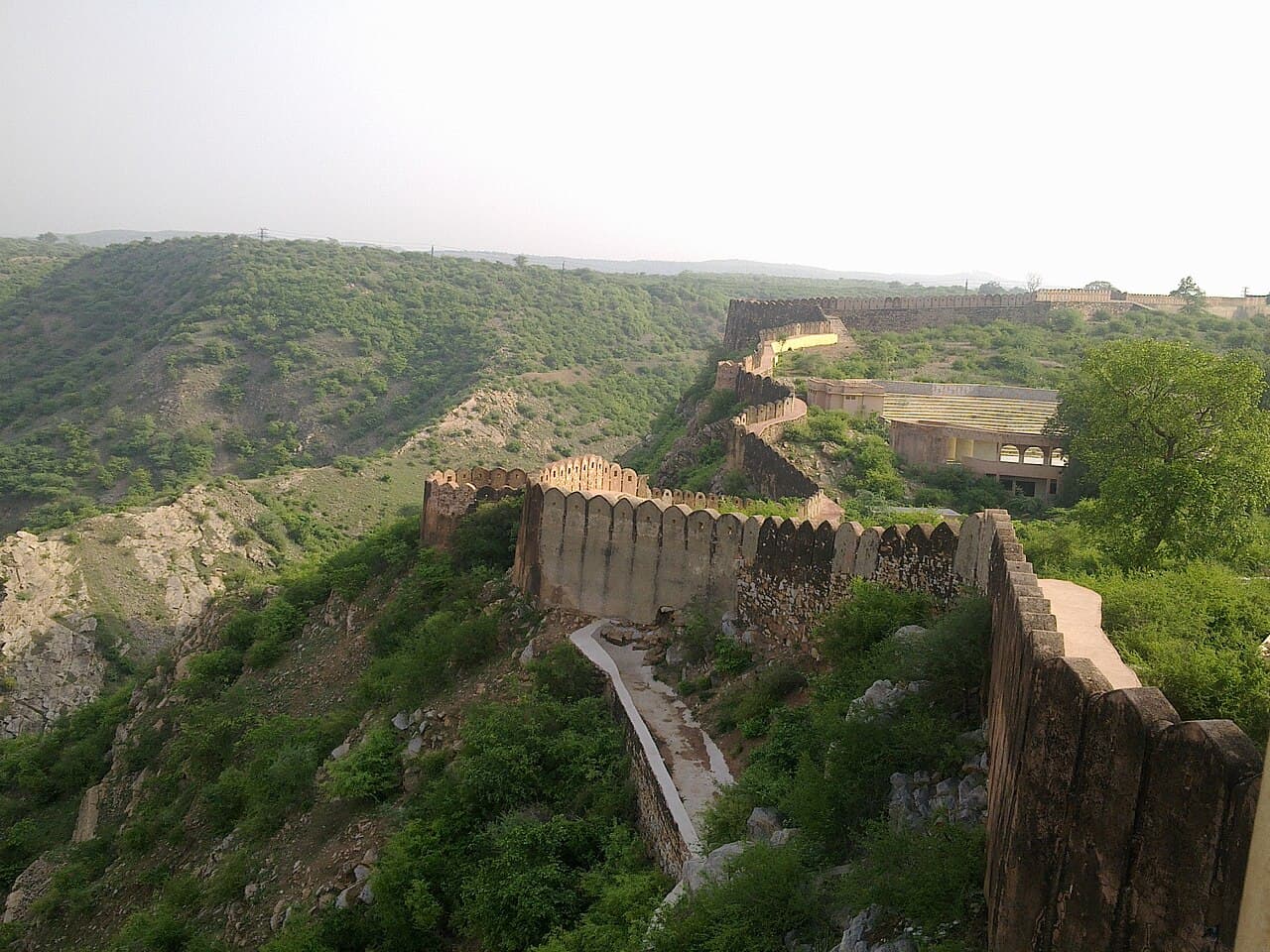
Nahargarh Fort exemplifies the bastioned fortress style prevalent in Indian military architecture during the 18th century. Its walls are fortified with massive bastions and ramparts designed to withstand artillery attacks, reflecting the evolving military technology of the period. The fort's layout is irregular, adapting to the natural contours of the hills, which enhances its defensive capabilities.
The entrance to the fort is marked by a grand gateway with intricate carvings and imposing doors, leading into a series of courtyards and residential quarters. Inside, the fort houses several palatial structures, including the Madho Singh Palace, which features ornate frescoes, decorative motifs, and spacious halls used for royal gatherings and leisure.
Water management was a key aspect of the fort's design, with several reservoirs and step wells constructed to ensure a steady supply of water during sieges. The fort's strategic hilltop location also allowed for natural drainage and protection against flooding.
Defensive elements
The fort's bastions are equipped with cannon placements and lookout posts, providing a 360-degree view of the surrounding landscape. Thick walls, narrow windows, and fortified gates were designed to repel invaders and provide safe refuge for the ruling family and their retainers.
Additionally, the fort's proximity to Amber Fort and Jaigarh Fort created an interconnected defense system, allowing coordinated responses to threats and facilitating communication through signal fires and messengers.
Role in Jaipur's history and heritage
Nahargarh Fort played a vital role in the defense and administration of Jaipur throughout the 18th and 19th centuries. It also served as a royal retreat, offering a cooler climate and scenic views away from the bustle of the city below. The fort's architecture reflects a blend of Rajput and Mughal influences, showcasing the cultural syncretism of the region during that era.
During the British colonial period, the fort maintained its strategic importance and was occasionally used as a refuge during times of unrest. Today, Nahargarh Fort stands as a significant heritage monument, attracting tourists and historians interested in Rajasthan's royal past and military architecture.
Visiting Nahargarh Fort
The fort is accessible via a winding road from Jaipur and offers panoramic views of the city and the surrounding Aravalli Hills. Visitors can explore the various palaces, temples, and defensive structures within the fort complex. The site also hosts cultural events and light shows that highlight its historical significance.
Facilities include guided tours, on-site museums, and cafes that provide insight into the fort's history and the lifestyle of the royals who once inhabited it. The best time to visit is during the cooler months from October to March, when the weather is pleasant for exploring the extensive grounds.
Preservation and current condition
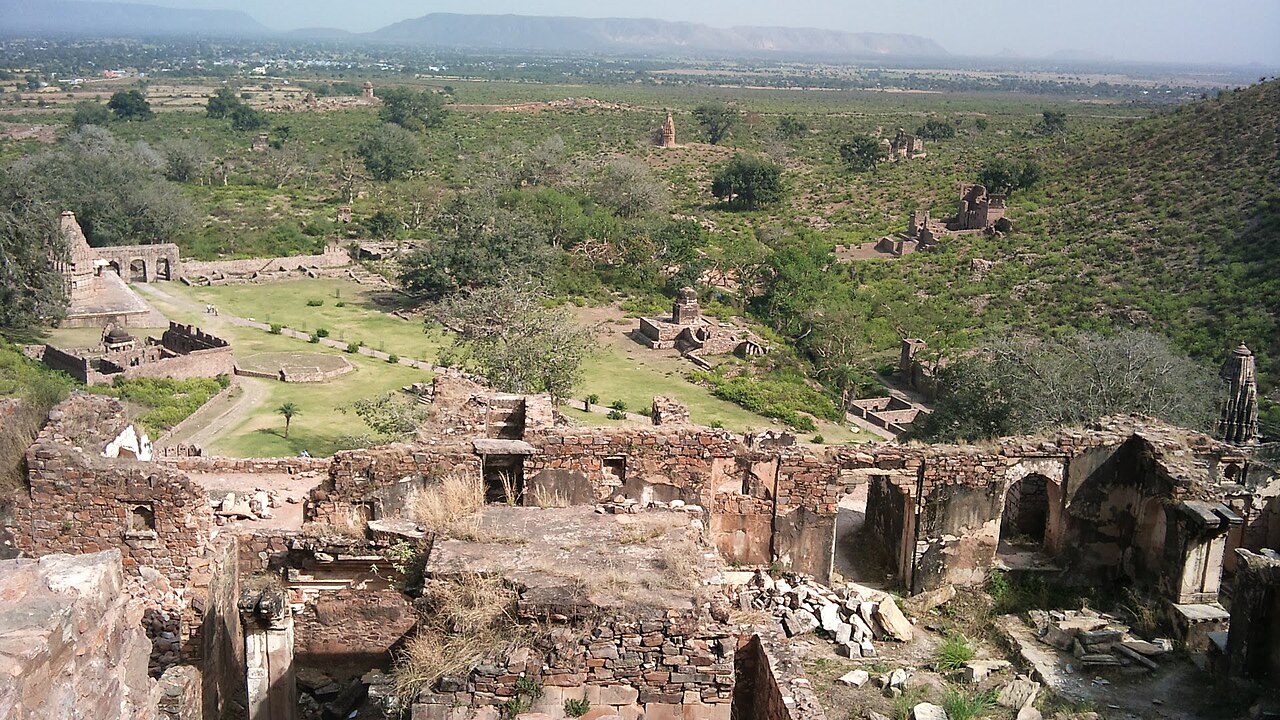
Nahargarh Fort is currently well preserved, with ongoing conservation efforts to maintain its structural integrity and historical features. Restoration projects have focused on repairing the fort's walls, frescoes, and water systems to ensure that future generations can appreciate its architectural and cultural value.
Frequently asked questions (FAQ)
- How do I get to Nahargarh Fort?
- Nahargarh Fort is located on the Aravalli hills, just 6 kilometers from Jaipur, Rajasthan. You can reach the fort by hiring a taxi or taking a local bus from the city. The scenic drive offers beautiful views of the surrounding landscape, making the journey enjoyable.
- What is the historical significance of Nahargarh Fort?
- Nahargarh Fort was built in 1734 by Maharaja Sawai Jai Singh II, the founder of Jaipur, as a retreat and defense fort. It played a crucial role in the defense of the city and served as a residence for the royal family. The fort is an important example of Rajput architecture and reflects the rich history of the region.
- When was Nahargarh Fort constructed?
- Nahargarh Fort was constructed in the year 1734. It was built as a strategic defense point to protect Jaipur from potential invasions and served as a pleasure retreat for the royal family. The fort showcases the architectural brilliance of the era.
- Can I visit Nahargarh Fort at night?
- Yes, Nahargarh Fort is open for night visits, and it offers a stunning view of the illuminated Jaipur city. However, it's advisable to check the current visiting hours as they may vary. Night visits can provide a unique and memorable experience of the fort.
- Why is Nahargarh Fort popular among tourists?
- Nahargarh Fort is popular due to its breathtaking views of Jaipur, historical significance, and beautiful architecture. It is a great spot for photography and offers a glimpse into the royal lifestyle of the past. Additionally, visitors enjoy the numerous trekking trails and the vibrant atmosphere.
- Is it possible to hike to Nahargarh Fort?
- Yes, it is possible to hike to Nahargarh Fort, and many visitors enjoy the trek as it provides an adventurous experience along with stunning views. The trail is well-marked and takes about an hour to reach the fort from the base. Make sure to wear comfortable shoes and carry water for the hike.
- What are the opening hours for Nahargarh Fort?
- Nahargarh Fort is generally open from 10:00 AM to 5:30 PM, but evening hours may extend for special events. It's best to verify the opening hours before your visit, especially during holidays or festivals. Arriving early can help you avoid crowds and enjoy the serene environment.
- What are the ticket prices for Nahargarh Fort?
- The entry fee for Nahargarh Fort is quite affordable, with tickets typically costing around INR 50 for Indian visitors and INR 200 for foreign tourists. Children under a certain age may enter for free or at a reduced price. Keep in mind that there may be additional charges for guided tours or special activities.
- Are there any nearby attractions to Nahargarh Fort?
- Yes, there are several nearby attractions, including Jaigarh Fort, Amer Fort, and the beautiful gardens of Sisodia Rani Palace. These sites are rich in history and offer more breathtaking views of the area. Exploring these attractions can enhance your overall experience during your visit to Nahargarh Fort.
Photo gallery

Information
Loading map...
Visitor reviews
No reviews yet. Been here? Write the first review and help other travelers!
Write the first reviewVisited this castle? Share your experience
Your review helps other travelers and adds first-hand knowledge to our encyclopedia.