Amber Fort
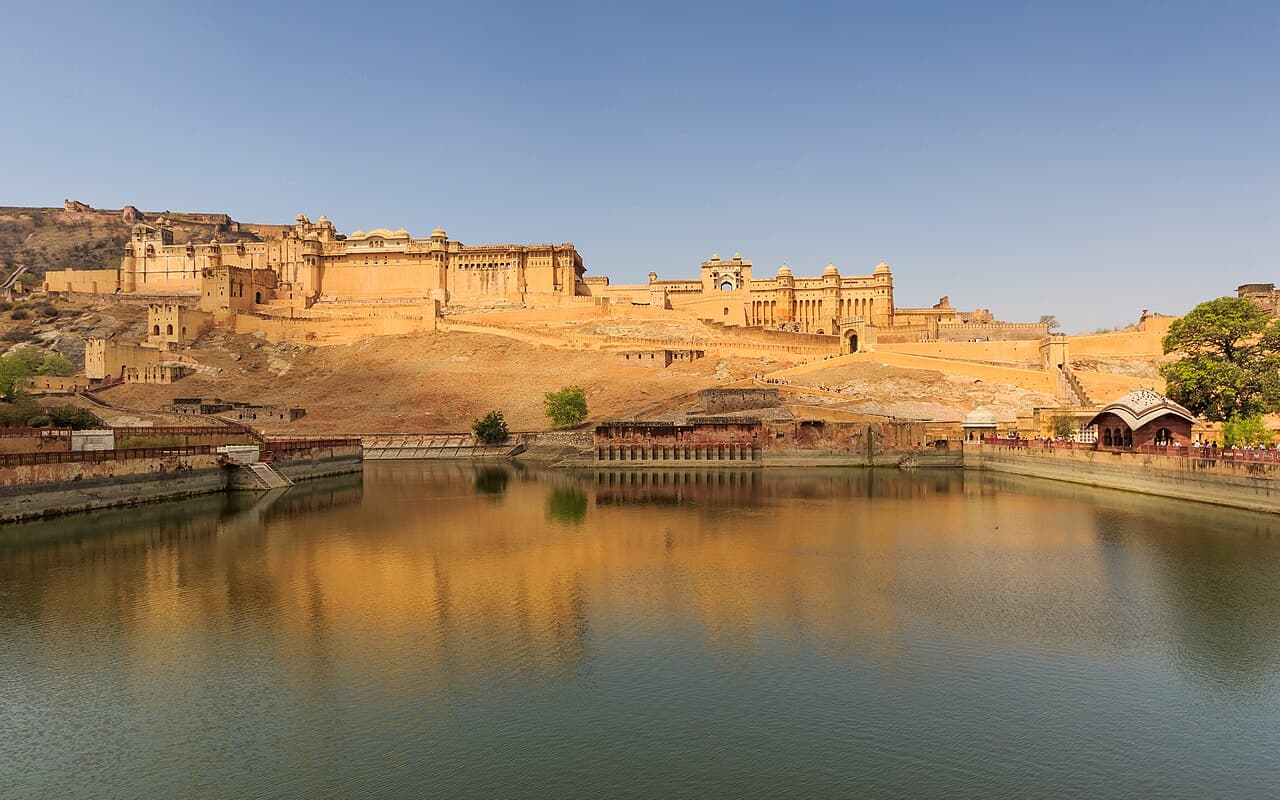
Amber Fort, also known as Amer Fort, is a stunning bastioned fortress located in the town of Amer, approximately 11 kilometers from Jaipur, the capital of Rajasthan, India. Perched high on a hill, the fort commands panoramic views of the surrounding landscape and overlooks the Maota Lake, which historically served as the main water source for the palace complex. This imposing fortress is one of the principal tourist attractions in Jaipur and a remarkable example of Rajput architecture with significant Mughal influences.
Constructed primarily during the 16th century, Amber Fort was built using red sandstone and white marble, materials that contribute to its distinctive and opulent appearance. The fort is laid out across four levels, each featuring a spacious courtyard, interconnected by a series of gates, cobbled pathways, and large ramparts designed for defense and grandeur. The architectural ensemble includes several notable structures such as the Diwan-e-Aam (Hall of Public Audience), the Diwan-e-Khas (Hall of Private Audience), the Sheesh Mahal (Mirror Palace) also known as Jai Mandir, and the Sukh Niwas, where an ingenious cooling system uses winds blowing over a water cascade to create a pleasant climate within the palace.
Historical significance and royal residence
Amber Fort served as the royal residence of the Rajput Maharajas and their families. The fort's strategic location atop a hill made it a formidable defensive structure while also showcasing the wealth and power of the rulers. Near the fort's main entrance, the Ganesh Gate, stands a temple dedicated to Shila Devi, a goddess revered in the Chaitanya cult. This temple holds historical importance as it was gifted to Raja Man Singh following his victory over the Raja of Jessore (now in Bangladesh) in 1604.
Raja Man Singh, known for his twelve queens, constructed twelve separate rooms within the fort, each connected to the king's chamber by individual staircases, although the queens were not permitted to ascend to the king's quarters. Later, Raja Jai Singh, who had only one queen, built a single room equivalent in size to three of the older queen's chambers, reflecting changes in royal customs and preferences.
Architectural features and design elements
Defensive structures and layout
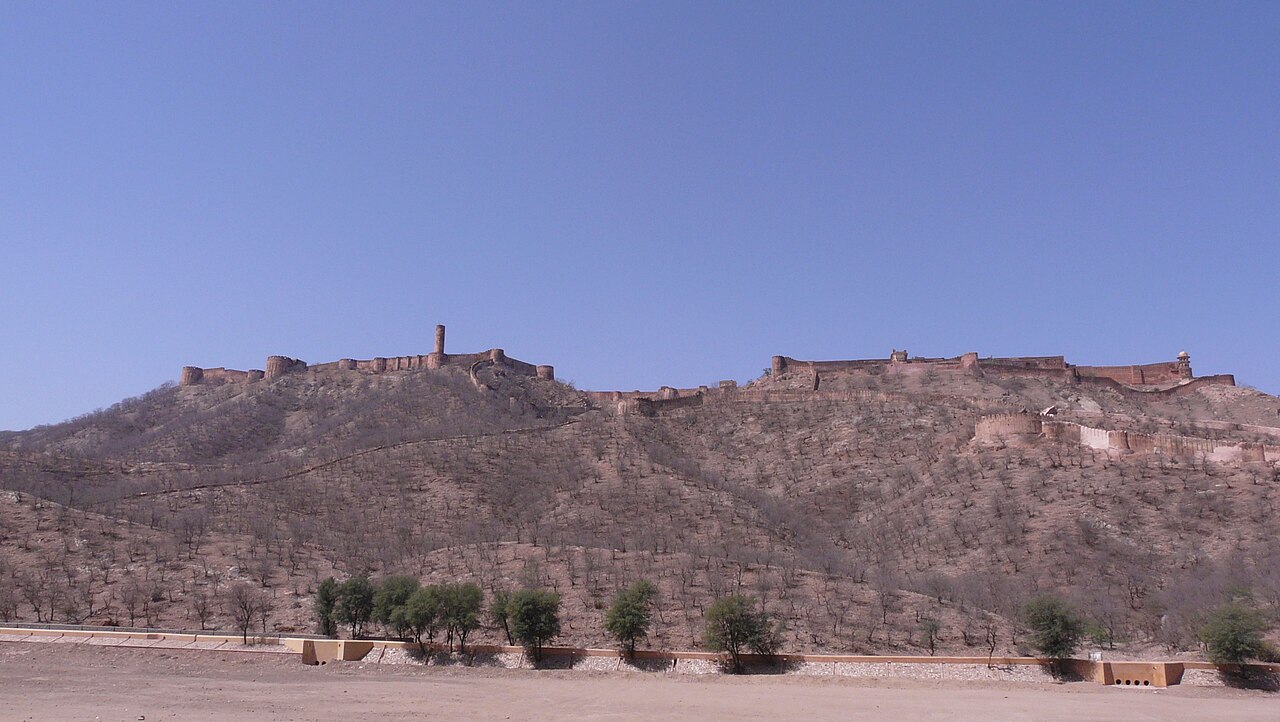
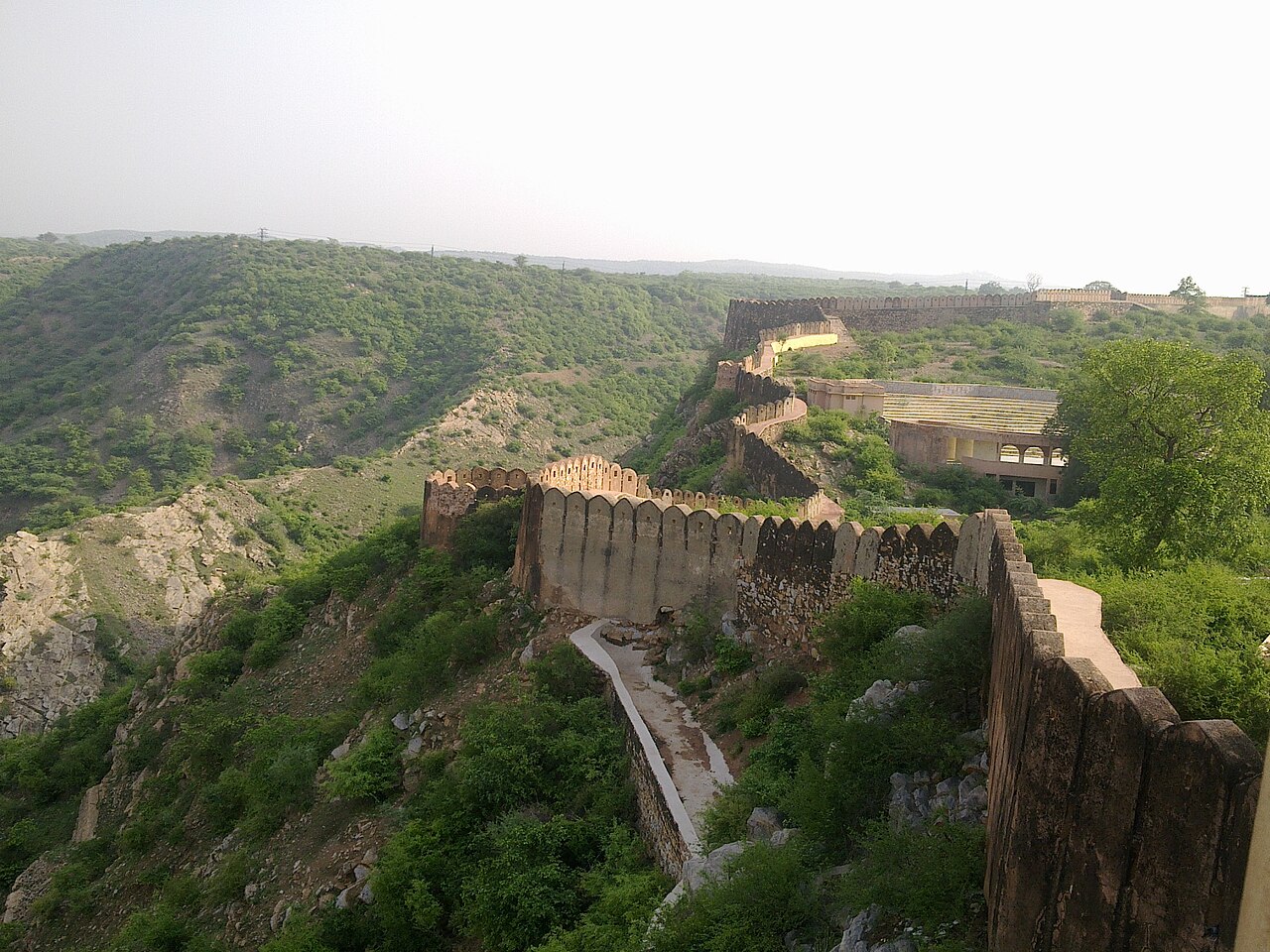
The Amber Fort exemplifies the bastioned fortress design, characterized by massive walls and strategically placed bastions for enhanced defense. The fort's ramparts are extensive, encompassing multiple gates that controlled access and provided protection against invaders. The cobbled paths winding through the fort connect various courtyards and buildings, facilitating movement while maintaining security.
Palatial sections and artistic details
The fort's palatial areas display exquisite craftsmanship and artistic embellishments. The Sheesh Mahal is particularly renowned for its intricate mirror work, which creates dazzling reflections and an illusion of spaciousness. The Diwan-e-Aam and Diwan-e-Khas served as important venues for public and private audiences, respectively, highlighting the administrative and ceremonial functions of the fort. The Sukh Niwas incorporates an early form of climate control, with water channels and ventilation designed to cool the interiors during hot seasons.
Connection to Jaigarh Fort and strategic importance
Amber Fort is closely linked to the nearby Jaigarh Fort, situated on the Cheel ka Teela (Hill of Eagles) within the same Aravalli mountain range. The two forts are connected by a subterranean passage, which was intended as a secret escape route during times of siege or war. This passage allowed the royal family and key personnel to move safely from Amber Fort to the more heavily fortified Jaigarh Fort, which housed armories and additional defensive installations.
Tourism and cultural heritage
Today, Amber Fort attracts thousands of visitors daily, drawn by its architectural grandeur and historical significance. In 2013, the fort was recognized as a UNESCO World Heritage Site as part of the group known as the Hill Forts of Rajasthan, underscoring its cultural and historical importance. The fort's preservation and presentation offer insights into the Rajput era, their architectural ingenuity, and the fusion of indigenous and Mughal styles that define much of Rajasthan's heritage.
Visitors can explore the fort's courtyards, halls, and temples, experiencing the blend of military might and royal luxury. The fort's elevated position also provides spectacular views of Jaipur and the surrounding countryside, enhancing its appeal as a historic monument and tourist destination.
Frequently asked questions (FAQ)
- How do I get to Amber Fort from Jaipur?
- Amber Fort is located about 11 kilometers from Jaipur and can be reached by taxi, auto-rickshaw, or organized tours. The drive takes approximately 30 minutes depending on traffic.
- What are the main architectural styles seen at Amber Fort?
- Amber Fort showcases a blend of <strong>Rajput</strong> and <strong>Mughal architectural styles</strong>, featuring red sandstone and marble construction, intricate mirror work, and elaborate courtyards.
- Is Amber Fort open to visitors year-round?
- Yes, Amber Fort is open daily from 9:00 AM to 5:00 PM. It is advisable to visit during the cooler months from October to March for a more comfortable experience.
- Can I explore both Amber Fort and Jaigarh Fort in one day?
- Yes, both forts are located close to each other and connected by a passage. Many visitors choose to tour both in a single day to fully appreciate their historical and architectural significance.
- Are there any special events or light shows at Amber Fort?
- Amber Fort hosts an evening light and sound show that narrates the history of the fort and the Rajput rulers. This event is popular among tourists and provides a unique perspective on the fort's heritage.

Information
Opening hours
9:00-5:00 daily
Ticket prices
Varies, typically around ₹100-200 for foreign tourists
Loading map...
Visitor reviews
No reviews yet. Been here? Write the first review and help other travelers!
Write the first reviewVisited this castle? Share your experience
Your review helps other travelers and adds first-hand knowledge to our encyclopedia.