Tapung Old Fort — Taiwan castle

Tapung Old Fort

Tapung Old Fort in Jianshi Township, Taiwan
Jianshi Township, Taiwan
Contemporary (20th–21st c.)
Partially Preserved

The Tapung Old Fort, also known as Mount Lidong Fort (李崠古堡, pinyin: Lǐdōng Gǔbǎo), is a historical military structure located in Jianshi Township, Hsinchu County, Taiwan. Constructed during the 20th century, this bastioned fortress represents a significant example of contemporary military architecture in Taiwan, reflecting the strategic defense needs of the era.

Historical context and strategic importance

The fort was built in the context of Taiwan's complex military history during the early to mid-20th century, a period marked by Japanese colonial rule and later the Republic of China's efforts to secure its territories. Positioned on Mount Lidong, the fort's elevated location offered commanding views of the surrounding landscape, enabling effective surveillance and defense against potential threats.

Architectural features and design

The Tapung Old Fort is classified as a bastioned fortress, a style characterized by angular bastions projecting from the main walls, designed to provide overlapping fields of fire and eliminate blind spots. This design reflects military engineering principles that evolved from the Renaissance period but were adapted for modern warfare requirements in the 20th century.

The fort's construction utilized reinforced concrete and stone, materials chosen for durability and resistance to artillery. Its walls and bastions are arranged to maximize defensive capabilities, with embrasures for artillery placements and observation posts strategically located to monitor the approaches.

Layout and defensive structures

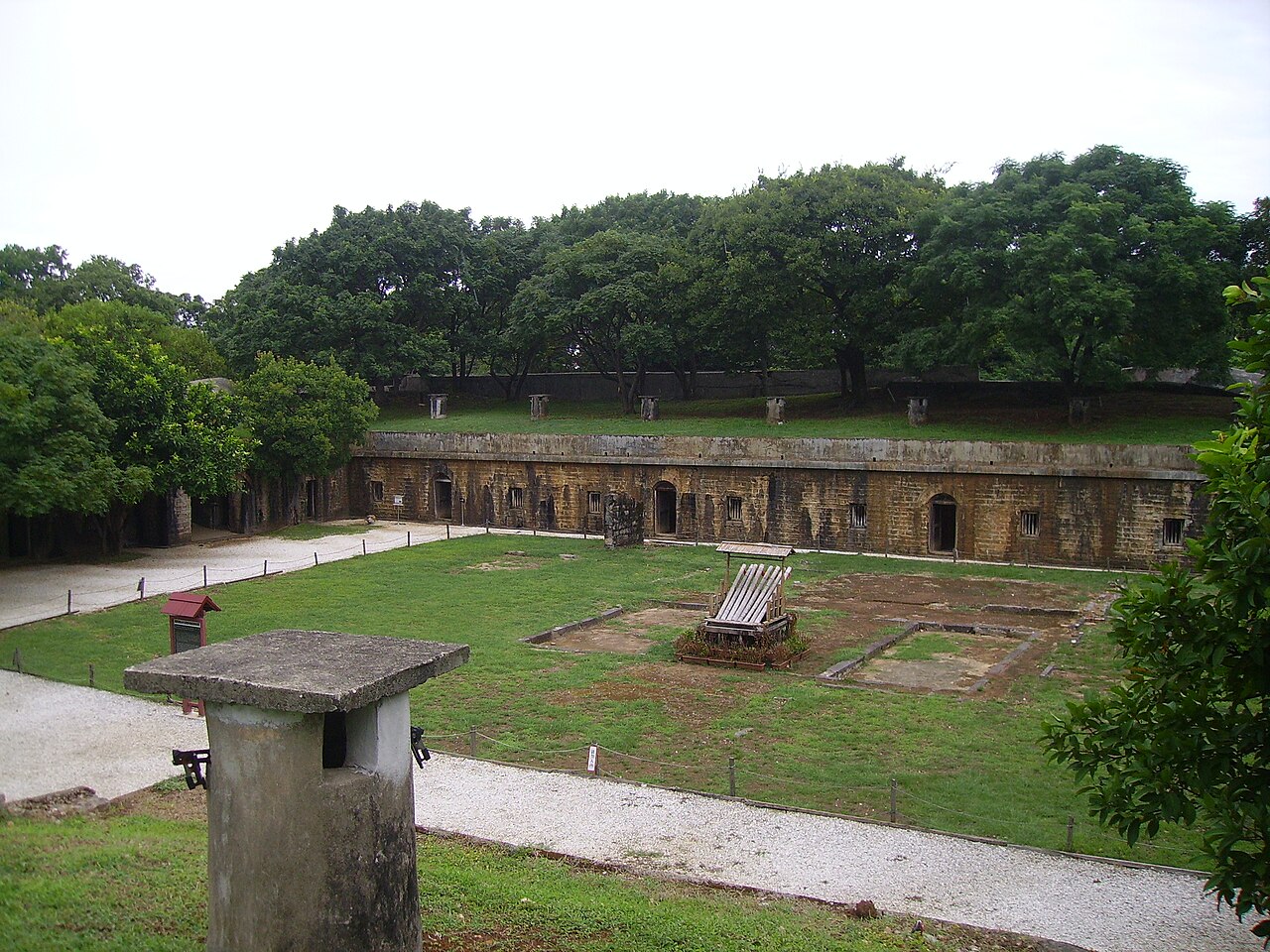
The fort's layout includes multiple bastions connected by curtain walls forming a polygonal shape typical of bastioned fortresses. Inside, there are remnants of barracks, ammunition storage rooms, and command centers. The design facilitated both active defense and the accommodation of a garrisoned force.

Role during military conflicts

While specific records of battles or sieges involving the Tapung Old Fort are limited, its construction during a turbulent period suggests it was intended as a deterrent and a defensive stronghold against incursions. The fort likely played a role in regional defense strategies, particularly during the Japanese occupation of Taiwan (1895-1945) and the subsequent post-war period.

Current condition and preservation

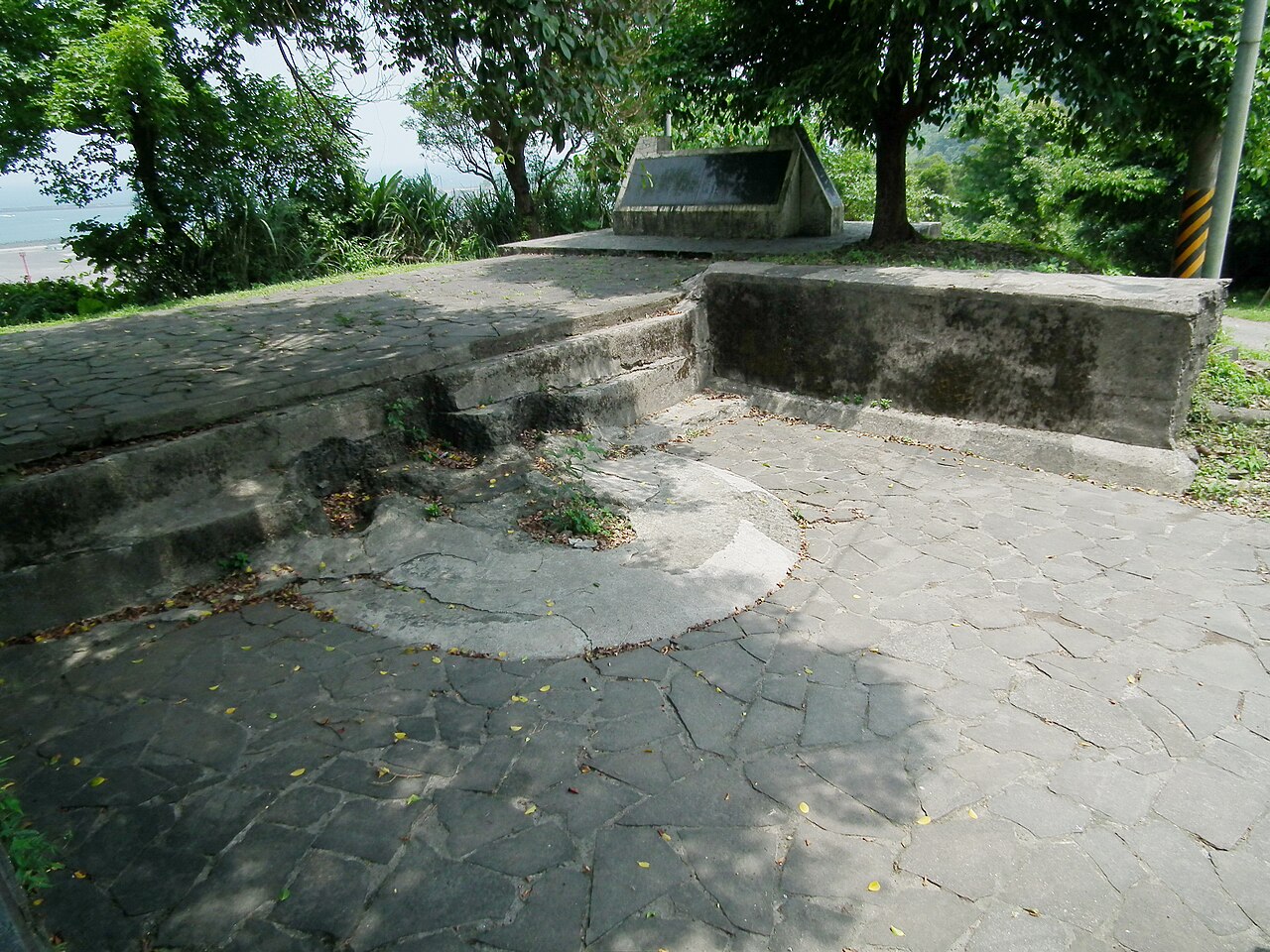
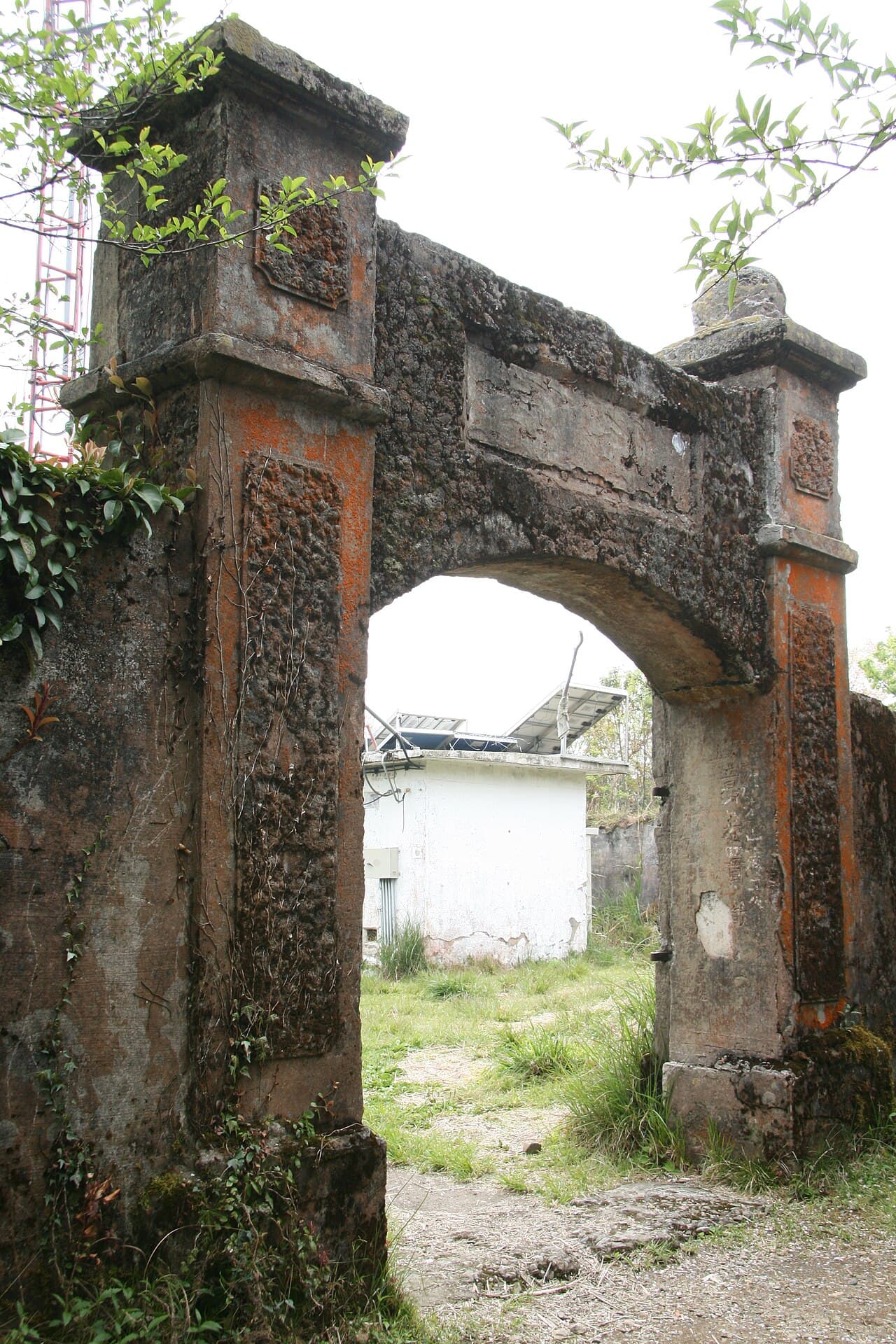
Today, the Tapung Old Fort stands as a partially preserved historical site. Some sections of the walls and bastions remain intact, while others have suffered from weathering and neglect. Efforts have been made to preserve the fort as a cultural heritage site, highlighting its architectural and historical significance.

Tourism and accessibility

The site attracts visitors interested in military history and architecture. It offers a glimpse into Taiwan's defensive past and provides panoramic views of the surrounding mountainous region. Accessibility may be limited due to its hillside location, but it remains an important point of interest for heritage tourism in Hsinchu County.

Frequently asked questions (FAQ)

How do I get to Tapung Old Fort?
To reach Tapung Old Fort, you can take public transportation or drive from nearby cities. The fort is located in Jianshi Township, and signage along the roads will help guide you to the site. Make sure to check local bus schedules if you prefer using public transport.
What is the historical significance of Tapung Old Fort?
Tapung Old Fort dates back to the Qing Dynasty and served as a military fortification to protect the local population. It is an important cultural heritage site that reflects the historical defense strategies used in Taiwan. The fort's architecture and location offer insight into the region's past and its role in Taiwan's history.
When was Tapung Old Fort built?
Tapung Old Fort was constructed in the late 19th century during the Qing Dynasty. It was strategically built to safeguard the area against foreign invasions and local conflicts. The fort's construction showcases the military architecture of that era.
Can I explore the fort freely?
Yes, visitors can explore Tapung Old Fort freely during opening hours. The site is relatively accessible, allowing guests to walk around and appreciate the architecture and views. However, it's advisable to stay on marked paths to preserve the fort's historical integrity.
Why is Tapung Old Fort a popular tourist destination?
Tapung Old Fort attracts visitors due to its rich history and scenic surroundings. The combination of cultural significance and natural beauty makes it a perfect spot for photography and learning about Taiwan's heritage. Many tourists appreciate the opportunity to experience a unique part of Taiwan's history.
Is it possible to visit Tapung Old Fort year-round?
Yes, Tapung Old Fort is open to visitors year-round, but it's best to check for any seasonal events or maintenance closures. The fort can be enjoyed in different weather conditions, but the best time to visit is during the cooler months from October to March. This period offers pleasant weather for outdoor exploration.
What are the opening hours for Tapung Old Fort?
Tapung Old Fort is typically open from 9:00 AM to 5:00 PM, but hours may vary during holidays or special events. It's recommended to check the official website or local tourist information for the most accurate and updated opening hours before your visit. Arriving early can also provide a quieter experience.
Are there any nearby attractions to visit after Tapung Old Fort?
Yes, there are several nearby attractions, including beautiful hiking trails and other historical sites in Jianshi Township. Visitors can explore local parks and enjoy scenic views of the surrounding mountains. Additionally, the area is known for its rich indigenous culture and delicious local cuisine.
What are the ticket prices for visiting Tapung Old Fort?
Entry to Tapung Old Fort is generally free of charge, making it an accessible destination for all visitors. However, some guided tours or special events may have associated costs. Always check for any updates regarding ticketing or special activities before your visit.

Photo gallery

Tapung Old Fort
Click to view

Photo by Yeehonge•CC BY-SA 3.0

1 photo • Click any image to view in full screen

Information

Bastioned Fortress

Loading map...

Visitor reviews

No reviews yet. Been here? Write the first review and help other travelers!

Write the first review

Visited this castle? Share your experience

Your review helps other travelers and adds first-hand knowledge to our encyclopedia.
Write a review

(5/5)

0/2000 characters

Your review will be visible after admin approval

Nearby castles

55.2 km
Fort Santo Domingo — Taiwan castle

Fort Santo Domingo

, Taiwan

Fort Santo Domingo stands as a prominent historical fortress located in the Tamsui District of New Taipei City, Taiwan. Originally established as a wooden fortification in 1628 by the Spanish East Indies, it was named el Fuerte de Santo Domingo (the Fort of Saint Dominic). This initial construction marked the Spanish Empire's strategic presence in the region during the Renaissance period. The fort was soon rebuilt in stone to strengthen its defenses, reflecting the military architectural trends of the early 17th century. Despite these efforts, the Spanish administration under Governor-General Sebastián Hurtado de Corcuera ordered the fort's dismantling around 1637 due to economic constraints and strategic retrenchment. This decision left the site vulnerable, and the rival Dutch East India Company (VOC) seized the opportunity to invade in 1641, culminating in their victory at the Second Battle of San Salvador in 1642. Following their conquest, the Dutch reconstructed the fort in 1644, renaming it Fort Antonio in honor of Governor-General Antonio van Diemen. The fort became known locally as "Red Hair Fort" (紅毛城, Âng-mn̂g-siâⁿ) due to the Dutch nickname "Red-haired people" (紅毛, Âng-mn̂g), a term used by the Han Chinese immigrants of the period. Architectural evolution and strategic significance The fort exemplifies the bastioned fortress typology, a style that emerged during the Renaissance to counter advances in artillery warfare. Its thick stone walls, angled bastions, and cannon placements reflect the military engineering principles designed to maximize defensive coverage and resistance to siege artillery. In 1724, the Qing government undertook significant repairs and enhancements, including the construction of a perimeter wall featuring four gates. These additions integrated traditional Chinese architectural elements, notably the south gate, constructed from Guangin stones, which remains the only Chinese-style structure within the complex. This fusion of Western military architecture and Chinese design elements illustrates the fort's layered history and cultural intersections. British consular period and later history From 1868 onwards, the fort was leased to the British government to serve as its consulate in Taiwan. During this period, a new two-story building was erected adjacent to the main fortress to function as the British consul's residence. This English-style building represents colonial architectural influence and stands on the eastern side of the fort. The fort continued to operate as the British consulate during the Japanese colonial era but was briefly closed during the Pacific War. After World War II, control reverted to the British until 1972, despite the termination of official diplomatic relations between the Republic of China (Taiwan) and the United Kingdom in 1950. Subsequently, the fort was temporarily managed by Australia and the United States before being returned to the Taiwanese government in 1980. Current status and cultural heritage Today, Fort Santo Domingo is recognized as a National Historical Site and is open to tourists and researchers. The site comprises the main fortress, the former British consul's residence, and the Qing-era south gate, each representing distinct historical phases and architectural styles. The main fortress is among the oldest surviving buildings on Taiwan Island, notable for its original cannons dating back to the Jiaqing era. The fort's location near Hobe Fort, a late Qing defensive structure, highlights the area's longstanding military importance. Fort Santo Domingo is under consideration as a potential World Heritage Site, reflecting its significance as a cultural and historical landmark embodying centuries of colonial and local history. Architectural features and layout The fort's design incorporates hallmark features of 17th-century bastioned fortifications, including robust stone walls with angled bastions that provided overlapping fields of fire. The positioning of the four original cannons at the fortress front was strategic for controlling access and defending against naval threats. The British consul's residence contrasts with the fortress's military architecture, showcasing English colonial residential design with its two-story layout and functional elegance. The Qing-built south gate adds a unique cultural layer, constructed using traditional Chinese masonry techniques and materials. Military architecture and defense systems The fort's bastions allowed defenders to cover adjacent walls with cannon and musket fire, a critical innovation of Renaissance military architecture. The thick walls and limited entry points minimized vulnerabilities. The perimeter wall with four gates built during the Qing era further enhanced the fort's defensibility and controlled movement within the complex. Integration of cultural influences Fort Santo Domingo is a rare example of architectural syncretism, blending Spanish, Dutch, Chinese, and British elements. This amalgamation reflects the fort's complex history of conquest, occupation, and diplomatic use, making it a unique study subject in colonial and military architecture.

Renaissance (15th–17th c.)
Details
55.5 km
Hobe Fort — Taiwan castle

Hobe Fort

Tamsui District, Taiwan

Hobe Fort is a significant 19th-century bastioned fortress located in the Tamsui District of New Taipei, Taiwan. It stands close to the historic Fort Santo Domingo and serves as an important military relic from the period of Western imperial influence in East Asia.The fortress was constructed during the late Qing dynasty as part of Taiwan's coastal defenses against foreign naval threats. Its strategic position near the mouth of the Tamsui River allowed it to guard the approaches to the port and the city, which were vital for trade and military control. The fort's design reflects the bastioned fortress style, characterized by angular bastions that allowed defenders to cover adjacent walls with gunfire, minimizing blind spots.Historical context and constructionThe construction of Hobe Fort was initiated in response to increasing foreign naval incursions in the region during the 19th century. The Qing government recognized the need to strengthen coastal defenses following incidents such as the Opium Wars and various Western powers' attempts to establish influence in Taiwan.Completed in the late 19th century, the fort was equipped with heavy artillery pieces designed to deter or repel naval attacks. Its walls were built from robust masonry materials, typical of military architecture of the era, combining both traditional Chinese and Western fortification techniques.Architectural features and layoutThe fortress exhibits classic elements of bastioned fortifications, including angular bastions projecting outward from the main walls, allowing defenders to cover all approaches with overlapping fields of fire. The walls are thick and sturdy, constructed to withstand bombardment.Within the fort, there are remnants of gun emplacements, ammunition storage areas, and barracks for the garrison. The layout was designed to maximize defensive capabilities while accommodating the needs of the stationed troops.Defensive structuresThe bastions are positioned to provide comprehensive coverage of the surrounding waters and land approaches. The fort's location near the river mouth was chosen to control maritime traffic and protect the nearby port facilities.Materials and construction techniquesThe walls combine stone and brick masonry, reflecting the blend of local construction practices and Western military engineering principles that influenced fort design during the period.Role in regional historyHobe Fort played a key role in Taiwan's defense during the late Qing era, particularly in the context of increasing foreign pressure and internal reforms aimed at modernizing military capabilities. It was part of a network of coastal defenses intended to safeguard Taiwan's strategic ports.Despite its military purpose, the fort saw limited combat action but remains a valuable cultural heritage site illustrating the military architecture and geopolitical tensions of the 19th century in East Asia.Present condition and visitor informationToday, Hobe Fort is well preserved and accessible to the public. Visitors can explore the remaining walls, bastions, and artillery placements, gaining insight into the military history of Taiwan and the architectural style of coastal fortifications from the period.The fort is located near other historical sites, including Fort Santo Domingo, making the area a significant destination for those interested in military history and colonial-era architecture.Visiting hours and ticket prices may vary, so prospective visitors should check local resources for the latest information.

Modern (19th–20th c.)
Details
57 km
Su'ao Fortress — Taiwan castle

Su'ao Fortress

Su'ao Township, Taiwan

The Su'ao Fortress (traditional Chinese: 蘇澳砲台; simplified Chinese: 苏澳炮台; pinyin: Sū'ào Pàotái) is a 19th-century bastioned fortress situated in Su'ao Township, Yilan County, Taiwan. This fortress was constructed during the modern period as part of Taiwan's coastal defense system, reflecting the military architectural trends of the late Qing Dynasty and early colonial influences. Historical context and strategic importance During the 19th century, Taiwan's coastal regions were increasingly fortified to defend against foreign naval threats and piracy. The Su'ao Fortress was strategically positioned to guard the harbor of Su'ao, a vital port on Taiwan's northeastern coast. Its location allowed control over maritime access routes and provided a defensive stronghold against potential invasions or attacks from the sea. Architectural features and design The fortress is classified as a bastioned fortress, a design that incorporates angular bastions projecting outward from the curtain walls. This architectural style was developed to improve defensive capabilities by eliminating blind spots and allowing defenders to cover adjacent walls with gunfire. The Su'ao Fortress features thick stone walls, artillery platforms, and gun emplacements designed to accommodate cannons and other coastal defense weapons. Its layout typically includes a central courtyard surrounded by defensive walls and bastions, with access points fortified by gates and guardhouses. The design reflects a blend of traditional Chinese military architecture and Western fortification principles, which were increasingly adopted in East Asia during the 19th century. Construction and materials Built primarily from locally sourced stone and brick, the fortress's construction demonstrates the adaptation of available materials to meet the demands of military architecture. The use of durable masonry ensured the structure's resilience against artillery bombardment and harsh coastal weather conditions. Current condition and preservation Today, the Su'ao Fortress is partially preserved, with significant portions of its walls and bastions still intact. While some areas have suffered from natural erosion and human activity, conservation efforts have been undertaken to maintain its structural integrity and historical value. The site serves as a cultural heritage landmark, attracting visitors interested in Taiwan's military history and coastal defenses. Visiting information The fortress is accessible to the public and provides an opportunity to explore the military architecture of the 19th century in Taiwan. Visitors can walk along the surviving walls, observe the bastioned design, and enjoy views of the surrounding coastal landscape. Informational signage at the site offers insights into the fortress's history and architectural features.

Modern (19th–20th c.)
Details