Hobe Fort
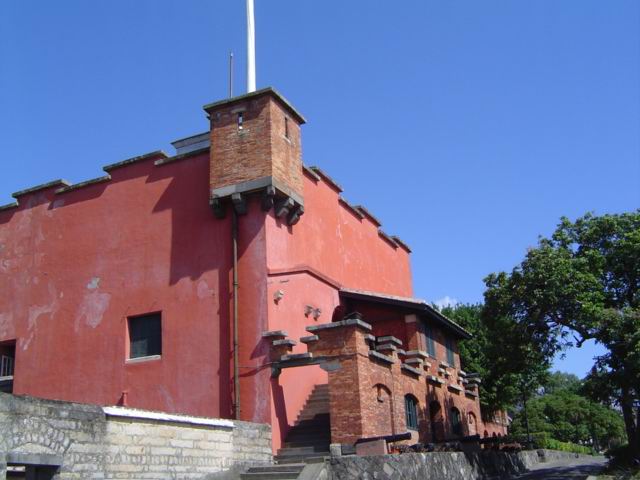
Hobe Fort is a significant 19th-century bastioned fortress located in the Tamsui District of New Taipei, Taiwan. It stands close to the historic Fort Santo Domingo and serves as an important military relic from the period of Western imperial influence in East Asia.
The fortress was constructed during the late Qing dynasty as part of Taiwan's coastal defenses against foreign naval threats. Its strategic position near the mouth of the Tamsui River allowed it to guard the approaches to the port and the city, which were vital for trade and military control. The fort's design reflects the bastioned fortress style, characterized by angular bastions that allowed defenders to cover adjacent walls with gunfire, minimizing blind spots.
Historical context and construction
The construction of Hobe Fort was initiated in response to increasing foreign naval incursions in the region during the 19th century. The Qing government recognized the need to strengthen coastal defenses following incidents such as the Opium Wars and various Western powers' attempts to establish influence in Taiwan.
Completed in the late 19th century, the fort was equipped with heavy artillery pieces designed to deter or repel naval attacks. Its walls were built from robust masonry materials, typical of military architecture of the era, combining both traditional Chinese and Western fortification techniques.
Architectural features and layout
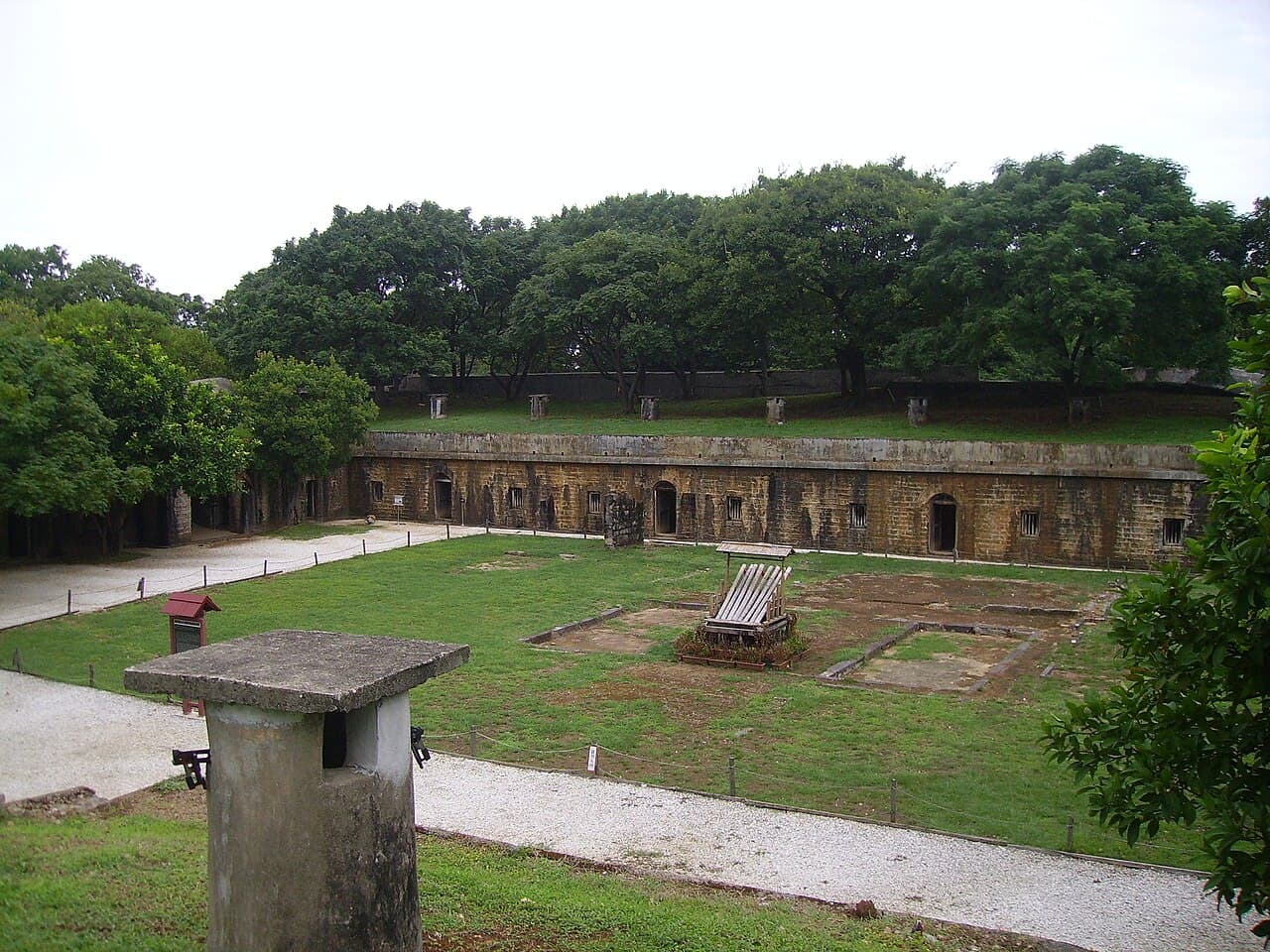
The fortress exhibits classic elements of bastioned fortifications, including angular bastions projecting outward from the main walls, allowing defenders to cover all approaches with overlapping fields of fire. The walls are thick and sturdy, constructed to withstand bombardment.
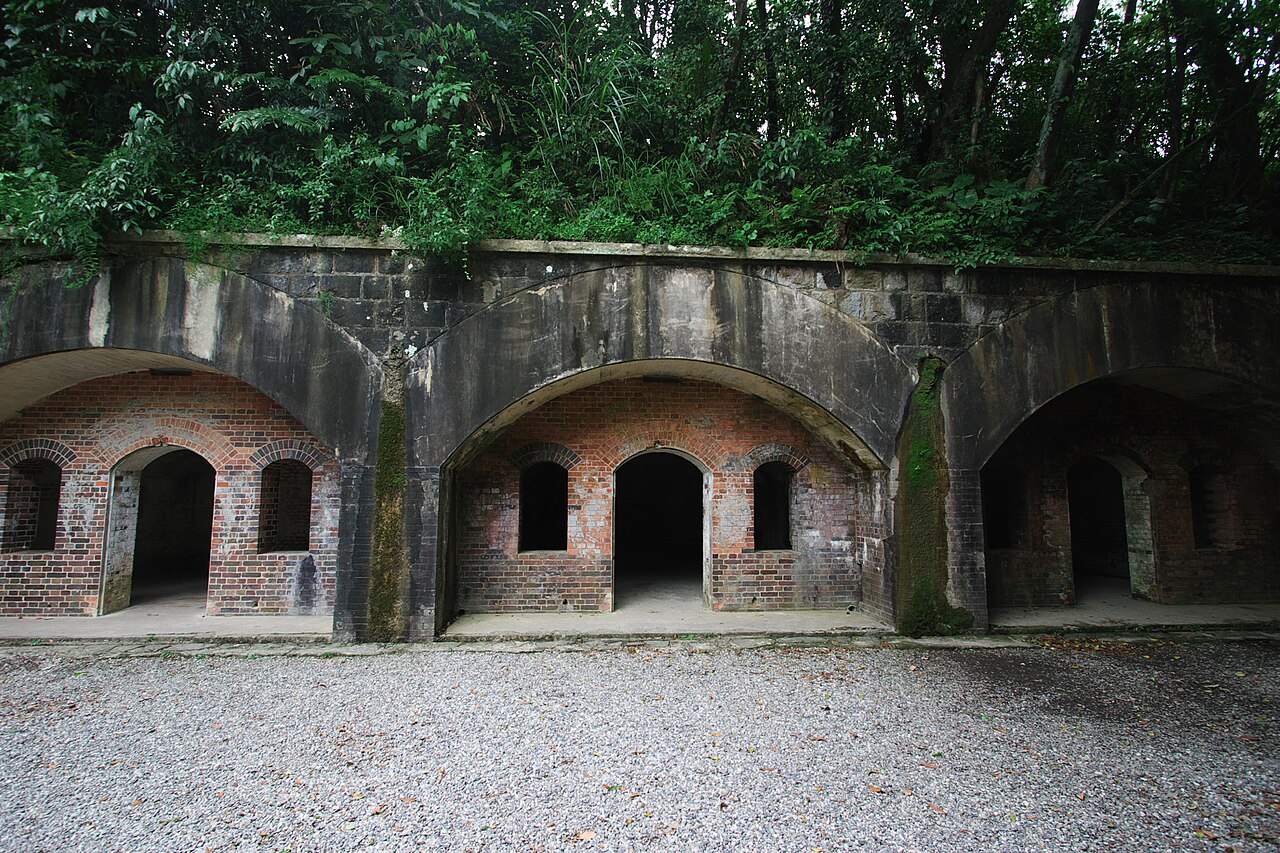
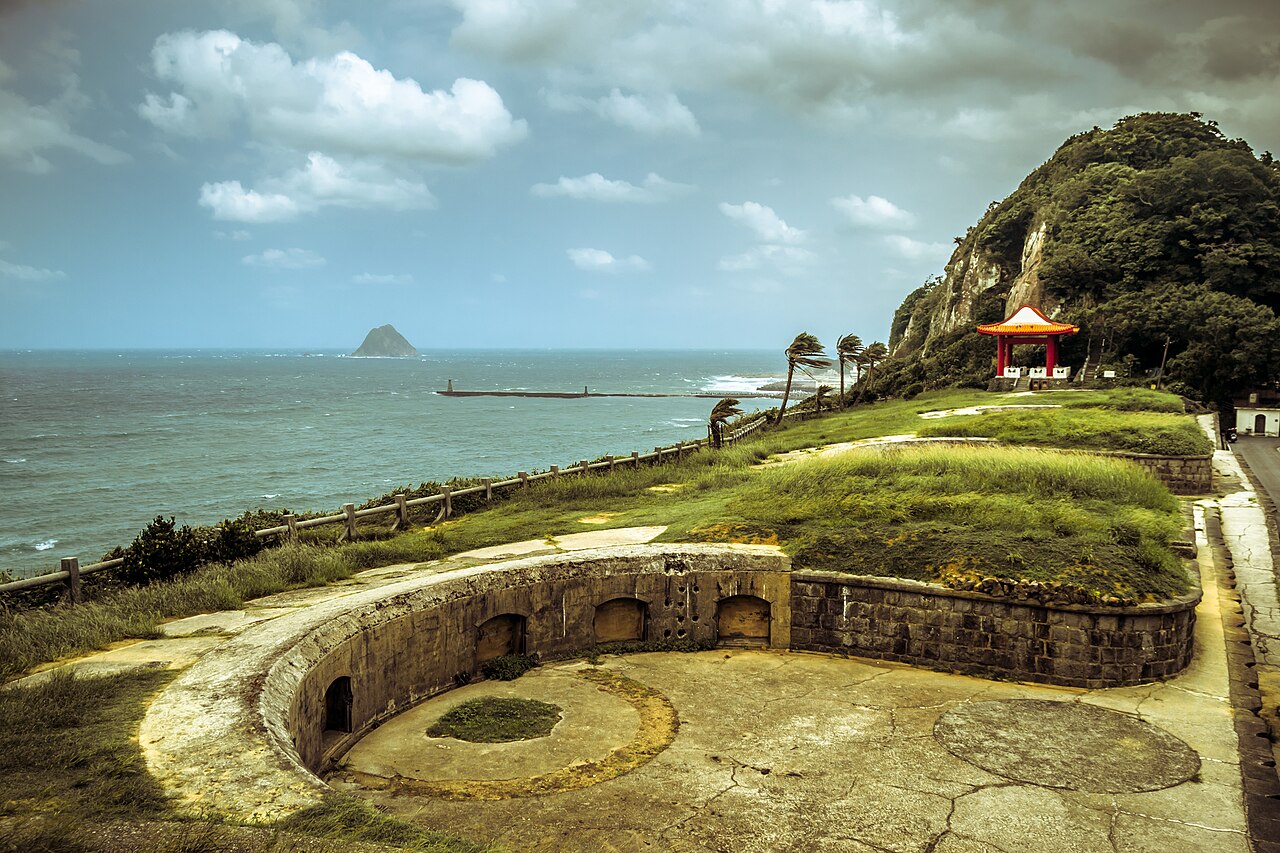
Within the fort, there are remnants of gun emplacements, ammunition storage areas, and barracks for the garrison. The layout was designed to maximize defensive capabilities while accommodating the needs of the stationed troops.
Defensive structures
The bastions are positioned to provide comprehensive coverage of the surrounding waters and land approaches. The fort's location near the river mouth was chosen to control maritime traffic and protect the nearby port facilities.
Materials and construction techniques
The walls combine stone and brick masonry, reflecting the blend of local construction practices and Western military engineering principles that influenced fort design during the period.
Role in regional history
Hobe Fort played a key role in Taiwan's defense during the late Qing era, particularly in the context of increasing foreign pressure and internal reforms aimed at modernizing military capabilities. It was part of a network of coastal defenses intended to safeguard Taiwan's strategic ports.
Despite its military purpose, the fort saw limited combat action but remains a valuable cultural heritage site illustrating the military architecture and geopolitical tensions of the 19th century in East Asia.
Present condition and visitor information
Today, Hobe Fort is well preserved and accessible to the public. Visitors can explore the remaining walls, bastions, and artillery placements, gaining insight into the military history of Taiwan and the architectural style of coastal fortifications from the period.
The fort is located near other historical sites, including Fort Santo Domingo, making the area a significant destination for those interested in military history and colonial-era architecture.
Visiting hours and ticket prices may vary, so prospective visitors should check local resources for the latest information.
Photo gallery

Information
Loading map...
Visitor reviews
No reviews yet. Been here? Write the first review and help other travelers!
Write the first reviewVisited this castle? Share your experience
Your review helps other travelers and adds first-hand knowledge to our encyclopedia.