Su'ao Fortress — Taiwan castle

Su'ao Fortress

Su'ao Fortress in Yilan County, Taiwan
Su'ao Township, Taiwan
Modern (19th–20th c.)
Partially Preserved

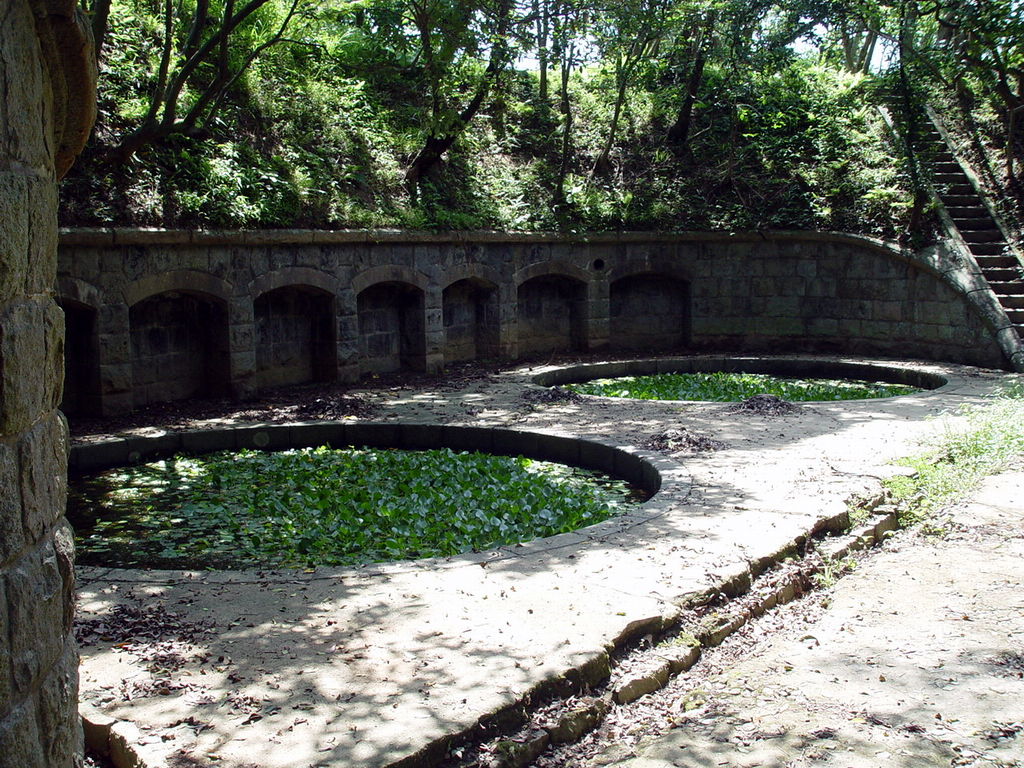
The Su'ao Fortress (traditional Chinese: 蘇澳砲台; simplified Chinese: 苏澳炮台; pinyin: Sū'ào Pàotái) is a 19th-century bastioned fortress situated in Su'ao Township, Yilan County, Taiwan. This fortress was constructed during the modern period as part of Taiwan's coastal defense system, reflecting the military architectural trends of the late Qing Dynasty and early colonial influences.

Historical context and strategic importance

During the 19th century, Taiwan's coastal regions were increasingly fortified to defend against foreign naval threats and piracy. The Su'ao Fortress was strategically positioned to guard the harbor of Su'ao, a vital port on Taiwan's northeastern coast. Its location allowed control over maritime access routes and provided a defensive stronghold against potential invasions or attacks from the sea.

Architectural features and design

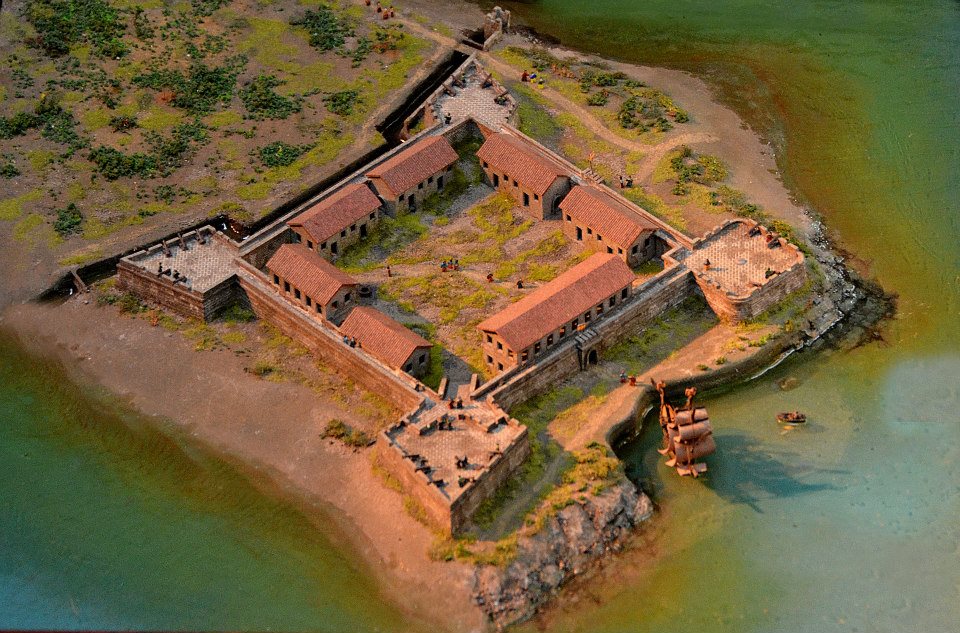
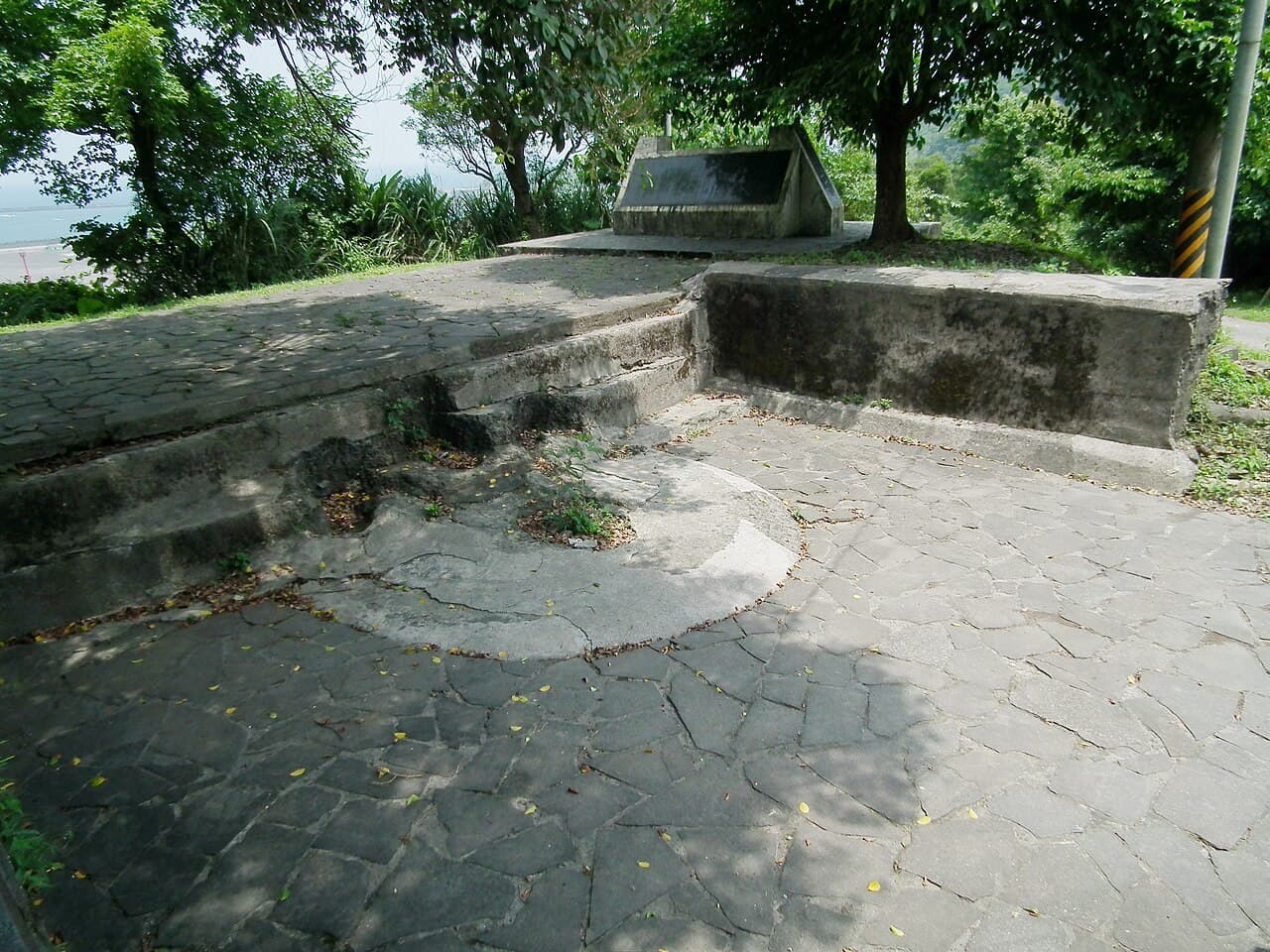
The fortress is classified as a bastioned fortress, a design that incorporates angular bastions projecting outward from the curtain walls. This architectural style was developed to improve defensive capabilities by eliminating blind spots and allowing defenders to cover adjacent walls with gunfire. The Su'ao Fortress features thick stone walls, artillery platforms, and gun emplacements designed to accommodate cannons and other coastal defense weapons.

Its layout typically includes a central courtyard surrounded by defensive walls and bastions, with access points fortified by gates and guardhouses. The design reflects a blend of traditional Chinese military architecture and Western fortification principles, which were increasingly adopted in East Asia during the 19th century.

Construction and materials

Built primarily from locally sourced stone and brick, the fortress's construction demonstrates the adaptation of available materials to meet the demands of military architecture. The use of durable masonry ensured the structure's resilience against artillery bombardment and harsh coastal weather conditions.

Current condition and preservation

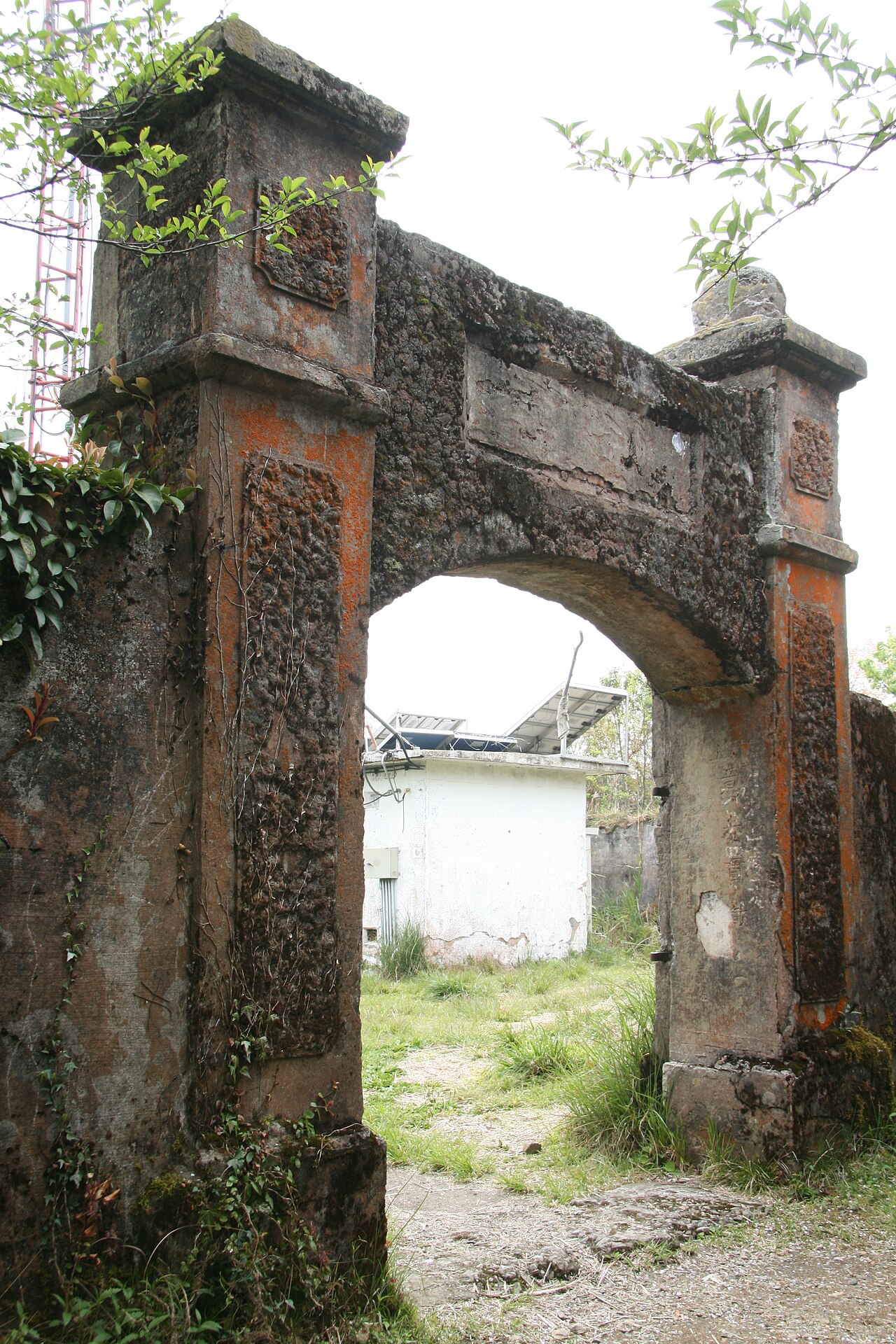
Today, the Su'ao Fortress is partially preserved, with significant portions of its walls and bastions still intact. While some areas have suffered from natural erosion and human activity, conservation efforts have been undertaken to maintain its structural integrity and historical value. The site serves as a cultural heritage landmark, attracting visitors interested in Taiwan's military history and coastal defenses.

Visiting information

The fortress is accessible to the public and provides an opportunity to explore the military architecture of the 19th century in Taiwan. Visitors can walk along the surviving walls, observe the bastioned design, and enjoy views of the surrounding coastal landscape. Informational signage at the site offers insights into the fortress's history and architectural features.

Frequently asked questions (FAQ)

What is the historical significance of Su'ao Fortress?
Su'ao Fortress, built in the late 19th century, served a vital role in defending Taiwan against foreign invasions and piracy. The fortress showcases the strategic military architecture of the Qing Dynasty, reflecting Taiwan's complex history and its importance in maritime trade.
When was Su'ao Fortress constructed?
The construction of Su'ao Fortress began in 1886 and was completed in 1888. It was established during a period of heightened foreign interest in Taiwan, aimed at protecting the coastal area and the burgeoning trade routes.
Can I visit Su'ao Fortress year-round?
Yes, Su'ao Fortress is open for visitors year-round, but it's advisable to check local holidays or special events that might affect access. The fortress offers a unique glimpse into Taiwan's history and is a popular destination for both locals and tourists.
What are the opening hours for Su'ao Fortress?
Su'ao Fortress is typically open to the public from 9 AM to 5 PM. However, it's best to verify the current hours before your visit, as they may vary seasonally or due to special events.
Is it possible to access Su'ao Fortress via public transportation?
Yes, Su'ao Fortress is accessible by public transportation, including buses that connect to major cities in Taiwan. The nearest bus stop is within walking distance of the fortress, making it convenient for visitors without private transportation.
What is the best time to visit Su'ao Fortress?
The best time to visit Su'ao Fortress is during the cooler months, from October to March, when the weather is pleasant and ideal for exploring. Additionally, visiting during weekdays can help you avoid larger crowds.
Are there any nearby attractions to explore after visiting Su'ao Fortress?
Yes, after visiting Su'ao Fortress, you can explore nearby attractions such as the beautiful Su'ao Harbor and the scenic Nanfang'ao Fishing Port. These areas offer stunning views and local seafood delicacies, enhancing your overall experience in Su'ao Township.
What are the ticket prices for Su'ao Fortress?
Entry to Su'ao Fortress is free, allowing everyone to enjoy its historical and architectural significance without any cost. This makes it an excellent destination for budget-conscious travelers looking to explore Taiwan's rich heritage.

Photo gallery

Su'ao Fortress
Click to view

Photo by lienyuan lee•CC BY 3.0

1 photo • Click any image to view in full screen

Information

Bastioned Fortress

Loading map...

Visitor reviews

No reviews yet. Been here? Write the first review and help other travelers!

Write the first review

Visited this castle? Share your experience

Your review helps other travelers and adds first-hand knowledge to our encyclopedia.
Write a review

(5/5)

0/2000 characters

Your review will be visible after admin approval

Nearby castles

57 km
Tapung Old Fort — Taiwan castle

Tapung Old Fort

Jianshi Township, Taiwan

The Tapung Old Fort, also known as Mount Lidong Fort (李崠古堡, pinyin: Lǐdōng Gǔbǎo), is a historical military structure located in Jianshi Township, Hsinchu County, Taiwan. Constructed during the 20th century, this bastioned fortress represents a significant example of contemporary military architecture in Taiwan, reflecting the strategic defense needs of the era. Historical context and strategic importance The fort was built in the context of Taiwan's complex military history during the early to mid-20th century, a period marked by Japanese colonial rule and later the Republic of China's efforts to secure its territories. Positioned on Mount Lidong, the fort's elevated location offered commanding views of the surrounding landscape, enabling effective surveillance and defense against potential threats. Architectural features and design The Tapung Old Fort is classified as a bastioned fortress, a style characterized by angular bastions projecting from the main walls, designed to provide overlapping fields of fire and eliminate blind spots. This design reflects military engineering principles that evolved from the Renaissance period but were adapted for modern warfare requirements in the 20th century. The fort's construction utilized reinforced concrete and stone, materials chosen for durability and resistance to artillery. Its walls and bastions are arranged to maximize defensive capabilities, with embrasures for artillery placements and observation posts strategically located to monitor the approaches. Layout and defensive structures The fort's layout includes multiple bastions connected by curtain walls forming a polygonal shape typical of bastioned fortresses. Inside, there are remnants of barracks, ammunition storage rooms, and command centers. The design facilitated both active defense and the accommodation of a garrisoned force. Role during military conflicts While specific records of battles or sieges involving the Tapung Old Fort are limited, its construction during a turbulent period suggests it was intended as a deterrent and a defensive stronghold against incursions. The fort likely played a role in regional defense strategies, particularly during the Japanese occupation of Taiwan (1895-1945) and the subsequent post-war period. Current condition and preservation Today, the Tapung Old Fort stands as a partially preserved historical site. Some sections of the walls and bastions remain intact, while others have suffered from weathering and neglect. Efforts have been made to preserve the fort as a cultural heritage site, highlighting its architectural and historical significance. Tourism and accessibility The site attracts visitors interested in military history and architecture. It offers a glimpse into Taiwan's defensive past and provides panoramic views of the surrounding mountainous region. Accessibility may be limited due to its hillside location, but it remains an important point of interest for heritage tourism in Hsinchu County.

Contemporary (20th–21st c.)
Details
61.8 km
Gongzi Liao Fort — Taiwan castle

Gongzi Liao Fort

Keelung, Taiwan

The Gongzi Liao Fort (Gàngzi Liáo Pàotái) is a significant 20th-century bastioned fortress located in the Xinyi District of Keelung, Taiwan. Built during the contemporary period, this fort was part of Taiwan's coastal defense system, designed to protect the strategic port city of Keelung from naval threats. The fort's architecture reflects military engineering principles tailored to modern artillery warfare, distinguishing it from earlier medieval castles and fortifications. Historical context and strategic importance Constructed in the 20th century, the Gongzi Liao Fort served as a key military installation during a period when Taiwan faced various external threats, particularly from naval forces. Keelung's status as a vital harbor made it essential to fortify the coastline with robust defensive structures. The fort's location in the Xinyi District provided a vantage point for monitoring maritime approaches and defending against potential invasions. Architectural features and design The fort is classified as a bastioned fortress, a style characterized by angular bastions protruding from the main walls, allowing defenders to cover adjacent walls with overlapping fields of fire. This design was adapted in the Gongzi Liao Fort to accommodate modern artillery, with reinforced concrete and strategic placements for cannon emplacements. The layout includes thick defensive walls, gun emplacements, observation posts, and underground chambers for ammunition storage. The use of concrete and steel reflects the contemporary architectural style of military fortifications, focusing on durability and resistance to bombardment. Defensive structures The bastions at Gongzi Liao Fort were designed to eliminate blind spots and provide comprehensive coverage of the surrounding waters. The fort's walls are reinforced to withstand shelling, and the gun platforms were positioned to maximize firing range and accuracy. Additionally, the fort included facilities for troops stationed there, such as barracks and command posts. Role in Taiwan's military history Throughout its operational period, the Gongzi Liao Fort played a defensive role during times of heightened military tension in the region. While it did not witness major battles, its presence contributed to the deterrence of naval attacks and helped secure the Keelung harbor area. After its decommissioning, the fort has become a point of historical interest, reflecting Taiwan's military evolution in the 20th century. Current condition and preservation Today, the Gongzi Liao Fort remains partially preserved. Some of its original structures, including bastions and gun emplacements, are still visible, offering visitors a glimpse into early modern military architecture in Taiwan. Preservation efforts focus on maintaining the integrity of the remaining features and promoting awareness of the site's historical significance. Visiting the Gongzi Liao Fort Visitors to the fort can explore the outdoor areas and observe the fortifications from vantage points within the site. The fort is accessible to the public, providing educational opportunities about Taiwan's coastal defenses. While some areas may be restricted due to safety concerns, the site offers a valuable experience for those interested in military history and architecture. Nearby attractions The fort's location in Keelung allows visitors to also explore other historical and cultural sites in the city, including the Keelung Harbor, local temples, and museums that showcase Taiwan's maritime heritage.

Contemporary (20th–21st c.)
Details
63.5 km
Fort San Salvador — Taiwan castle

Fort San Salvador

, Taiwan

Fort San Salvador is a significant example of a 17th-century bastioned fortress located in Taiwan. Constructed during the Renaissance period, this fortress exemplifies the military architectural innovations that emerged in response to the evolution of artillery and siege warfare. The design of Fort San Salvador reflects the principles of the bastioned fortification system, which was developed to provide improved defensive capabilities against cannon fire. Historical context and strategic importance During the 17th century, Taiwan was a contested territory influenced by various colonial powers, including the Dutch, Spanish, and later the Qing dynasty. Fort San Salvador was built as part of the efforts to establish and maintain control over the island, serving both as a military stronghold and a symbol of colonial authority. Its location was chosen to oversee and protect key maritime routes and settlements. Architectural features and design Bastioned fortification system The fortress is characterized by its angular bastions projecting from the main walls, allowing defenders to cover adjacent walls with overlapping fields of fire. This design minimized blind spots and made direct assaults more difficult. The walls were constructed with thick masonry to absorb cannon impacts, and the fortress likely included a surrounding moat or ditch as an additional defensive measure. Layout and internal structures Inside the fort, there would have been casemates or vaulted chambers for storing ammunition and housing troops. The central courtyard provided space for assembling soldiers and organizing supplies. The entrance was typically fortified with a gatehouse and possibly a drawbridge, enhancing security against attackers. Materials and construction techniques The construction of Fort San Salvador utilized local stone and brick materials, combined with lime mortar, which was common in Renaissance military architecture. The builders applied geometric precision in the layout to optimize defensive coverage and structural stability. The fortress's robust construction has contributed to its preservation over centuries. Preservation and current status Today, Fort San Salvador remains a notable historical monument in Taiwan, representing the island's colonial past and the military architectural advancements of the Renaissance era. While the exact condition may vary, bastioned fortresses of this period often survive as partially preserved or restored sites, attracting historians, architects, and tourists interested in military history and colonial heritage. Significance in military architecture Fort San Salvador illustrates the transition from medieval castle designs to early modern fortifications adapted for gunpowder weaponry. Its bastioned design served as a model for many coastal and colonial forts worldwide, demonstrating the global spread of Renaissance military engineering principles.

Renaissance (15th–17th c.)
Details